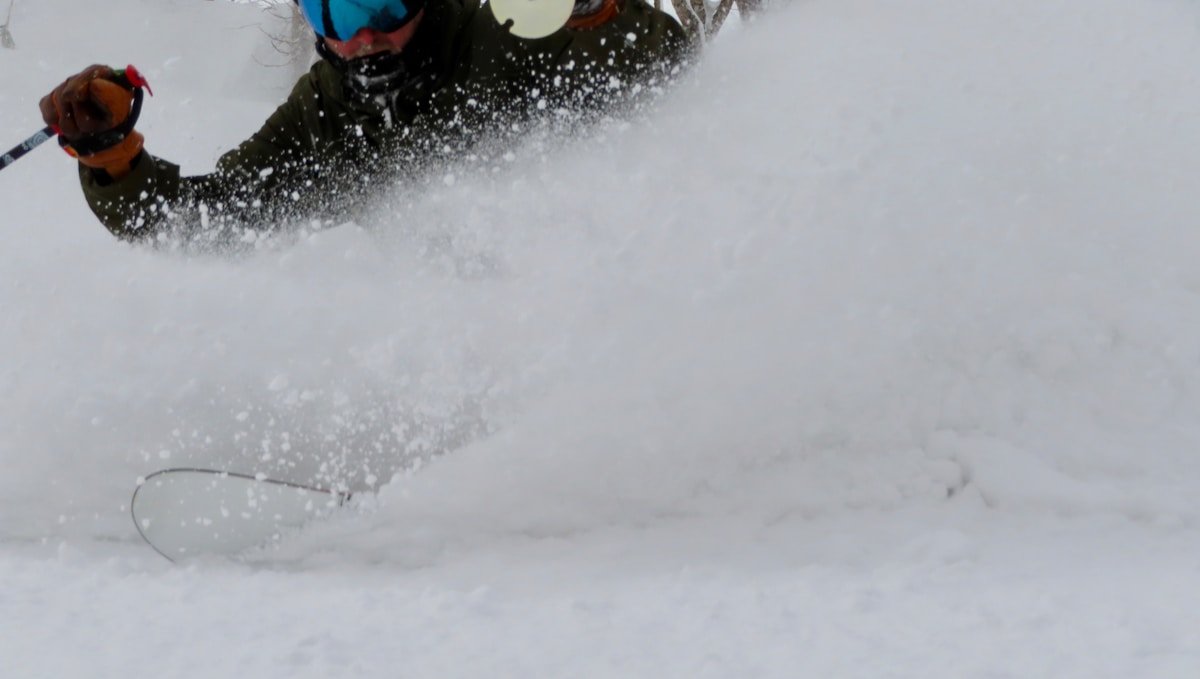
Japan consistently delivers some of the best powder skiing on the planet. Hokkaido’s Siberian air mass and latitude produce a cold, dry snowpack that turns into the legendary “Japow” - light, deep, and reliable from late December through March. The resorts are also operationally excellent: well-groomed runs, heated gondolas, and onsen towns within walking distance of the lifts.
The challenge with a Japan ski trip is geographic: the best resorts are spread across a country the size of California. Niseko is in Hokkaido (north); Hakuba, Nozawa Onsen, and Shiga Kogen are in Nagano (central Honshu). Flying between them burns time and money. This 9-day itinerary clusters the Nagano resorts first, then finishes in Niseko - or vice versa depending on your flight routing.
Best ski season: Mid-December through early March. January and February deliver the deepest snow across all resorts. Niseko peaks in January. Hakuba runs strong through March. For guided ski tours, off-piste guiding, and snow activities such as snowshoeing and snowmobile excursions, browse Niseko activities on GetYourGuide and Hakuba tours - both fill up in January peak weeks.
Itinerary Overview
| Days | Location | Resort Focus |
|---|---|---|
| 1–3 | Hakuba, Nagano | Happo-One, Cortina, Tsugaike - varied terrain, JR access |
| 4–5 | Nozawa Onsen, Nagano | Nozawa Onsen Ski Resort - traditional onsen village, hot spring bathing |
| 6 | Shiga Kogen / Zao (option) | Japan’s largest interconnected ski area, or Zao for snow monsters |
| 7–9 | Niseko, Hokkaido | Grand Hirafu, Hanazono, Annupuri - deep powder, Yotei views |
Days 1–3: Hakuba
For lift passes and the best runs, see our Hakuba ski resort guide and book Hakuba hotels early.
Hakuba sits at the foot of the Hakuba Alps (Northern Alps) in Nagano Prefecture, accessible by direct Shinkansen from Tokyo to Nagano Station (1 hour 25 minutes, approximately ¥8,340 Kagayaki reserved) followed by a Alpico Kotsu bus to Hakuba Village (approximately 60 minutes, ¥1,600 - book online or purchase at Nagano bus terminal).
The Hakuba Valley groups 10 resorts under a unified multi-resort day pass (approximately ¥7,000/day as of the 2024/25 season; prices updated annually at hakubavalley.com). The main areas:
Happo-One is the largest and most international-facing - long runs from 1,831m summit with consistent grooming and multiple off-piste entry points. Lift pass (single resort): approximately ¥6,500/day. The Happo-One Race Quad and Grat gondola are the key lifts for accessing upper terrain.
Cortina (Hakuba Cortina) is the powder resort - no wide-open groomers, but tree skiing and off-piste access that Happo-One cannot match. Tighter access: the limited accommodation near the base means queues are shorter. Single-resort day pass: approximately ¥6,000. Search hotels in Hakuba on Booking.com
Tsugaike Kogen is better for intermediates and families - gentler gradients, excellent views west toward the Alps, and less congestion than Happo-One.
Where to Stay in Hakuba
Budget (¥8,000–¥15,000/person/night including breakfast): Wired Hakuba is a well-run guesthouse popular with solo travellers and snowboarders, with a good bar and lounge. Iimori Ski Lodge near Happo-One base is a family-run Japanese pension with hearty set dinners.
Mid-range (¥20,000–¥40,000/person/night with breakfast and dinner): Hakuba Mominoki Hotel (ski-in/ski-out proximity to Happo-One, heated pool) is the benchmark mid-range choice, from approximately ¥25,000 per person. Cortina Hotel is the only slopeside option at Cortina with direct run access - popular with powder hunters, often sold out for fresh-snow weekends.
Luxury (¥50,000+/person/night with meals): Mash (modern Japanese resort hotel near Happo-One gondola) and Green Square Hakuba offer high-end rooms with onsen facilities. Rates for peak January weekends reach approximately ¥70,000–¥90,000 per person including kaiseki dinner.
Where to Eat in Hakuba
Matsumoto-ya in Echoland is a long-running izakaya with Nagano cuisine - salt-grilled river fish, horse meat sashimi (basashi), and sake from local breweries. Dinner approximately ¥3,500–¥5,000 per person.
Dumpling Shop in Echoland (look for the gyoza sign) is the go-to casual lunch stop - ¥600–¥1,200 per person. Many skiers eat on-mountain at Happo-One’s Kashimayari Restaurant (set lunch from approximately ¥1,800).
Tapas Kitchen (Echoland) serves Western food - burgers, pasta, craft beer - if you need a break from Japanese. Budget approximately ¥2,000–¥3,000.
Days 4–5: Nozawa Onsen
Nozawa Onsen is 2 hours from Nagano by bus (Alpico/Nagano Dentetsu via Togura-Kamiyamada; approximately ¥2,400 one way) or by Hokuriku Shinkansen to Iiyama Station (20 minutes from Nagano, ¥2,170) followed by a shuttle bus.
The town itself is the draw as much as the skiing. The village centre has 13 free public baths (soto-yu) managed by the local Onsen Association - each fed by natural hot spring water and open to anyone. The largest, Ogama, is a ritual bathing pool (not for tourists to soak in), but 12 others welcome visitors at no charge. This is onsen as lifestyle, not luxury product.
The ski resort (Nozawa Onsen Ski Resort) runs 36km of marked runs from a summit of 1,650m. Day pass: approximately ¥5,800 as of the 2024/25 season. The gondola from the village base is a 10-minute walk from the main onsen quarter - unusual for Japan where resorts and towns are often disconnected.
Key runs: The Yamabiko area in the upper mountain holds powder longest. The Uenotaira plateau is the intermediate heart - wide open on good days. The Paradise course back to the village is the classic end-of-day descent.
Where to Stay in Nozawa Onsen
Budget (¥9,000–¥16,000/person/night with meals): Pension Schneider and Lodge Nagano are both popular with English-speaking travellers - clean rooms, big set dinners, friendly family operations. Rates include breakfast and dinner (essential in Nozawa, as restaurant options thin out in the evenings).
Mid-range (¥20,000–¥35,000/person/night with meals): Nozawa Onsen Village Lodge (Western-style rooms, ski-convenient, English-speaking staff) is the best mid-range choice. Masuya Ryokan is a traditional Japanese inn with communal onsen, from approximately ¥22,000 per person.
Luxury (¥40,000+/person/night with meals): Nozawa Onsen has limited luxury accommodation compared to Niseko or Hakuba. Takahan Ryokan, an historic inn in the village centre dating to 1717, offers the closest to a high-end ryokan experience, from approximately ¥40,000 per person with kaiseki dinner. Search hotels in Nozawa Onsen on Booking.com
Where to Eat in Nozawa Onsen
Most accommodation in Nozawa includes dinner - the better lodges serve locally sourced mountain food. For eating out independently, Nagasaka Ski Cafeteria at mid-mountain is the standard on-slope lunch (ramen, katsu curry, set meals from approximately ¥1,200). Bar Gondo in the village does après-ski burgers and craft beer (approximately ¥1,500–¥2,500). Irori serves traditional hearth-grilled food for dinner at approximately ¥4,000–¥6,000 per person.
Day 6: Shiga Kogen or Zao (Choose One)
Option A: Shiga Kogen
Shiga Kogen is Japan’s largest interconnected ski area, with 21 linked resorts under a single all-mountain pass (approximately ¥6,200/day as of 2024/25, full season passes also available). It’s 45 minutes by bus from Yudanaka Station (accessible by Nagano Dentetsu railway from Nagano, approximately ¥1,230).
The scale is the selling point - you can ski across linked basins for a full day without repeating a run. The terrain suits intermediates well; experts should head to Okushiga and Ichinose areas for steeper pitches. The village infrastructure is functional rather than charming.
Shiga Kogen works best as a day trip from Nozawa Onsen (2 hours by bus via Yudanaka) or as an overnight between Nozawa and your Niseko flight.
Option B: Zao Snow Monsters
Zao Onsen (Yamagata Prefecture) is not on the Nagano cluster - it’s a 2-hour Shinkansen from Tokyo to Yamagata, then 25 minutes by bus. The detour is worthwhile in one specific condition: when the juhyo (樹氷, “ice monsters”) are fully formed. These are snow-covered fir trees that gradually become encased in ice under Siberia-sourced moisture from the Sea of Japan, creating grotesque sculpted shapes - particularly dramatic at the summit (1,661m).
Juhyo peak is typically late January through early February. Zao Rope Way (¥3,300 round trip) accesses the summit where the formations are densest. The ski area itself is solid mid-size - day pass approximately ¥5,900. Zao Onsen village at the base has excellent public baths including the famous Dai-yu large communal bath (¥600).
If timing Niseko next, Zao works best: fly from Tokyo (Haneda → New Chitose, 90 minutes, book in advance for approximately ¥8,000–¥15,000) rather than returning to Nagano for an Osaka/Tokyo → Sapporo flight.
Days 7–9: Niseko
Full detail on passes, runs and lessons is in our Niseko ski resort guide; Niseko accommodation is best locked in months ahead. Prefer quieter slopes? Furano is a 2.5-hour trip from Sapporo.
Niseko is Japan’s most internationally recognised ski destination - and for good reason. The Siberian air mass that hits Hokkaido from the northwest drops extraordinarily dry, light powder, averaging 15m of snowfall per season. The ski area (Niseko United) groups four linked resorts:
The Niseko United all-mountain day pass costs approximately ¥8,700 as of the 2024/25 season. Night skiing runs until 9pm at Grand Hirafu - one of the best night skiing experiences in Japan, with deep powder that refreshes between day and evening sessions.
Getting to Niseko: Fly into New Chitose Airport (Sapporo/Hokkaido). Direct flights from Tokyo Haneda operate frequently (90 minutes, from approximately ¥8,000 on LCC, ¥15,000–¥25,000 on JAL/ANA at short notice). From New Chitose, take the Rapid Airport train to Minami-Chitose (3 minutes), then the Hokkaido Rail Network to Kutchan (approximately 2 hours 30 minutes total by rail, ¥2,800). Door-to-door shuttle buses from New Chitose to Niseko (operated by Chuo Bus and multiple resort services) run approximately 2 hours and cost ¥2,000–¥3,800 depending on the operator - often more convenient than rail.
Where to Stay in Niseko
Budget (¥12,000–¥20,000/person/night): Niseko Guesthouse Ikoiyo and Owl Niseko are functional hostels with private rooms near Grand Hirafu. Powder Hound Lodge is a long-running travellers’ choice with ski storage and a communal lounge.
Mid-range (¥25,000–¥55,000/person/night): Hilton Niseko Village (ski-in/ski-out from Village base, large outdoor onsen pool) is the most accessible of the branded hotels at this tier, from approximately ¥30,000 per room. Park Hyatt Niseko Hanazono is the standout mid-to-luxury option - exceptional onsen facility, direct Hanazono access, from approximately ¥50,000 per room.
Luxury (¥70,000–¥200,000+/person/night): Setsu Niseko (opened 2021) is the premium residences-style property with private onsen in rooms and butler service. The Green Leaf Niseko Village was the first 5-star on the mountain. For multiple nights in peak January, rates above ¥100,000 per room are standard at this level. Search hotels in Niseko on Booking.com
Where to Eat in Niseko
Bang2 Izakaya (Hirafu village) is the reliable mid-range local favourite - yakitori, ramen, Sapporo beer on draught. Budget approximately ¥3,000–¥4,500 per person for dinner.
Kamimura in Niseko Village is the destination fine dining option - French-Japanese kaiseki from a Japan-trained, France-experienced chef. Dinner from approximately ¥18,000 per person. Book in advance.
Annupuri Onsen (Niseko Annupuri International Ski Area day spa, ¥800) is the best post-ski soak accessible by lift ticket - a proper rotenburo (outdoor bath) overlooking a snowy valley.
Ramen Shirakaba near Kutchan Station is the local’s choice for post-ski ramen - Sapporo-style miso ramen from approximately ¥900. Worth the short detour.
Budget by Tier
| Tier | Daily Estimate | Notes |
|---|---|---|
| Budget | ¥18,000–¥25,000/person | Pension/guesthouse with meals included, self-catering lunches on mountain |
| Mid-range | ¥35,000–¥65,000/person | Hotel + lift pass + two restaurant meals + onsen |
| Luxury | ¥80,000–¥200,000+/person | Premium resort accommodation, private guiding, helicopter access in Niseko |
Lift pass multi-day savings: All major Nagano resorts offer discounts for 3-day and 5-day passes (typically 10–15% vs daily rates). Niseko United offers a half-season pass for frequent visitors. Buy in advance online where possible - resort cashier queues during January peak weekends are long.
Sapporo Snow Festival Option
If your Niseko stay coincides with early February (typically the first two weeks), the Sapporo Snow Festival (Yuki Matsuri) is 1 hour from Niseko by JR or bus. The festival runs for one week and fills Odori Park with 200+ ice and snow sculptures - spectacular at night when illuminated. Sapporo is also home to some of Japan’s best ramen (Susukino district; budget ¥1,200–¥2,000 per bowl).
Add a day trip from Niseko to Sapporo via Otaru (canal town famous for sushi and herring cuisine) - Otaru is 45 minutes from Sapporo by JR Hakodate Line (¥640).
Practical Tips
Ski rental in Japan: High-quality ski hire is widely available at or near all major resorts. Budget approximately ¥4,000–¥7,000 per day for ski/board + boots + poles. Helmets are standard and usually included. Booking in advance online through resort rental shops saves 10–20%.
Resort apps: Niseko Grand Hirafu and Hakuba Valley both have English-language apps with real-time run status and snow depth. The Niseko United app shows lift status across all four linked areas.
Getting between Nagano and Hokkaido: The efficient option is train to Tokyo (or Osaka) + fly Haneda → New Chitose. The Hokkaido Shinkansen (via Hakodate) adds 5+ hours vs flying and is only practical if you want to see Hakodate along the way.
Onsen etiquette: Every resort town on this itinerary has natural hot spring bathing, whether public (free/cheap) or in-hotel. Tattoos are prohibited in most traditional onsen; some hotels offer private baths (kashikiri) for an additional fee (¥2,000–¥5,000/hour). Always wash and rinse at the shower stations before entering communal pools.
JR Pass note: The JR Pass covers Shinkansen legs Tokyo–Nagano and the rapid train from New Chitose to Sapporo, but does not cover the Hokkaido rail network to Kutchan. Separate fares or a Hokkaido Rail Pass apply for the Niseko leg.
See also: Skiing in Japan · Niseko vs Hakuba · Hakuba travel guide · Niseko travel guide · Where to stay in Hakuba · Where to stay in Niseko · Japan in January · Japan in February · Getting around Japan
Book Your Trip
Flights - search and compare on Flights to Japan guide · Aviasales eSIM - stay connected with Japan eSIM guide · Airalo Travel insurance - get covered with Japan travel insurance guide · VisitorsCoverage Airport transfers - book with Kiwitaxi Car rental - compare with Car hire in Japan guide · GetRentaCar Tours and activities - browse GetYourGuide