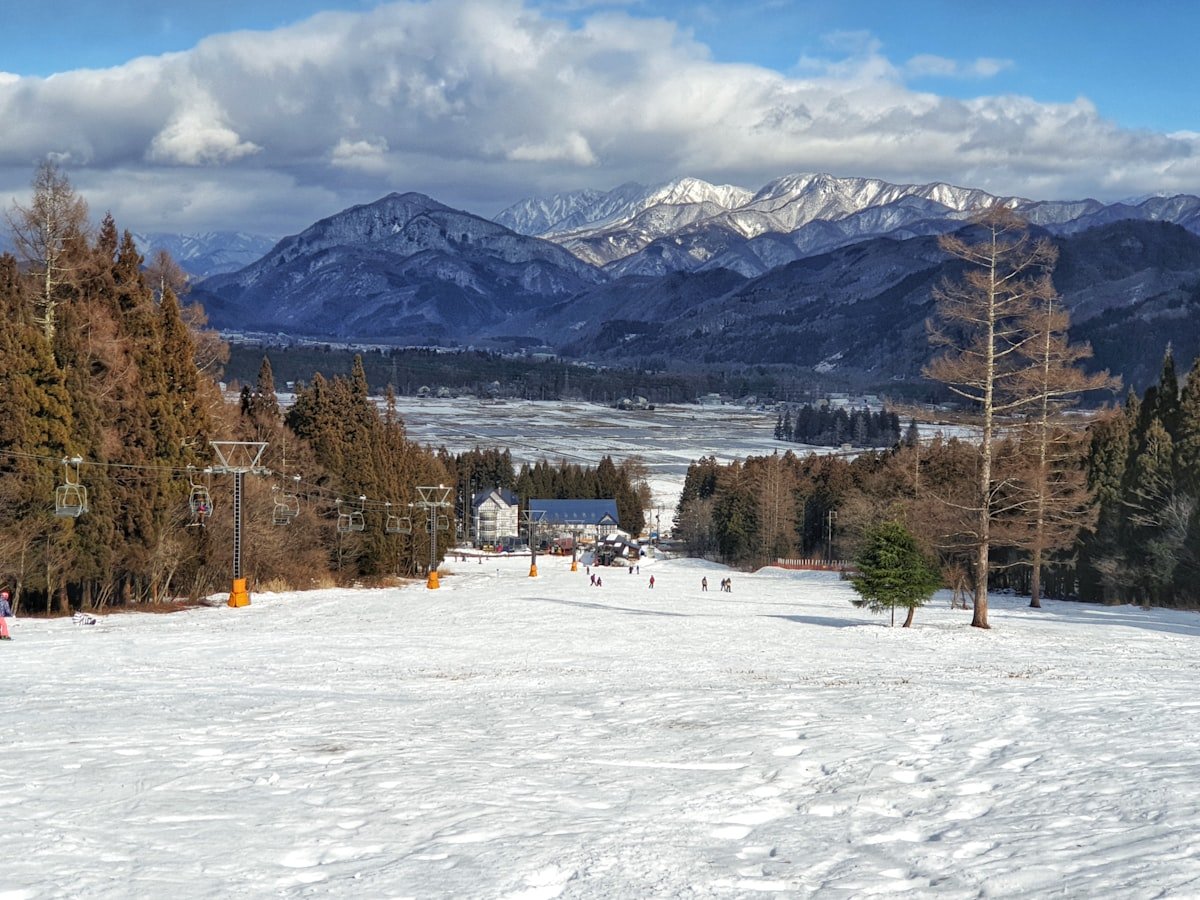
Hakuba sits in a valley in the Nagano Alps with ten ski resorts spread across 20 kilometres. Choosing where to stay here is less about a single neighbourhood and more about which resort area you plan to ski, what your budget allows, and whether you want to walk to the lifts or take a shuttle. Most accommodation clusters in four zones: Happo-One base, Hakuba Village centre, Echoland, and Goryu/Hakuba47 area. Each has a distinct feel. Search hotels in Hakuba on Booking.com
Area Breakdown: Where to Base Yourself
Happo-One Base Area
Happo-One is the largest resort in the Hakuba Valley - home to the 1998 Winter Olympics downhill course, the valley’s longest run (over 4 kilometres), and most of the après-ski scene. Staying here puts you within walking distance of the gondola base and the main strip of restaurants, bars, and hire shops.
The drawback is price: accommodation near the Happo-One base commands a premium during peak season. Budget options are limited, and the surrounding roads are busy during the morning ski rush. But for first-time visitors who want everything within reach, there is no more convenient location in Hakuba.
Best for: First-timers, couples, anyone who wants to walk to the lifts and walk home from the bar.
Hakuba Village Centre
Hakuba Village (centred around Wadano and the main intersection) sits between the Happo-One gondola and the Echoland accommodation strip, roughly 10 minutes from either. This is the most balanced position in the valley: good access to the main resort, a reasonable selection of restaurants and convenience stores, and quieter streets than the Happo-One base at night.
Most of the valley’s mid-range hotels cluster here, along with several Western-style properties and a growing number of new-build condominiums aimed at international visitors. The shuttle bus from the village to Happo-One runs every 20–30 minutes through the ski day.
Best for: Mid-range travellers, small groups, those who want a balance between convenience and calm.
Echoland
Echoland is the budget heartland of Hakuba - a strip of family-run pensions, minshuku (Japanese B&Bs), and smaller hotels along a road that runs parallel to the mountains, about 10 minutes from Happo-One by shuttle or car. The accommodation here almost always includes dinner and breakfast in the room rate, which is excellent value given Hakuba’s restaurant prices during peak season.
The downside is that you are not within walking distance of any lift. The shuttle bus is reliable, but you are dependent on it or a hire car. That said, many long-stay visitors prefer Echoland for exactly this reason: quieter evenings, a more authentic Japanese ski holiday feel, and significantly lower prices per person.
Best for: Budget-conscious skiers, families, those doing a week or more and happy to shuttle.
Goryu and Hakuba47 Area
Visitors planning to ski Goryu and Hakuba47 specifically - rather than Happo-One - should base themselves closer to this resort cluster, which sits about 6 kilometres south of Hakuba Village. The combined Goryu/47 ski area is the second largest in the valley and considerably less crowded than Happo-One. Properties in this area include the Cortina Hotel (which is further north at Cortina resort) and a handful of lodges near the Goryu gondola base.
Best for: Intermediate skiers who want less crowded slopes, repeat visitors who have done Happo-One before.
Accommodation by Budget
Budget (¥5,000–¥12,000 per person, per night)
The majority of budget accommodation in Hakuba operates on a two-meal pension or minshuku model - dinner and breakfast included in the rate. This is the traditional way to stay in a Japanese ski resort and is genuinely good value.
Hakuba Guest House Tomii is one of the most respected budget guesthouses in the valley - small, run by a local family, with excellent home-cooked meals and a friendly atmosphere that attracts solo travellers and snowboarders. Rates from approximately ¥7,000 per person per night including dinner and breakfast as of 2026.
Echoland pensions - properties such as Pension Stella, Pension Pony Tail, and Chalet Le Glacier - typically charge ¥8,000–¥11,000 per person including meals. Standards vary but most are clean, warm, and genuinely welcoming. Many have English-speaking staff given the number of international skiers the valley receives.
Hakuba Backpackers and Dormitory Options - the valley has a small selection of hostel-style beds for solo travellers on a tight budget. Rates start at approximately ¥4,500–¥6,000 for a dorm bed. Haus Caro and similar properties near the Echoland strip are among the most recommended.
Mid-Range (¥15,000–¥40,000 per night)
At this level you gain private bathrooms, more space, and often ski storage and boot heating rooms - essential comforts for a ski trip.
Green Plaza Hakuba is a large resort hotel in Hakuba Village with direct shuttle access to Happo-One. Well-run, consistent service, multiple restaurants, an onsen, and ski hire on site. Rates from approximately ¥18,000 per night room-only, or ¥28,000–¥35,000 per person with meals as of 2026.
Hakuba Alps Hotel sits near the Happo-One base area and is one of the better mid-range options for ski-in/ski-out convenience. Clean, modern rooms, a reliable Japanese restaurant, and a small outdoor bath. Rates from approximately ¥20,000 per night.
Cortina Hotel is a standout mid-range property - a small, European-influenced ski lodge at Cortina resort with direct slope access, fondue dinners, and strong repeat clientele. The snow at Cortina is exceptional (it sits in the path of heavy weather systems coming off the Sea of Japan), and the hotel’s intimate size (approximately 40 rooms) means service is personal. Rates from approximately ¥25,000–¥40,000 per person per night including meals. Worth the premium if you prioritise powder.
Condo and Apartment Properties - serviced apartments and condominium rentals have expanded rapidly in Hakuba over the past five years, driven by international demand. Properties in the Wadano area offer self-catering flexibility at rates roughly comparable to mid-range hotel rooms. Useful for groups or families who want a kitchen and more space.
High-End (¥50,000–¥150,000+ per night)
Sheraton Grande Hakuba (Wadano area) is the valley’s benchmark luxury hotel - a large resort property with a spa, multiple dining outlets, ski-in/ski-out access to the Happo-One network via a dedicated slope, and polished service. Rooms from approximately ¥55,000 per night as of 2026. The outdoor onsen overlooking the mountains is the hotel’s best feature.
Ecolocal Glamping Hakuba offers a premium glamping experience in the valley during summer months - geodesic domes with mountain views, private wood-burning stoves, and a relaxed luxury feel. Not operational in winter but increasingly popular for autumn visitors. Rates from approximately ¥40,000–¥60,000 per night.
Boutique Ryokan Options - Hakuba has fewer traditional ryokan than older Japanese resort towns, but several high-end lodges offer a hybrid ryokan experience (kaiseki meals, yukata, onsen) in a Western ski-lodge setting. Enquire at properties in the Echoland area that have added private onsen facilities in recent years.
Accommodation Comparison Table
| Area | Walk to Lifts | Best For | Approx Price Range |
|---|---|---|---|
| Happo-One Base | Yes (Happo-One gondola) | Convenience, après-ski | ¥15,000–¥80,000+ |
| Hakuba Village Centre | 5–10 min shuttle | Balance, mid-range hotels | ¥12,000–¥50,000 |
| Echoland | 10 min shuttle | Budget, meals included | ¥7,000–¥15,000 per person |
| Goryu/47 Area | Yes (Goryu gondola) | Quieter slopes, intermediate | ¥10,000–¥30,000 |
Ski-Specific Accommodation Advice
Ski storage: Most properties in Hakuba have dedicated ski/board storage rooms and boot dryers. Confirm this when booking - it is standard at mid-range and above but not universal at very small pensions.
Shuttle services: Properties in the Echoland and Village areas depend on the Hakuba Valley Shuttle Bus (day pass ¥500) or their own hotel shuttle to reach the slopes. Ask your accommodation whether they run a dedicated shuttle and at what times - this affects your daily routine significantly. The early morning run to the lifts is the most important.
Proximity to night skiing: Happo-One runs night skiing on selected nights until 9:00pm. If this matters to you, staying at the Happo-One base or with reliable late shuttle service is worth paying extra for.
Lift pass collection: You can pre-purchase lift passes online and collect at the resort. Most accommodation can assist with this, and many have relationships with the major resorts for group bookings.
Summer Visitors
Summer accommodation in Hakuba is easier to find and substantially cheaper than winter. The valley runs from late June to October, with the hiking and mountain biking season peaking in July and August.
Most of the same properties operate year-round, though some smaller pensions and seasonal lodges close between May and late June. In summer, the considerations shift: proximity to the Happo-One gondola (the main trailhead for alpine hiking) and the Iwatake gondola (for the Hakuba Mountain Harbor and bike park) matters more than lift access.
Summer pricing (approximate as of 2026): Budget guesthouses from ¥5,000 per person; mid-range hotels from ¥12,000 per night; the Sheraton Grande from approximately ¥35,000 per night. Obon (mid-August) sees domestic travel spike - book two to three months ahead for that specific window.
Booking Tips
Book early for peak season: January and the Christmas–New Year period fill the fastest. Powder alerts can drive last-minute demand to very high levels - booking well in advance is the only reliable strategy.
Check meal inclusions carefully: Quoted room rates at Japanese pensions often assume two people sharing, with two-meal plan. The per-person rate including meals may actually be better value than a room-only rate at a larger hotel once you factor in dinner costs in the village.
Use the shuttle strategically: If budget is the priority, staying in Echoland with the free shuttle pass saves ¥20,000–¥30,000 per week compared to Happo-One base accommodation, with only modest inconvenience.
Planning a Hakuba trip? Tours and ski experiences in Hakuba include ski school packages, guided backcountry days, and snowshoe tours. Travel insurance for Japan should include mountain rescue and ski injury cover - essential in the Japanese Alps. Get mobile data from the moment you land with an Airalo eSIM for Japan. Car hire in Japan from Nagano (from approximately ¥6,000 per day as of 2026) is worth considering if you want flexibility between resorts or plan to day-trip to Shirahone Onsen.
See also: Hakuba travel guide · Skiing in Japan · Niseko where to stay · Niseko vs Hakuba · Japan in January · Japan in February