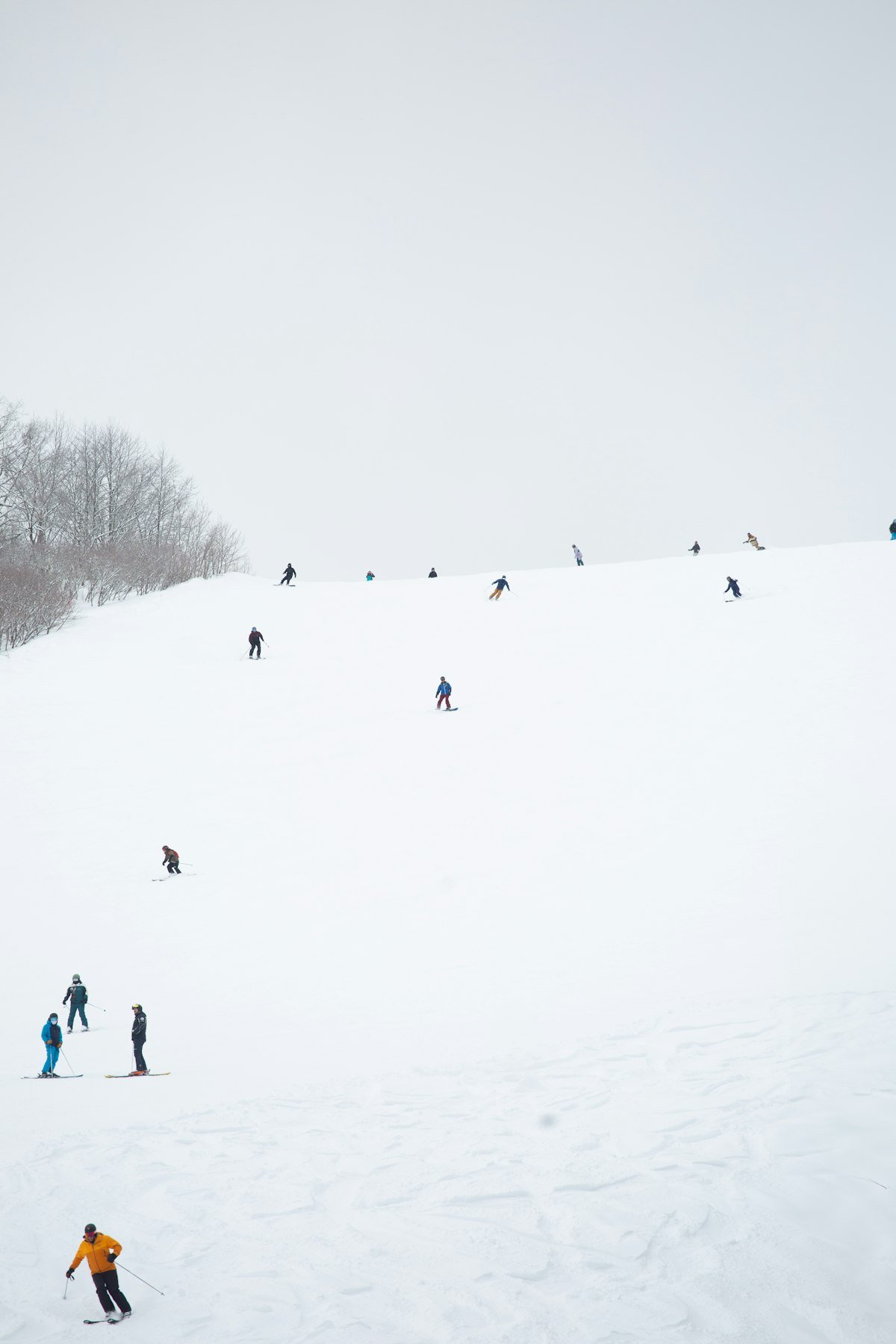
Japan has one of the most compelling cases in skiing. Hokkaido’s Siberian-driven snowfall delivers some of the world’s driest powder, Nagano’s resorts sit within bullet-train range of Tokyo, and nowhere else do you ski down to an onsen at the end of the day. This guide covers the six resorts serious about, what to expect on the slopes, how to get there, and what it costs.
Top Tours at a Glance
Here’s a quick comparison of top-rated Japan ski tours on GetYourGuide:
| Tour | Duration | Price (from) | Highlights |
|---|---|---|---|
| Hakuba: Full-Day Ski or Snowboard at Happo-One Resort | Full day | from ¥42,450 | Happo-One slopes, lift pass, English-speaking guide |
| Hakuba: Private Customisable Full-Day Ski Tour | Full day | from ¥63,750 | Private guide, customisable routes, all levels welcome |
| Niseko All Mountain Pass (Adult, 1 Day) | Full day | from ¥9,500 | Access to Grand Hirafu, Hanazono, Village, Annupuri |
| Niseko Powder Day Guided Ski Tour | Full day | from ¥30,000 | Off-piste powder, small group, certified mountain guide |
| Japan Snow Monkey & Ski Day Trip from Nagano | Full day | from ¥18,000 | Jigokudani monkey park + ski resort, Nagano base |
Browse Japan ski tours and lift passes → GetYourGuide
Why Japan for Skiing?
The combination of geography and weather patterns is hard to replicate. Cold air from Siberia crosses the Sea of Japan, picks up moisture, and dumps enormous volumes of light, dry powder across Hokkaido and the northern Japanese Alps - a phenomenon local operators call “Japow.” Average snowfall at Niseko exceeds 15 metres per season. At Myoko Kogen, it regularly hits 20 metres.
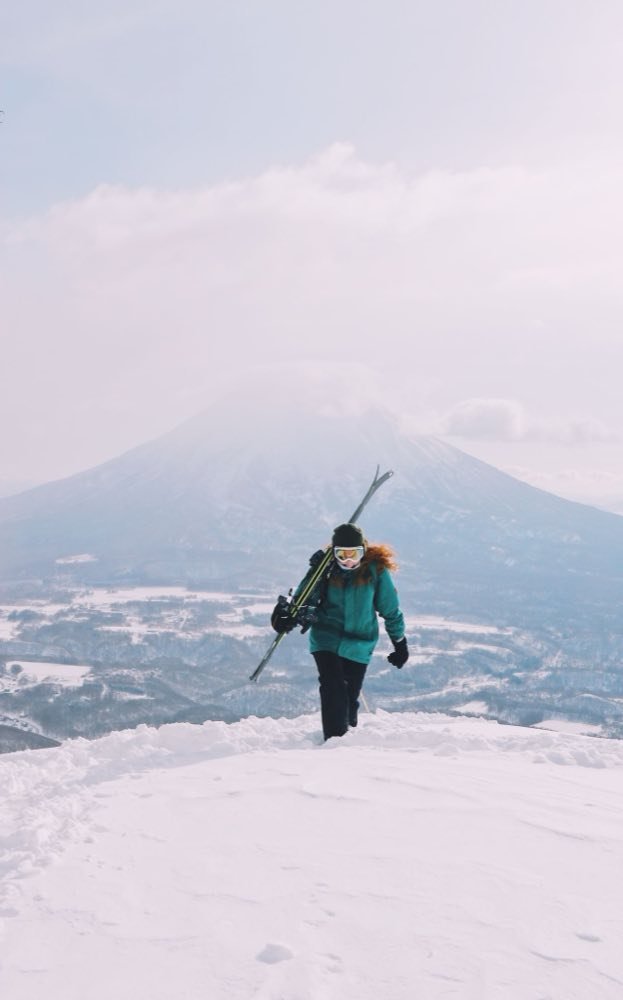 A skier on the slopes near Niseko, with the volcano beyond.
Beyond the snow, Japan skiing gives you genuinely good food on and off the mountain, efficient public transport from major cities, and the après-ski ritual of sliding into a natural hot spring. The combination pulls around 500,000 foreign skiers a season and growing.
Season overview: Most resorts open late November and close late March or early April. Peak powder conditions typically fall in January and February. See our Japan in January and Japan in February guides for full month-by-month conditions.
Niseko (Hokkaido)
Best for: deep powder, international crowd, resort infrastructure
Niseko is Japan’s most internationally recognised ski destination, and for good reason. The resort cluster sits on the slopes of Mt Yotei and receives consistent, light-density snow from November through April. The four interconnected resorts - Grand Hirafu, Hanazono, Niseko Village, and Annupuri - share access under the Niseko All Mountain Pass.
Lift passes (as of 2026): The Niseko All Mountain Pass runs approximately ¥9,500–¥10,500 per day for adults, or from around ¥50,000 for a six-day pass. Half-day and night skiing options are available; the Hirafu gondola runs evenings until 9pm. Prices vary by operator - book at resort counters or online via the Grand Hirafu website for occasional early-booking discounts.
Snow quality: January delivers the driest powder; mid-December and March have slightly heavier snow but thinner crowds. Total vertical drop at Grand Hirafu is 940 metres, with 30 runs spread across three face aspects.
Getting there from Sapporo: The fastest option is the Niseko Express bus from Sapporo Station, approximately 3 hours, from around ¥2,200 each way. Direct bus services also run seasonally from New Chitose Airport (around 2.5 hours). Driving is straightforward in good conditions via the Kiroro IC; car rental at New Chitose starts from approximately ¥8,000 per day with winter tyres included - compare car hire prices for Hokkaido before you travel, as booking in advance is almost always cheaper.
Where to stay: Hirafu village has options at every tier. Budget - Hirafutei Lodge doubles from approximately ¥8,000 per person per night. Mid-range - The Suites Niseko offers studio apartments from around ¥25,000 per night. Luxury - The Green Leaf Niseko Village has slope-facing rooms from approximately ¥50,000 per night including breakfast. Many properties have private onsen access.
Our Hokkaido itinerary and Sapporo guide cover wider regional context if you’re combining the ski trip with city time.
Hakuba (Nagano)
Best for: variety of terrain, easiest access from Tokyo, 1998 Winter Olympics legacy
Hakuba Valley combines 10 ski resorts, each with its own character, spread across a 20-kilometre valley beneath the Shirouma range. Happo-One is the flagship - the Olympic downhill venue, with 8 lifts, 137 hectares, and an 1,071-metre vertical drop. For intermediates, Cortina is consistently rated for snow depth. For beginners, Iwatake has long, gentle runs and strong English-language instruction.
Lift passes (as of 2026): Happo-One day passes from approximately ¥5,500–¥6,500 for adults. The Hakuba Valley Ticket covering all 10 resorts runs from approximately ¥6,500–¥7,500 per day. Multi-day passes offer better value - a 5-day Hakuba Valley Ticket is approximately ¥27,000.
Snow quality: Hakuba gets impressive snowfall for the Japanese Alps - annual totals of 10–12 metres at Happo-One are normal. The north-facing bowls above Happo-One hold powder well after storms. Off-piste tree skiing is excellent, best accessed with a guide.
Getting there from Tokyo: Shinkansen from Tokyo to Nagano takes 80 minutes (from approximately ¥8,000 one-way on the Hokuriku line). From Nagano Station, resort buses to Hakuba take 60–70 minutes, approximately ¥1,400. The whole journey door-to-slope is under 3 hours. Direct Highway Express buses from Shinjuku also run in ski season - approximately ¥3,000–¥4,500 one-way, journey time around 5 hours.
Where to stay: Hakuba has grown its accommodation base considerably since the 2019 international boom. Budget - Hakuba Powder Hotel from approximately ¥6,000 per person. Mid-range - The Fenix Hakuba, a Japanese-style mountain lodge, from around ¥18,000 per night with dinner. Luxury - The Happo Lodge has large suites from approximately ¥45,000 per night. If you want the ryokan experience alongside skiing, see our ryokan guide - several traditional inns operate in the valley.
Our Nagano city guide covers what to do if you want a rest day from the slopes.
Nozawa Onsen (Nagano)
Best for: authentic Japanese village feel, onsen town, intermediate terrain
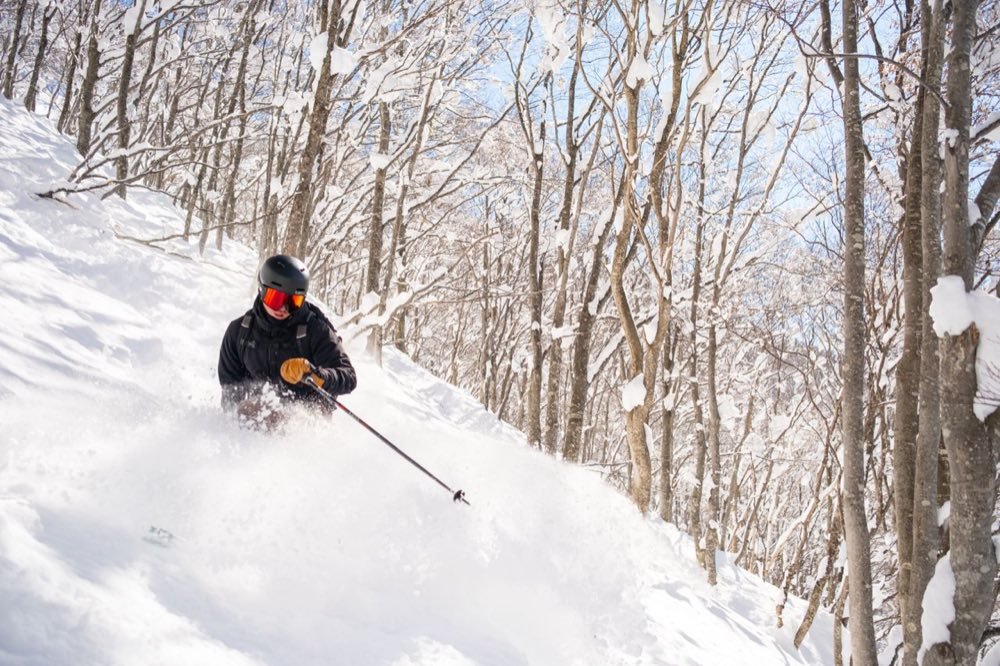 Tree skiing in deep powder, the signature Japanese experience.
Nozawa Onsen is the template for the Japan ski town that tourists wish every resort could be. The village is genuinely old - a well-preserved Edo-era hot spring settlement at the base of the mountain - and the skiing grew up around it rather than the reverse. Public onsen (soto-yu) are free to use; the most famous, Ogama, is a 60°C cauldron that locals use year-round.
Lift passes (as of 2026): Full-day adult pass from approximately ¥5,000. A 5-day pass is approximately ¥19,000. The resort has 36 runs across 65 hectares; the top lift station sits at 1,650 metres.
Snow quality: Nozawa gets excellent snowfall - up to 10 metres per season - with more consistent coverage than many Nagano resorts due to its north-east aspect. January and early February are peak powder weeks.
Getting there from Tokyo: Shinkansen to Iiyama Station (approximately ¥8,000, 90 minutes), then a shuttle bus to the village (30 minutes, approximately ¥600). Total journey time around 2.5 hours. From Osaka, Shinkansen to Nagano (approximately ¥14,000, 2.5 hours) then connecting bus.
Where to stay: The village is compact and most accommodation is a short walk from lifts. Mid-range - Nozawa Onsen Village Lodge from approximately ¥12,000 per person with dinner. Many guesthouses include access to the in-house onsen baths.
Myoko Kogen (Niigata)
Best for: deepest snowfall in Japan, tree skiing, fewer foreign tourists
Myoko Kogen sits in Niigata Prefecture, on the Sea of Japan side of the Echigo-Sanmyaku range - the exact position that intercepts the heaviest snowfall. Annual totals regularly exceed 20 metres, placing it among the highest snowfall mountains in the northern hemisphere outside Alaska. It’s less internationalised than Niseko or Hakuba, which makes it genuinely quieter mid-week.
Lift passes (as of 2026): Myoko Snowpark day pass from approximately ¥4,500. Akakura Onsen resort, the largest in the cluster, runs from approximately ¥5,000 per day. A combined area pass (Myoko Snowpark + Akakura + Ikenotaira + Suginohara) is available from local tour desks from approximately ¥6,000 per day.
Getting there from Tokyo: Shinkansen from Tokyo to Joetsumyoko Station (approximately ¥8,500, 90 minutes on the Hokuriku line), then local bus to the resorts (30–40 minutes, approximately ¥500). Total journey time around 2.5 hours.
Where to stay: Myoko Kogen Town has a growing range of small pensions and lodges, many operated by ski families. Pension Akarengaya from approximately ¥8,000 per person with breakfast. For a mountain lodge with onsen, Myoko Kanko Hotel runs from approximately ¥18,000 per person with dinner and bath.
Shiga Kogen (Nagano)
Best for: Japan’s largest ski area, all abilities, families
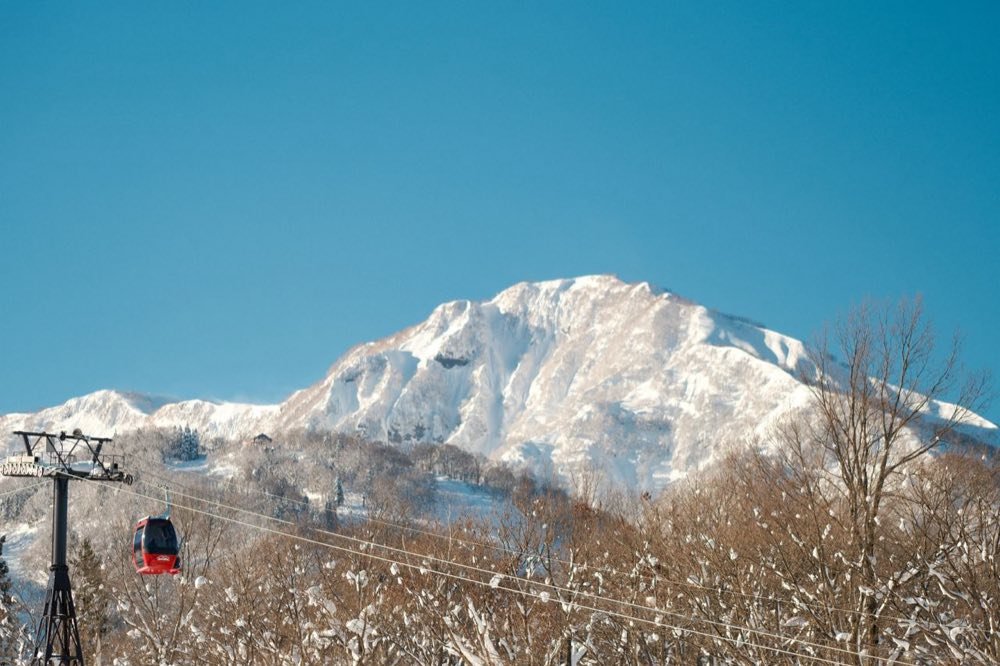 A gondola rising toward a snow-covered peak in the Japanese Alps.
Shiga Kogen is technically 21 interconnected resorts spread across a high-altitude plateau in the Joshinetsu Kogen National Park. It holds the record for Japan’s largest skiable area: 80 lifts, approximately 80 runs, total terrain spanning 600 hectares. The 1998 Nagano Winter Olympics biathlon and cross-country events were held here.
Lift passes (as of 2026): The Shiga Kogen All Area Pass runs from approximately ¥6,500–¥7,500 per day for adults, or from around ¥30,000 for a five-day pass. The top elevation reaches 2,307 metres, making this the highest skiing in the Japanese Alps.
Getting there: From Nagano Station, direct resort buses to Shiga Kogen take 70–80 minutes, approximately ¥1,500. From Tokyo, Shinkansen to Nagano (80 minutes), then bus - total journey around 3 hours.
Where to stay: The plateau has over 50 accommodation options, from basic guesthouses to large resort hotels. Prince Hotels Shiga Kogen runs a large complex from approximately ¥25,000 per room. Smaller pensions in Higashitateyama start from approximately ¥8,000 per person with meals.
Furano (Hokkaido)
Best for: quieter Hokkaido alternative to Niseko, good snow quality, family-friendly
Furano sits in the centre of Hokkaido, two hours by train from Sapporo, and is better known internationally for its summer lavender fields than its skiing. That relative obscurity is the appeal - the mountain gets around 8 metres of snow per season, has well-groomed intermediate terrain, and is noticeably less crowded and less expensive than Niseko.
Lift passes (as of 2026): Furano Ski Area adult day pass from approximately ¥5,500. The resort has two connected zones - Furano Zone and Kitanomine Zone - accessible on the same ticket.
Getting there from Sapporo: JR Furano Line from Sapporo to Furano via Takikawa, approximately 2 hours, from ¥2,640. A direct ski resort bus also runs from Sapporo in season. See our Hokkaido itinerary for combining Furano with wider Hokkaido.
Where to stay: New Furano Prince Hotel is the main resort hotel, with rooms from approximately ¥20,000 per night and direct slope access. Smaller lodges in Furano town run from approximately ¥7,000 per person.
Après-Ski: Onsen Culture
Finishing a ski day in a natural hot spring is the defining experience of Japanese winter travel, and the one thing no European resort can replicate. Most mountain areas have access to geothermal water - Nozawa Onsen’s free public baths, Hakuba’s ryokan rotenburo (outdoor baths), and the private onsen at Niseko hotels are the obvious highlights.
Etiquette: wash and rinse before entering the bath. Tattoos are prohibited at most public onsen. Towels don’t go in the water. See our Japan onsen guide for the full protocol and top recommendations across the country.
For accommodation that combines traditional design with mountain access, our ryokan guide covers what to look for and price expectations.
Practical Ski Essentials
Equipment rental: All major resorts have well-stocked rental shops. Expect approximately ¥5,000–¥7,000 per day for a full ski set (skis, boots, poles), or ¥4,000–¥6,000 for snowboard and boots. Book ahead for peak weeks in January - demand can exceed supply at Niseko and Hakuba.
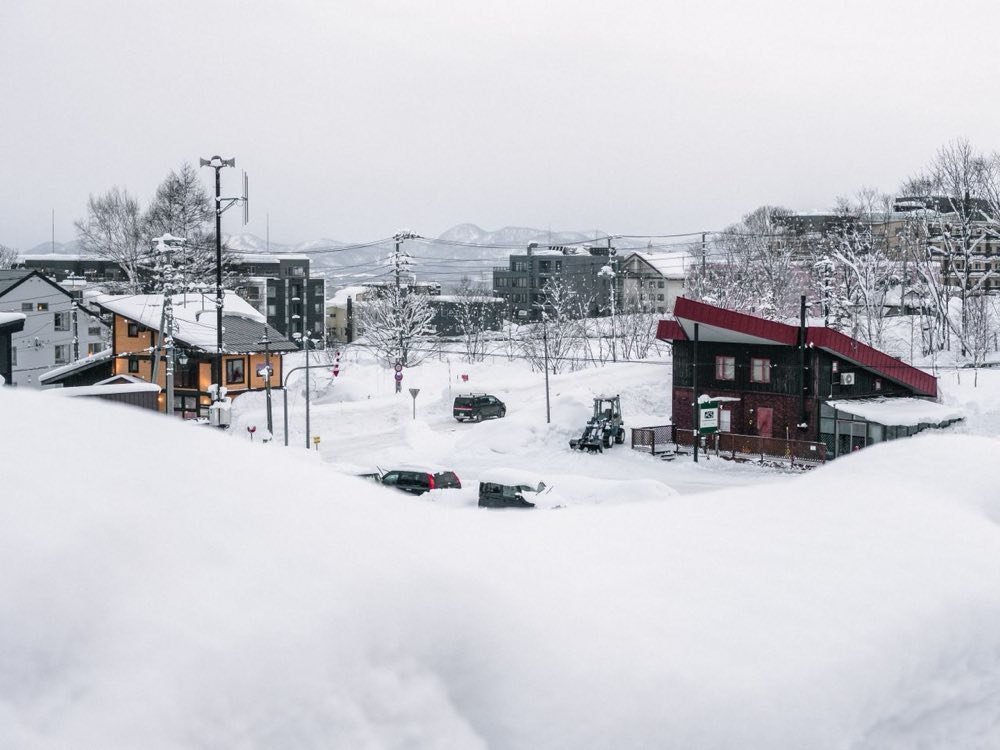 A snowed-in village below the Hokkaido ski mountains.
Ski lessons: English-language instruction is available at all six resorts covered here. Group lessons typically run ¥5,000–¥8,000 for a half day; private instruction from ¥15,000–¥25,000 per hour. The Niseko Alpine School and Hakuba Ski Club are well-regarded providers. You can also book guided ski tours and powder days through GetYourGuide’s Nagano listings.
Travel insurance: Winter sports cover is not included in most standard travel policies. Check that your policy explicitly covers skiing and snowboarding (and off-piste, if relevant). Our Japan travel insurance guide covers what to look for - or compare policies directly via VisitorsCoverage, which includes winter sports as an add-on.
Getting around between resorts: Japan Rail Pass holders can reach most ski areas with no extra cost on the Shinkansen legs. Local resort buses require separate payment. If you haven’t bought your pass yet, buy the Japan Rail Pass via Klook before you leave home - it can only be purchased outside Japan. See our Japan Rail Pass guide and getting around Japan guide for transport logistics.
Best timing: January delivers the most consistent powder, but also the highest prices and fullest resorts. Early February is nearly as good with slightly thinner crowds. December has early-season charm and lower prices; March offers spring conditions and significant discounts. See Japan in December for pre-Christmas trip planning.
Mobile data: Signal varies at resorts - base villages have good coverage, remote lifts and backcountry less so. A Japan eSIM covers the Shinkansen journey and resort towns; download offline maps before heading onto the mountain.
Snow Monkeys: A Side Trip Worth Making
Jigokudani Monkey Park, outside Nagano, is on every itinerary for good reason - it’s the only place in the world where Japanese macaques bathe in natural hot springs. It’s 40 minutes by bus from Nagano Station and easily combined with a Hakuba or Shiga Kogen ski trip. Our snow monkeys guide has the access details and what to expect.
Choosing Your Resort
| Resort | Best for | Season | Access from Tokyo |
|---|---|---|---|
| Niseko | Deep powder, resort facilities | Dec–Apr | 10 hrs (fly to Sapporo) |
| Hakuba | Variety, Olympic terrain | Dec–Mar | ~3 hrs (Shinkansen) |
| Nozawa Onsen | Authentic village, onsen | Dec–Mar | ~2.5 hrs |
| Myoko Kogen | Extreme snowfall, tree skiing | Dec–Apr | ~2.5 hrs |
| Shiga Kogen | Largest area, families | Dec–Mar | ~3 hrs |
| Furano | Quieter Hokkaido alternative | Dec–Mar | 2 hrs from Sapporo |
For broader Japan travel planning in winter, our best time to visit Japan guide covers all seasons.