Hakuba Travel Guide: Nagano's Alpine Ski Valley
Complete guide to Hakuba - Happo-One, Goryu, Hakuba47, Cortina, where to stay, best restaurants, onsen, and summer hiking in the Japanese Alps.
Guides for Hakuba
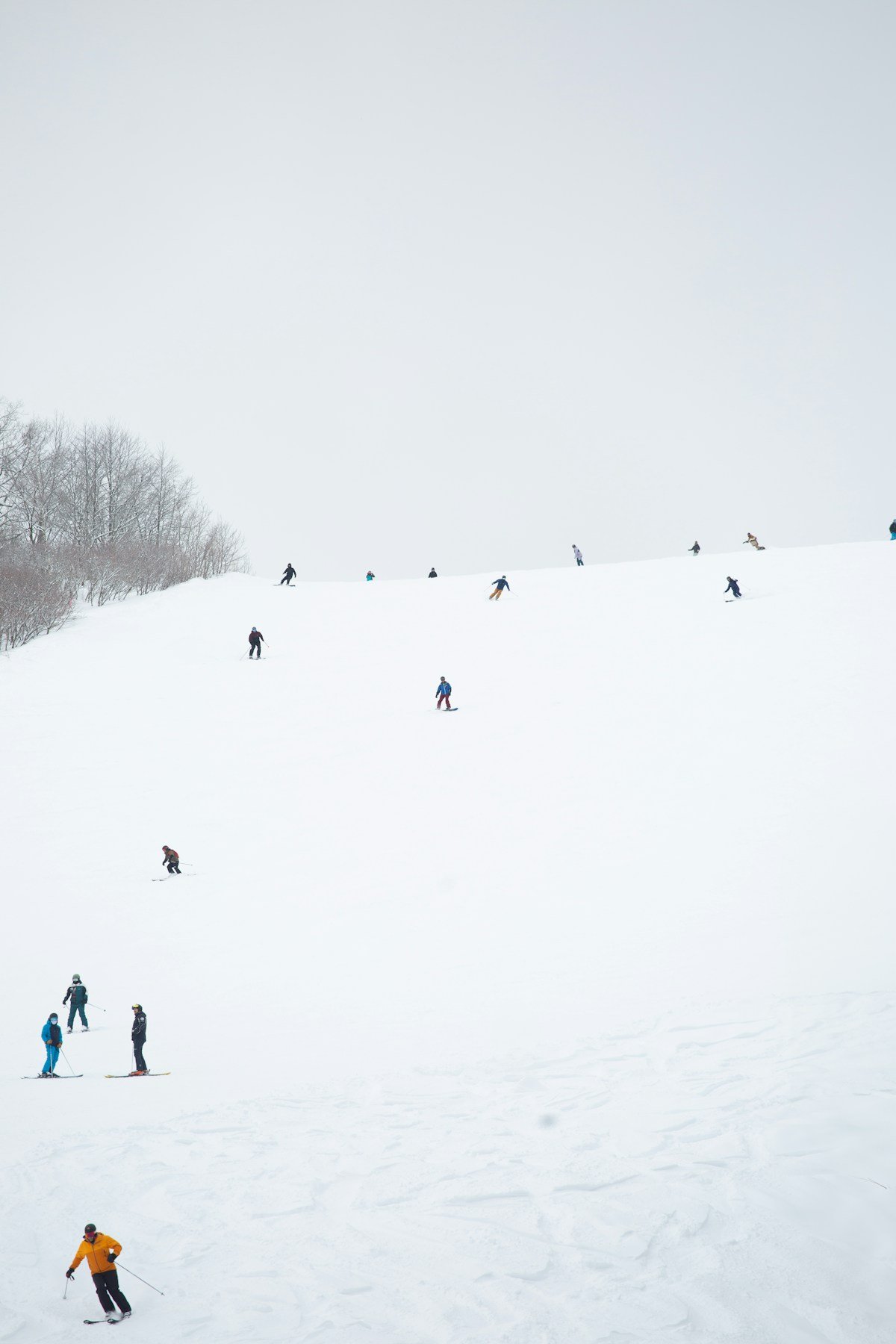
Hakuba is a ski resort valley in the Nagano Alps, 70 kilometres northwest of Nagano city, best known internationally as the site of the 1998 Winter Olympics alpine events. The valley contains ten ski resorts within 20 kilometres of each other, collectively operated under the Hakuba Valley brand, with a total of approximately 200 runs and 143 lifts. Combined, these resorts represent Japan’s largest ski destination by skiable area.
The valley sits at the foot of the Shiro-uma mountain range, whose peaks reach above 2,900 metres - substantially higher than Niseko’s Mount Yotei (1,898 metres) - giving Hakuba a wider elevation range, longer runs, and more pronounced altitude differences between base and summit. The 1998 Games put Hakuba’s infrastructure on international standards: lift systems were modernised, the resort village was developed, and English signage became universal. That Olympic legacy shapes the Hakuba experience to this day.
The Resorts
Happo-One is the dominant resort and the reason most visitors come to Hakuba. The ski area covers 420 hectares with 13 lifts and 50 runs across a vertical drop of 1,071 metres - the longest in Japan. The famous Usagi (Rabbit) course, used in the 1998 Olympics, is a demanding black run that drops 700 vertical metres in 3.5 kilometres. The Panorama run at the summit (1,831 metres) crosses open alpine terrain above the treeline with views of the entire Hakuba Valley below. A beginner’s course near the base - the Skyline run - is wide, long, and gentle, well-suited to first-time skiers. The Happo-one gondola runs year-round.
Goryu and Hakuba47 share a connected lift system and a single combined lift pass (approximately ¥5,800 per day as of 2026). The pair covers 550 hectares - technically more than Happo-One - across relatively gentle terrain that suits intermediate skiers who want variety without Happo-One’s steeper pitches. The Ice Café restaurant at the top of the Goryu gondola is one of the most photographed mountain cafés in Japan: a glass-walled room at 1,676 metres directly overlooking the ridge.
Hakuba Cortina is 15 kilometres north of the main village, accessible by shuttle bus. It receives some of the heaviest snowfall in the Hakuba Valley due to its position relative to prevailing wind patterns and offers exceptional tree skiing in fresh powder conditions. The resort is small (10 runs, 6 lifts) but well-regarded by powder hunters. The adjacent Tsugaike Kogen resort is primarily a family venue with long, uncrowded runs and good beginner slopes.
Iwatake Snow Field sits above Hakuba village on the Omi-zan massif and is notable for its panoramic ridge skiing above the treeline with a direct view of the entire Hakuba Valley. Smaller than the major resorts (9 runs, 6 lifts), it is best visited mid-week to avoid weekend crowds from Nagano city.
The Hakuba Valley All Mountain Pass
The all-valley pass covers Happo-One, Goryu, Hakuba47, Cortina, Tsugaike, Iwatake, and Hakuba Sanosaka. As of 2026, day passes cost approximately ¥6,800–¥8,000 (adult, varies by resort). The full valley pass unlocks shuttle bus access between resorts and makes sense for visitors staying more than three days. Single-resort passes are available at around ¥5,500–¥6,500 per day. Night skiing at Happo-One (until 9:00pm on selected nights) costs ¥2,500 for a night session.
Where to Stay
See our full Hakuba accommodation guide for hotel and ryokan recommendations across all budgets, from guesthouse pensions in Echoland to ski-in/ski-out luxury at the Sheraton Grande Hakuba. Our Hakuba ski resort guide covers lift passes, best runs and transport from Tokyo.
Where to Eat
On the mountain: The Ice Café at the top of the Goryu gondola (¥1,800–¥3,000 for hot dishes and drinks) is the most atmospheric option on the mountain and books up at weekends. Happo-One’s Third Cafeteria at the mid-mountain station is the most convenient, serving ramen (¥950), curry rice (¥900), and udon (¥850). The Hakuba Station Café at the base of the Happo-One gondola is good for pre-slope breakfasts.
Village dining: The Hakuba village strip has expanded significantly in the past decade. Zekkei (Japanese tasting menu, ¥8,000–¥15,000) is the best restaurant in the valley for local Nagano ingredients - Shinshu soba, Nagano beef, mountain vegetables. Wadano Kitchen offers casual izakaya food (¥2,500–¥4,000 per head) with local sake from Nagano breweries. Peter’s Bar & Grill and Noz Music Bar anchor the après-ski scene, the latter being the liveliest bar in Hakuba. For ramen, Ramen Daiki on the main Echoland road does a reliable Nagano-style soy broth from ¥850.
Onsen
Mimizuku no Yu in Hakuba village is the most accessible public bath - entry ¥500, indoor and outdoor baths, open until 10:00pm. Tenchi no Yu (part of Hakuba Mominoki Hotel, open to non-guests, ¥1,000) has a larger complex with multiple pools and mountain views from the outdoor bath. For a full ryokan onsen experience, Mimizuku Onsen and Nakafurano Hotel in the valley offer half-day onsen packages from ¥1,500.
The best onsen day trip from Hakuba is Shirahone Onsen, approximately 90 minutes east by car - a small, traditional hot spring town in the mountains whose milky-white water (bicarbonate type) has been famous for 3,000 years. Admission to the public bath at Yarimikan or Tsuruya costs ¥800. Shirahone makes sense as a full day out rather than a quick stop.
Summer in Hakuba
Hakuba’s summer season runs from late June to late October and is growing rapidly. The valley sits beneath some of the most accessible high-altitude terrain in the Japanese Alps.
Hiking: The Shirouma-dake ridge (2,932 metres) is the signature summer objective - a two-day route using the Sarukura Valley trailhead, with a hut stay on the ridge. The route crosses the Daisekkei (Great Snow Valley), a permanent snowfield that holds snow year-round. No technical equipment needed in summer, but the hike is long and exposed: allow 7–9 hours from trailhead to summit. Day hikes from the Happo-One Gondola summit station (July–October, ¥2,200 return) require no acclimatisation and offer alpine meadow walking with views of Shirouma and the Northern Alps.
Mountain biking: The Hakuba Mountain Harbor bike park (Iwatake) offers gondola-assisted gravity trails graded green to black. Trail day passes approximately ¥5,000 including gondola. Hakuba Sports Centre rents full-suspension bikes from ¥8,000 per day.
The Hakuba Mountain Harbor - a rooftop deck and café at the top of the Iwatake gondola - has become the most-photographed summer viewpoint in the valley: panoramic views of the Hakuba Valley and the Alps, with an arc of jacaranda-blue chairs arranged against the mountain backdrop.
Getting to Hakuba
From Tokyo: Hokuriku Shinkansen from Tokyo Station to Hakuba or Nagano (1h40m to Nagano, ¥8,400), then Alpico Bus from Nagano to Hakuba village (approximately 55 minutes, ¥2,500). The shinkansen runs every 30–60 minutes. Total journey approximately 2h30m–3h.
Direct ski bus (winter): Alpico direct buses from Shinjuku (BT) and Tokyo Station to Hakuba - approximately 4h30m, ¥4,500–¥5,500. Night buses depart around 11:00pm and arrive in Hakuba early morning. The most cost-effective option for a weekend trip.
From Nagano by local train: Oito Line from Nagano to Minami-Otari or Hakuba station (approximately 1h30m, ¥1,170) - scenic but slower than the bus.
Getting Around the Valley
The Hakuba Valley Shuttle Bus connects the major resort bases and the village centre throughout the ski day. A day pass (¥500) is worthwhile for those without a car. Between January and March, free shuttle buses run between several resort bases and the village at peak hours. Car hire in Japan from Nagano (from ¥6,000 per day) allows flexible resort-hopping but requires snow driving experience.
Skiing in Japan More Broadly
Hakuba sits in the heart of the Nagano alps and is the best base for exploring the wider cluster of Nagano ski resorts. Our skiing in Japan guide covers the full national picture including Niseko, Nozawa Onsen, and Myoko. Planning your runs? See the Hakuba ski resort guide and the Niseko ski resort guide. Comparing Hakuba directly against Niseko? Our Niseko vs Hakuba comparison covers terrain, snow quality, access from Tokyo, and price tier.
Planning your Hakuba trip? Tours and ski experiences in Hakuba connect you with local ski schools and guided backcountry routes. Sort out travel insurance for Japan before booking - mountain rescue and ski injury cover is essential in the Japanese Alps. Get mobile data from day one with an Airalo eSIM for Japan.
Search hotels in Hakuba on Booking.com
Official sources worth checking before you go: Japan National Tourism Organization, Ministry of the Environment national parks pages.
See also: Skiing in Japan · Niseko vs Hakuba · Niseko travel guide · Nagano travel guide · Japan in February · Japan in January
Upcoming Events in Hakuba
Hatsumode - New Year Shrine Visits
Hatsumode 2027, 1–3 January. Japan's most important annual tradition - millions visit shrines and temples in the first three days of the new year.
Frequently Asked Questions
- How do I get from Tokyo to Hakuba?
- The fastest route from Tokyo to Hakuba is the Hokuriku Shinkansen from Tokyo or Omiya to Hakuba or Nagano (approximately 1h40m to Nagano, ¥8,400), then a bus or shuttle to Hakuba village (50 minutes, ¥2,500). Total journey time is approximately 2h30m to 3 hours. Direct ski buses run from Shinjuku to Hakuba (approximately 4 hours, ¥4,500–¥5,500) and are the easiest single-transfer option. Car hire from Tokyo is possible but adds time and requires confidence on mountain roads.
- What is the difference between Happo-One, Goryu, and Hakuba47?
- Happo-One is the main resort - largest ski area, best variety of terrain, site of the 1998 Winter Olympics downhill course, most infrastructure. Goryu and Hakuba47 are connected to each other and share a lift pass; combined they are a solid intermediate and advanced resort with lower crowds than Happo-One. Cortina, Tsugaike, and Iwatake are separate resorts within driving distance and are included in the Hakuba Valley All Mountain pass.
- When does the Hakuba ski season run?
- The main Hakuba season runs from early December to early May at Happo-One, slightly shorter at smaller resorts. January and February deliver the most consistent powder snowfall - Hakuba averages 8–11 metres per season. March is a popular month: the snow is still good at altitude, temperatures are improving, and crowds thin compared to February. The spring corn snow period in April is excellent for relaxed cruising on firm, fast pistes.
- Is Hakuba good for non-skiers?
- Yes. Snowshoeing, snowmobile tours, and onsen are all well-developed non-ski activities. The village has good food and an established apres-ski scene. In summer, Hakuba converts to a serious hiking and mountain biking destination - the Japanese Alps peaks (including Shirouma-dake at 2,932m) are accessible to experienced hikers. The Happo-one gondola runs in summer for non-hikers who want alpine views without the climb.
- How does Hakuba compare to Niseko for skiing?
- Hakuba has more varied terrain - more vertical drop, steeper runs, and better options for advanced skiers - but slightly less extreme snowfall than Niseko (8-11m vs 15m per season). Hakuba is closer to Tokyo (2.5-3 hours by shinkansen+bus vs 4 hours flight+transfer to Niseko). Niseko is more international-facing with an established luxury hotel scene; Hakuba is more authentically Japanese in its village culture. See our full Niseko vs Hakuba comparison for more detail.
Book an experience
Top experiences in Hakuba
Explore the best tours and activities in Hakuba, with instant confirmation and free cancellation on most bookings.