Niseko Travel Guide: Hokkaido's Premier Ski Resort
Complete guide to Niseko - Hirafu, Niseko Village, Annupuri, Hanazono, powder skiing, onsen, and summer hiking on the slopes of Mount Yotei.
Guides for Niseko
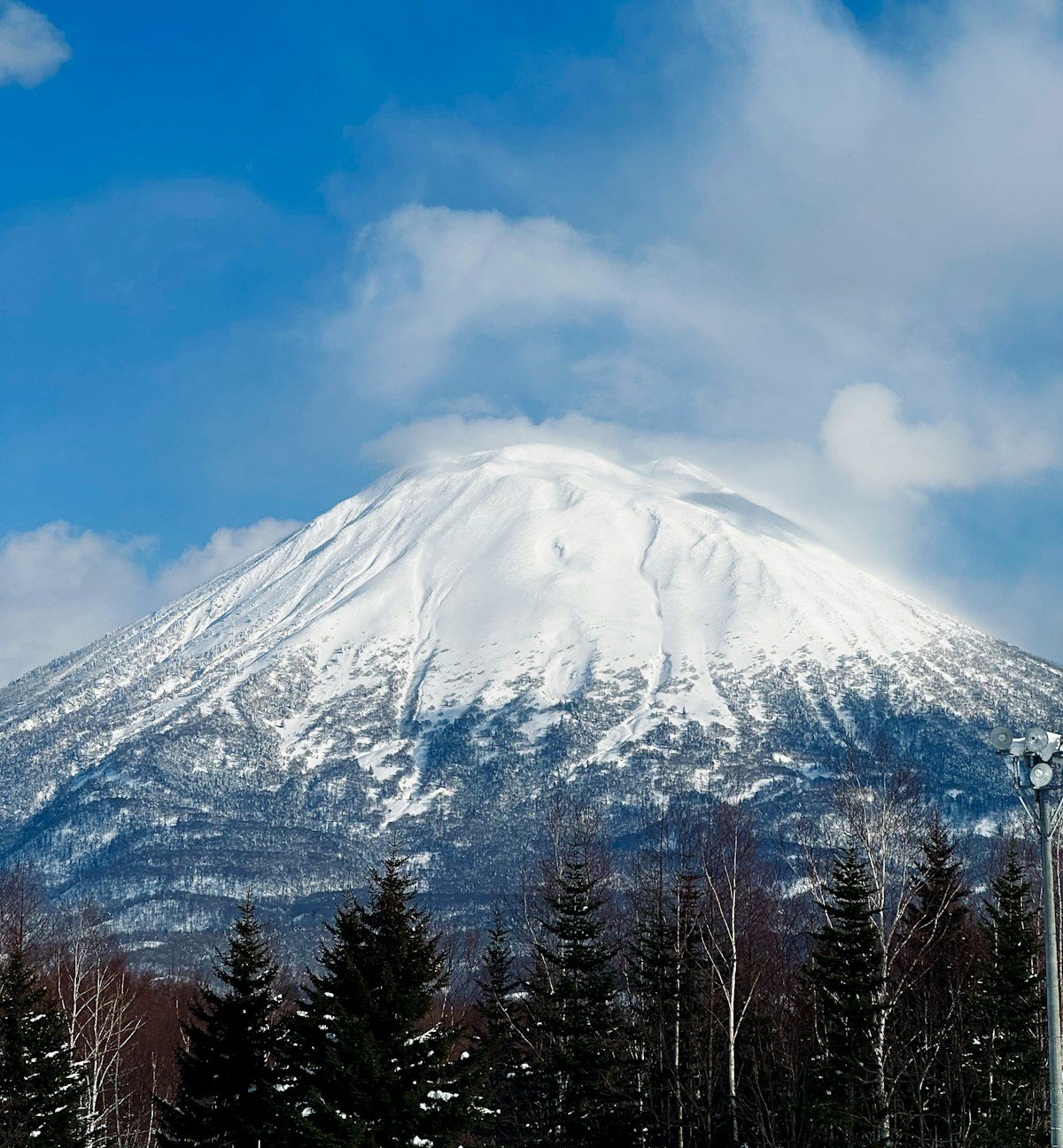
Niseko is a group of four ski resorts on the lower slopes of Mount Yotei in southwestern Hokkaido, Japan’s northernmost main island. Together they form Niseko United - the largest interconnected ski area in Japan - with a combined 888 hectares of skiable terrain served by 60 lifts. The defining characteristic is snowfall: Siberian weather systems deposit an average of 15 metres of light, dry powder per season, making Niseko one of the most snow-reliable resorts in the world and giving rise to the international marketing term “Japow.”
The resort draws approximately 1.5 million skier visits per season, with roughly 40% coming from international visitors - a proportion far higher than any other Japanese ski area. That international orientation shapes everything about Niseko: prices are quoted in multiple currencies, most staff speak functional English, and the restaurant and nightlife scene is considerably more cosmopolitan than any other skiing destination in Japan.
The Four Resorts
Grand Hirafu is the dominant resort by size and activity. The main village - centred on a strip of restaurants, bars, convenience stores, and hire shops along Hirafu Main Street - operates around the clock during ski season. The ski area covers 476 hectares with 30 runs, the longest of which (Ace Family course) runs over 4 kilometres. The Hirafu gondola base is a 10-minute walk uphill from the village centre. Hirafu has the most nightlife of any Japanese ski resort, with après-ski bars opening at 3:00pm and clubs continuing until 4:00am.
Niseko Village surrounds the Park Hyatt Niseko Hanazono and offers a quieter, more contained resort experience. The ski area (286 hectares, 27 runs) connects to Grand Hirafu at the top of the mountain. The village centre is purpose-built, comfortable, and primarily aimed at visitors staying in its hotels rather than passing trade.
Annupuri is the westernmost and least developed of the four resorts. Lift tickets are often cheaper than the other areas, the queues are shorter, and the terrain - predominantly wide, gentle-to-intermediate runs - suits families and beginners particularly well. Annupuri operates its own village with a smaller selection of accommodation and restaurants. From the summit (1,024 metres), a backcountry gate opens to ungroomed powder fields for experienced off-piste skiers.
Hanazono is operated by Club Med and sits between Grand Hirafu and Annupuri. Its terrain - particularly the Hanazono tree runs - is considered the best in Niseko for off-piste and forest skiing. Single-day access is possible without a Club Med package (approximately ¥6,500 per day as of 2026), and the Hanazono express quad is one of the least crowded access lifts on the mountain.
Lift Passes
The Niseko United All Mountain Pass covers all four resorts and is the default choice for most visitors. Prices as of the 2025–26 season: approximately ¥7,000 per day (adult, low season), rising to ¥8,500 per day at peak periods (New Year, Golden Week in January). Weekly passes offer a discount over daily rates. Single-resort passes are available at roughly ¥5,500–¥6,500 per day and make sense only if you intend to spend the entire trip on one mountain.
Night skiing is available at Grand Hirafu and Hanazono on selected lifts until 8:30pm. A night-only pass costs approximately ¥3,000.
Where to Stay
See our full Niseko accommodation guide for hotel, condominium, and luxury ryokan recommendations across Hirafu, Annupuri, and Hanazono. For lift passes, best runs and lesson options, read our Niseko ski resort guide, or see Furano for a quieter Hokkaido alternative.
Where to Eat
On the mountain: Hirafu has the densest concentration of mountain restaurants in Japan. Ki Niseko’s Japanese kitchen dishes (¥1,500–¥2,500 per bowl) at the Hirafu base are the most accessible. The Bistro at Hanazono (¥2,000–¥3,500 mains) has a wraparound mountain view. On-piste, the green hut cafeteria at the Annupuri top serves warming noodle dishes from ¥900.
Village dining: Kamimura (Niseko Higashiyama, ¥20,000+ per person tasting menu) is the headline restaurant - one of Hokkaido’s finest and particularly strong on local produce. Kasho Niseko serves kaiseki-influenced dinners at ¥12,000–¥15,000 per person. For mid-range, Takumi No Yado’s dining room and Shiki Niseko both offer well-executed Japanese food at ¥2,500–¥4,500 per head. For a quick and affordable meal, the ramen shops on the lower Hirafu strip - Ramen Tozansha and Noodle Hachi - serve bowls from ¥850. Niseko has a strong Western dining scene by Japanese standards: pizza at Barn or Wild Bill’s, European-style bistro food at Bang Bang, Tex-Mex at Gyu+.
Onsen
Niseko’s onsen culture is one of its major draws. The Yukoro bathhouse in Hirafu charges ¥1,200 for a 60-minute session and is the most convenient for visitors staying in the village. The Niseko Grand Hotel Onsen (¥1,000, open to non-guests) has both indoor and outdoor baths. Ikoino Yuyado Iroha in Niseko Town (15 minutes by car) offers a quieter, more authentic ryokan onsen experience at ¥700 for a public bath.
The Goshiki Onsen near Annupuri’s summit is one of the most photogenic: a high-altitude outdoor bath open in summer with a direct view of Mount Yotei. In winter, access is by ski or snowmobile. The water is a milky-green colour from dissolved minerals - chloride-sulphate type - that stains the surrounding rocks.
Summer at Niseko
Niseko’s ski reputation overshadows its summer season, which runs from June to October. With the snow gone, the mountain transforms into hiking and mountain biking terrain. The Annupuri Summer Gondola (¥1,500 return, July–September) opens for summit access; the 3-kilometre ridge walk between Annupuri peak (1,024m) and Moiwa peak (978m) is the best half-day hike in the area. Mountain bike rentals are available from Rhythm Japan (from ¥5,500 per day) with direct trail access from the gondola base.
Rafting on the Shiribetsu River - the clearest glacial river in Hokkaido - is the most popular summer activity booking: half-day trips from ¥8,000 per person, run by operators including Niseko Adventure Centre and Outdoor Recreation Club.
Mount Yotei (1,898 metres, nicknamed “Ezo Fuji” for its symmetrical profile) is a full-day volcano climb for summer visitors. The standard Hirafu trailhead route (8–10 hours return, no technical equipment needed) passes through birch and spruce forest to the rim of the caldera. The view from the summit across to the Niseko range and Hokkaido farmland is exceptional on clear days.
Getting to Niseko
From New Chitose Airport (Sapporo): The Hokkaido Resort Liner express bus runs from New Chitose Airport directly to Hirafu - approximately 2h30m, ¥2,500–¥3,500. Multiple daily departures during ski season. The most convenient option for most visitors. Car hire in Japan from the airport (from ¥6,000 per day) gives freedom to visit multiple resorts and day-trip to Otaru or Hakodate but requires confidence on snowy Hokkaido roads.
From Sapporo: Coaches from Sapporo Station take approximately 2 hours to Hirafu (¥2,000). JR to Kutchan Station (Niseko Line via Otaru), approximately 2h30m from Sapporo, ¥1,990, followed by a 10-minute taxi (¥2,500) or local bus.
Skiing in Japan More Broadly
Niseko is Japan’s international-facing resort, but it is not the only compelling option. See our skiing in Japan guide for a comparison of all the major resorts - Hakuba, Nozawa Onsen, Furano, Myoko, and Shiga Kogen alongside Niseko. Hokkaido’s other big name is covered in our Furano ski resort guide. Deciding between the two major ski destinations? Our Niseko vs Hakuba comparison covers terrain, access, snow quality, and price.
Planning your Niseko trip? Tours and ski experiences in Niseko connect you with local instructors and guided backcountry days. Sort out travel insurance for Japan before you book - mountain rescue and ski injury cover is essential. Get connected immediately with an Airalo eSIM for Japan.
Search hotels in Niseko on Booking.com
Official sources worth checking before you go: Japan National Tourism Organization, Ministry of the Environment national parks pages.
See also: Skiing in Japan · Niseko vs Hakuba · Hakuba travel guide · Sapporo travel guide · Japan in February · Hokkaido region guide
Upcoming Events in Niseko
Hatsumode - New Year Shrine Visits
Hatsumode 2027, 1–3 January. Japan's most important annual tradition - millions visit shrines and temples in the first three days of the new year.
Frequently Asked Questions
- When is the best time to ski in Niseko?
- Peak powder season runs from late December through early March, with January and February delivering the most consistent snowfall - Niseko averages over 15 metres per season. The busiest period is the Japanese New Year week (late December to early January) and Chinese New Year (usually late January or early February). March offers lighter crowds and still-reliable snow. The ski season typically runs from late November to early May.
- How do I get from Tokyo to Niseko?
- Fly Tokyo (Haneda or Narita) to New Chitose Airport in Sapporo - approximately 1h30m, from ¥8,000 one way. From New Chitose, take the Niseko Access bus or hire a transfer to Hirafu village (approximately 2 hours, around ¥5,000). Alternatively, take the JR Hokkaido Limited Express to Kutchan station (2h30m from New Chitose, ¥4,630) then a short taxi or shuttle to your resort. Direct ski shuttle buses run from New Chitose during peak season.
- What is the difference between Grand Hirafu, Niseko Village, Annupuri, and Hanazono?
- All four resorts share a connected lift system under the Niseko United name. Grand Hirafu is the largest - most runs, most nightlife, highest prices. Niseko Village sits around the Park Hyatt and is quieter and more resort-focused. Annupuri is the least crowded and most accessible for beginners. Hanazono, operated by Club Med, has the best tree runs and is the most exclusive. A Niseko United All Mountain pass covers all four.
- Is Niseko good for beginner skiers?
- Yes. Annupuri and Grand Hirafu both have dedicated beginner areas with long, gentle runs. The deep powder - while the defining feature of Niseko - stays light and soft, making falls less intimidating than icy European resorts. Ski and snowboard school is well-established, with instruction in English, Japanese, Mandarin, and other languages. The main challenge is visibility on heavy snow days.
- What does Niseko skiing cost?
- A Niseko United All Mountain pass costs approximately ¥7,000–¥8,500 per day as of 2026 (higher at peak periods). Accommodation ranges from ¥5,000 per night in guest houses to ¥70,000+ at the Park Hyatt or Skye Niseko. Budget ¥1,000–¥2,000 per meal at mid-range restaurants; high-end dining runs ¥10,000–¥30,000 per person. Equipment rental starts at approximately ¥5,000 per day for skis or snowboard.
Book an experience
Top experiences in Niseko
Explore the best tours and activities in Niseko, with instant confirmation and free cancellation on most bookings.