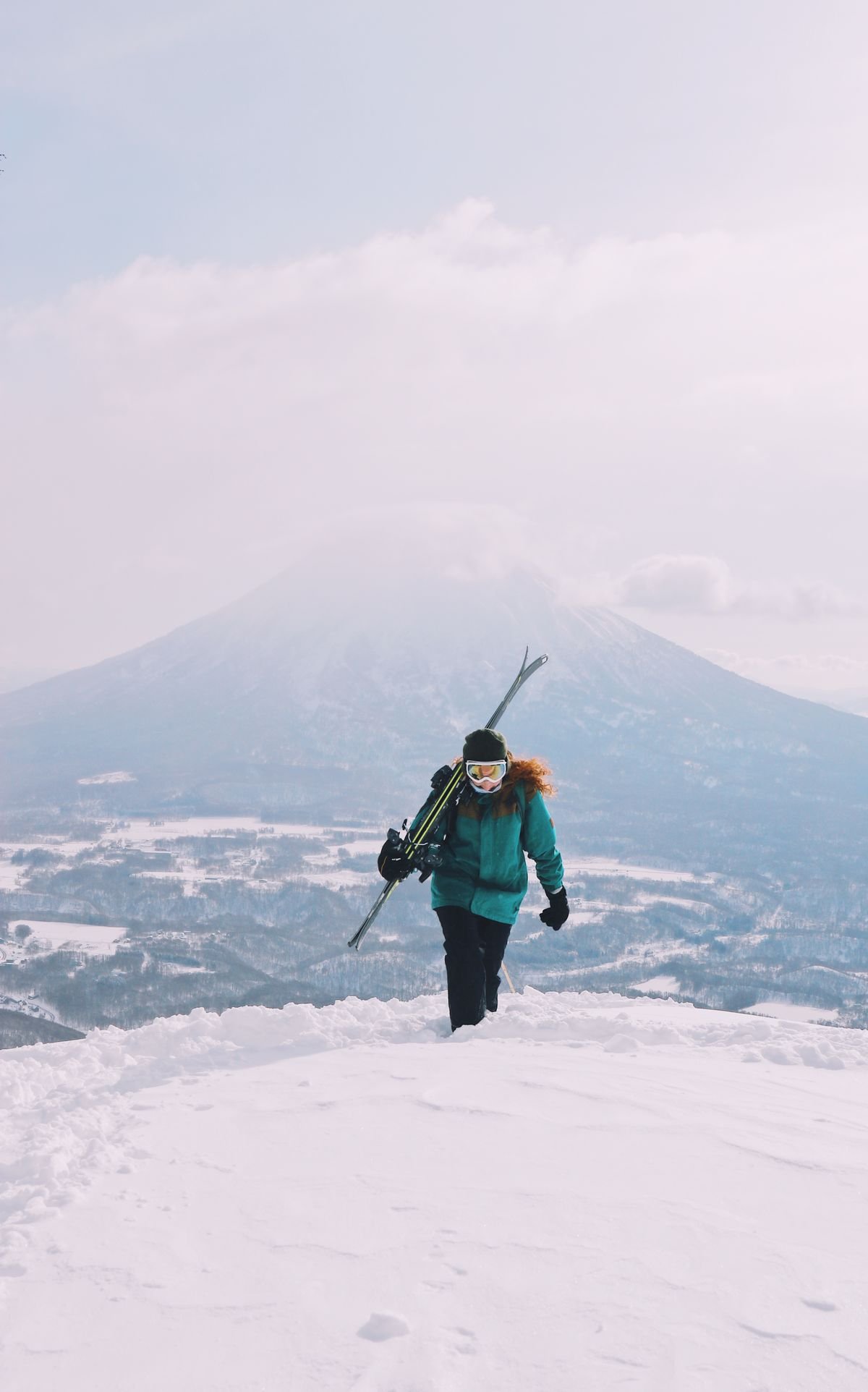
Niseko sits in southwest Hokkaido, roughly 80km southwest of Sapporo, and has a clear claim to being the world’s best powder skiing destination outside North America. The resort owes its reputation to a precise combination of geography and climate: cold, dry air flowing off Siberia dumps enormous quantities of incredibly light, low-moisture snow onto the flanks of Mount Niseko Annupuri and its neighbouring peaks. Snowfall averages over 15 metres per season. Locals call it Japow.
The resort consists of four linked mountains operating under the Niseko United banner: Grand Hirafu, Hanazono, Niseko Village, and Annupuri. Together they offer 61 runs across more than 900 hectares of skiable terrain. A single interconnect ticket lets you move between all four, and most intermediate and advanced skiers cover the entire mountain network over a few days.
The Four Resorts at a Glance
Grand Hirafu is the busiest and most international of the four mountains, with the largest concentration of accommodation, restaurants, and nightlife. The resort covers 888m of vertical and caters to all abilities, but its steeper black runs and extensive off-piste terrain attract the strongest skiers. The King’s 3 and 4 lifts serve some of the best sustained steep terrain on the mountain.
Hanazono is the quietest and often the best choice for powder hunting. Its north-facing aspect preserves snow quality longest after a fresh dump, and the tree skiing through the birch forests is exceptional. Hanazono also has dedicated backcountry access zones with guide services and beacon checks, making it the go-to for serious off-piste riders.
Niseko Village sits at the base of the mountain, anchored by the Hilton Niseko Village hotel. The runs here are predominantly intermediate with long cruising greens and blues that suit families and skiers building confidence in powder for the first time.
Annupuri is the most mellow of the four and the best starting point for beginners. It has gentle wide runs, a strong ski school with English instruction, and the least crowded lifts on the mountain. Experienced skiers often use it as a warm-up on storm days before heading to Hirafu’s steeper terrain.
Lift Pass Prices (2024/25 Season)
A single-mountain day pass for the 2024/25 season costs approximately ¥7,500 to ¥8,500 depending on the resort and the date. Peak periods around New Year and the last week of January carry higher rates.
The Niseko United All-Mountain Pass covers all four resorts and costs approximately ¥10,000 to ¥12,000 per day. For most visitors staying more than two or three days, multi-day passes offer better value. A five-day All-Mountain Pass costs approximately ¥46,000 to ¥52,000 booked in advance. Early-season passes purchased before mid-November are typically 15 to 20 percent cheaper than peak rates.
Beginners should book a half-day lesson, and anyone heading into the Hanazono backcountry zones should go with a certified guide; ski lessons and guided backcountry tours in Niseko can be reserved in advance. Ski and snowboard rental is available at every base village, with full beginner packages (skis, boots, poles, helmet) running approximately ¥5,000 to ¥8,000 per day. High-performance freeride setups cost more, typically ¥10,000 to ¥15,000 per day.
Best Runs
Wall Street (Annupuri): A long, sustained powder field through trees that fills up fast after a storm but holds snow beautifully. One of the most consistently good off-piste runs on the mountain.
King’s Canyon (Hanazono): A narrow tree run accessed from the King 3 lift, known for holding light, undisturbed powder for a day or two after a storm thanks to its sheltered aspect.
Strawberry Fields (Hirafu): A wide, gently pitched powder field below the upper lifts that suits intermediate riders looking for their first proper off-piste experience. Best hit within two hours of snowfall stopping.
Expert Course (Niseko Village): The steepest marked run at Niseko Village, with sustained gradient and usually uncrowded even during busy periods.
For the best skiing experience, get on the lifts early. The most sought-after off-piste areas are tracked out by 10am on a powder day. Serious powder hunters are typically in the lift queue by 7:30am.
Getting to Niseko
From Sapporo
The most practical option from Sapporo is a direct shuttle bus. Chuo Bus operates the Hokkaido Access Network shuttle between New Chitose Airport and Niseko resort area, taking approximately 2 hours and costing approximately ¥2,000 to ¥3,800 per person depending on service. Buses run several times daily and can be booked online in advance, which is strongly recommended during peak January weeks.
Alternatively, the JR Line runs from Sapporo to Kutchan (the nearest town to Niseko) via Otaru, taking approximately 2 hours and costing around ¥2,530. From Kutchan, local buses or resort shuttles connect to the base villages. The JR Hokkaido Pass covers this route.
From Tokyo
Fly from Haneda or Narita to New Chitose Airport (approximately 90 minutes, from ¥8,000 on LCC carriers, ¥15,000 to ¥25,000 on JAL and ANA at short notice). Booking domestic flights two to three months ahead in late September or October typically saves substantially. From New Chitose, take the shuttle bus directly to Niseko as above. Total journey time door to door is 4 to 5 hours. If you would rather not juggle bus timetables with ski bags, pre-book a private airport transfer for the New Chitose leg.
For travellers flying into Tokyo and continuing to multiple ski resorts, the full Japan winter ski itinerary covers combined Niseko and Hakuba routing with transport between resorts.
Accommodation
Park Hyatt Niseko Hanazono is the most prestigious address on the mountain, ski-in ski-out at Hanazono with rates from approximately ¥80,000 to ¥150,000 per night for a standard room in peak season. The property has an exceptional spa and Sato Nishiki restaurant serving Hokkaido produce.
AYA Niseko sits at the Hirafu base village, within walking distance of the main lifts. Contemporary apartments with full kitchens and ski storage. Rates from approximately ¥35,000 to ¥70,000 per night for a one-bedroom apartment in January.
Powder Light Hotel is a mid-range option in central Hirafu with doubles from approximately ¥20,000 to ¥35,000 per night including breakfast. Clean, practical rooms and an enthusiastic front desk that can help with ski school bookings and tour reservations.
Niseko Nordic Village offers budget-to-mid options in the Kutchan area, with dormitory beds from ¥6,000 and private rooms from ¥15,000 per night. A free shuttle connects to the resort areas.
Peak weeks around New Year and late January sell out months ahead, so compare Niseko hotels and condos early. For a full guide to accommodation at all price levels, see the Niseko where to stay page.
Beyond Skiing
After skiing, Hokkaido offers onsen (hot spring) bathing at several properties near the resort. The Goshiki Onsen public bath in the mountain village is open to day visitors and costs approximately ¥700 to ¥900 per person. Soaking in an outdoor rotenburo while snow falls on your head is a quintessential Niseko experience.
The Hokkaido region guide covers wider Hokkaido activities including seafood in Otaru, the Sapporo Snow Festival in February, and wildlife tours along the eastern coast. For comparisons between Niseko and Hakuba across price, access, and terrain, see Niseko vs Hakuba.
The full skiing in Japan guide covers all major resorts including Furano, Nozawa Onsen, and Shiga Kogen with season dates and cost comparisons.