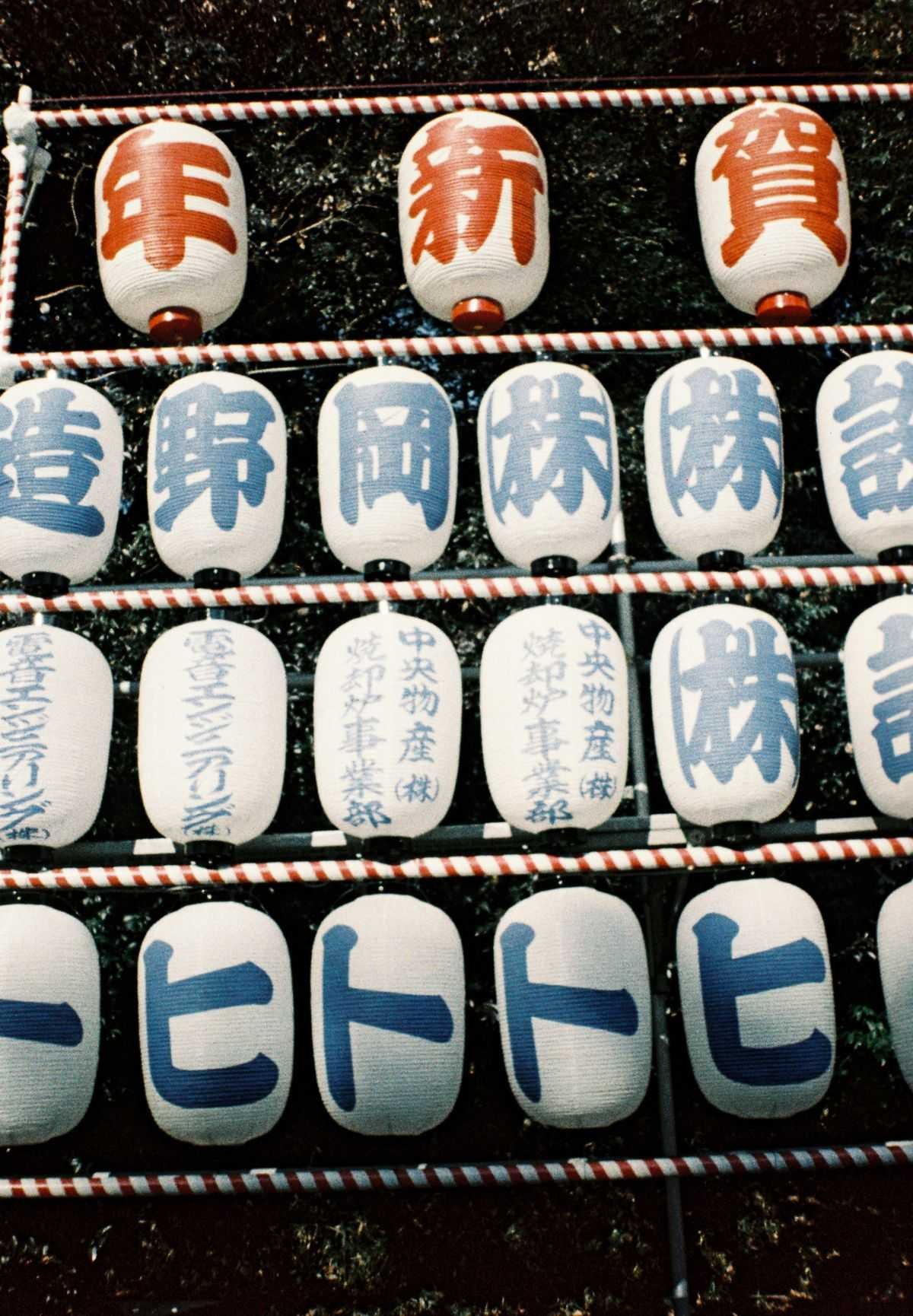
Japan’s festival calendar is among the densest in the world. From the moment sakura petals fall in late March to the snow sculptures of Sapporo in February, there is rarely a month without a nationally significant matsuri, a fireworks display, or a seasonal spectacle worth travelling for. This page maps every major festival by season for 2027, with confirmed dates and links to our full guides for each event.
A note on dates: naturally occurring events - cherry blossom, autumn foliage - shift by up to two weeks depending on the year’s temperatures. We use the best available forecasts and will update confirmed official dates as they are announced.
Spring - Sakura and Shrine Festivals (March–May)
Spring is Japan’s most dramatic travel season. The sakura (cherry blossom) front moves north from Kyushu to Hokkaido over six weeks, and festival processions mark the transition between seasons at shrines across the country.
Cherry Blossom Season
Tokyo: Cherry blossom 2027 - estimated peak late March to early April (22 March–10 April window). Ueno Park, Chidorigafuchi moat, and Shinjuku Gyoen are the main viewing sites. Crowds peak at weekends; arrive before 9am or visit on a weekday. Book accommodation in Tokyo 3–4 months ahead for late March.
Kyoto: Cherry blossom Kyoto 2027 - estimated peak 25 March through mid-April. Maruyama Park (free, lit at night), Philosopher’s Path, and the gardens of Daigo-ji are the city’s best sites. Kyoto hotels for late March and early April are among the year’s most competitive - 4–5 months ahead is not too early.
See our dedicated Japan cherry blossom guide for a city-by-city forecast table, hanami etiquette, and the best spots by neighbourhood.
Sanja Matsuri, Asakusa - 15–17 May 2027
Sanja Matsuri is Tokyo’s largest shrine festival. Over three days in mid-May, more than 100 portable shrines (mikoshi) are carried through the streets of Asakusa by teams in traditional happi coats. The atmosphere on Saturday and Sunday morning, when the main processions reach the streets around Senso-ji, is some of the most charged of the Japanese festival year. Free to watch from the street. Access: Asakusa Station (Tokyo Metro Ginza or Toei Asakusa lines, 5-minute walk to Senso-ji).
Aoi Matsuri, Kyoto - 15 May 2027
Aoi Matsuri is one of Kyoto’s three great festivals, predating Gion Matsuri by several centuries. A procession of 500 participants in Heian-period court dress travels from the Imperial Palace grounds to Shimogamo and Kamigamo shrines. Paid viewing stands (approximately ¥2,100) are available along the route from early April via Kyoto City Tourism. Free street-side viewing along the Kamo River bank is possible but crowded by mid-morning.
For planning around Kyoto, note that May is shoulder season with good weather, lower hotel prices than March–April, and no rainy season yet.
Early Summer - June Matsuri (June)
Kanazawa Hyakumangoku Matsuri - 5–7 June 2027
Kanazawa Hyakumangoku Matsuri celebrates the arrival of the Maeda clan into Kanazawa in 1583 with a three-day festival centred on a procession of costumed warriors, drummers, and traditional performing arts through the city centre. With around 70,000 participants and 1 million spectators, it is one of Hokuriku’s biggest events and significantly less crowded than Gion Matsuri. Free to watch. The Kanazawa old town - Higashi Chaya geisha district, Kenroku-en garden - makes a full long-weekend trip in June.
Yosakoi Soran Festival, Sapporo - 10–14 June 2027
Yosakoi Soran Festival fills Sapporo’s central streets and outdoor stages with over 30,000 dancers performing yosakoi - a high-energy choreographed style that fuses Awa Odori with Soran Bushi folk music. Free to watch at all outdoor venues. Sapporo in June is mild (15–20°C), and the festival offers a strong reason to visit the city outside the Snow Festival window.
Summer - Matsuri Season (July–August)
Late July and early August is Japan’s peak matsuri window. Every major city has at least one large-scale summer festival, and the overlap creates a situation where you can move from Kyoto’s Gion Matsuri to Fukuoka’s Yamakasa to Osaka’s Tenjin to Aomori’s Nebuta across a single two-week trip.
Gion Matsuri, Kyoto - All of July 2027
Gion Matsuri runs for the entire month of July at Yasaka Shrine in Gion. The two unmissable moments are Yoiyama on the evening of 16 July, when 32 festival floats are displayed in lantern-lit streets (200,000+ people in the Shijo-Karasuma area), and the Yamaboko Junko procession on 17 July, when floats up to 25 metres tall and 12 tonnes in weight are hauled through the city centre. A second procession, Ato Matsuri, runs on 24 July with far smaller crowds. Paid viewing stands for 17 July are approximately ¥3,000 - book through Kyoto Tourism from April. Kyoto accommodation for 16–17 July sells out 6+ months ahead; Osaka (40 min by train) is the practical alternative base.
Hakata Gion Yamakasa, Fukuoka - 1–15 July 2027
Hakata Gion Yamakasa is Fukuoka’s great summer festival. For the first two weeks of July, teams haul enormous decorative floats (kazariyama) displayed across Hakata Ward. The climax is the Oiyama race on 15 July at 4:59am: six competing teams sprint one-tonne floats through a 5km course through Hakata’s streets before dawn. Free to watch from the course. Access: Hakata Station (Fukuoka Subway Kuko Line, 3-minute walk to course start). Fukuoka is easily combined with a Kyoto Gion Matsuri trip on the same bullet train pass.
Tenjin Matsuri, Osaka - 24–25 July 2027
Tenjin Matsuri is one of Japan’s three great festivals. The land procession on 24 July involves portable shrines and performers through central Osaka; on 25 July a water procession crosses the Okawa River followed by 5,000 fireworks from around 9pm. Free riverbank viewing at Temmabashi. Paid river cruises (approximately ¥5,000–¥8,000) book weeks ahead - search via official Osaka Tourism channels. Access: Temmabashi Station (Osaka Metro Tanimachi Line).
Sumida River Fireworks, Tokyo - 31 July 2027
Sumida River Fireworks is Tokyo’s premier hanabi display - approximately 20,000 shells launched from two sites along the Sumida River in Asakusa and Mukojima. Viewing areas fill from mid-afternoon; the display runs approximately 7pm–8:30pm. Ryogoku Bridge and Kototoi Bridge provide good free-standing spots if you arrive before 5pm. Tokyo hotels on the night of 31 July book up quickly - plan ahead if this is your Tokyo base week.
Aomori Nebuta Festival - 2–7 August 2027
Aomori Nebuta is Tohoku’s most spectacular festival. Giant illuminated papier-mache floats (nebuta) up to 9 metres tall and depicting kabuki warriors and mythological figures are paraded through central Aomori at night to drumming, flute, and crowd calls of “Rassera!” The final night (6–7 August) ends with fireworks and a procession of floats on Aomori Bay. Visitors can join the parade as haneto dancers in rented costume (approximately ¥2,000–¥3,000 from festival rental stands). Access: Aomori Station, 12 minutes’ walk to the parade route; direct shinkansen from Tokyo approximately 3h 10m (Tohoku/Hayabusa). See our Aomori city guide for accommodation options during festival week.
Sendai Tanabata Festival - 6–8 August 2027
Sendai Tanabata is Japan’s largest Tanabata celebration, with 3 million visitors over three days. The Ichibancho and Chuo-dori shopping arcades are filled with thousands of elaborate paper streamers (kazari) up to 10 metres long in five colours. A fireworks display kicks off the festival on the evening of 5 August. Access: Sendai Station (Tohoku Shinkansen from Tokyo, approximately 1h 40m - covered by JR Pass). Sendai can be combined with Aomori Nebuta on a Tohoku circuit in early August.
Awa Odori Festival, Tokushima - 12–15 August 2027
Awa Odori is Japan’s largest dance festival: 100,000 performers and 1.3 million spectators over four days on the island of Shikoku. Companies (ren) dance in procession through the streets of Tokushima city to a hypnotic two-beat rhythm. Free street viewing is possible, but paid viewing stands (approximately ¥2,000) provide the best vantage points and are far less chaotic. Access: Tokushima Station (JR Kotoku/Mugi Lines; or fly into Tokushima Awaodori Airport and take the airport bus). Book accommodation in Tokushima 4–6 months ahead - hotels fill entirely during festival week.
Autumn - Foliage and Harvest Festivals (September–November)
Sapporo Autumn Fest - from 11 September 2027
Sapporo Autumn Fest runs through September and October, filling Odori Park with food stalls from across Hokkaido - fresh crab, Jingisukan lamb, Hokkaido dairy products, and local craft beer. One of Japan’s best food festivals and far less crowded than the Snow Festival. Access: Odori Station (all Sapporo subway lines). See the Sapporo guide for where to stay during the fest.
Autumn Foliage (Koyo)
Japan’s autumn colour front moves south from Hokkaido to Kyushu over eight weeks, reaching peak colour in the major cities through October and November.
Nikko: Nikko autumn foliage 2027 - peak estimated mid-October (around 20 October). The cedar avenues and shrine gardens of Toshogu are already world-class; in full autumn colour they are among Japan’s most photographed landscapes.
Kyoto: Kyoto autumn foliage 2027 - peak estimated mid-November (around 10 November). Eikan-do Temple (illuminated evening viewing), Tofuku-ji Bridge, and Arashiyama are the three priorities. Book accommodation 4–6 months ahead - November in Kyoto rivals March for hotel scarcity.
See our Japan autumn foliage guide for the full city-by-city timing table and best viewing spots by neighbourhood.
For city-specific local festivals and events in autumn - Kishiwada Danjiri, Jidai Matsuri in Kyoto, Takayama Autumn Festival - see the relevant city guides for full details.
Winter and New Year (December–February)
Hatsumode - 1–3 January 2027
Hatsumode - the first shrine visit of the New Year - is Japan’s most universally observed tradition. Every shrine in the country draws visitors from midnight on 1 January, and major sites like Sensoji in Asakusa and Meiji Jingu in Harajuku see queues stretching 400 metres. For the atmosphere without extreme crush, arrive at a neighbourhood shrine by 6am on 1 January or choose smaller shrines such as Nezu Jinja (Tokyo) or Fushimi Inari (Kyoto). Department stores and many restaurants are closed 1–2 January; convenience stores remain open. Trains on 29–31 December and 2–4 January are the most crowded of the year.
Sapporo Snow Festival - 5–11 February 2027
Sapporo Snow Festival draws approximately 2 million visitors each year to Hokkaido’s capital for Japan’s most famous winter event. The Odori Site stretches 1.5km along Odori Park with monumental snow sculptures up to 15 metres tall, illuminated nightly until 10pm. The Susukino Site focuses on ice sculptures; the Tsu Dome Site offers snow slides and interactive activities for families. All outdoor sites are free to enter.
Getting there: fly into New Chitose Airport and take the JR Rapid Airport train to Sapporo (40 min, approximately ¥1,150 - covered by JR Pass). Temperatures during festival week average -5°C to -10°C; thermal layers, insulated boots, and hand warmers are essential.
Accommodation: Hotels in Sapporo sell out entirely for Snow Festival week. Book 4–6 months in advance. Mid-range options run ¥10,000–¥25,000 per night; budget hostels from ¥4,000.
Planning Tips for Festival Travel
Lead times by event:
- Sapporo Snow Festival accommodation: 4–6 months ahead
- Cherry blossom (Tokyo/Kyoto, late March–April): 3–5 months ahead
- Gion Matsuri viewing stands and Kyoto accommodation: 6+ months ahead
- Obon travel window (11–17 August shinkansen): book when the 1-month-ahead seat reservation window opens
- Awa Odori accommodation: 4–6 months ahead
Seasonal overview: For a broader picture of what each month in Japan offers beyond the headline festivals - weather, crowd levels, seasonal food, regional differences - see our Japan by season guide.
Building an itinerary: If you are planning a trip around a specific festival cluster, our Japan Golden Route itinerary maps the Tokyo–Kyoto–Osaka–Hiroshima corridor, which covers Gion Matsuri, Tenjin Matsuri, and Hiroshima Peace Ceremony in a single late-July trip. The cherry blossom itinerary covers the sakura front from south to north.
Plan Your Trip
- Flights to Japan - Find fares
- Hotels - Search Japan accommodation on Booking.com
- Travel insurance - Get covered before you go
- eSIM - Stay connected from landing
- Tours and experiences - Browse Japan activities on GetYourGuide
See also: Japan festivals month-by-month guide · Cherry blossom guide · Autumn foliage guide · Japan by season