Sendai Travel Guide: Tanabata Festival, Gyutan & Zuihoden
Complete guide to Sendai, Tohoku's largest city. Castles, the Zuihoden mausoleum, Tanabata festival, and the home of gyutan beef tongue.
Guides for Sendai
Sendai is the largest city in the Tohoku region of northern Honshu, with a population of approximately 1.1 million. It serves as the regional capital of Miyagi Prefecture and functions as the commercial and cultural hub for the entire Tohoku area - a role that gives it a lively character unusual for a Japanese city of its size. While Tokyo and Kyoto dominate most travel itineraries, Sendai rewards visitors with excellent castle history, a unique food culture built around beef tongue, one of Japan’s most celebrated summer festivals, and fast shinkansen access to some of the northeast’s best scenery.
The City Date Masamune Built
Sendai’s identity is inseparable from Date Masamune (1567–1636), the one-eyed warlord who established the domain in the late 16th century and built the city from scratch. Masamune - nicknamed the “One-Eyed Dragon” after losing his right eye to smallpox in childhood - was an extraordinarily ambitious ruler who at one point controlled a vast swath of northern Japan and even sent diplomatic missions to Europe and New Spain. His legacy permeates the city: the equestrian statue of Masamune at Sendai Castle is the most photographed image in the region, and his mausoleum remains one of the most ornate funerary structures in Japan.
The city was heavily bombed during World War II, losing most of its pre-war architecture, and then damaged again in the 2011 Great East Japan Earthquake and tsunami, which devastated coastal communities east of the city. Sendai’s city centre survived largely intact in 2011, and the region has rebuilt substantially in the years since. Today the city feels forward-looking - a university city with a young demographic, strong restaurant culture, and a well-maintained grid of tree-lined avenues.
Sendai Castle Ruins (Aobajo)
The hilltop castle site known as Aobajo - meaning Blue Leaf Castle - sits on a promontory above the city and offers the best panoramic views over the urban sprawl toward the Pacific. Date Masamune began construction in 1601, and while the castle complex no longer stands (it was dismantled progressively from the Meiji era and then destroyed by Allied bombing in 1945), the stone walls, moats, and elevated position remain deeply evocative.
The Sendai City Museum at the base of the hill charges ¥460 for entry and covers the Date clan’s history through weapons, lacquerware, documents, and scrolls. The museum is thorough and well-labelled in English. At the top of the hill, the famous equestrian statue of Date Masamune faces east on horseback, one of the most reproduced images in Tohoku. Entry to the hilltop and viewpoint is free. The Aobajo Sightseeing Elevator (¥700) provides access from the base.
Access: Loople Sendai sightseeing bus from Sendai Station, approximately 20 minutes, ¥260. Buses run every 20–30 minutes.
Zuihoden Mausoleum
The Zuihoden is Date Masamune’s mausoleum and one of the most visually striking buildings in Tohoku. Constructed in 1637, one year after Masamune’s death, the original building was destroyed in the 1945 bombing and rebuilt in 1979 following archaeological excavations that uncovered Masamune’s remains. The current structure is a faithful reproduction of the original, and the detail is extraordinary: gold leaf covers the interior, intricate carvings of cranes, phoenixes, and Buddhist motifs cover every surface, and the colour palette - vermilion lacquer, gold, black - creates an atmosphere of contained grandeur quite different from the austerity of most Japanese shrines.
Entry costs ¥570 and includes access to the smaller adjacent mausoleums of Masamune’s son Tadamune and grandson Mitsumune. The grounds are approached through a cedar forest, and the contrast between the dark woodland path and the explosion of colour inside the mausoleum gate is part of the experience. Allow at least 45 minutes.
Opening hours: 9:00am–4:30pm (until 4:00pm December–January). Closed December 31. Access: 15 minutes by taxi from Sendai Station, or 20 minutes by Loople bus.
Osaki Hachimangu Shrine
Designated a National Treasure, Osaki Hachimangu is the finest surviving example of Date Masamune’s architectural patronage. Built in 1607, the main hall is covered in black lacquer with gold leaf detailing - a style known as gongen-zukuri - and the contrast of the black exterior against the crimson-painted inner gate is exceptional. Entry to the shrine grounds is free.
The shrine sits in a wooded residential neighbourhood about 2 kilometres north of the city centre, reached by a long approach lined with stone lanterns. It is considerably less visited than the mausoleum and castle, which means you can often experience the main hall in near-solitude. The shrine hosts several important festivals throughout the year, including a major procession in January.
Sendai Mediatheque
For a completely different experience, the Sendai Mediatheque on Jozenji-dori is worth visiting for the building alone. Designed by architect Toyo Ito and completed in 2001, the seven-storey structure is a landmark of contemporary architecture - a transparent glass box penetrated by thirteen hollow steel tube columns that serve as structural support, light conduits, and ventilation shafts simultaneously. Entry is free; the building houses a public library, art gallery, and event spaces. It remains one of the most influential public buildings constructed in Japan in the past three decades.
Tanabata Festival
Sendai hosts what is widely considered Japan’s largest Tanabata festival, held annually from August 6 to 8. The original Tanabata legend - the one night each year when the stars Vega and Altair (representing separated lovers) can cross the Milky Way and meet - is celebrated across Japan on July 7, but Sendai holds its version a month later by the old lunar calendar, and does so on a scale that draws approximately 3 million visitors over three days.
The city’s covered shopping arcades - particularly Chuo-dori and Ichiban-cho - are transformed by roughly 3,000 bamboo poles, each hung with cascading paper streamers (kazari) up to 10 metres long. The streamers are handmade in seven traditional styles representing different wishes: paper strips for good handwriting, paper cranes for longevity, paper kimonos for weaving skills, paper purses for business prosperity, paper nets for good fishing, paper waste bags for cleanliness, and paper lanterns for safe travels. Walking through the arcades under these canopies of colour is genuinely memorable.
Accommodation books out months in advance for early August. If you cannot visit during the festival, the Tanabata Museum (free) keeps examples of past kazari on permanent display.
Guided Sendai city tours cover the Date Masamune historical sites, Zuihoden Mausoleum, and the castle ruins as a structured day circuit - a useful option for visitors spending a full day rather than passing through on the Shinkansen.
Jozenji-dori Avenue
The 700-metre boulevard of Jozenji-dori, lined on both sides by mature zelkova (keyaki) trees, is the most pleasant street in Sendai for a walk. In summer the canopy is deep green; in November the leaves turn gold and the avenue hosts the Jozenji Street Jazz Festival (free outdoor performances in September) and the Sendai Pageant of Starlight illumination (December, free). The Sendai Mediatheque fronts this avenue, as do several of the city’s better cafés and restaurants.
Gyutan: Sendai’s Signature Food
Sendai is the birthplace of the modern gyutan style - grilled beef tongue - which has become one of Japan’s most recognisable regional dishes. The style was developed in Sendai in 1948 by Keishiro Sano, who created a method of salting and curing whole beef tongue before grilling it over charcoal. The result is more flavourful and tender than the thin-sliced tongue served in standard yakiniku restaurants.
A standard gyutan set (¥2,500–¥3,500) includes six to eight thick slices of grilled tongue, a bowl of barley rice (mugi-gohan), oxtail soup (teisho-jiru), and Japanese pickles. The barley rice is not incidental - it is the traditional pairing and the starchiness balances the richness of the tongue. Multiple chains and independent restaurants cluster around Sendai Station: Rikyu, Kisuke, and Negishi are among the most established names, with most open from lunch through to 10pm.
Expect a queue at popular spots during lunch hours. Set meals start around ¥2,500; premium cuts with aged tongue cost ¥4,000–¥5,000.
Getting to Sendai
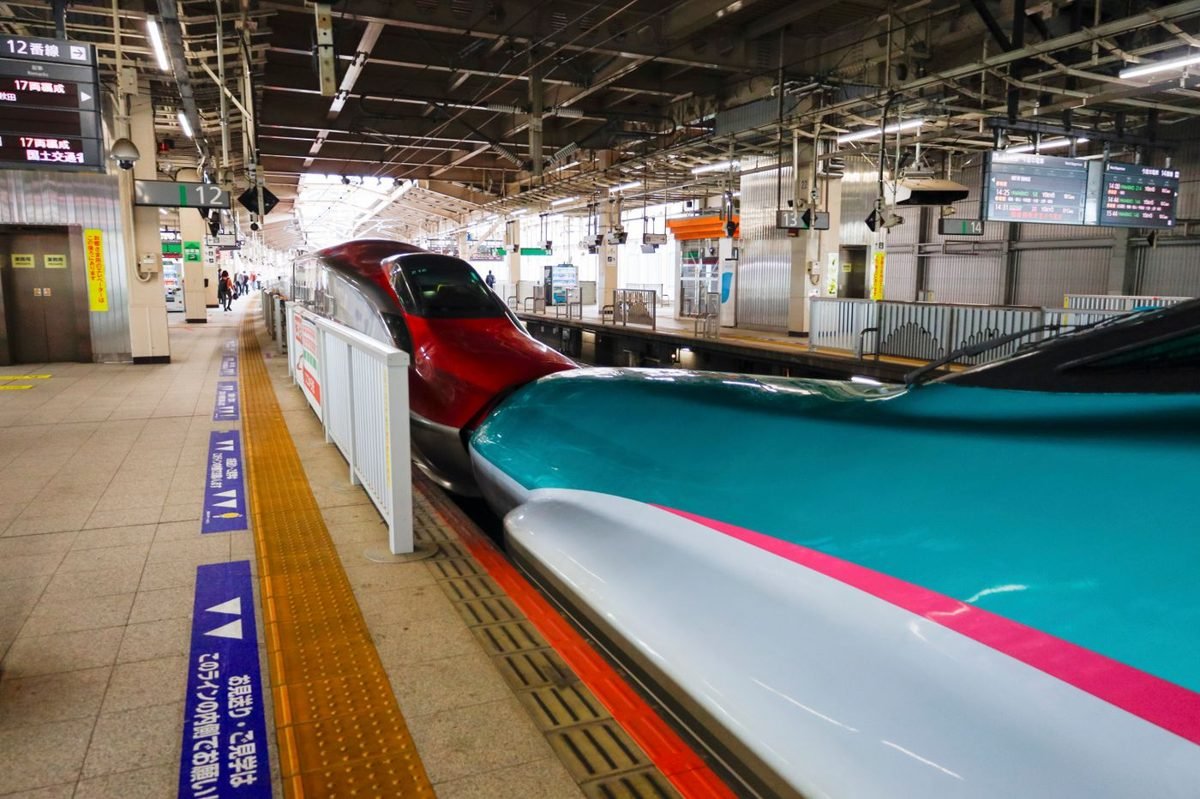
From Tokyo: Tohoku Shinkansen (Hayabusa or Hayate services), approximately 1 hour 30 minutes, ¥11,090 unreserved / ¥11,710 reserved. Direct trains run every 15–30 minutes from Tokyo Station.
From Osaka: Approximately 4 hours via Shinkansen (change at Tokyo or take the slower Yamabiko service). Fares from ¥24,000 depending on service and booking.
From Sapporo: JR limited express to Shin-Hakodate-Hokuto, then Hokkaido/Tohoku Shinkansen to Sendai. Total journey approximately 4 hours, ¥22,800+. Faster to fly (1 hour, from ¥8,000 with budget airlines).
Within Sendai: The Loople Sendai sightseeing bus (¥260/ride, ¥620 day pass) covers most tourist sites. The subway has two lines covering the city centre and university districts.
Practical Information
Sendai is a large modern city with full facilities. Sendai Station contains department stores, a significant food basement (depachika) with regional Tohoku specialties, and a tourist information centre with English-speaking staff on the second floor. Most major sights have English signage. The city centre is compact enough to walk between Jozenji-dori, the covered arcades, and the station district in under 20 minutes.
Average hotel prices in the city centre range from ¥8,000 for a business hotel to ¥20,000–¥30,000 for upscale options near the station. During Tanabata in August, rates approximately double and availability is very limited without advance booking.
Sendai is the main hub for the Tohoku region. For a broader overview of northern Honshu travel, see our Tohoku region guide. For travellers visiting in August, Sendai’s Tanabata is one of Japan’s largest summer festivals - see our Japan in August guide for the full festival calendar.
Planning your trip to Sendai? Tours and activities in Sendai cover guided experiences, cultural immersion, and the top sights with local expertise. Flights to Japan vary significantly by season - compare early to secure the best fares. Sort out travel insurance for Japan before you book, and pick up an Airalo eSIM for Japan to have mobile data the moment you land. Search hotels in Sendai on Booking.com
Explore Sendai
Things to do in Sendai · Where to stay in Sendai · Best restaurants in Sendai · Sendai food guide · Day trips from Sendai
The nearby bay of Matsushima is consistently rated one of Japan’s three most scenic views and is an easy day trip from Sendai.
See also: Tohoku region guide · Matsushima travel guide · Aomori travel guide · Japan in August · Japan in October · Onsen guide Japan
Upcoming Events in Sendai
Sendai Pageant of Starlight 2026
sendai
Sendai Pageant of Starlight 2026, 12–31 Dec. 600,000 LED lights illuminate Jozenji-dori's zelkova trees - Tohoku's finest winter illumination.
Hatsumode - New Year Shrine Visits
Hatsumode 2027, 1–3 January. Japan's most important annual tradition - millions visit shrines and temples in the first three days of the new year.
Nearby Cities
Frequently Asked Questions
- How do I get to Sendai from Tokyo?
- Take the Tohoku Shinkansen from Tokyo Station. The journey takes approximately 1 hour 30 minutes and costs around ¥11,090 for an unreserved seat on the Hayabusa or Hayate service.
- What is Sendai famous for?
- Sendai is best known for gyutan (grilled beef tongue), the Tanabata Matsuri festival in August, the castle ruins of Date Masamune, and the Zuihoden mausoleum. It is also the gateway city to the Tohoku region.
- When is the best time to visit Sendai?
- August is spectacular for the Tanabata Festival, but also crowded. April brings cherry blossoms to Nishi-Koen park. Autumn foliage runs October to November. Winter is cold but clear, and Sendai sees less snow than further north.
- Is Sendai worth visiting on the way to Matsushima?
- Yes. Sendai works well as a base for Matsushima (40 minutes by JR), and the city has enough to fill one to two full days independently with the castle ruins, mausoleum, shrine, and food scene.
- What happened to Sendai in the 2011 tsunami?
- The March 2011 Great East Japan Earthquake and tsunami caused severe damage to coastal areas east of the city, particularly Higashi Matsushima and the airport area. The city centre was largely undamaged. The region has rebuilt substantially since.
Book an experience
Top experiences in Sendai
Explore the best tours and activities in Sendai, with instant confirmation and free cancellation on most bookings.