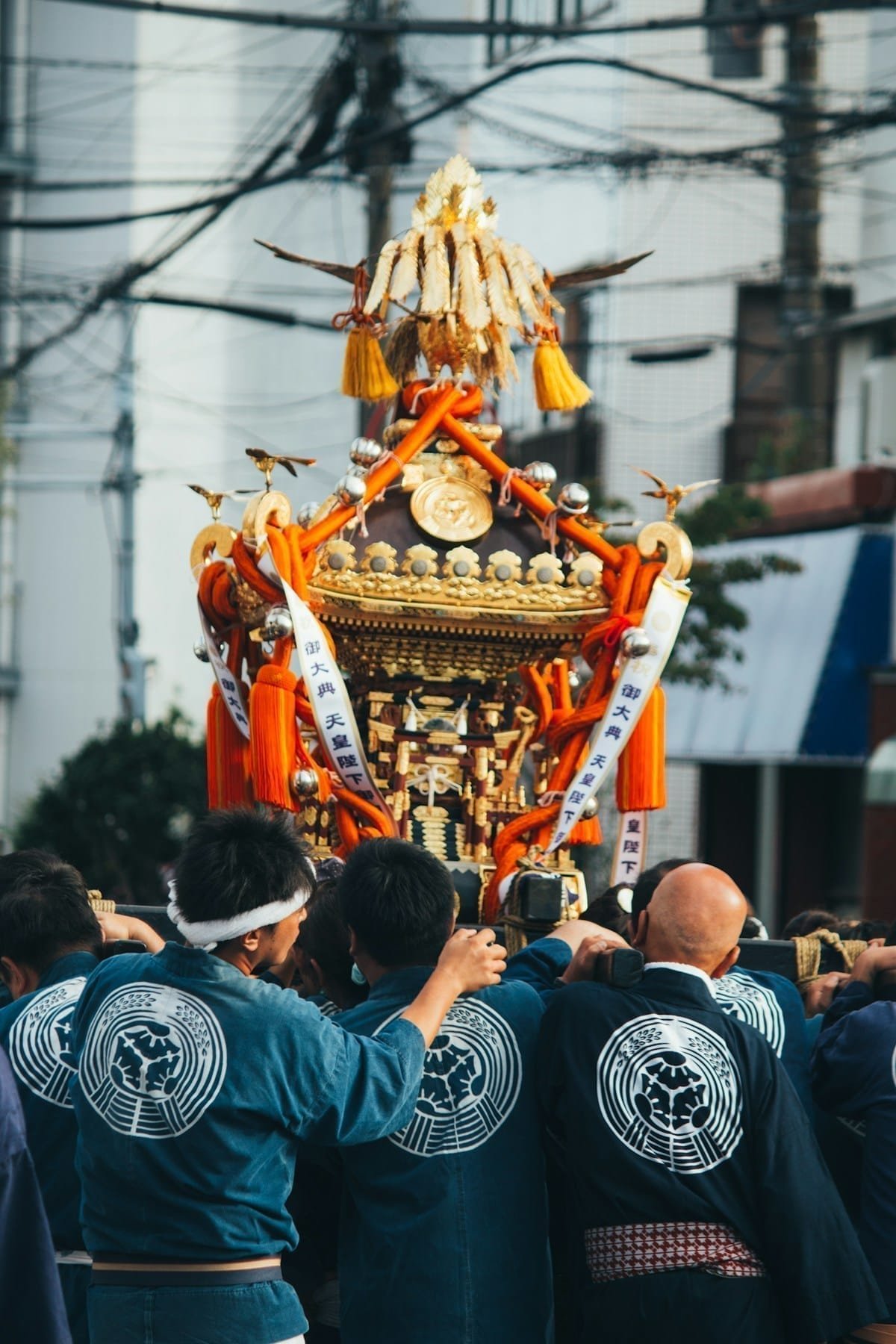
Japan runs on a rhythm of festivals (matsuri) and seasonal events that shapes travel planning more than almost any other destination. Some events - Gion Matsuri, cherry blossoms, autumn foliage - fill accommodation within hours of booking windows opening. Others, like Shichi-Go-San or Setsubun, reward visitors who happen to be nearby. This guide covers every major event month by month, with specific venues, approximate dates, and honest notes on travel impact.
Dates shift slightly year to year for lunar-calendar events and forecasted natural phenomena. Treat all dates below as approximate - check official tourism sources for confirmed dates in your travel year.
January - New Year Celebrations and Winter Calm
Oshogatsu (New Year Holiday): 1–3 January
The first three days of January are Japan’s most significant national holiday. Families visit shrines for hatsumode (first shrine visit of the year), exchange nengajo (New Year cards), and eat traditional osechi ryori box meals. Sensoji Temple in Asakusa, Tokyo, and Meiji Jingu in Harajuku draw several million visitors in the first three days alone - queues for Sensoji stretch back 400 metres at midnight on 1 January.
If you want the atmosphere without the extreme crush, arrive at a neighbourhood shrine by 6am on 1 January or visit smaller shrines such as Nezu Jinja (Tokyo) or Fushimi Inari (Kyoto) in the early morning. Department stores and many restaurants remain closed on 1–2 January; convenience stores stay open.
Travel impact: Trains and bullet trains on 29–31 December and 2–4 January are among the most crowded of the year. Book shinkansen seats at least 3 weeks ahead. Hotel prices in major cities are high during the holiday window but fall sharply from 5 January.
Wakakusa Yamayaki (Grass Burning): third Saturday of January - Nara
The slopes of Mount Wakakusa in Nara are set ablaze in an ancient ritual combining what were originally separate boundary and pest-control ceremonies. The burn is preceded by a fireworks display from around 6pm, with the main fire lit at approximately 6:30pm. Arrive by 5pm to secure a viewing position near Tobihino Park. Admission to the Tobihino area costs approximately ¥200 per adult (as of 2026). Access: 15-minute walk from Kintetsu Nara Station.
February - Snow Festivals and Plum Blossoms
Sapporo Snow Festival (Sapporo Yuki Matsuri): early February, usually 4–11 February
The Sapporo Snow Festival is Japan’s largest winter event and one of the world’s most famous ice and snow sculpture exhibitions. Around 2 million visitors attend each year. The festival runs across three sites in Sapporo, Hokkaido:
- Odori Site (Odori Park, central Sapporo): the main venue, stretching 1.5km along Odori Park with monumental snow sculptures up to 15 metres tall. Sculptures of famous buildings, anime characters, and abstract designs are illuminated nightly until 10pm. Free entry.
- Susukino Site (Susukino entertainment district, 1km south of Odori): ice sculptures focused on finer detail work. Free entry. 15-minute walk from Odori Site.
- Tsu Dome Site (Higashi Ward, 20 minutes by shuttle from Odori): family-oriented site with snow slides, snow rafting, and interactive snow activities. Entry approximately ¥100 per adult (as of 2026). Shuttle buses run from Sapporo Bus Terminal at timed intervals.
Getting there: fly into New Chitose Airport, 40 minutes from Sapporo by JR Rapid Airport train (approximately ¥1,150 one-way). The JR Pass covers this route. Sapporo Station is 7 minutes’ walk from Odori Park, or take the Namboku/Toho subway lines to Odori Station (¥200).
Accommodation note: Hotels in Sapporo sell out months ahead for festival week. Book 4–6 months in advance. Prices typically run ¥10,000–¥25,000 per night mid-range; budget hostels from ¥4,000.
Travel impact: Sapporo is cold in February - expect -5°C to -10°C during the day, colder at night. Thermal base layers, insulated boots, and hand warmers are essential. Snow on the ground is usually 60–80cm deep.
Plum Blossom Season: late January through March
Plum (ume) blossoms precede cherry blossoms by 4–8 weeks and are less crowded. Best viewing locations: Yushima Tenmangu Shrine (Tokyo, Bunkyo Ward - approximately 3,000 trees, peak late February), Kitano Tenmangu Shrine (Kyoto, Kita Ward - 2,000 trees, ume-mi festival in early February), and Atami Plum Garden (Shizuoka, on the Izu Peninsula - Japan’s earliest blooms, peak late January, JR Atami Station then 20-minute bus).
Setsubun: 3 February
Bean-throwing ceremony marking the traditional end of winter. At shrines and temples across Japan, priests and invited celebrities (often actors and sumo wrestlers) throw roasted soybeans into crowds chanting “Oni wa soto, fuku wa uchi” (Out with demons, in with good fortune). Good venues: Naritasan Shinshoji Temple (Narita - sumo wrestlers participate, 2-minute walk from Narita Station), Senso-ji Temple (Asakusa, Tokyo), and Yoshida Shrine (Kyoto - one of Japan’s oldest Setsubun events, on Mount Yoshida).
March - Early Cherry Blossoms and Spring Openings
Cherry Blossom Season Begins: mid-to-late March in southern Japan
The sakura front (sakura zensen) moves north from Kagoshima to Hokkaido over roughly six weeks. Approximate peak timing by city (varies 1–2 weeks year to year):
| City | Typical Peak |
|---|---|
| Kagoshima | mid-March |
| Fukuoka | late March |
| Tokyo | late March – early April |
| Kyoto | late March – early April |
| Osaka | late March – early April |
| Nagoya | early April |
| Sendai | mid-April |
| Sapporo | late April – early May |
See our Japan cherry blossom guide for a full breakdown of viewing spots, hanami etiquette, and Sakura Forecast links.
Hina Matsuri (Girls’ Day / Doll Festival): 3 March
Families with daughters display tiered platforms of ornamental dolls (hina ningyo) representing the imperial court. Not a public spectacle per se, but department stores, traditional craft shops, and some temples display elaborate hina doll arrangements throughout February and early March. Good display sites: Takayama Jinya (Gifu), Katsuura Big Hina Festival (Chiba - 30,000 dolls displayed on steps of Tomisaki Shrine, typically held 3–5 March).
April - Cherry Blossom Peak and Golden Week Preview
Cherry Blossom Peak: Tokyo and Kyoto, late March to mid-April
This is Japan’s single busiest travel period. Tokyo’s top viewing sites: Chidorigafuchi moat (Chiyoda - hire a rowboat for ¥800/30 min), Shinjuku Gyoen (¥500 entry, closes early on school trip days), Ueno Park (free, extremely crowded). Kyoto’s best: Maruyama Park (free, 24-hour access - the weeping cherry tree is lit at night), Philosopher’s Path (Higashiyama Ward, 2km canal walk).
Book accommodation in Tokyo and Kyoto for late March to mid-April at least 3–4 months ahead.
Takayama Spring Festival (Sanno Matsuri): 14–15 April
One of Japan’s three greatest festivals (with Gion Matsuri and Chichibu Night Festival). Eleven ornate festival floats (yatai) fitted with mechanical puppets (karakuri ningyo) parade through Takayama’s preserved Edo-period old town. Evening lantern parades on 14 April are particularly atmospheric. Takayama sits in the mountains of Gifu Prefecture - access via JR from Nagoya (2h 20m, approximately ¥6,500 one-way not covered by standard JR Pass unless you have the Takayama-Hokuriku Area Pass).
Wisteria Blooms: late April
Ashikaga Flower Park (Tochigi Prefecture) has Japan’s most famous wisteria tunnels - a 150-year-old wisteria tree and extensive tunnel canopies bloom from late April to mid-May. Entry approximately ¥1,000–¥2,000 depending on peak bloom status (as of 2026). Access: Ashikaga Flower Park Station (Ryomo Line from Oyama - 40 minutes, or from Ashikaga Station - 3 minutes).
May - Golden Week and Kanamara Festival
Golden Week: 29 April – 5 May
Japan’s major spring holiday period, when several national holidays cluster together. Shinkansen and domestic flights are among the year’s most expensive and crowded. If you’re already in Japan, smaller cities and rural areas become more accessible as domestic tourists crowd out Tokyo and Kyoto. Avoid driving on expressways between 29 April and 3 May - traffic jams of 50km are not unusual.
Key Golden Week dates (2026):
- 29 April: Showa Day
- 3 May: Constitution Day
- 4 May: Greenery Day
- 5 May: Children’s Day
Hakata Dontaku: 3–4 May, Fukuoka
One of Japan’s largest street festivals, with 2 million+ attendees over two days. Parade floats and costumed performers move through central Fukuoka. Free to watch from the streets. Access: Tenjin Station (Fukuoka Municipal Subway, ¥210 from Hakata Station, 5 minutes).
June - Hydrangea Season and Sanno Matsuri
Sanno Matsuri (Tokyo): mid-June, odd-numbered years
One of Edo’s three great festivals, held in alternating years at Hie Shrine in Akasaka. The main procession (kanko-sai) involves 500+ participants in traditional dress carrying portable shrines (mikoshi) through central Tokyo streets. Next occurrence: June 2027 (skips 2026).
Hydrangea Blooms: mid-June
Hydrangea (ajisai) season peaks during Japan’s rainy season (tsuyu, roughly mid-June to mid-July). Best sites: Meigetsuin Temple, Kamakura (Kanagawa - “Hydrangea Temple”, approximately 2,500 plants, 10-minute walk from Kita-Kamakura Station; entry ¥500), Hakone Tozan Railway (trains run through hydrangea banks - no special ticket required, standard Hakone fares apply), Hasedera Temple (Kamakura - cliff-side hydrangea garden with sea views, entry ¥400).
July - Gion Matsuri and Tanabata
Gion Matsuri: entire month of July, Kyoto
Japan’s most famous festival runs for the whole of July, centred on Yasaka Shrine in Gion, Kyoto. The two peak moments are:
- Yoiyama (eve of the main procession): 16 July. The 32 festival floats (yamaboko) are displayed in Shijo-dori and side streets, lit by lanterns from around 6pm. Crowds are enormous - expect 200,000+ people in the Shijo-Karasuma area. Access: Karasuma Station (Hankyu/Kyoto Municipal Subway, 3-minute walk to Shijo-Karasuma).
- Yamaboko Junko (main procession): 17 July, 9am–11am. The 23 tall yama floats and 9 hoko floats (some over 25 metres tall, weighing 12 tonnes) parade from Shijo-Karasuma through the city centre. Paid viewing stands are available from approximately ¥3,000 per seat (book through Kyoto Tourism).
- Ato Matsuri (second procession): 24 July, 9:30am. A smaller but significantly less crowded procession with 11 floats.
Kyoto accommodation during Gion Matsuri - especially 16–17 July - sells out 6+ months ahead. Budget options in Osaka (40 minutes by Hankyu or JR) are more available and make a practical alternative base. See our Gion Matsuri 2027 guide for float procession dates, viewing stand tickets and Kyoto hotel strategy.
Tanabata: 7 July
The star festival commemorates the legend of Orihime and Hikoboshi (the stars Vega and Altair) who can only meet once a year across the Milky Way. Colourful bamboo decorations and paper wishes are displayed at shopping streets and train stations nationwide. Sendai holds one of Japan’s largest Tanabata festivals a month later - see August below.
Tenjin Matsuri: 24–25 July, Osaka
One of Japan’s three great festivals. Land procession on 24 July; water procession on the Okawa River followed by 5,000 fireworks on 25 July. Viewing spots: Temmabashi area on the riverbank (free, standing room) and paid cruise boats (approximately ¥5,000–¥8,000, book weeks ahead). Access: Temmabashi Station (Osaka Metro Tanimachi Line or Keihan Line, 10-minute walk to river).
August - Obon and Summer Fireworks
Obon: 13–16 August (most of Japan)
Obon is Japan’s festival of ancestral spirits. Families return to hometowns, clean graves, and light chochin lanterns to guide spirits home. It is not a public spectacle aimed at tourists, but the atmosphere is deeply atmospheric. Key elements:
Bon Odori dances: Community folk dances held at temples and public spaces from approximately 13–16 August across the country. Watchers are welcome to join - simple, repetitive movements are taught on the spot. Major venues in Tokyo: Awa Odori Koenji Festival (24–25 August in Koenji, Suginami Ward - the Tokyo version of the Tokushima Awa Odori, featuring over 10,000 dancers; free to watch from the street). Tokushima Awa Odori (Tokushima, Shikoku, 12–15 August) is the definitive Awa Odori with 1.3 million attendees - paid viewing stands from ¥2,000.
Toro Nagashi (Floating Lanterns): At the close of Obon, paper lanterns are floated on rivers to guide spirits back. Hiroshima Peace Memorial Park holds an especially moving toro nagashi ceremony on 6 August (the anniversary of the atomic bombing) with 10,000 lanterns on the Motoyasu River.
Travel impact: Obon is Japan’s other great travel crunch (alongside Golden Week and New Year). Trains, buses, and flights are at maximum capacity on 11–13 August (outbound) and 15–17 August (return). Book well in advance or travel outside these windows.
Sendai Tanabata Matsuri: 6–8 August, Sendai
Japan’s largest Tanabata festival, with 3 million visitors over three days. The Ichibancho shopping arcade and Chuo-dori are filled with thousands of elaborate paper streamers (kazari) up to 10 metres long. Fireworks on the evening of 5 August. Access: Sendai Station (Tohoku Shinkansen from Tokyo - approximately 1h 40m, ¥11,000 unreserved; covered by JR Pass).
PL Fireworks Festival: early August, Tondabayashi, Osaka Prefecture
One of Japan’s largest fireworks displays - reportedly 100,000+ shells. The viewing area is around PL Hospital grounds in Tondabayashi City. Access: Kintetsu Nagano Line to Kawachi-Nagano Station, then local bus (1h from Namba, Osaka). Crowds are extreme - expect 1–2 hours’ wait for trains after the show.
September - Autumn Begins and Respect for the Aged Day
Kishiwada Danjiri Matsuri: mid-September, Kishiwada, Osaka
One of Japan’s most physically intense festivals. Teams haul 4-tonne wooden floats (danjiri) through narrow streets at a near-run, with men performing acrobatics on top of the moving floats. Minor injuries are not uncommon - this is genuine controlled chaos. Main event: third weekend of September (exact dates vary). Access: Nankai Kishiwada Station (Nankai Main Line from Namba, 22 minutes, approximately ¥410).
Respect for the Aged Day: third Monday of September
National holiday - minimal travel impact but government buildings and some museums may close.
October - Autumn Foliage Begins and Nikko Autumn Festival
Japan Autumn Foliage (Koyo): October–November
Foliage colour moves south from Hokkaido to Kyushu over approximately 8 weeks, starting in early October in the mountains and hitting major cities in November. See our Japan autumn foliage guide for a full city-by-city timing breakdown.
Approximate peak timing for key locations:
| Location | Typical Peak |
|---|---|
| Daisetsuzan (Hokkaido) | late September |
| Nikko (Tochigi) | mid-October |
| Kyoto | mid-November |
| Tokyo | late November |
| Hiroshima | late November |
Nikko Autumn Festival (Yayoi Matsuri): 16–17 October, Nikko, Tochigi
Shiraito Falls and cedar avenues of Toshogu Shrine are already in partial colour during this procession festival, which re-enacts the transfer of Tokugawa Ieyasu’s remains to Nikko in the 17th century. Over 1,200 participants in period costume. Access: Tobu Nikko Line from Asakusa, Tokyo (2h, approximately ¥1,360 with Tobu discount pass). The Toshogu area is a 30-minute walk or 10-minute bus from Nikko Station.
November - Shichi-Go-San and Peak Autumn Foliage
Shichi-Go-San: 15 November (observed weekend nearest to 15 November)
Shichi-Go-San (7-5-3) is a rite of passage for children aged 7, 5, and 3, marking their growth and health at Shinto shrines across Japan. Children dress in traditional furisode kimono or formal haori. The national day is 15 November, but families visit shrines throughout October and November to avoid crowds. Major shrine visits in Tokyo: Meiji Jingu (Harajuku), Hie Shrine (Akasaka), Hikawa Shrine (Omiya, Saitama). Kyoto: Fushimi Inari, Kitano Tenmangu.
For visitors, this offers a rare and genuine opportunity to see families in formal kimono at shrines. Photography should be respectful - ask permission before taking close-up portraits. The best times to observe: 9am–12pm on weekends in October and early November at any major shrine.
Kyoto Autumn Foliage Peak: mid-November
Kyoto’s most photogenic foliage destinations:
- Eikan-do Temple (Nanzenji area - widely regarded as Kyoto’s premier autumn foliage temple; entry ¥600 normally, ¥1,000 during autumn season; illuminated evening viewing until 9pm)
- Tofuku-ji Temple (Fushimi Ward - free access to grounds; ¥600 for Tsutenkyo Bridge viewing; 230 maple trees visible from the bridge in a single view; nearest station: Tofukuji on Kintetsu)
- Arashiyama (Ukyo Ward - Tenryu-ji garden ¥500, bamboo grove free; riverside foliage from Togetsukyo Bridge; Sagano Scenic Railway ¥880 one-way through maple canyon)
- Kiyomizudera Temple (Higashiyama - ¥500; evening illumination sessions held on select evenings in November, ¥400 additional)
Accommodation in Kyoto for mid-November is nearly as competitive as cherry blossom season. Book 4–6 months ahead.
Tokyo Autumn Foliage Peak: late November
Tokyo’s best foliage is in parks and temple gardens: Shinjuku Gyoen (¥500, 65 ginkgo and maple specimens), Rikugien Garden (Bunkyo Ward - ¥300, illuminated evenings in late November), Koishikawa Korakuen (Bunkyo, adjacent to Tokyo Dome - ¥300, 800 trees).
December - Winter Illuminations and Year-End Festivals
Winter Illuminations: November through January
Major Japanese cities run elaborate LED light installations from November through Christmas and into the New Year. Admission-free major displays: Midtown Christmas (Roppongi Hills and Tokyo Midtown, Minato Ward, Tokyo), Marunouchi Illumination (Chiyoda Ward, 1.2km of Ginkgo trees lined with lights along Naka-dori). Admission-charged: Ashikaga Flower Park Winter Illumination (Tochigi - approximately ¥900–¥2,100 depending on timing, same location as the spring wisteria; shuttle from Ashikaga-shi Station).
Toshi no Ichi (Year-End Fair): mid-December, Asakusa
Senso-ji Temple’s year-end market, known locally as Hagoita-Ichi, runs from approximately 17–19 December. Shuttlecock paddles (hagoita) decorated with kabuki actors and celebrities are sold as good luck items. The fair is free to enter and walk through.
Namahage Sedo Festival: second Friday–Saturday of February (preview for planning purposes)
Technically a February event at Oga Peninsula, Akita, but widely missed on festival calendars. Namahage demons (men in terrifying straw costumes) descend from the mountains to Shinzan Shrine by torchlight. If you’re planning a Tohoku winter trip around Sapporo Snow Festival, this is worth combining - Oga is 1.5h from Akita Station (¥1,320 by bus), which is 3h from Sendai (Shinkansen, ¥6,800).
Festival Travel Tips
Booking lead times:
- Sapporo Snow Festival: book accommodation 4–6 months ahead
- Cherry blossom (March–April): 3–5 months ahead for Tokyo and Kyoto
- Gion Matsuri (mid-July): 6+ months ahead for Kyoto; 3–4 months for Osaka base
- Autumn foliage in Kyoto (mid-November): 4–6 months ahead
- Obon travel (11–17 August): book shinkansen seats 1 month ahead when booking opens
JR Pass considerations: The 7-day and 14-day JR Pass works best when combined with festival travel that involves long-distance journeys. A Kyoto festival trip (Gion Matsuri) combined with a Hiroshima day trip and Osaka base is a textbook JR Pass itinerary. The Sapporo Snow Festival requires flying to Hokkaido (JR Pass does not cover flights) but the pass covers the New Chitose Airport–Sapporo rail link.
Crowds at festivals:
- Arrive before 9am at most shrine and temple festivals - morning light is better for photography and crowds build from 10am onwards
- Weekday visits to naturally-timed events (foliage, blossoms) are significantly less crowded than weekends
- For procession festivals with reserved viewing, buy tickets through Klook or official tourism bureaux - random-access free viewing is possible but chaotic for major events like Gion Matsuri
Plan Your Trip
Timing your trip around a festival is one of the best ways to experience Japan. If you’re building an itinerary around a specific season, our Japan by season guide covers what to expect month by month across the whole country. For a structured route that takes in Kyoto, Osaka, Hiroshima, and Tokyo, our Golden Route itinerary maps out the most festival-rich corridor in Japan.
Plan Your Trip
- Flights - Find the best fares to Japan
- Hotels - Search hotels in Japan on Booking.com
- Travel Insurance - Get covered before you go
- eSIM - Stay connected from landing
- Car Rental - Compare prices across providers
- Tours and activities - Browse experiences on GetYourGuide
See also: Japan by season · Cherry blossom itinerary · Autumn foliage guide · Kyoto travel guide · Tokyo travel guide