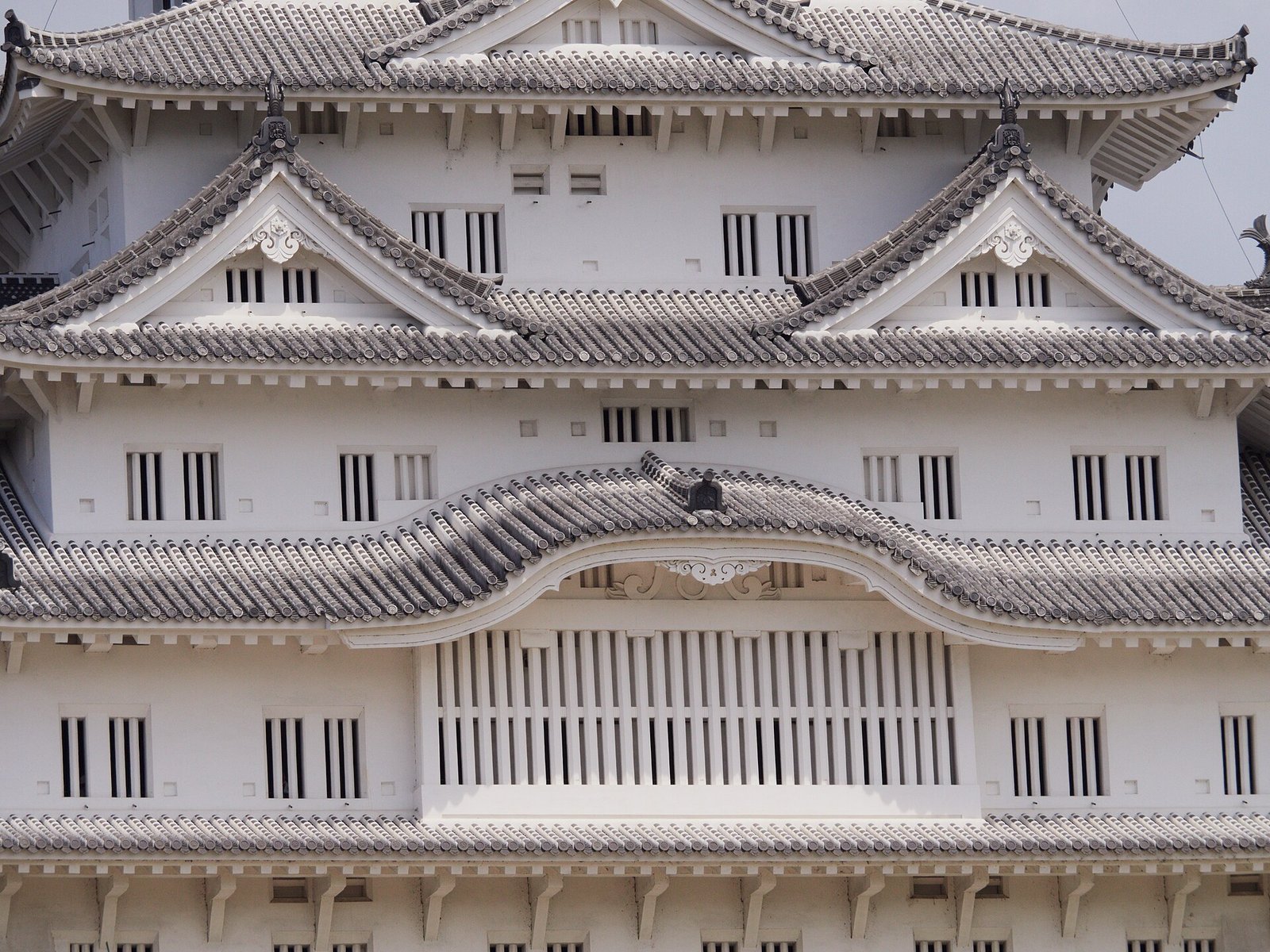
Himeji Castle is the one Japanese castle that looks the way it did when it was built. The white plastered keep was finished in 1609 and has survived fires, the Meiji-era demolitions and the 1945 bombing of the city around it, and it was among the first Japanese sites to be inscribed on the UNESCO World Heritage List in 1993. This guide covers what you pay in 2026, how to reach Himeji from Osaka, Kyoto, Kobe and Hiroshima, what the JR Pass covers and a route that fits the castle and its garden into half a day. If you are weighing it against other keeps, see our guide to the most interesting castles in Japan.
All prices below are approximate as of 2026. Himeji raised its castle fee this year, so confirm on the official Himeji Castle site before you travel.
Tickets and Opening Hours
| Ticket | Cost (as of 2026) | Notes |
|---|---|---|
| Himeji Castle, adult | ¥2,500 | Non-residents of Himeji city, from 1 March 2026 |
| Himeji Castle, city resident | ¥1,000 | With proof of residence |
| Under 18s | Free | Children and teenagers |
| Koko-en Garden alone | Approximately ¥400 | Revised 1 March 2026 |
| Castle and Koko-en combo | ¥2,600 | Saves about ¥300 against buying separately |
The castle is generally open from 9:00 to 17:00, with the grounds staying open until 18:00 in summer, and last entry is an hour before closing. It closes for two days around the end of December. Koko-en keeps similar hours and has its own year-end closure, so check both calendars if you travel at New Year. The old price of ¥1,000 appears in many older articles, which is why you will see conflicting figures online. The extra cost buys the same visit, so we recommend the combo ticket if you plan to see the garden at all. You can read the official garden fee notice on the Koko-en website.
If you would rather have the history explained, a guided Himeji Castle tour adds commentary that the keep’s exhibits only cover lightly, and the free volunteer guide service at the castle is also worth asking about at the entrance.
How to Get to Himeji
Himeji Station is on both the JR Kobe Line and the Sanyo Shinkansen, and the castle is a straight 15-minute walk up Otemae-dori, the broad avenue from the station’s north exit. The keep is visible from the exit, which makes navigation easy.
| From | Fastest train | Time | Approximate fare |
|---|---|---|---|
| Osaka | JR Special Rapid from Osaka Station | About 60 min | ¥1,520 |
| Shin-Osaka | Shinkansen (Hikari, Sakura, Kodama) | About 30 min | ¥2,700 to ¥3,200 depending on ticket |
| Kyoto | JR Special Rapid, or Shinkansen with a change at Shin-Osaka | 80 min / about 50 min | ¥2,310 by JR line |
| Kobe (Shin-Kobe) | Shinkansen | About 18 min | ¥2,340 return |
| Kobe (Sannomiya) | JR Kobe Line | About 55 min | ¥990 one way |
| Hiroshima | Sanyo Shinkansen (Sakura, Hikari) | About 1 hr to 1 hr 15 min | Check Navitime for the current fare |
Shinkansen fares change by ticket type and seat, so treat the figures as a guide. For the Kansai transfers in detail, our Kansai getting around guide has the full table.
JR Pass and Regional Passes
A Japan Rail Pass covers the JR Special Rapid and the Sanyo Shinkansen services that stop at Himeji (Hikari, Sakura and Kodama), but not the Nozomi or Mizuho, which skip it. The Kansai Wide Area Pass also covers Himeji. If you are only doing this one trip, a pass is rarely worth buying for it alone: our JR Pass guide shows when a pass pays off, and the Kansai Wide Area Pass overview covers the regional option.
What to See at the Castle
The castle was designed as a maze. From the main gate you walk a spiralling route of gates, turns and dead ends, with the keep appearing and disappearing above you. The approach is deliberately long, and it is half the experience.
The main keep. The keep looks like five roofs from outside but holds six floors and a basement. You take your shoes off at the entrance and carry them in a plastic bag. The wooden staircases are steep, and the top floor gives a view over the city toward the mountains. Allow about 40 minutes if you go straight up, longer if you read the exhibits. The 2009 to 2015 restoration re-plastered the walls bright white, which gives the castle its nickname, the White Egret Castle (Hakuro-jo).
The western bailey corridor. The long covered corridor of the Nishi-no-maru runs for almost 300 metres. It was built for Princess Sen, granddaughter of Tokugawa Ieyasu, and many visitors skip it. Do not: it is quieter than the keep, and it shows more of the building’s wooden craftsmanship.
The stone walls and moats. The stone walls, gun ports and arrow slits are all original. Walking the outer moat before or after your visit costs nothing.
Koko-en Garden
Koko-en sits just west of the castle and combines nine separate gardens in Edo-period style, laid out in 1992 on the former samurai residences. The best sections are the pond garden with its koi and a waterfall, the tea garden and the maple garden in autumn. A tea house serves matcha and sweets with a view of the garden, which makes a good rest after the keep. We rate it as a good add-on for photographs and a slower pace, though not essential if time is short.
Half-Day Route
- 9:00, castle entrance. Arrive at opening to beat the groups. Take the winding route through the gates and see the stone walls.
- 9:30, main keep. Climb to the top floor, then walk the Nishi-no-maru corridor.
- 11:30, Koko-en. Walk through the gardens and stop for tea.
- 12:45, lunch. Eat near Himeji Station: the city’s local dishes include Himeji oden with ginger sauce and anago (conger eel) bowls.
- 14:00, head on. Take a train to Kobe or back to Osaka.
If you have another half day, Mount Shosha’s Engyo-ji temple complex is the usual extra. It needs a bus and a ropeway, so we suggest it only for a full day trip.
Combining Himeji with Kobe
Himeji and Kobe pair well because the Shinkansen links them in 18 minutes. Do the castle in the morning, take the train to Kobe and spend the afternoon in Kitano, Chinatown and the harbour. Our Kobe day trips guide and Kobe things to do list the stops, and you can pick up a Kobe tour for beef, sake or Arima Onsen on the same day. From Osaka the same pairing works in reverse, as our Osaka day trips page explains, and from Kyoto see the Kyoto day trips page for how Himeji compares with Nara and Hiroshima.
When to Go and Crowd Tips
- Weekday mornings are the quietest. Tour groups arrive from about 10:30.
- Cherry blossom around the castle peaks in late March to early April, and the keep entrance queue can reach an hour on weekends. Our cherry blossom guide explains how to follow the forecast.
- Autumn colour at Koko-en usually peaks in mid to late November.
- October brings the Nada no Kenka Matsuri, a fighting festival in the nearby Shirahama district.
- Summer is hot, and the keep has no air conditioning.
- Luggage. Use the coin lockers at Himeji Station rather than carrying bags up the keep’s steep stairs.
For wider planning, our Kansai region guide shows how Himeji fits with Kyoto, Osaka, Nara and Kobe. For background on the listing, see the UNESCO World Heritage page for Himeji-jo.