Osaka’s central location in the Kansai region makes it the best base in Japan for day trips. Within an hour by train you can reach deer walking freely through a UNESCO World Heritage park, the most ornate feudal castle in the country, one of Japan’s greatest port cities, and the temple-lined hills of Kyoto. Most day trips from Osaka require no advance booking for transport and are bookable as guided tours for those who prefer company and commentary.
1. Nara - Deer Park and Todai-ji Temple
Travel time: 36 minutes by Kintetsu Nara Line from Osaka-Namba (¥680), or 50 minutes by JR Yamato-ji Line (¥840, covered by JR Pass) Best for: Wildlife encounter, UNESCO temples, history Recommended time: Full day
Nara was Japan’s first permanent capital from 710 to 784, and the scale of its imperial Buddhist temples reflects that original ambition. Todai-ji, the Great Eastern Temple, houses the world’s largest bronze Buddha statue - a 15-metre figure cast in 752 that fills the largest wooden building on earth (the current hall is a 1709 rebuild at two-thirds the original size).
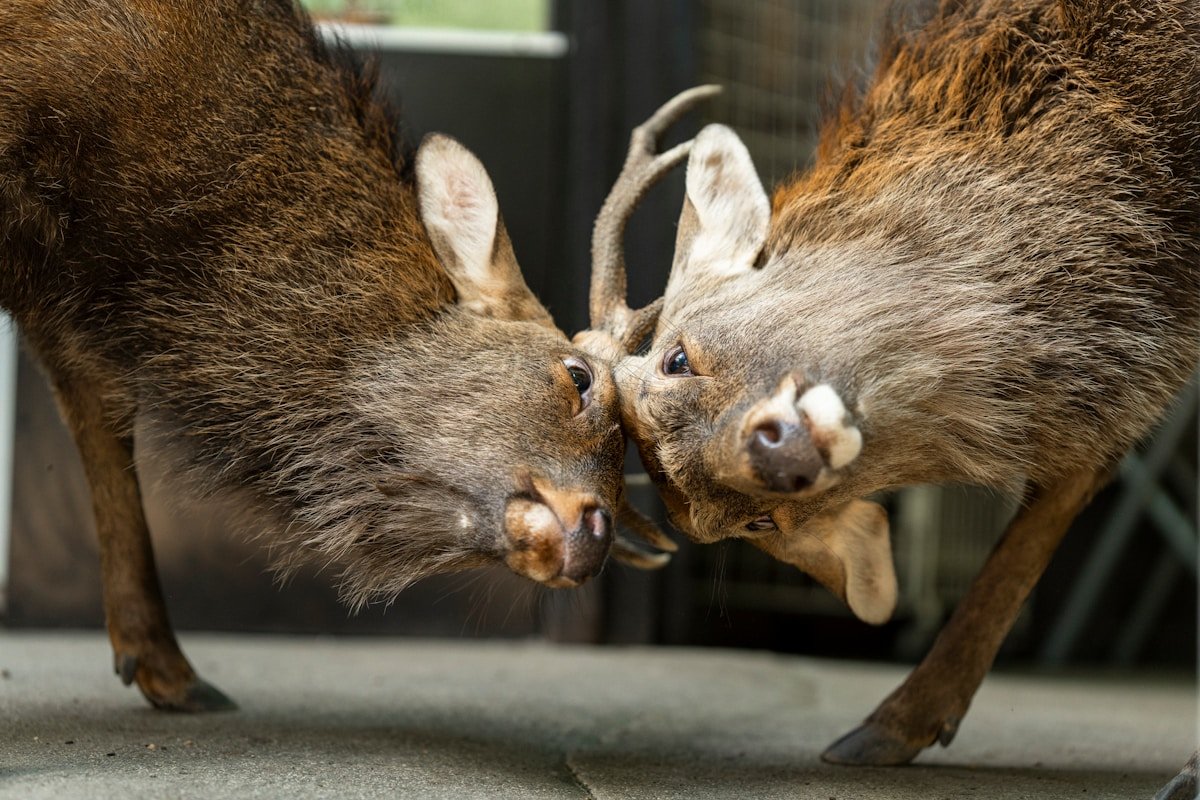
Nara Park is home to approximately 1,300 semi-wild deer, considered sacred messengers of the Kasuga Taisha deity. The deer roam freely through the park and surrounding streets, bowing for shika-senbei (deer crackers, ¥200 per bundle) sold by vendors throughout the park area. They are accustomed to people but will headbutt for crackers - hold bags away from your body and distribute crackers quickly. The experience of being surrounded by dozens of bowing deer is genuinely memorable and unlike anywhere else in Japan.
Todai-ji Temple (¥600) The main Daibutsu-den hall and the Great Buddha are the centrepiece of the visit. A wooden post near the altar has a small hole carved through it - the same diameter as the Buddha’s nostril - that visitors queue to crawl through for good luck. Allow 45 minutes inside the hall.
Kasuga Taisha (¥500 for inner precincts) The ancient Shinto shrine of the Fujiwara clan, with lantern-lined paths leading through old-growth forest on the edge of the park. The approach from Nara Park through the stone torii gates and forest takes about 20 minutes each way. The inner precincts with their hanging bronze lanterns are most atmospheric at dawn or dusk.
Kofuku-ji (free outer precincts; ¥700 for the National Treasure Museum) The Fujiwara family temple with a five-storey pagoda immediately visible from Nara Station. The octagonal Eastern Golden Hall (¥300) contains some of the finest Buddhist sculpture in Japan from the 8th to 15th centuries.
Naramachi The preserved merchant district south of Kofuku-ji has traditional machiya townhouses converted into craft shops, cafes, and restaurants. A relaxed area for lunch - set meals at the better restaurants run ¥1,200–¥2,000. Kakinoha-zushi (mackerel or salmon sushi wrapped in persimmon leaves) is the local food speciality.
Guided tours: Several Osaka-based operators run half-day Nara tours from approximately ¥6,000 per person including transport and guide. Full-day Kyoto and Nara combination tours are widely available from ¥12,000–¥18,000 and are bookable via GetYourGuide from central Osaka.
2. Himeji - Japan’s Best-Preserved Feudal Castle
Travel time: 55 minutes by JR Shin-Kaisoku from Osaka Station (¥1,520), or 30 minutes by Shinkansen from Shin-Osaka (¥3,570, covered by JR Pass) Best for: History, architecture, castle gardens Recommended time: Half day or full day
Himeji Castle is universally considered Japan’s finest surviving feudal castle - unlike most Japanese castles (including Osaka’s) that are 20th-century concrete reconstructions, Himeji’s main tower and fortifications are original 14th–17th century wooden structures. The complex was a UNESCO World Heritage Site in 1993 and received a major renovation completed in 2015.
The main keep (¥1,000 combined with Koko-en Garden) is a 6-storey wooden tower visible from 3 kilometres away. The interior climb through narrow staircases takes about 45 minutes, finishing at the 6th floor with views across the city and surrounding mountains. The castle’s white lime plaster walls and sweeping curved rooflines give it its local nickname, Shirasagi-jo (White Heron Castle).
Koko-en Garden (¥310 alone, or ¥1,000 combined with the castle) Nine connected Edo-period style gardens on the site of former samurai residences west of the main castle compound. The garden is excellent in cherry blossom season (late March) and late November for autumn colour.
Practical note: The castle exterior and most of the grounds are visible without entry. If you are combining Himeji with Kobe (see below), prioritise the castle interior and skip Koko-en unless time allows.
Guided tours: Walking tours of Himeji Castle with a licensed castle guide are available from the Himeji Tourism Office for approximately ¥1,000 per person and cover the castle’s history and architectural details. Full-day tours from Osaka combining Himeji and Kobe are bookable via GetYourGuide.
3. Kobe - Port City, Chinatown, and Steak
Travel time: 20 minutes from Osaka-Umeda (Hankyu Kobe Line, ¥330) or 26 minutes from Osaka Station by JR Kobe Line (¥420, covered by JR Pass) Best for: Food, harbour atmosphere, architecture, mountain views Recommended time: Half day or full day
Kobe’s identity as an open treaty port from 1868 left the city with a distinct international character visible in its architecture, food culture, and urban layout. The city sits between the Rokko mountain range and Osaka Bay - compact, walkable, and noticeably different in atmosphere from Osaka.
Kitano Ijinkan The former foreign residential district on the hillside above Kobe contains around 20 surviving 19th-century Western-style residences (ijinkan) built by American, British, French, German, and Dutch merchants. Several are open as museums (individual entry ¥500 each; a combined pass for multiple houses is available). The Weathercock House (Kazamidori-no-Yakata, ¥500) and the English House (Ei-Bei-Kan, ¥500) are the most visited.
Nankinmachi (Chinatown) A 250-metre covered street, compact but dense - one of Japan’s three major Chinatowns (alongside Yokohama and Nagasaki). Most interesting at lunch for roasted pork buns (nikuman, ¥300), shumai dumplings, and stir-fried dishes eaten standing. Arrive between noon and 2pm for the best selection.
Meriken Park and the Kobe Port Tower The waterfront promenade east of the harbour has the Kobe Port Tower (¥700 for the observation deck), the Port of Kobe Earthquake Memorial Park (free), and the Umie shopping mall with harbour-view cafes. Pleasant for a walk along the waterfront.
Kobe Beef Kobe is the origin of Japan’s most internationally known wagyu beef. A genuine Kobe beef lunch at a specialist restaurant costs ¥5,000–¥15,000 for a set meal - not a budget option, but distinctive. Restaurants in the Kitano and Sannomiya districts are the best starting point. Budget alternatives use less-expensive Tajima beef from the same Hyogo prefecture at ¥2,000–¥4,000.
Mount Rokko (accessible by cable car from Hankyu Rokko Station, ¥590 one way) The 931-metre ridge above Kobe offers views across Osaka Bay and, on clear days, to Osaka and Awaji Island. The summit has a botanical garden (¥200) and walking trails. The Nunobiki Herb Garden (¥1,200, accessible by ropeway from central Kobe) on the lower ridge is a better choice for a shorter time commitment.
4. Kyoto - Temple Districts and Traditional Culture
Travel time: 15 minutes from Shin-Osaka (Shinkansen, ¥3,000, covered by JR Pass) or 27 minutes from Osaka-Umeda (Hankyu Kyoto Line, ¥410) Best for: Buddhist temples, traditional streetscapes, gardens Recommended time: Full day (overnight recommended for deeper coverage)
Kyoto is 45 km from Osaka and shares many of the same public transport connections, making it the most visited day trip from Osaka. As Japan’s imperial capital for over 1,000 years (794–1868), Kyoto has more UNESCO World Heritage sites than any other city in Japan - 17 separate properties.
For a day trip, focus on one district rather than attempting multiple. Two recommended options:
Arashiyama district (western Kyoto): The bamboo grove behind Tenryu-ji temple (grove free; Tenryu-ji garden ¥500) is best visited before 9am to avoid crowds. Sagano Romantic Train (¥880 one-way, runs March–December, booking recommended) follows the Oi River gorge for 7.3km. The Togetsukyo Bridge and the view of the river surrounded by forested hills is the defining image of Kyoto’s landscape. Nonomiya Shrine (free) and the mossy garden paths leading north from the bamboo grove into the hills above Jojakko-ji (¥500) add another hour or two.
Higashiyama district (eastern Kyoto): Kiyomizu-dera temple (¥500, currently under renovation on some sections) sits on a forested hillside with a famous wooden terrace cantilevered over the slope - the phrase “jumping off the stage of Kiyomizu” is a Japanese expression for going all-in on a decision. Below the temple, Ninen-zaka and Sanen-zaka are two stone-paved lanes lined with preserved wooden machiya shops selling ceramics, lacquerware, and matcha sweets. Gion (the historic geisha district) is a 15-minute walk from the base of Kiyomizu, most characterful in the morning or early evening.
Guided tours: GetYourGuide offers numerous guided day tours from Osaka to Kyoto, including private tours of Nishiki Market and Fushimi Inari, cycling tours of the city, and dedicated Arashiyama experiences. Half-day tours from approximately ¥7,000 per person; full-day tours from ¥15,000.
5. Koyasan - Mountain Temple Town and Overnight Cemetery
Travel time: 1 hour 40 minutes by Nankai Koya Line from Osaka-Namba (¥1,370 one-way, last section by cable car ¥390) Best for: Buddhist atmosphere, mountain scenery, unique experience Recommended time: Full day, or overnight for greater atmosphere
Koyasan (Mount Koya) is the headquarters of Shingon Buddhism in Japan, founded in 816 AD by the monk Kukai (Kobo Daishi). The mountain town at 867m altitude sits on a plateau surrounded by dense cedar forest and contains over 100 temples.
Okunoin Cemetery The most visited and most impressive site - a 2-kilometre stone-paved path through a moss-covered cemetery containing over 200,000 stone monuments, many buried in the roots of 1,000-year-old cryptomeria cedars. The path leads to the Torodo Lantern Hall (free) where 10,000 lanterns have burned continuously since the 11th century. Visit at dusk or after dark for maximum atmosphere (the cemetery is open 24 hours).
Kongobu-ji (¥1,000) The main monastery of the Koyasan sect, with impressive sliding-door panel paintings and the largest rock garden in Japan (236 granite rocks in raked gravel). Allow 45 minutes.
Danjo Garan (¥500 for the Konpon Daito pagoda) The central temple precinct with a large vermilion pagoda visible through the cedar trees. Combined with Kongobu-ji and Okunoin, this covers the essential circuit of Koyasan in 4–5 hours.
Shukubo (temple lodging): Staying overnight at a temple guesthouse is the most compelling reason to extend beyond a day trip. Rates from ¥12,000–¥18,000 per person including vegetarian Buddhist meals (shojin ryori). Approximately 55 of Koyasan’s temples take guests.
Day Trip Comparison
| Destination | Travel Time | Cost Each Way | Best For | Time Needed |
|---|---|---|---|---|
| Nara | 36–50 mins | ¥680–¥840 | Deer park, Todai-ji temple | Full day |
| Himeji | 30–55 mins | ¥1,520–¥3,570 | Best surviving castle in Japan | Half to full day |
| Kobe | 20–26 mins | ¥330–¥420 | Port city, Kobe beef, Chinatown | Half to full day |
| Kyoto | 15–27 mins | ¥410–¥3,000 | Temple districts, traditional streets | Full day |
| Koyasan | 1h 40m | ¥1,760 (train + cable car) | Buddhist atmosphere, cemetery | Full day or overnight |
Prices listed are approximate as of 2026. All train fares are one-way.
Make the most of your time around Osaka: Guided day trips from Osaka handle the logistics - transport, guide, and timing - so you can focus on the experience. For airport arrivals and departures, Kiwitaxi offers fixed-price airport transfers with no meter surprises.
Booking Guided Day Tours from Osaka
Independent travel is straightforward for all destinations above - trains run frequently and signage at stations is well-maintained in English. Guided tours make sense if you want cultural context and commentary, prefer the convenience of a group itinerary, or are visiting during peak season when individual planning takes more coordination.
GetYourGuide lists Osaka-based day tours to all five destinations including private options. The most popular are the Nara deer park walking tour (approximately ¥6,500 per person, half-day), the Himeji and Kobe combination tour (full-day, approximately ¥14,000), and various Kyoto options ranging from Fushimi Inari sunrise tours (half-day) to full-day private itineraries.
Where to stay: Search hotels in Osaka on Booking.com
See also: Osaka travel guide · Kyoto city guide · Nara city guide · Kobe city guide · Hiroshima travel guide · Best tours in Osaka · Kansai region guide · Japan Rail Pass guide