Osaka rewards wandering as much as planning. The 20 activities below cover the city’s highlights - from the essential free experiences to worthwhile paid attractions - with honest notes on pricing, timing, and what to expect.
1. Walk the Dotonbori Canal
Cost: Free | Best time: After 6pm
Dotonbori is Osaka’s most iconic strip - a 1km canal walkway lined with illuminated restaurant signs, giant mechanical crabs, the Glico Man running neon, and the continuous smell of frying food. The canal bridges and adjacent Ebisubashi pedestrian area fill to capacity on weekend evenings.
Walk from the Shinsaibashi bridge west to the Dotonbori Kani Doraku restaurant (the enormous mechanical crab marks the western end), then back east along the canal-level path. Budget 30 minutes for the walk alone, plus eating time. The area is genuinely photogenic after dark.
2. Visit Osaka Castle and Park
Cost: ¥600 (tower museum), park free | Hours: 9am–5pm daily
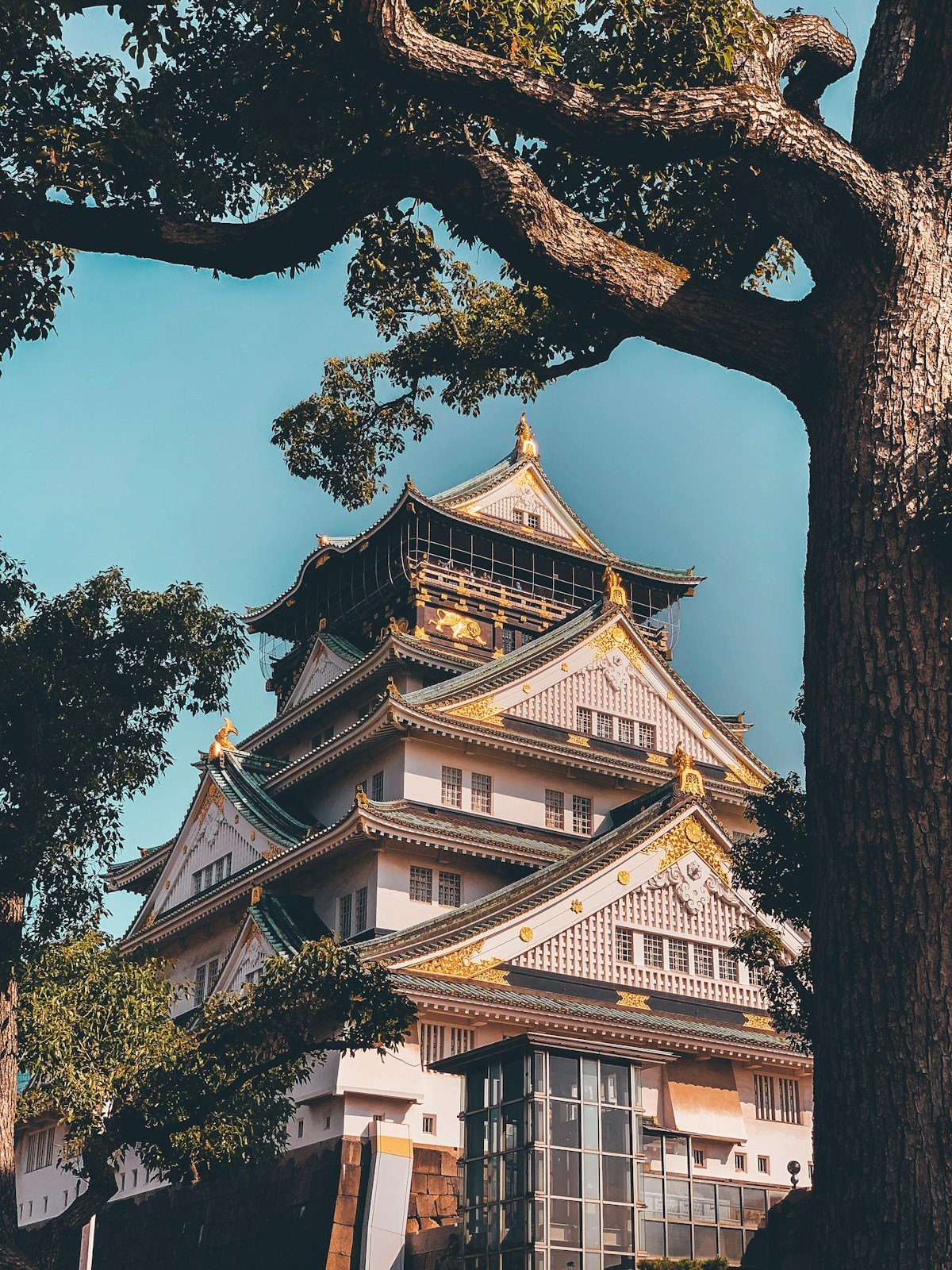
Osaka Castle’s current keep is a 1931 reinforced concrete reconstruction of Toyotomi Hideyoshi’s original 1583 structure. The park surrounding it - 106 hectares of tiered stone walls, moats, and tree-lined avenues - is exceptional in any season. In spring the Nishimaru Garden (¥350 entry in cherry blossom season) has 600 cherry trees; in autumn, the ginkgos along the main approach turn bright yellow.
The museum inside the keep covers the Sengoku period and Hideyoshi’s legacy with good English labelling and interesting scale models. Allow 2–3 hours for the park and museum combined.
3. Kuromon Ichiba Market Food Tour
Entry: Free | Food budget: ¥1,500–¥3,000 | Hours: Most stalls 8am–6pm
Kuromon Ichiba - “Osaka’s Kitchen” - is a 180-stall covered market running 580 metres between Nippombashi and Nipponbashi-suji. The produce quality is high and the tasting options are considerable: grilled oysters (¥300–¥500 each), wagyu skewers (¥800–¥1,500), fresh sea urchin on rice (¥1,000–¥1,500), sashimi, and tamago yaki (¥250).
Arrive before 11am on weekdays for the best atmosphere. The market closes by 6pm and many stalls wind down earlier. The best approach is to walk the entire length first, identify what you want, then circle back.
Our Osaka food tours guide compares the guided options for Dotonbori, Shinsekai and the market.
4. Eat Kushikatsu in Shinsekai
Cost: ¥1,500–¥2,500/person | Best time: Lunch or early evening
The Shinsekai district is the original home of Osaka kushikatsu - battered and deep-fried skewers of protein, vegetable, and seafood dipped in a thick Worcester-based sauce. The rule is ironclad and posted at every restaurant: never double-dip. The shared sauce is communal; use a cabbage leaf to apply more sauce to your skewer if needed.
Daruma (multiple Shinsekai branches, skewers from ¥150–¥300 each): The most consistent chain in the district. An average meal of 8–12 skewers with a beer runs ¥1,500–¥2,000. Try the lotus root, quail egg, and cheese varieties alongside the pork and shrimp.
Isuzu (near Tsutenkaku Tower): A slightly more local feel, similar prices, slightly shorter queues at lunch.
5. Kaiyukan Aquarium
Cost: ¥2,400 adult, ¥1,200 child | Hours: 10am–8pm (last entry 7pm)
One of the world’s largest aquariums, designed around a central 34-metre, 5,400-tonne Pacific Ocean tank. Whale sharks, manta rays, and schools of tuna circulate through this central tank across multiple levels. The Japan Forest section - freshwater fish, giant salamander - and the Antarctic exhibit with penguins are highlights alongside the main tank.
Allow 2–3 hours. The aquarium is most crowded on weekend afternoons; weekday mornings are significantly quieter. Located at Tempozan Harbour Village, 15 minutes from Namba by subway (Chuo Line to Osakako Station).
6. Tempozan Ferris Wheel
Cost: ¥900 | Hours: 10am–10pm (Wednesday closed)
Adjacent to the aquarium, the 112.5-metre Tempozan Ferris Wheel was the world’s largest when it opened in 1997. A single circuit takes 15 minutes and provides clear views across Osaka Bay, the Akashi Kaikyo Bridge in the distance, and the city extending east. The gondolas are glass-bottomed on some cars.
The Naniwa Food Court at the base has reasonable takoyaki and ramen options for a post-aquarium meal.
7. Umeda Sky Building
Cost: ¥1,500 | Hours: 9:30am–10:30pm daily
The Umeda Sky Building is a 173-metre twin-tower structure connected at the top by a floating garden observatory (Kuchu Teien) with a full 360-degree open-air rooftop. At night, Osaka’s grid lights up in every direction. The observation deck is genuinely elevated - it projects past the building’s edge with nothing below.
The Showa-era Takimi-koji restaurant lane in the basement (modelled on a 1930s Osaka neighbourhood) is worth a quick visit even without dining.
8. teamLab Botanical Garden Osaka
Cost: ¥3,200 | Hours: Varies seasonally, typically 5pm–10pm | Season: Check website for current run dates
teamLab’s Osaka installation uses Nagai Botanical Garden as its setting for digital art works that project onto living plants - flowers that bloom in response to movement, digital animals that react to visitors, light sequences that follow the contours of trees. The after-dark setting adds atmosphere that the indoor teamLab venues in Tokyo can’t replicate.
Book online in advance. This experience frequently sells out 2–3 weeks ahead during popular periods. Not open year-round - check current dates.
9. Namba Yasaka Shrine
Cost: Free | Hours: Always open
The giant lion-head stage (Ema-den) at Namba Yasaka Shrine - 12 metres tall with a mouth that serves as a stage - is one of Osaka’s more unusual architectural surprises. The shrine dates to the late 7th century and is dedicated to the deity Susanoo-no-Mikoto. The festival season (January and July) brings traditional performances to the lion-head stage.
It’s a five-minute walk from Namba Station and makes a worthwhile stop on a Shinsekai-to-Namba walk.
10. Tsuruhashi Koreatown
Cost: Free to browse | Hours: Most shops 10am–6pm (some close Tuesday)
Tsuruhashi is home to Japan’s largest Korean market - a dense covered market of perhaps 1,000 stalls selling Korean pickles (kimchi in every variation), barbecue meat cut to order, traditional Korean clothing, and cosmetics. The market has operated continuously since the post-war period.
The surrounding streets have the highest concentration of yakiniku (Korean barbecue) restaurants in Japan. Budget ¥2,500–¥4,000 per person for a proper yakiniku lunch or dinner. The market browsing itself is free.
11. Nakazakicho Art and Vintage District
Cost: Free | Hours: Shops typically noon–7pm
Nakazakicho, northwest of central Osaka, is a neighbourhood of preserved pre-war machiya townhouses that have been converted into vintage clothing shops, independent cafes, small galleries, and studios. It’s the most relaxed and creative neighbourhood in central Osaka - the antithesis of Dotonbori’s intensity.
The main shopping lanes around Nakazaki-cho Station (Tanimachi Line) reward 1–2 hours of wandering. Coffee at one of the machiya cafes (¥500–¥700) is worth building in.
12. Takoyaki Making Class
Cost: ¥3,000–¥5,000 | Duration: 1.5–2 hours
Several cooking schools in central Osaka offer takoyaki-making sessions - learning to use the specialised iron mould, the technique of turning each ball at precisely the right moment, and making the batter from scratch. Most classes are in English and include dashi broth, pickled ginger, bonito flakes, and the two key sauces.
Osaka Cooking Class (near Namba) runs well-reviewed sessions from ¥3,500 including all ingredients and a recipe card. The result is 20–30 takoyaki balls that you eat at the end of the session.
13. Craft Beer in Minami
Cost: ¥700–¥1,200/glass | Best time: Evening
Osaka’s craft beer scene has grown substantially over the past decade. The Minami (south) area around Namba and Shinsaibashi has several specialist bars. Craft Base Sakaisuji (near Nipponbashi) has 12 rotating taps of Japanese craft beer, with many local Osaka and Kansai brewery offerings at ¥700–¥900 per glass.
Minoh Beer Taproom in Nakatsu (the brewery that makes Minoh Beer, one of Japan’s best craft breweries) serves the full range including their W-IPA and stout at brewery prices (¥700–¥900/glass).
14. Sumiyoshi Taisha Shrine
Cost: Free | Hours: 6am–5pm (6:30am start in winter)
One of Japan’s oldest and most architecturally significant Shinto shrines, Sumiyoshi Taisha predates the influence of Chinese continental styles in Japanese architecture and preserves a style (sumiyoshi-zukuri) seen almost nowhere else. The complex of four connected main halls and the distinctive arched stone bridge over the carp pond are peaceful and much less visited than Kyoto’s major shrines.
About 20 minutes south of Namba by Nankai Line (¥180).
Planning around the weather? See our best time to visit Osaka guide.
15. Osaka Museum of History
Cost: ¥600 | Hours: 9:30am–5pm (closed Tuesday)
The museum occupies the upper floors of a modern building adjacent to Osaka Castle, with floor-to-ceiling windows looking directly across to the castle keep. Ten floors of exhibits cover Osaka’s history from the ancient Naniwa Palace through the merchant period to post-war reconstruction. The scale models of Dotonbori at its 1920s peak are remarkable.
Good English audio guide available (¥300 rental).
16. Namba Parks Rooftop Garden
Cost: Free | Hours: 11am–9pm
Namba Parks is a shopping complex built around a canyon-concept design, with a terraced rooftop park of plants and landscaping rising eight stories above street level. It’s genuinely surprising - the amount of greenery in the centre of the shopping district creates a calm that contrasts with the Dotonbori intensity nearby.
The rooftop garden is free to access; the building also contains good restaurants on multiple levels.
17. Den Den Town Electronics District
Cost: Free to browse | Hours: Most shops 10am–8pm
Den Den Town (Nipponbashi to Ebisucho) is Osaka’s equivalent of Tokyo’s Akihabara - electronics, anime goods, manga, and gaming culture concentrated in a pedestrian-accessible area. The electronics variety is genuinely impressive, and for visitors interested in Japanese consumer electronics or anime merchandise, the prices and selection are competitive.
About 10 minutes’ walk east of Dotonbori.
18. Shinsaibashi Shopping Arcade
Cost: Free to browse | Hours: Shops typically 11am–9pm
The Shinsaibashi-suji covered arcade runs 600 metres from Shinsaibashi Station south toward Namba. It contains around 180 shops ranging from 100-yen stores to flagship international fashion. The cross street, Amemura (American Village), has the highest concentration of streetwear and vintage shops in Osaka.
19. Willer Bus to Kyoto
Cost: From ¥600 | Journey: 70–80 minutes
The Willer Bus service between Osaka (Namba OCA Bus Terminal) and Kyoto (Kyoto Station or Gion area) is the cheapest transport option between the two cities. It’s slower than the train (70–80 minutes vs. 29 minutes JR) but useful for evening journeys after 11pm when train frequency drops, or for budget-focused itineraries.
Short on time? Our 3 days in Osaka itinerary fits the highlights into a three-day route.
20. Day Trip to Kobe for Wagyu Beef
Cost: ¥390 JR each way, Kobe beef lunch ¥3,000–¥7,000 | Journey: 30 minutes JR from Osaka
Kobe is 30 minutes west of Osaka by JR and the most food-focused day trip from the city. The Wagyu beef here - certified A4 or A5 grade Tajima cattle - is served at teppanyaki restaurants throughout Sannomiya. A lunch set at Steakland Kobe starts from ¥3,000 (150g sirloin). Wakkoqu from ¥5,000. Mouriya Honten from ¥7,000.
The Kitano-cho Western-style residences, Harborland waterfront, and Chinatown add cultural texture to what could otherwise be purely a food journey.
Osaka vs Kyoto vs Tokyo - Which City for Which Traveller
| Priority | Best city |
|---|---|
| Street food and casual eating | Osaka |
| Traditional temples and shrines | Kyoto |
| Modern art and contemporary culture | Tokyo |
| Nightlife and entertainment | Osaka or Tokyo |
| Day trip access to multiple destinations | Osaka (Kyoto, Nara, Kobe all under 1 hour) |
| Budget accommodation | Osaka (30–40% cheaper than Kyoto or Tokyo centre) |
| Ancient Japanese history | Kyoto or Nara |
| Shopping (high fashion) | Tokyo |
| Shopping (street fashion, vintage) | Osaka |
| First-time Japan visit | Tokyo first, then Osaka/Kyoto |
Where to stay: Search hotels in Osaka on Booking.com
Explore Osaka: Tours and activities in Osaka - city walks, food tours, and day trips from Osaka.
See also: Osaka travel guide · Where to stay in Osaka · Best restaurants in Osaka · Day trips from Osaka · Best tours in Osaka · Universal Studios Japan guide · Osaka food guide · Kansai region guide