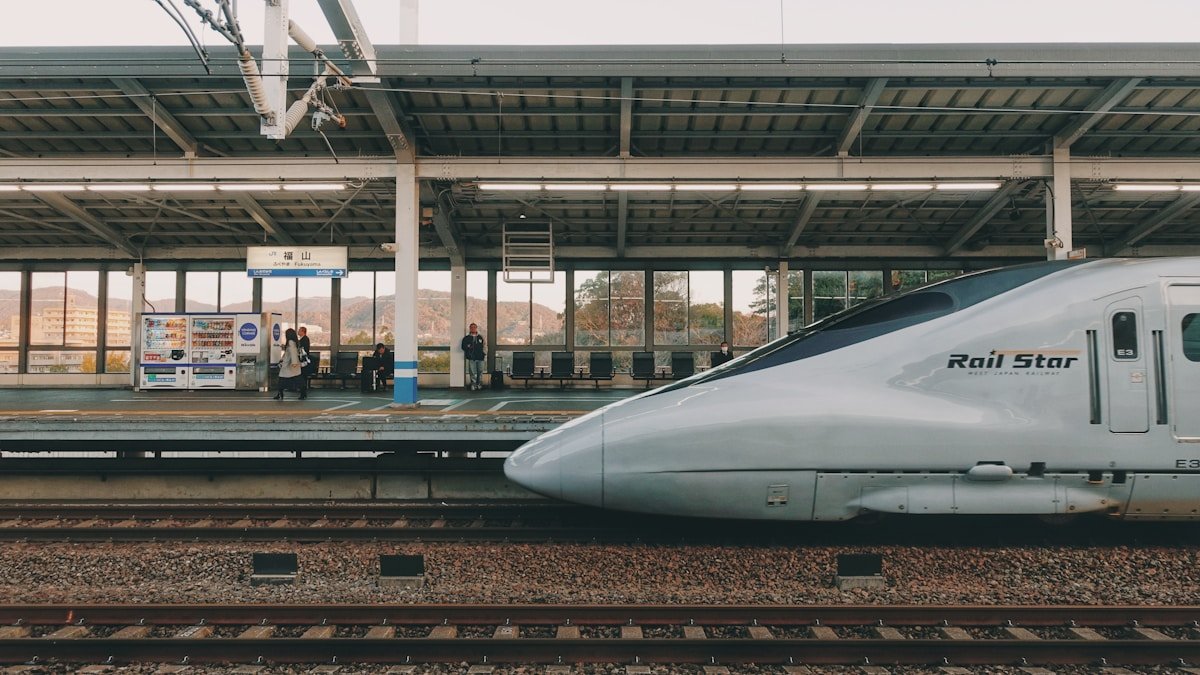
The national JR Pass gets most of the attention, but for the majority of Japan itineraries, regional passes are the better buy. They are cheaper, they cover the trains you actually use within each area, and they often include perks — discounted entry, ferry routes, and bus routes — that the national pass does not.
This guide covers the four main regional pass zones: Kansai, Kyushu, Hokkaido, and Tohoku. We break down who each pass is for, what it costs, and how it stacks up against buying individual tickets.
Why Regional Passes Beat the National Pass for Many Itineraries
The national 7-day JR Pass costs approximately ¥50,000 as of 2026. It makes sense when you are crossing multiple regions in quick succession. But if your trip is focused — two weeks in Kansai, or a Hokkaido ski trip — you pay for a national pass and use only a fraction of its network.
Regional passes start at approximately ¥4,000 for 3 days. Even the most comprehensive regional options cap out well below the national pass price. The tradeoff is geographic restriction: each pass covers its own zone only.
Kansai Area Pass
Best for: Visitors spending most of their trip in Kyoto, Osaka, Nara, Kobe, and Kansai International Airport.
The Kansai Area Pass covers JR local and rapid trains across the Kansai region. This includes:
- The JR Nara Line (Kyoto to Nara, approximately 45 minutes)
- JR trains between Osaka, Kyoto, Kobe (Sannomiya), and Himeji
- The Haruka Airport Express between Kansai Airport and Tennoji/Shin-Osaka (the main reason many tourists buy this pass)
What it does not cover: Shinkansen, private railways (Hankyu, Kintetsu, Keihan), Osaka Metro, or Kyoto city buses. You still need an IC card for subways and buses within each city.
2026 prices (approximate):
| Duration | Price |
|---|---|
| 1 day | approx. ¥2,400 |
| 2 days | approx. ¥4,600 |
| 3 days | approx. ¥5,600 |
| 4 days | approx. ¥6,800 |
Is it worth it?
Run the numbers for your specific journey. A single Haruka Express trip from Kansai Airport to Kyoto costs approximately ¥3,800. If you are also making a Kyoto–Nara day trip (approximately ¥720 return) and travelling Osaka–Kobe twice (approximately ¥830 total), a 2-day pass at ¥4,600 pays for itself comfortably.
If you are only making one airport transfer and spending the rest of your time on Osaka Metro and buses, an IC card and individual ticket for the Haruka is cheaper.
Where to buy: At Kansai International Airport (the Haruka counter), major JR stations in Osaka and Kyoto, and online via JR West’s English website. Can be purchased inside Japan.
JR Kyushu Pass
Best for: Visitors exploring Kyushu island — Fukuoka, Nagasaki, Kumamoto, Kagoshima, Beppu, and Miyazaki.
JR Kyushu operates the island’s rail network and offers the most flexible regional pass system in Japan, with options covering all of Kyushu or just the northern half.
Coverage options:
- All Kyushu Pass: Covers the entire island including Shinkansen between Hakata (Fukuoka) and Kagoshima-Chuo. This is the primary pass for a full Kyushu loop.
- Northern Kyushu Pass: Covers Fukuoka, Nagasaki, Sasebo, and Kumamoto — the most popular destinations on the island.
- Southern Kyushu Pass: Covers Kumamoto, Kagoshima, Miyazaki, and Nichinan line to Aoshima.
2026 prices (approximate):
| Pass type | 3 days | 5 days |
|---|---|---|
| All Kyushu | approx. ¥20,000 | approx. ¥22,000 |
| Northern Kyushu | approx. ¥8,500 | approx. ¥10,500 |
| Southern Kyushu | approx. ¥6,500 | approx. ¥8,500 |
Is it worth it?
A Hakata–Nagasaki–Kumamoto–Kagoshima loop covers approximately ¥19,000–¥22,000 in individual fares. A 3-day All Kyushu Pass at approximately ¥20,000 breaks even at that pace — and you get unlimited travel including the Shinkansen to Kagoshima.
If you are only visiting Fukuoka for a few days with one day trip to Nagasaki, individual tickets cost less than the Northern Kyushu Pass.
Notable bonus: JR Kyushu passes often include discounts at hotels, attractions, and restaurants on the island. The booklet included with the pass is worth checking — some discounts are significant.
Where to buy: JR Kyushu stations, Hakata Station, Fukuoka Airport, and the JR Kyushu official English website. Can be purchased inside Japan. Some passes require a tourist visa stamp check.
JR Hokkaido Pass
Best for: Visitors exploring Hokkaido — Sapporo, Hakodate, Asahikawa, Niseko, and the eastern wilderness areas.
Hokkaido’s JR network is more spread out and less dense than Honshu. Journey times between cities are long, and fares add up quickly. The JR Hokkaido Pass covers all JR trains on the island including the Hokkaido Shinkansen to Shin-Hakodate-Hokuto.
2026 prices (approximate):
| Duration | Ordinary class |
|---|---|
| 3 days | approx. ¥9,500 |
| 5 days | approx. ¥11,000 |
| 7 days | approx. ¥14,000 |
Is it worth it?
Hakodate to Sapporo by limited express (Hokuto) takes approximately 3 hours 30 minutes and costs approximately ¥8,960 one-way. Add a Sapporo–Asahikawa round trip (approximately ¥6,080 return), and a 3-day pass at ¥9,500 breaks even on just two journeys.
Niseko access via local JR train from Otaru is included, making this pass useful for ski trip itineraries combining Sapporo and Niseko.
Important: The Hokkaido Shinkansen extension to Sapporo is under construction and not expected to open until after 2030. Current Shinkansen coverage in Hokkaido ends at Shin-Hakodate-Hokuto — the final leg to Hakodate city uses a conventional limited express.
Where to buy: Major JR Hokkaido stations, Sapporo Station, New Chitose Airport, and the JR Hokkaido official website. Available to both tourists and residents.
For Tokyo–Hokkaido travel: Consider the JR East-South Hokkaido Pass, which covers the Shinkansen from Tokyo north through Tohoku to Shin-Hakodate-Hokuto. Useful if you are flying into Tokyo and taking the train to Hokkaido rather than a domestic flight.
JR East Pass (Tohoku)
Best for: Visitors exploring Tohoku — Sendai, Aomori, Morioka, Nikko, and the northeastern countryside — or those travelling between Tokyo and the Tohoku region.
The JR East Pass (Tohoku area) covers all JR East trains in the Tohoku region including the Tohoku and Akita/Yamagata Shinkansen north from Tokyo. This is the main pass for anyone doing the northeast circuit: Nikko, Sendai, Matsushima, Aomori, Hirosaki.
2026 prices (approximate):
| Duration | Ordinary class |
|---|---|
| 5 days (flexible) | approx. ¥20,000 |
The JR East Pass uses a flexible system: you select 5 non-consecutive days within a 14-day validity window. This suits itineraries where you spend multiple nights in one city before moving on.
Is it worth it?
Tokyo to Sendai Shinkansen: approximately ¥11,000 one-way. Tokyo to Aomori: approximately ¥17,600. A Tokyo–Sendai–Aomori–Tokyo Shinkansen loop totals approximately ¥57,200 in individual fares — but the pass at ¥20,000 covers all of that on 3–4 travel days, with 1–2 more days free for Nikko or local JR lines.
This is one of the clearest value propositions of any regional pass: if you are doing Tokyo to Tohoku and back, the maths strongly favours the pass.
Where to buy: JR East’s official website (English), major JR East stations, and Narita/Haneda airport JR offices. Some passes are only sold to non-Japanese residents — check eligibility.
Comparing All Regional Passes at a Glance
| Pass | Region | From | Shinkansen included? | Best for |
|---|---|---|---|---|
| Kansai Area Pass | Kyoto, Osaka, Nara, Kobe | approx. ¥2,400 (1 day) | No | Airport transfer + Kansai day trips |
| JR Kyushu Northern Pass | Fukuoka, Nagasaki, Kumamoto | approx. ¥8,500 (3 days) | No (some limited express) | Northern Kyushu loop |
| JR Kyushu All Pass | Full island | approx. ¥20,000 (3 days) | Yes (to Kagoshima) | Full Kyushu circuit |
| JR Hokkaido Pass | Hokkaido island | approx. ¥9,500 (3 days) | Partial (to Shin-Hakodate-Hokuto) | Sapporo, Hakodate, Niseko |
| JR East Pass Tohoku | Tohoku + Tokyo Shinkansen | approx. ¥20,000 (5 flexible days) | Yes (Tohoku Shinkansen) | Tokyo–Tohoku circuit |
When to Still Buy the National JR Pass
If your itinerary crosses multiple regions — say Tokyo to Kyushu and back, or Tokyo to Hokkaido to Tohoku — the national pass likely wins. Calculate the individual fares using Google Maps or Hyperdia, add them up, and compare against the 7-day (approximately ¥50,000) or 14-day (approximately ¥80,000) national pass. See our JR Pass vs individual tickets guide for the full break-even analysis.
Where to Buy Regional Passes
Most regional passes can be purchased at:
- The issuing company’s airport counter on arrival
- Major JR stations within the region
- Official English-language websites for advance purchase
JR West handles Kansai and western routes. JR Kyushu handles all of Kyushu island. JR Hokkaido handles Hokkaido. JR East handles Tokyo north through Tohoku and into Hokkaido.
Prices and coverage on all regional passes change periodically — confirm current rates on the issuing company’s official website before you book. Regional passes are priced more modestly than the national pass and are rarely increased dramatically, but minor adjustments do occur.
Plan Your Trip
Choosing the right rail pass is easier once you know your route. If you’re covering Osaka, Kyoto, and Hiroshima, our Kansai and Kyushu itinerary maps out the best sequence and which pass covers each leg. For a full comparison of the national JR Pass versus regional options, see our JR Pass alternatives guide.
Plan Your Trip
- Flights - Find the best fares to Japan
- Travel Insurance - Get covered before you go
- eSIM - Stay connected from landing
- Car Rental - Compare prices across providers
See also: Japan Rail Pass guide · JR Pass alternatives · Which regional pass for your route · Getting around Japan · Japan shinkansen guide