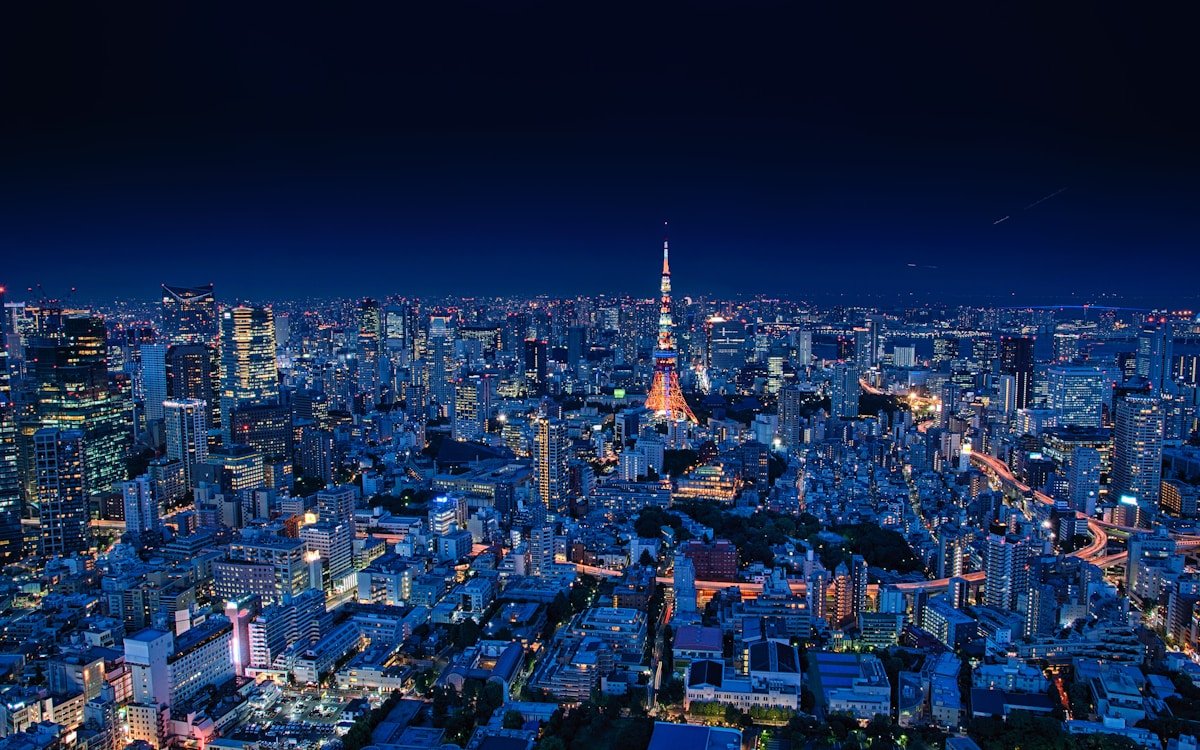
Tokyo and Seoul are two of Asia’s most visited cities and frequent rivals in traveller comparisons. Both are world-class metropolises with extraordinary food, seamless public transport, and cultural experiences impossible to replicate elsewhere. The differences come down to personality: Tokyo is precise, layered, and quietly overwhelming; Seoul is direct, energetic, and immediately welcoming.
Key Differences Between Tokyo and Seoul
The core difference is cost vs. cultural density. Seoul runs approximately 25–35% cheaper across accommodation, dining, and entertainment. Tokyo delivers more accumulated layers - 13 metro lines, thousands of distinct neighbourhoods, the world’s highest Michelin star count, and cultural traditions that reward slower travel.
Language barrier: Tokyo has better English signage in tourist zones and more pictorial menus - marginally easier for first-timers. Seoul’s subway announcements are in English, and younger Koreans are often willing to help; the gap is small in practice.
Pace: Tokyo is compartmentalised - Shibuya is entirely different from Yanaka, which is entirely different from Roppongi. Seoul feels more unified: the Han River runs through the city, the mountains are always visible, and the energy is consistently high. Tokyo rewards depth; Seoul rewards breadth.
Food culture: Tokyo’s food culture is about precision and craft - ramen shops that have perfected one bowl for 30 years, depachika basement halls with dozens of bento styles. Seoul’s is about sociality - Korean BBQ is a communal event, fried chicken arrives in delivery bags within 20 minutes, and pojangmacha tents feed crowds until 3am.
Pop culture pull: K-pop, K-drama, and Korean beauty have a stronger global moment right now. Tokyo’s anime, manga, and gaming culture is older and deeper, but Seoul’s cultural exports are currently reaching more first-time travellers.
Quick Verdict
| Category | Tokyo Wins | Seoul Wins |
|---|---|---|
| Value for money | - | Yes |
| Traditional culture | Yes | Yes (different) |
| K-pop and K-culture | - | Yes |
| Anime and pop culture | Yes | - |
| Street food | - | Yes (markets, pojangmacha) |
| Fine dining | Yes (Michelin density) | Yes (improving rapidly) |
| Nightlife | Yes (different style) | Yes (Hongdae, Itaewon) |
| Transport ease | Yes (complex but excellent) | Yes (simpler to learn) |
| Shopping | Yes (Harajuku, Shibuya) | Yes (Myeongdong, Dongdaemun) |
| Outdoor/hiking | - | Yes (Bukhansan in city) |
Tokyo wins for cultural depth, Michelin dining, and iconic bucket-list experiences. Seoul wins for value, K-culture immersion, and social eating culture.
When to Visit
Both cities experience four distinct seasons with similar timing.
Spring (March–May) is the prime season in both cities. Tokyo’s cherry blossoms peak in late March to early April (Ueno Park, Shinjuku Gyoen); Seoul’s cherry blossoms peak slightly later (Yeouido, Seokchon Lake, late March to early April). Temperatures are ideal in both cities: 12–20°C, low humidity. Book accommodation 3–4 months ahead for the first two weeks of April.
Summer (July–August) is hot and humid. Tokyo averages 33°C and 80% humidity; Seoul is similar at 30°C with a monsoon period (jangma) in June–July. Neither is an ideal summer destination, but Tokyo’s underground infrastructure (air-conditioned metro, massive covered shopping complexes) makes the heat more manageable.
Autumn (October–November) is excellent in both cities. Seoul’s Bukhansan National Park and Changdeokgung Secret Garden are stunning in fall foliage. Tokyo’s Shinjuku Gyoen and Rikugien garden have beautiful late November maples.
Winter (December–February) is cold in Seoul (often below 0°C) and milder in Tokyo (3–10°C). Both cities are enjoyable in winter - lower crowds, lower prices, and excellent seasonal food.
Cost Comparison
| Expense | Tokyo | Seoul |
|---|---|---|
| Hostel dorm | ¥3,500–6,000 (USD 23–40) | KRW 20,000–35,000 (USD 15–27) |
| Mid-range hotel | ¥18,000–35,000 (USD 120–235) | KRW 90,000–180,000 (USD 70–140) |
| Street food snack | ¥400–800 (USD 2.70–5.30) | KRW 3,000–8,000 (USD 2.30–6) |
| Sit-down dinner | ¥2,500–5,000 (USD 17–33) | KRW 18,000–40,000 (USD 14–31) |
| Metro ride | ¥200–300 (USD 1.30–2) | KRW 1,400 (USD 1.10) |
| Museum entry | ¥500–2,000 (USD 3.30–13) | KRW 3,000–10,000 (USD 2.30–7.70) |
| Daily budget | USD 80–140 | USD 55–95 |
Seoul’s affordability advantage is most pronounced at accommodation and everyday dining. Japanese food is not expensive by international standards - but Korean food is remarkably cheap for its quality.
Top Experiences
Tokyo
Tokyo’s experience list defies compression. For a 4-night stay, the essentials: Shibuya Crossing at rush hour (5pm weekday), the Tsukiji outer market at dawn for raw tuna over rice, Akihabara for anime and electronics culture, Harajuku’s Takeshita Street for youth fashion, and Shinjuku Golden Gai for late-night bar culture in Japan’s most densely packed entertainment district.
Cultural anchors: the Tokyo National Museum in Ueno (entry ¥1,000, Japan’s largest art collection), Senso-ji temple in Asakusa (free, open 24 hours), and Roppongi’s Mori Art Museum (entry ¥2,000, open until 10pm). Technology culture: teamLab Planets in Toyosu (entry ¥3,800, advance booking essential) is the definitive digital art experience. For day trips, see our best tours in Tokyo and 3 days in Tokyo itinerary.
Seoul
Seoul’s geography rewards urban exploration. The Gyeongbokgung Palace (entry KRW 3,000, includes adjacent National Folk Museum) is the most visited historical site - the 10am Changing of the Guard ceremony is free. Hanbok rental from shops near the north gate (from KRW 15,000/2 hours) for visiting the palace grounds is a popular experience.
Bukhansan National Park covers the northern edge of the city - granite peaks over 800 metres, with city views from the summit of Baegundae (3–4 hours round trip from the park entrance, free). The park entrance is reachable by metro and bus in approximately 50 minutes from central Seoul.
The DMZ (Demilitarized Zone) is Seoul’s most unique day trip - the only place on Earth where you can peer into North Korea through binoculars. Guided tours from Seoul run approximately KRW 60,000–100,000 (USD 46–77 as of 2026) and include Panmunjom/JSA if you book a UN Command JSA tour in advance. Gwangjang Market (Jongno-gu) is the essential street food experience: bindaetteok (mung bean pancakes, KRW 4,000), mayak gimbap (sesame rice rolls, KRW 2,000), and raw beef yukhoe from stalls that have operated for decades.
Food and Drink
Tokyo holds more Michelin stars than any city in the world. The everyday food culture is equally impressive: standing ramen shops (¥1,000–1,500 a bowl), conveyor-belt sushi restaurants where plates run ¥130 each, and basement depachika (department store food halls) where bento boxes are art forms.
Seoul has created a global food culture moment. Korean BBQ (samgyeopsal - grilled pork belly at the table) is the social experience: approximately KRW 15,000–20,000 per person at a good restaurant. Chimaek (Korean fried chicken and beer) is an institution - the chicken quality in Mapo-gu and Hongdae is extraordinary, from approximately KRW 18,000 for half a chicken plus delivery. The Dongdaemun Design Plaza area has a concentration of pojangmacha (street food tents open late): tteokbokki (spicy rice cakes), odeng (fish cake skewers), and soondubu-jjigae (soft tofu stew) from KRW 3,000–8,000.
Nightlife
Tokyo’s nightlife runs in distinct zones. Shinjuku’s Kabukicho and adjacent Golden Gai are the densest entertainment districts - over 200 tiny bars in Golden Gai alone, many with room for only four to eight people. Shibuya’s Club Harlem and Contact are major electronic music venues. The city never closes, but peak bar culture is 11pm–3am on weekends.
Seoul’s nightlife is louder and more social. Hongdae (near Hongik University) is the student and indie culture hub - live music clubs, rooftop bars, and 24-hour restaurants from KRW 5,000 a cocktail. Itaewon is Seoul’s international district, with the highest concentration of non-Korean bars and restaurants. Gangnam’s Cheongdam-dong hosts high-end clubs where K-pop celebrities are occasionally spotted.
Accommodation
Tokyo: Capsule hotels like Nine Hours (from ¥4,500) for solo travellers; boutique options like Trunk Hotel Shibuya (from ¥22,000) for design-conscious guests; Park Hyatt Shinjuku (from ¥70,000) for the classic luxury experience.
Seoul: Lotte Hotel Seoul in Myeongdong (from approximately KRW 180,000 - USD 140) is the established luxury centre-city option. D·MARU Guesthouse in Insadong (from KRW 28,000 dorm) is a well-rated budget choice. The Insadong and Bukchon Hanok Village areas offer the most atmospheric accommodation: hanok (traditional Korean house) guesthouses from approximately KRW 80,000 per room.
Getting Around
Tokyo’s metro is one of the world’s most extensive - 13 lines, 285 stations - and genuinely complex. A Suica card covers all metro, JR, and bus lines. Allow 30 minutes to learn the basic map before arrival.
Seoul’s metro is simpler and cheaper. 9 main lines with clear colour coding; a T-money card covers metro, bus, and taxi payment. A single metro ride costs KRW 1,400 (approximately USD 1.10) - top up at any station convenience store.
Taxis: Tokyo taxis start at ¥500 (USD 3.30); Seoul taxis start at KRW 4,800 (USD 3.70). Both are metered, safe, and available via app (DiDi in Tokyo, Kakao T in Seoul).
Getting Between Tokyo and Seoul
Tokyo–Seoul is one of Asia’s busiest short-haul routes and genuinely cheap when booked ahead. Narita or Haneda to Incheon takes approximately 2.5 hours. Carriers: Japan Airlines, ANA, Korean Air, Asiana, and budget carriers Peach, Jin Air, and Jeju Air. Fares run approximately USD 60–150 one way booked 4–6 weeks out; under USD 100 return is achievable outside Golden Week and Chuseok.
If you’re doing a Japan trip with a Seoul add-on, fly into one and out of the other - the Tokyo–Seoul leg makes this a clean dual-city trip. Compare flights to Japan for fare options across both cities, and see Tokyo tours and activities for what to book on the Japan side.
Connectivity: Japan and South Korea use different mobile networks. An eSIM handles both countries seamlessly: grab a Japan eSIM before departure so you’re connected from landing - most Airalo Japan plans include South Korea roaming, or purchase a separate Korea add-on.
Travel insurance for Japan that covers the full trip (including South Korea days) is worth arranging before you commit to bookings.
Final Verdict
For pure cultural depth, culinary refinement, and iconic experiences: Tokyo. For value, social eating, K-culture immersion, and nightlife: Seoul. Most travellers who experience one eventually do the other. Tokyo–Seoul round trips are cheap enough to do both in a single Asia trip, and the contrast between them makes each city more vivid.
If you’re planning a longer Japan trip, our 10 days Japan itinerary and two weeks Japan itinerary show how to structure time beyond Tokyo.
See also: Tokyo travel guide · Japan vs South Korea · Kanto region guide · Japan Rail Pass guide · Best time to visit Japan
Plan Your Trip
- Flights - Find the best fares to Japan
- Hotels Tokyo - Search hotels in Tokyo on Booking.com
- Hotels Seoul - Search hotels in Seoul on Booking.com
- Travel Insurance - Get covered before you go
- eSIM - Stay connected from landing
- Car Rental - Compare prices across providers
- Tours and activities - Tokyo experiences · All Japan tours