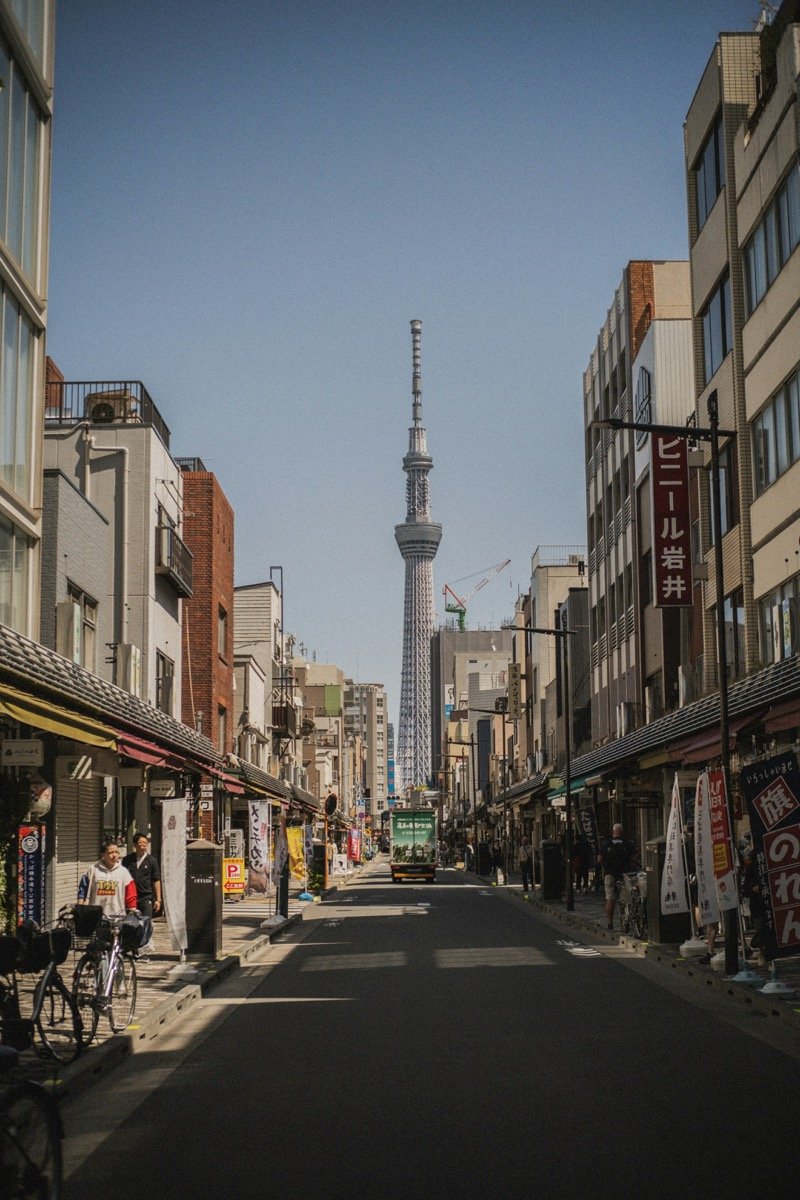
Japan is one of the world’s genuinely great solo travel destinations. The transport network runs to the second. Convenience stores provide cheap, high-quality food at any hour. Single-occupancy dining - counter seating at ramen shops, sushi bars, and standing noodle restaurants - is built into the culture in a way it simply isn’t elsewhere. Solo travel in Japan is not an afterthought or an awkward compromise; it is, in many respects, what the country is designed for.
Is Japan Good for Solo Travel?
Direct answer: yes, and consistently so. Japan ranks among the safest countries on earth, the public transport system eliminates the need to rely on other people for logistics, and the solo diner is genuinely catered for - not merely tolerated. Ichiran ramen restaurants, now found across Japan, have individual wooden booths where you order by ticket machine and eat facing a bamboo curtain. Counter seating at izakayas and sushi bars is standard, not unusual. You will not feel conspicuous eating alone in Japan.
Japan also works well for solo travel at all ages. Travellers over 50 often find it easier than younger-skewing destinations - business hotels are comfortable and affordable, attractions are well-organised and accessible, and the general orderliness of the country removes much of the low-level stress that accompanies solo travel elsewhere. The Japan Rail Pass opens up the entire Shinkansen network from a single purchase, making it straightforward to move between cities without planning every connection in advance.
Safety for Solo Travellers
Japan’s crime rates are among the lowest of any developed nation. Pickpocketing - endemic in European tourist hubs - is rare. Violent crime against tourists is statistically negligible. Leaving a bag unattended in a café briefly is a risk you would not take in London or Barcelona; in Japan, the same bag is likely to still be there. This is not an exaggeration; it reflects a documented cultural norm.
Public transport is safe at all hours. Stations are well-lit and busy. Taxis use metered fares displayed on the dashboard. The main practical concern for solo travellers is navigating language barriers - most staff at tourist-facing businesses speak some English, Google Translate’s camera mode handles menus and signs reliably, and the visual clarity of transport signage (colour-coded lines, romaji alongside kanji) makes Japan one of the easiest countries to navigate without the local language.
Solo Female Travel in Japan
Japan is one of the safest destinations in the world for solo female travellers. Late-night walking in city centres - Tokyo, Kyoto, Osaka - is safe in a way that is genuinely unusual by international standards. Harassment from strangers is rare and culturally frowned upon.
Several practical features are specifically useful for women travelling alone:
- Women-only train carriages operate on most major urban rail networks, including the Tokyo Metro, JR lines in Tokyo and Osaka, and many private lines. Carriages are designated during morning and evening peak hours; look for the pink signage on the platform.
- Female-only floors are offered at many business hotels (often called “lady’s floors”) with additional bathroom amenities and occasionally all-female common areas.
- Solo travel over 50: Japan’s culture of privacy and low-level social pressure makes it a particularly good match for older solo female travellers. You will not be questioned about why you are alone.
Our wider Is Japan safe to visit guide covers crime, scams and health in more detail.
How to Meet People in Japan
Japan can feel isolating if you do not actively seek social connection. The country’s social culture is reserved by default - strangers do not strike up conversations on trains, and local Japanese people may hesitate to approach foreign visitors despite being genuinely curious. This is not unfriendliness; it is a different social baseline.
The following approaches work reliably:
- HelloTalk and Tandem apps: Both have enormous Japanese user bases actively seeking language exchange partners. Arranging a coffee meetup through either app is normal and common - Japanese users are often as keen to practise English as you are to learn Japanese.
- Meetup groups: Meetup Tokyo, Meetup Osaka, and Meetup Kyoto all run regular international social events - bar nights, hiking days, language exchanges. International attendance is high and the atmosphere is explicitly welcoming of solo arrivals.
- Language exchange cafes: Tokyo and Osaka have cafes dedicated to language exchange. Meeting Café in Shibuya (Tokyo) runs structured sessions where Japanese and foreign speakers rotate tables. No Japanese required to attend.
- Hostel communal spaces: Japanese hostels with communal kitchens and dining areas are naturally social. Khaosan Tokyo (Asakusa) and Piece Hostel Kyoto both have setups where solo travellers frequently end up eating together. These are the most reliable environments for meeting other travellers without any active effort.
- Facebook groups: “Foreigners in Japan” and city-specific groups (“Expats in Tokyo”, “Expats in Osaka”) post regular meetup events and are active for introductions.
- Hash House Harriers: Tokyo HHH and other Japan chapters run non-competitive running/walking social events weekly. No running ability required. Strongly international crowd.
- Izakaya counter seating: Sitting at the counter of a busy izakaya in the evening creates genuine conversation opportunities - both with Japanese patrons and with other solo diners. Ordering a beer and pointing at the menu is a sufficient icebreaker.
- Onsen: Public bath culture is social in a quiet, non-verbal way. The shared ritual of a communal bath at a ryokan or public sento creates a kind of low-pressure shared experience that is uniquely Japanese.
Best Bases for Solo Travellers
Tokyo is the easiest entry point. The metro network is comprehensive, English signage is ubiquitous, and the sheer density of things to do means you can fill weeks without a plan. Solo dining culture is particularly embedded here. The Asakusa and Shinjuku areas both have strong hostel scenes with communal areas.
Kyoto suits solo travellers who want a slower pace and concentrated cultural sightseeing. Temples, shrines, and traditional neighbourhoods are mostly walkable or reachable by bus. The hostel scene around Fushimi Inari and Gion is social, and the city’s size (much smaller than Tokyo) makes it feel manageable.
Osaka is arguably the most naturally sociable of the three for solo travellers. The food culture is outward-facing - street food eaten standing, izakayas with low thresholds for dropping in, Dotonbori’s concentrated energy. Osaka people have a reputation for being more direct and approachable than Tokyo or Kyoto residents, and this is broadly accurate in our experience.
Group Tours Worth Taking
Some experiences are easier and more rewarding with a guide or a small group. Tea ceremony workshops in Kyoto explain context that a solo visit to a teahouse cannot provide. Day trips from Tokyo to Nikko or Hakone are logistically simpler with a guide than alone. Mount Fuji climbing season (July–August) is busy and route knowledge makes a difference.
Browse tours and activities across Japan for small-group options - tea ceremonies, day trips, sake tours, and cultural workshops that work well as a solo participant.
Practical Solo Tips
IC card: Pick up a Suica or Pasmo card at any major station on arrival. It covers metro, JR lines, buses, and even convenience store purchases. Far more convenient than buying single tickets for each journey.
Budget: A comfortable mid-range solo day in Japan runs ¥12,000–¥18,000 as of 2026 - business hotel single room ¥8,000–¥12,000, meals at a mix of sit-down restaurants and konbini ¥2,500–¥3,500, transport and one attraction ¥1,500–¥2,500. Capsule hotels reduce accommodation to ¥3,000–¥5,500 and are genuinely excellent value for solo travellers - modern capsule hotels from chains like First Cabin and 9h are nothing like the cramped originals.
Solo room supplements: Traditional ryokan often charge a per-room rate rather than per-person, which creates an effective single supplement. Confirm pricing before booking. Business hotels and capsule hotels price per person by default and carry no supplement.
Konbini as infrastructure: 7-Eleven, FamilyMart, and Lawson are more useful than they appear. Hot food from the heated counter, fresh onigiri, ATMs that accept foreign cards, mobile phone charging, and wifi (registration required) are all available. For solo travellers keeping costs down, one konbini meal per day is a reliable strategy.
eSIM: Buy before you arrive. IIJmio, Airalo, and Ubigi all sell Japan eSIMs with 15 to 30 days of data from approximately ¥1,500–¥2,500 as of 2026. Activated instantly, no SIM card swapping required. Google Maps with live data is the essential navigation tool in Japan - do not compromise on connectivity.
Plan the practical side: Flights to Japan vary widely by season - compare early for the best fares. Travel insurance for Japan covers medical costs, delays, and cancellations. Pick up an Airalo eSIM for Japan to have mobile data from the moment you land.
Best Time to Go Solo
March–April (cherry blossom season) and October–November (autumn foliage) are the peak seasons for solo travel in Japan. Both draw large numbers of international visitors, which makes it significantly easier to meet people - hostels fill with travellers on similar itineraries, Meetup events swell, and the shared experience of cherry blossom or autumn leaves creates natural conversation. Accommodation books up months in advance for both periods; plan early.
May and September–October are quieter and cheaper, with good weather, and still offer social opportunities through the hostel network and Meetup groups. Golden Week (late April to early May) is busy with domestic Japanese travellers - accommodation prices spike and popular sights are crowded; schedule around it if flexibility allows.
See our best time to visit Japan guide for a full month-by-month breakdown.
See also: Tokyo travel guide · Kyoto travel guide · Budget travel guide Japan · Japan Rail Pass guide · Japan travel tips · Onsen guide Japan · 1 week in Japan itinerary
Plan Your Trip
- Flights - Find the best fares to Japan
- Hotels - Search hotels in Japan on Booking.com
- Travel Insurance - Get covered before you go
- eSIM - Stay connected from landing
- Car Rental - Compare prices across providers
- Tours and activities - Browse experiences on GetYourGuide
Official sources worth checking before you go: Japan National Tourism Organization, Japan Meteorological Agency.