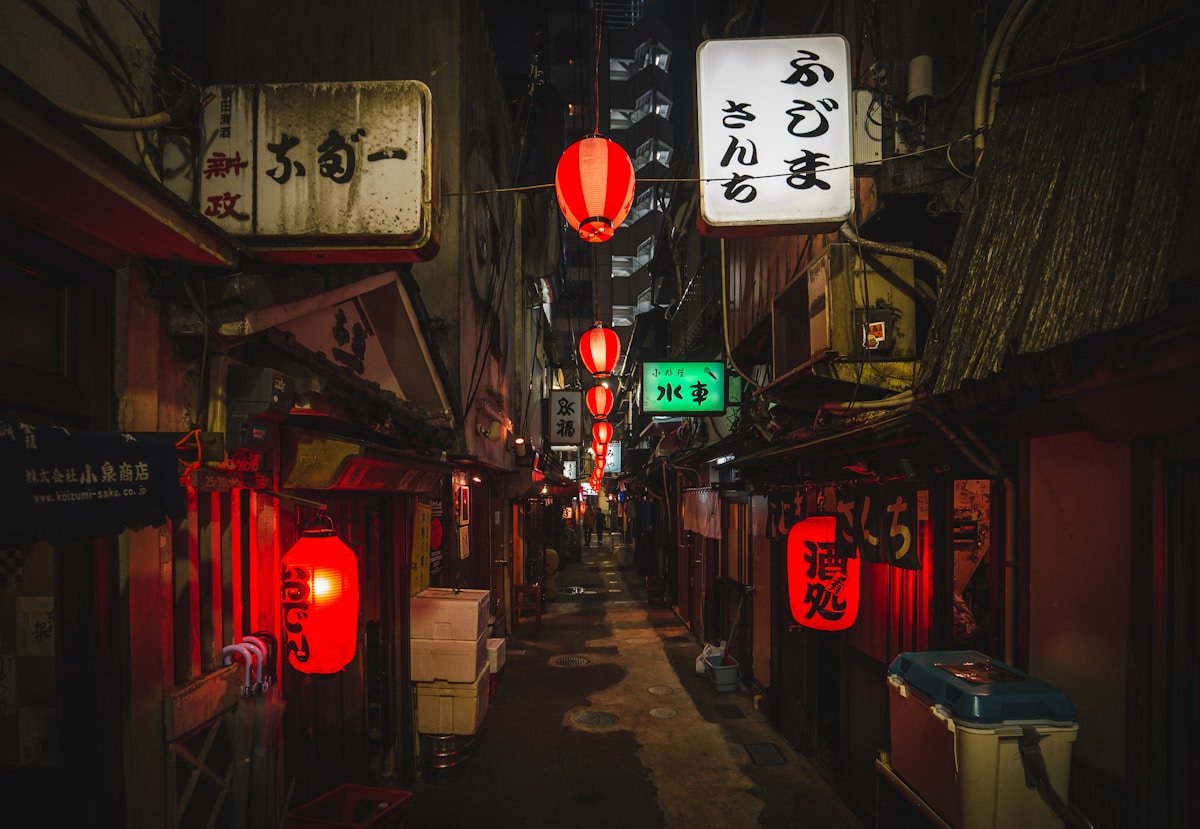
Japan consistently ranks among the safest countries in the world for travellers. Violent crime is genuinely rare, public spaces are orderly, and the culture places a high value on collective safety and social trust. That said, “safe” is not the same as “risk-free”, and any honest guide has to cover the hazards that do exist - natural disasters above all.
Here is a clear-eyed look at what to expect.
Overall Safety Verdict
For most travellers, Japan presents an exceptionally low risk environment. The country has one of the world’s lowest rates of street crime, tourists are rarely targeted, and the infrastructure - transport, healthcare, emergency services - is dependable. The FCO (UK Foreign, Commonwealth & Development Office) and the US State Department both rate Japan as broadly safe for travel, with no nationwide security-level advisories as of mid-2026.
The main risks for visitors are not criminal but natural: earthquakes, typhoons, and occasional volcanic activity. These are unpredictable but manageable with basic preparation.
Crime: What to Watch For
Petty Theft
Pickpocketing is far less common in Japan than in most European or Southeast Asian destinations. Crowded areas like Shibuya crossing, Senso-ji temple in Asakusa, and the Shinkansen lines during peak travel periods occasionally see opportunistic theft, but incidents remain low by global standards.
Leaving a phone on a café table or a wallet on a train seat is much less likely to result in theft here than almost anywhere else. Numerous visitors report items being handed in to koban (neighbourhood police boxes) or train station lost-property offices, sometimes with the cash still inside.
That said, maintain standard vigilance in crowded festival settings and during the busiest tourist periods (cherry blossom season in late March–early April, and Golden Week at the start of May).
Drink Spiking and Bar Scams
Kabukicho in Tokyo’s Shinjuku district is the area most commonly associated with tourist-targeted scams. “Friendly strangers” inviting visitors into hostess bars or entertainment clubs sometimes lead to inflated bills running into hundreds of thousands of yen - a known pattern.
We recommend avoiding unmarked bars and clubs in Kabukicho, particularly if approached by touts on the street. Stick to clearly displayed menus and confirm prices before ordering. The same applies to a few blocks near Dotonbori in Osaka.
Areas to Exercise Caution
There are no no-go areas in the sense that many countries have. Even Kabukicho is broadly safe to walk through - the issue is specific establishments rather than general street safety. Avoid engaging with touts.
Health: Vaccinations and Food Safety
Vaccine Recommendations
Routine vaccinations (MMR, diphtheria, tetanus, polio) should be up to date before travelling. The NHS and CDC both recommend considering Japanese Encephalitis vaccination for travellers spending extended time in rural or agricultural areas, particularly from April to October. JE is transmitted by mosquitoes and is rare in urban areas, but if you are hiking or spending nights in rural Tohoku or Kyushu prefectures, discuss it with your GP before departure.
Hepatitis A vaccination is recommended as a general precaution for travellers eating street food.
Tap Water
Tap water is safe to drink throughout Japan, including in all major cities. Japan has high water quality standards and filtration infrastructure. Carrying a reusable bottle and refilling it is perfectly safe.
Food Safety
Food hygiene standards are generally excellent. Japan has low rates of foodborne illness despite extensive raw fish consumption, because the supply chain from sea to plate is tightly controlled. Sushi and sashimi at established restaurants carry minimal risk.
Be more cautious with street food at summer outdoor festivals (yatai stalls), where food may have been sitting in heat. Follow the usual rule: if there is a queue and high turnover, it is a positive sign.
Mosquitoes and Dengue
Japan has reported small-scale dengue clusters, particularly in late summer. Use insect repellent during July–September in wooded areas, especially around Yoyogi Park in Tokyo (where the 2014 outbreak occurred).
Transport Safety
Trains
Japan’s rail network is one of the safest in the world. Shinkansen (bullet train) services have carried billions of passengers with an impeccable safety record - no passenger fatalities from accidents since the service launched in 1964. Urban subway and JR lines are reliable and generally very safe.
The main practical concern on trains is the rush-hour crush on urban lines (Tokyo, Osaka), which can be overwhelming. Women’s-only carriages are marked during rush hours on most major city lines.
Roads
Road safety is mixed. Japan has reasonably well-maintained roads and strict drink-driving enforcement, but pedestrian road deaths do occur. Be alert when crossing roads - particularly at unmarked crossings and in rural areas where drivers may not expect pedestrians. Driving in Japan as a foreigner requires an International Driving Permit; road rules are well-enforced.
If you rent a car, note that mountain roads (especially in Nikko, the Japan Alps, and Hokkaido) can be treacherous in winter without appropriate tyres and experience.
Local Taxis
Licensed taxis are metered, honest, and easy to use. The doors open automatically. Ride-hailing apps (Uber, GO) operate in most cities, though metered taxis remain more common. There are no widely reported issues with licensed taxi drivers.
Solo Travel and Female Solo Travel
Japan is one of the most popular solo travel destinations in the world, and for good reason. Navigating solo is straightforward - train systems are clearly signed in English, most urban convenience stores have English support, and asking for help generally yields a helpful response.
For female solo travellers specifically, Japan is regarded as one of the safest destinations in Asia. Street harassment is uncommon, accommodation options including capsule hotels and guesthouses are widely available and safe, and women’s-only carriages on trains offer an option during rush hours.
A known and documented issue is chikan - groping on crowded trains. Women’s-only carriages were introduced specifically to address this. If you experience it, shouting “Chikan!” (molester) is socially understood and will draw immediate attention. You can also report to station staff.
Our guide to solo travel in Japan covers accommodation, budgeting, and logistics in more detail.
Natural Hazards
This is where Japan’s safety picture diverges sharply from the street crime picture. Japan sits on the Pacific Ring of Fire and experiences around 1,500 earthquakes a year - most are minor and unfelt, but the country has a long history of major seismic events.
Earthquakes: Japan has built its entire infrastructure with earthquake resilience in mind. Modern buildings are designed to flex rather than collapse. The real risk is coastal tsunami following offshore quakes. If you are in a coastal area and feel a sustained earthquake or receive a tsunami warning on your phone (the Japan Meteorological Agency sends automatic J-Alert messages), move immediately to high ground.
Typhoons: The typhoon season runs from June to November, with peak intensity in August and September. Typhoons can cause flight disruptions, flash flooding, and damage to roads and infrastructure, particularly in Okinawa and Kyushu. Monitor the Japan Meteorological Agency (jma.go.jp) if travelling during this period.
Volcanoes: Mount Fuji last erupted in 1707, but Japan has several active volcanoes. Sakurajima in Kagoshima erupts regularly (small eruptions are common). Kusatsu-Shirane volcano in Gunma Prefecture had an eruption in 2018 that caused fatalities. Check alert levels before hiking near any active peak.
We cover all of this in more detail in our full guide to natural disaster safety in Japan, including the apps you should download before you arrive.
Emergency Numbers
| Service | Number |
|---|---|
| Police | 110 |
| Ambulance / Fire | 119 |
| Coast Guard | 118 |
| Police non-emergency (English) | #9110 |
| Japan Tourism Agency helpline | 050-3816-2787 |
The Japan Tourism Agency helpline operates 24 hours in English, Chinese, and Korean and can assist with tourist-related issues.
Ambulance rides are free, but hospital treatment is not, so carry cover before you need it. Our Japan travel insurance guide covers hospital costs, the AMDA multilingual medical line and how cashless treatment works, and the embassies and consulates guide lists who to call after 110 or 119.
FCO and State Department Advisory Status
As of July 2026, the UK FCO rates Japan as broadly safe with no specific security concerns for tourists. The US State Department has Japan at Level 1: Exercise Normal Precautions - its lowest advisory level, indicating no elevated risks.
Both governments note the risk from natural disasters and recommend downloading alert apps and registering with your country’s consular notification service before travelling.
Japan is as close to a worry-free destination as most travellers will find. The honest caveats are: do not wander into unmarked bars in Kabukicho, take natural disaster preparedness seriously and download the JMA and NHK World apps before you arrive, and stay alert for the chikan issue on rush-hour trains if you are a woman. Everything else is largely as safe as it looks.
Plan Your Trip
- Flights - Find the best fares to Japan
- Hotels - Search hotels in Japan on Booking.com
- Travel Insurance - Get covered before you go
- eSIM - Stay connected from landing
- Car Rental - Compare prices across providers
- Tours and activities - Browse experiences on GetYourGuide
Official sources worth checking before you go: Japan Meteorological Agency, Japan National Tourism Organization.