Kawaguchiko & Fuji Five Lakes: Mt Fuji, Chureito & Onsen
Kawaguchiko travel guide - Lake Kawaguchiko, Mt Fuji views, onsen ryokan, Chureito Pagoda, and day trips from Tokyo to the Fuji Five Lakes.
Guides for Kawaguchiko
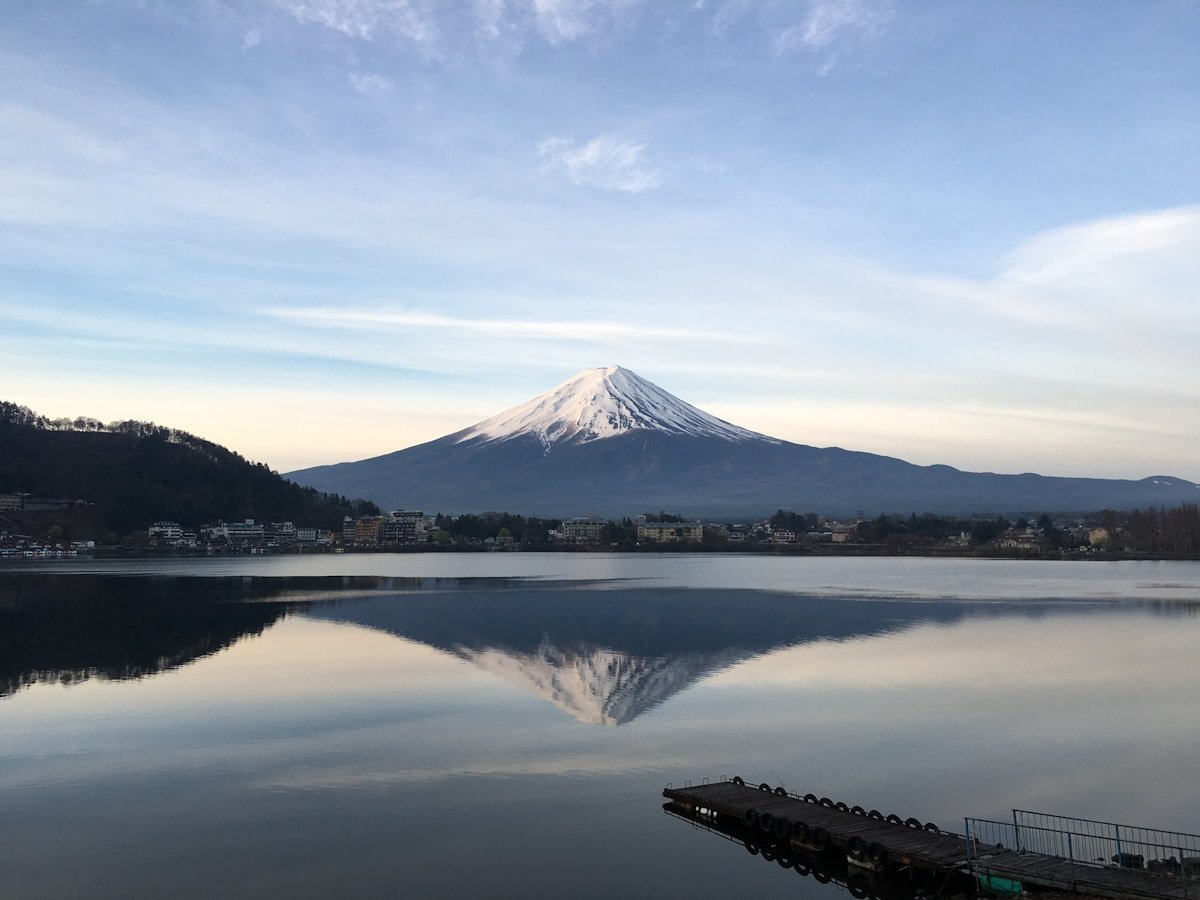
Kawaguchiko sits at 833 metres on the north shore of the lake that shares its name, with Mount Fuji rising to 3,776 metres directly to the south. On a clear morning - which comes most reliably in winter - the mountain reflects perfectly in the still water. This is why photographers are on the lakefront at 5am in January and why Chureito Pagoda’s staircase is lined with people holding cameras in April’s cherry blossom season.
But Kawaguchiko is more than a backdrop. The town has a proper onsen ryokan culture, enough temples and trails to fill two days, and direct access to four other Fuji lakes - Yamanakako, Saiko, Shojiko, and Motosuko - each with its own character.
Getting to Kawaguchiko
From Tokyo by train: The Fuji Excursion (Fujikaiyu) limited express runs from Shinjuku to Kawaguchiko in approximately 2 hours, with reserved seating from ¥4,130 as of 2026. It’s the most comfortable option. The JR Pass does not cover Fuji Excursion - tickets must be purchased separately.
From Tokyo by bus: Highway buses from Shinjuku Expressway Bus Terminal (BUSTA Shinjuku) run frequently and cost ¥1,750–¥2,000 one way. Journey time is 1h45min to 2h15min depending on traffic - the Chuo Expressway can be slow on Friday evenings and long weekends. Book in advance via Nohi Bus or Fujikyu Highland Bus.
From Osaka and Kyoto: Take the Shinkansen to Mishima or Shin-Fuji, then transfer by bus to Kawaguchiko (about 1h by bus from Mishima, ¥2,290 as of 2026). Alternatively, return to Tokyo and take the direct Shinjuku bus.
Once you are in town, our guide to getting around Kawaguchiko covers buses and boats in more detail.
Lake Kawaguchiko and the Classic Views
Lake Kawaguchiko is the most accessible and best-developed of the Five Lakes, and the one with the widest unobstructed view of Mount Fuji from the north shore. The Ubuyagasaki peninsula juts into the lake from the north and provides the closest flat-water reflection angle. Early mornings (especially November–February) and evenings with low wind give the best mirror-flat conditions.
The Kawaguchiko Ohashi Bridge (the main bridge across the lake’s eastern narrows) frames the mountain from the road and is free to photograph from. Just west, the Kawaguchiko Music Forest (Kawaguchiko Ongakuno Mori) has lakefront grounds open to visitors (¥1,500 entry, as of 2026) with an additional foreground interest angle.
Cycling around the lake takes about 90 minutes on flat ground; rental shops near Kawaguchiko Station charge approximately ¥1,000–¥1,500 for three hours.
If you are visiting from Tokyo for the day, see our Mt Fuji and Hakone day trip guide for a combined route.
Chureito Pagoda
This is the photograph - the five-storey red pagoda with Mount Fuji behind it, cherry blossoms in the foreground in April. Chureito is formally part of the Arakurayama Sengen Shrine complex, about 20 minutes east of Kawaguchiko by Fujikyu Railway (¥250 to Shimo-Yoshida Station, as of 2026). From the station it’s a 20-minute uphill walk (398 steps) to the pagoda level.
Outside cherry blossom season, the approach is significantly less crowded and the mountain views are often clearer. Winter mornings with fresh snow on Fuji are particularly good. Shrine entry is free; the climb is at your own pace.
Mount Fuji and Kawaguchiko guided tours from Tokyo include transport and a local guide for the Chureito pagoda and lake circuit - a good option for morning photo visits when timing the tide table for the clearest mountain views.
Kachi-Kachi Ropeway
The Tenjo Ropeway - locally called Kachi-Kachi after a traditional folk story - ascends from the north shore to the summit of Mount Tenjo (1,075 m) in about 3 minutes (¥900 return, as of 2026). From the summit observation deck, Mount Fuji is visible above the lake below you, giving a perspective that ground-level lakefront shots can’t replicate. The summit also has a café and the Tanuki (raccoon dog) Shrine from the folk story.
On clear days, visibility from the Tenjo summit extends to the Southern Alps to the west.
Oshino Hakkai
Oshino Hakkai is a cluster of eight spring-fed ponds about 10 km east of Kawaguchiko town, fed by snowmelt filtered through Mount Fuji’s volcanic rock over 80 years. The water is crystal clear and maintains a near-constant 14°C year round - the shallow turquoise pools were used for washing rice in historic times and today contain mirror carp.
Entry to the main village area is ¥500 (as of 2026); the surrounding roads are accessible freely. Buses from Kawaguchiko Station stop at Oshino Hakkai (20 minutes, ¥480 one way). The village has souvenir stalls and snack vendors but little else - allow 45 minutes.
Onsen and Ryokan
Kawaguchiko’s onsen ryokan are the primary reason to stay overnight rather than day trip. The thermal baths draw from local spring water and many have unobstructed views of Mount Fuji from the outdoor bath - the onsen view of Fuji at dawn is a distinct experience from any lakefront photograph.
Kozantei Ubuya (from approximately ¥35,000 per person per night with kaiseki dinner and breakfast) is the most photographed ryokan in the area - its outdoor onsen hangs over the lake with Mount Fuji directly ahead. Rooms face the lake. Book 3–6 months ahead for weekend nights.
Fuji Lake Hotel (from approximately ¥18,000 per person) is older and more modest but retains the lake-view positioning and has its own onsen baths. Better value for solo travellers.
Mizno Hotel and Kawaguchiko Station Inn serve budget travellers (¥5,000–¥8,000 per person) without private onsen - guests can access local day-use onsen such as Tenkawaku (¥1,500/day, towels included) or the communal baths at the larger resort hotels.
For a standalone onsen experience without staying overnight, Fujisan Onsen near the fifth-station bus terminal operates as a day-use facility (¥900, as of 2026).
The Other Four Lakes
Yamanakako - the largest of the Five Lakes and closest to the Yoshida climbing trail. Less developed as a tourist destination but popular with windsurfers and for the Swan Lake boat rentals. Good Fuji views from the south shore.
Saiko - quieter and less visited than Kawaguchiko, with the Saiko Bat Cave (Komori-ana) accessible by short trail (¥280 entry). The northern shore road has some of the least-photographed Fuji angles.
Shojiko - the smallest lake, known for its serene atmosphere and the Shoji-guchi forest trail. Limited accommodation; popular with campers.
Motosuko - the deepest lake at 138 m, and the one whose image appears on the old ¥1,000 banknote. West of Shojiko, harder to reach without a car but rewarding on clear days for the wide mountain panorama across the water.
A rental car from Kawaguchiko covers all five lakes in a half-day loop. Without a car, the Fuji Five Lakes buses (retro bus service, ¥1,570 for a two-day pass as of 2026) cover Kawaguchiko, Saiko, and Shojiko but not Motosuko reliably.
Where to Eat
Houtou Fudou - Hoto is the regional signature: wide flat noodles in a rich miso broth with pumpkin, mushrooms, and root vegetables. Houtou Fudou’s original branch near the lake is in a building shaped like a traditional fire pit drum; the bowls cost ¥1,680 as of 2026 and portions are large. The queues at lunch are real; arrive at opening (11am) or after 2pm.
Fujisan Shokudo - set lunches built around local ingredients: seasonal vegetables, mountain wasabi, lake fish. From ¥1,200.
Kawaguchiko Sushi Dining - high-end counter sushi using Suruga Bay seafood brought in from Shizuoka. From ¥5,000 for an omakase lunch, ¥12,000+ for dinner.
Convenience stores (Lawson, 7-Eleven) near Kawaguchiko Station cover budget breakfasts and picnic supplies for lakefront mornings.
Getting Around Kawaguchiko
The Fujikyu Highland Line connects Otsuki (JR Central) with Kawaguchiko Station via Fujiyoshida and Fujikyu Highland (the theme park). Within the Five Lakes area, the Retro Bus and Resort liner services connect the main stops; a two-day pass covers most routes. For flexibility, rental cars from near Kawaguchiko Station cost from approximately ¥6,000 per day.
If climbing Mount Fuji is on your agenda, Kawaguchiko is the closest Five Lakes base to the Yoshida Trail head. See our Mount Fuji climb guide for trail details, season dates, and what to bring.
Planning your trip to Kawaguchiko? Tours and activities in Kawaguchiko cover guided experiences, cultural immersion, and the top sights with local expertise. Flights to Japan vary significantly by season - compare early to secure the best fares. Sort out travel insurance for Japan before you book, and pick up an Airalo eSIM for Japan to have mobile data the moment you land.
Search hotels in Kawaguchiko on Booking.com
Explore Kawaguchiko
Things to do in Kawaguchiko · Where to stay in Kawaguchiko · Best restaurants in Kawaguchiko · Kawaguchiko food guide · Day trips from Kawaguchiko · Getting around Kawaguchiko
Kawaguchiko is part of the Kanto region. For an overview of destinations near Tokyo, see our Kanto region guide.
Official sources worth checking before you go: Japan National Tourism Organization, Ministry of the Environment national parks pages.
See also: Kanto region guide · Tokyo travel guide · Mount Fuji climb guide · Hakone travel guide · Onsen guide Japan · Japan in April · Long stay in Kawaguchiko
Upcoming Events in Kawaguchiko
Hatsumode - New Year Shrine Visits
Hatsumode 2027, 1–3 January. Japan's most important annual tradition - millions visit shrines and temples in the first three days of the new year.
Frequently Asked Questions
- How far is Kawaguchiko from Tokyo?
- Kawaguchiko is approximately 100 km southwest of Tokyo. The fastest route is the Fuji Excursion limited express train from Shinjuku, which takes about 2 hours (¥4,130 reserved, as of 2026). Highway buses from Shinjuku Expressway Bus Terminal take 1h45min to 2h15min depending on traffic and cost around ¥1,750–¥2,000 one way.
- Is Kawaguchiko worth visiting without seeing Mount Fuji?
- Yes - Kawaguchiko is worth a night regardless of Fuji visibility. The lake itself is beautiful, the onsen scene is excellent, and Chureito Pagoda is worth the climb even in cloud. That said, clear Mt Fuji views require clear skies - early mornings in winter and spring have the best odds. November and December are statistically the clearest months.
- How many days do you need at Kawaguchiko?
- One night is enough for most visitors - you arrive in the afternoon, do a sunset lake walk, spend the night at an onsen ryokan, and see dawn over the lake before heading back. Two nights lets you visit Oshino Hakkai village, explore more of the Fuji Five Lakes, and include a day hike on the Panorama Trail.
- What is the best viewpoint for Mount Fuji at Kawaguchiko?
- The north shore of Lake Kawaguchiko gives the classic lake-and-mountain reflection shot, best from Ubuyagasaki or the Kawaguchiko Music Forest shore. Chureito Pagoda (20-minute climb from Fujiyoshida) frames the mountain behind a five-storey pagoda - the most copied Japan photograph. The Kachi-Kachi Ropeway summit gives aerial views of both the lake and the mountain.
- Can I climb Mount Fuji from Kawaguchiko?
- The Yoshida Trail starts from the fifth station above Kawaguchiko and is the most popular route to the summit (2,305 m of climbing, 5–7 hours up). The climbing season runs from early July to mid-September. Outside that window, the trails above the fifth station are closed and snow-covered. Buses from Kawaguchiko Station reach the fifth station in about 50 minutes (¥1,800 each way as of 2026).
Book an experience
Top experiences in Kawaguchiko
Explore the best tours and activities in Kawaguchiko, with instant confirmation and free cancellation on most bookings.