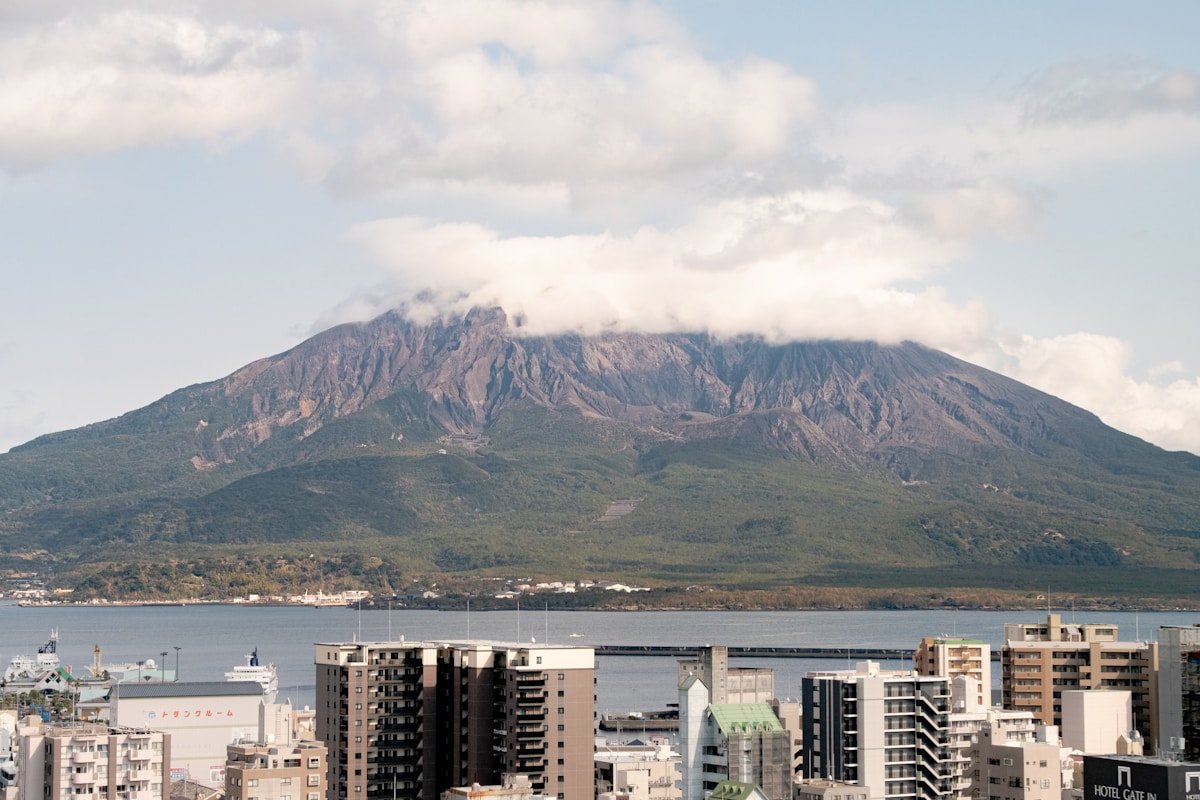
Kagoshima is not yet a mainstream food-tour destination the way Kyoto or Osaka are, which means the operators working here tend to be more specialist, more local, and more focused on the ingredients that actually define this city: kurobuta pork, kibinago herring, Satsuma-age fish cakes, sweet potato shochu, and black vinegar. The tours available range from structured market walks to distillery visits to evening izakaya crawls, and the smaller group sizes that come with lower tourist volumes make the experience more personal.
Market and Neighbourhood Food Walks
Tenmonkan - Kagoshima’s covered shopping and entertainment arcade - is the natural anchor for any daytime food walk. The surrounding blocks contain the city’s highest concentration of Satsuma-age specialist shops, local produce vendors, and traditional shotengai restaurants.
GetYourGuide Kagoshima food walking tours list several English-friendly guided experiences that centre on Tenmonkan and the city’s local food culture. Most run 2.5–3.5 hours and cost approximately ¥4,000–¥7,000 per person, covering tastings at three to five stops: typically a Satsuma-age shop (tasting warm from the fryer), a kibinago counter, a black vinegar tasting, and a shochu explanation. Check the current listing of Kagoshima food tours for live availability and pricing.
Amupla and the Kagoshima Central Station market area has a guided option that starts at the station and works outward - useful for visitors with early afternoon departures, as you can combine the tour with the journey back to the station. Runs approximately 2 hours; tastings included.
Kurobuta-Focused Experiences
Kurobuta pork (Berkshire black pig) is Kagoshima’s most exportable food claim, and several operators have built specific experiences around it.
Kurobuta Shabu-Shabu Class available through local cooking school networks gives participants the chance to prepare kurobuta shabu-shabu from scratch: slicing the marbled pork, preparing the ponzu and goma dipping sauces, and learning to judge doneness by feel rather than timer. Classes run approximately 2.5 hours, cost approximately ¥6,500–¥9,000 per person including ingredients. English-language sessions available at selected operators - confirm when booking.
Kurobuta Farm-to-Table Tour combines a visit to a farm in Kagoshima’s interior (approximately 30–40 minutes by bus from central Kagoshima) with a kurobuta meal. Operators run these as half-day experiences, typically including transportation, a farm tour, and a full kurobuta lunch. Cost approximately ¥8,000–¥12,000 per person. Requires a minimum group size; advance booking essential.
Shochu Distillery Visits
Kagoshima is the birthplace of imo-jochu - sweet potato shochu. The prefecture has approximately 120 active distilleries, the highest concentration in Japan. Most distilleries are in the countryside south and east of the city, but a handful are within accessible day-trip distance.
Kirishima Shuzo Distillery (Kirishima city, approximately 40 minutes by train from Kagoshima-Chuo Station) is one of Kagoshima’s largest and most visited shochu producers. The distillery runs guided tours (available in Japanese, with English audio guide handsets available for purchase) of the fermentation and distillation facilities. The tour includes a tasting of several grades of Kirishima shochu, including premium aged expressions not widely available in retail. Tour duration approximately 45–60 minutes; entry approximately ¥500–¥800 per person. Open Tuesday–Sunday; closed during peak production months (September–October - call ahead). The on-site shop sells limited releases.
Nishi Shuzo (Minaminihon city, approximately 1 hour from central Kagoshima) produces Tenshi no Yuwaku, one of Kagoshima’s most well-regarded imo-jochu brands. The distillery takes private bookings for small-group tours with tastings. Advance reservation required; English-capable staff on request.
Shochu Bar Crawl - some Tenmonkan-area tour operators run evening shochu-focused itineraries visiting three to four specialist bars in the entertainment district, covering different styles of imo-jochu (light-wash, black-koji, vintage-aged) with food pairing explanations. Cost approximately ¥5,000–¥8,000 per person including tastings and snacks. Duration 2–3 hours.
Cooking Classes
Satsuma-age Cooking Class taught by local food artisans gives participants hands-on instruction in making fried fish cake from scratch: preparing the fish paste, mixing in tofu and aromatics, shaping, and frying. Class duration approximately 2 hours; cost approximately ¥5,000–¥7,000 per person including ingredients and the finished product to take away. Available through a small number of local culinary operators; English instruction available at selected venues.
Kagoshima Home Cooking Class focuses on the domestic everyday food of the region: miso soup with Shinshu miso, kibinago marinated in vinegar and herbs, simmered kurobuta pork (kakuni style), and pickled nozawana greens. Classes run in private homes or small studio kitchens, typically taking 3–4 participants. Cost approximately ¥7,000–¥10,000 per person including lunch. Highly personable; book well in advance as capacity is very limited.
Evening Izakaya Experiences
Kagoshima’s evening food scene runs through Tenmonkan and the surrounding streets until midnight. The combination of kurobuta yakitori skewers, kibinago, Satsuma-age, and imo-jochu makes for a meal format very specific to this city.
Kagoshima Izakaya Evening Tour (listed on GetYourGuide and Viator) typically covers three stops in 3–4 hours: a standing yakitori counter for kurobuta skewers and cold shochu, a specialist kibinago restaurant, and a sit-down izakaya for hot Satsuma dishes and imo-jochu comparisons. Cost approximately ¥7,000–¥10,000 per person including food and drinks at each stop. Group sizes typically 4–8. English-language guiding available on selected dates.
Self-guided evening option: Tenmonkan is easily walkable. Start with warm Satsuma-age from Akashi or Yamashita Kamaboko (from approximately ¥150–¥400 per piece), then move to a kibinago counter for sashimi and imo-jochu. End at an izakaya with kurobuta yakitori skewers. Total cost approximately ¥3,000–¥5,000 per person without a guide.
Booking Advice
Timing: Kagoshima’s food tour market is smaller than Kyoto or Osaka, meaning popular dates can fill. Book cooking classes 1–2 weeks in advance; distillery tours 3–5 days. For evening tours, last-minute booking is often possible.
Group size: Most cooking classes cap at 6–8 people. Distillery tours may have minimum sizes of 2–4. Solo travellers should check if the operator can match them with other participants or offer private-session alternatives.
Transportation: Central Kagoshima is compact. Tenmonkan is a 15-minute walk or short tram ride from Kagoshima-Chuo Station. For distillery tours, operators often provide return transport from the station - confirm this when booking.
For a full picture of what to eat in Kagoshima without a guide, see our Kagoshima food guide. For wider Kagoshima trip planning, see our Kagoshima city guide.
Explore current Kagoshima tour options: Tours and experiences in Kagoshima - food walks, cooking classes, distillery visits, and cultural experiences with instant booking.
See also: Kagoshima food guide · Kagoshima city guide · Tokyo food tours · Osaka food tours · Kyoto food tours
Plan Your Trip
- Flights - Find the best fares to Japan
- Travel Insurance - Get covered before you go
- eSIM - Stay connected from landing
- Food Tours - Browse guided food experiences in Kagoshima
- Hotels - Browse hotels in Kagoshima - stay near Tenmonkan for easy access to the city’s top kurobuta and shochu restaurants.