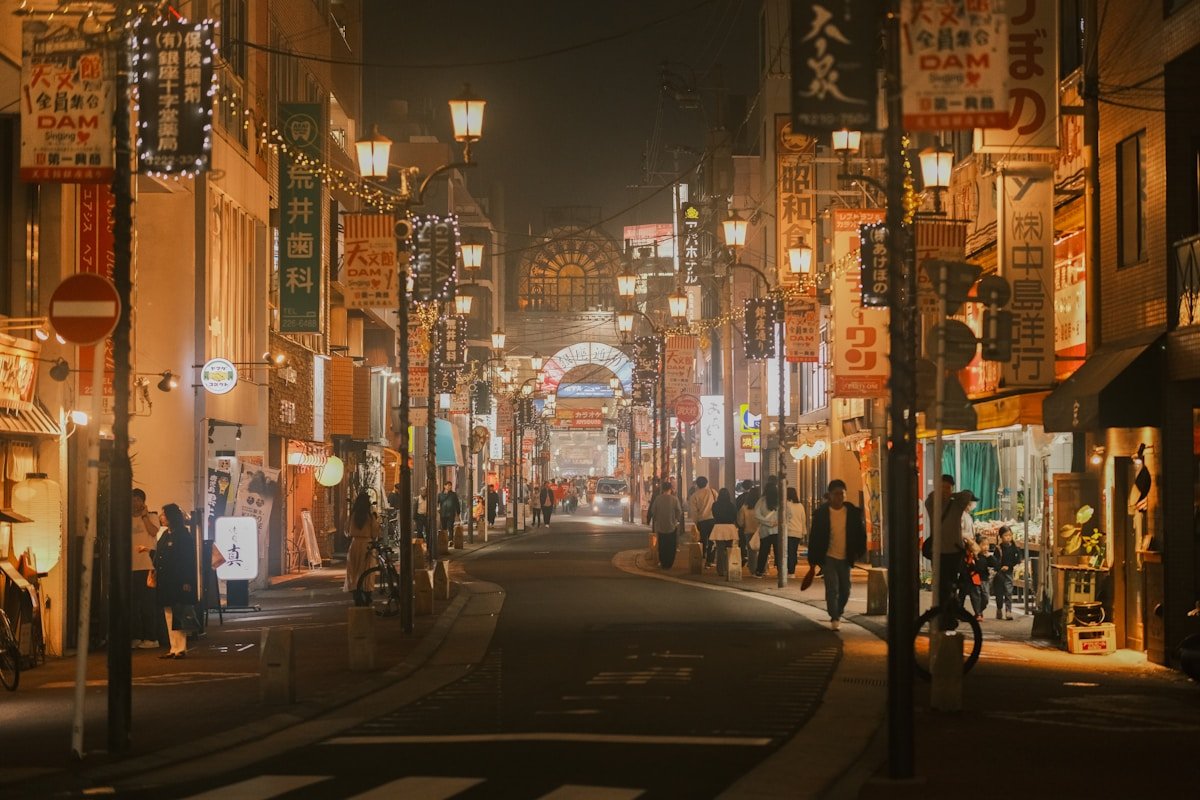
Kagoshima sits at the southern tip of Kyushu with Sakurajima - an active volcano - visible across the bay from almost any restaurant with a window. The food here is emphatically local: the city’s livestock and fishing heritage shapes a cuisine that is distinct from Kyoto’s refinement and Tokyo’s density. Kurobuta pork, kibinago herring, Satsuma-age fish cakes, black vinegar, and sweet potato shochu define what Kagoshima eats.
Prices are considerably lower than Japan’s main tourist centres. A good meal almost always costs less than you expect.
Kurobuta Pork - Kagoshima’s Signature Ingredient
Kagoshima Prefecture raises more than 40 percent of Japan’s Berkshire black pigs (kurobuta), and restaurants here access this pork at source. The meat is sweeter, more marbled, and more tender than standard white pig, and the gap between a kurobuta tonkatsu and a regular version is immediately apparent.
Kumasotei (Kagoshima Chuo area) is one of the city’s most established kurobuta restaurants. The shabu-shabu sets - thin-sliced kurobuta pork cooked at the table in a light broth - start at approximately ¥3,500 per person. The tonkatsu course (fried cutlet, rice, miso soup, pickles) runs approximately ¥2,200–¥3,000. Reservation recommended for dinner; walk-in usually possible at lunch.
Kagoshima Kurobuta no Mise near the Tenmonkan shopping arcade serves kurobuta as both tonkatsu and shabu-shabu in a no-frills setting focused on the quality of the ingredient. Lunch tonkatsu sets approximately ¥1,600–¥2,400. A reliable mid-range option.
Wago is a higher-end tonkatsu specialist where the cutlets are hand-breaded with Panko and fried to order. Set meals approximately ¥2,500–¥3,500. The hire-katsu (fillet cutlet) here is notably lighter than the standard rosu (loin).
Kibinago - Local Herring Sashimi
Kibinago is a small silver-stripe round herring caught in Kagoshima Bay and the surrounding Kagoshima Strait. Served as sashimi (raw, with a red miso dipping sauce called nuta), it has a mild sweetness and clean flavour. Fried kibinago (karaage or tempura style) is crunchier and more widely available as a bar snack.
Akuya in the Tenmonkan district is known for its kibinago sashimi, served with the traditional nuta dipping sauce. The small restaurant focuses on Kagoshima seafood; a kibinago sashimi plate costs approximately ¥900–¥1,300. The izakaya-style setting works well for an evening meal with local shochu.
Mashiki near Kagoshima-Chuo Station serves kibinago sashimi alongside a wider menu of Kagoshima seafood. The evening teishoku set (kibinago sashimi, grilled fish, rice, miso) costs approximately ¥1,500–¥2,000.
Satsuma-age - Fried Fish Cakes
Satsuma-age (called chikuwa-fu or tempura in some local contexts) is a Kagoshima specialty - fried fish cake made from white fish paste mixed with tofu, sake, and mirin. Best eaten warm from the fryer.
Akashi is a long-running specialist shop near the Tenmonkan arcade that sells Satsuma-age to eat in or take away. Prices range from approximately ¥150–¥400 per piece depending on filling (plain, green onion, ginger, mixed vegetable, cheese). Buying two or three different types to eat standing outside is the standard approach.
Yamashita Kamaboko near the central market has operated for generations and produces Satsuma-age in a wider variety of sizes and fillings. Takeaway from approximately ¥180 per piece; warm from the display case.
Kurozu - Black Vinegar Cuisine
Kagoshima’s Fukuyama area produces kurozu - aged rice black vinegar fermented in clay pots outdoors for one to three years. The resulting vinegar is mellow, complex, and substantially different from the sharp rice vinegar used in sushi. Kagoshima restaurants use it in marinades, dressings, and pork dishes.
Kurozu Honpo Ishikura near Kagoshima-Chuo Station is the city’s most visible kurozu restaurant, with a menu built around the ingredient: kurozu pork spareribs (approximately ¥2,200), kurozu chicken karaage (approximately ¥900), and kurozu-dressed salads. A good option for a standalone lunch or early dinner.
Izakaya Dining and Tenmonkan District
Tenmonkan - the covered shopping and entertainment arcade in central Kagoshima - is the hub of the city’s evening dining scene. The blocks surrounding it have the highest density of izakaya and restaurants, most staying open until midnight.
Tempei on the edge of Tenmonkan is a popular local izakaya with a broad menu covering kibinago, kurobuta yakitori skewers, Satsuma-age, and seasonal specials. Evening meals approximately ¥2,500–¥4,000 per person with shochu. Walk-in for the counter; table reservations available.
Shiroyama Kanko Hotel (on the hill above the city) has a restaurant with bay views toward Sakurajima. The food is upscale Kagoshima cuisine - kaiseki-adjacent with kurobuta, fresh seafood, and local vegetables. Dinner from approximately ¥8,000 per person. The view during sunset justifies the premium; book in advance.
Budget Eating in Kagoshima
Yoshida no Yatai and similar yatai (outdoor food stalls) operate near Tenmonkan and the waterfront. Skewers from approximately ¥200, draft beer ¥500–¥600. Informal and atmospheric.
Convenience stores and the Amupla food court (basement of the Amupla shopping mall at Kagoshima-Chuo Station) cover budget meals at ¥600–¥1,000. The food court has local chains serving tonkatsu, ramen, and tempura sets.
Gasto and other chain family restaurants provide reliable teishoku lunches for approximately ¥800–¥1,000 - not exciting but useful for a quick, inexpensive meal.
Price Reference
| Budget | Typical daily spend | What it covers |
|---|---|---|
| Budget | ¥1,500–¥2,500 | Teishoku lunch, izakaya snacks, konbini dinner |
| Mid-range | ¥3,500–¥6,000 | Kurobuta tonkatsu lunch, full izakaya dinner |
| Comfortable | ¥7,000–¥12,000 | Kurobuta shabu-shabu set dinner, restaurant lunch |
| High-end | ¥15,000+ | Kaiseki or multi-course kurobuta at hotel restaurant |
Prices as of 2026 and are approximate - they fluctuate with season and availability.
Practical Notes
Getting there: Kagoshima-Chuo Station is the main hub. JR Kyushu Shinkansen connects it to Fukuoka (Hakata) in approximately 1 hour 20 minutes and to Kumamoto in 43 minutes. From Tokyo by shinkansen requires a change at Shin-Osaka or Hakata.
Getting around the food scene: Tenmonkan is a 10-minute walk or a short tram ride from Kagoshima-Chuo Station. The city tram (¥180 flat fare) covers most eating districts.
Cash: Small izakaya and specialist food shops remain largely cash-only. Carry ¥5,000–¥10,000 in cash for evening dining.
Shochu etiquette: Imo-jochu is typically drunk alongside food, not before it. Asking your server for an oyuwari (shochu with warm water, roughly 1:1) is the standard year-round order; on the rocks (rokkoku) is common in summer.
For a wider view of what to do in Kagoshima, see our Kagoshima city guide. For guided food experiences, see our Kagoshima food tours guide.
See also: Kagoshima city guide · Kagoshima food tours · Tokyo food guide · Osaka food guide · Kyoto food guide
Take a Guided Food Tour of Kagoshima
Kagoshima’s food identity rests on kurobuta - black Berkshire pork from pigs raised on sweet potato in the Satsuma region, producing a more marbled, sweeter meat than standard Japanese pork. The city also grows Sakurajima daikon (the world’s largest radish, harvested from volcanic soil at the foot of an active volcano across the bay) and kumquat, and its shochu (sweet potato distilled spirit) culture is more developed here than anywhere else in Japan. A guided food tour of the Tenmonkan shopping district and the Amu Plaza food halls covers all of these, with context on the Satsuma domain’s food traditions that kept Kagoshima’s cuisine distinct even as the rest of Japan standardised.
Guided food tours in Kagoshima take you beyond tourist-obvious spots - local guides know which stall has the freshest kurobuta, where to find the best shochu pairings, and how to navigate an all-Japanese menu.
Plan Your Trip
- Flights - Find the best fares to Japan
- Travel Insurance - Get covered before you go
- eSIM - Stay connected from landing
- Food Tours - Browse guided food experiences in Kagoshima
- Hotels - Browse hotels in Kagoshima - stay near Tenmonkan for easy access to the city’s top kurobuta and shochu restaurants.