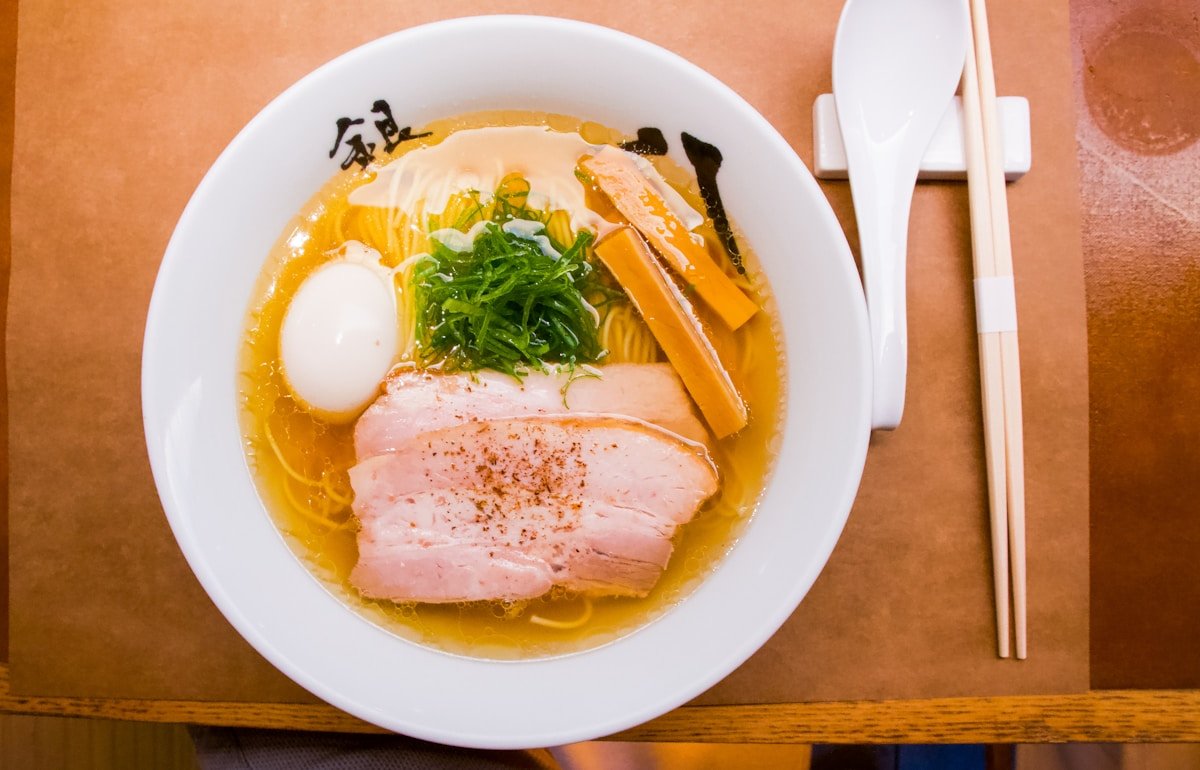
Tokyo has more Michelin-starred restaurants than any other city on earth - but the more useful fact for travellers is that excellent meals at every price point are genuinely easy to find. A bowl of ramen costs around JPY 900 to JPY 1,500 at a good shop. A lunch omakase at a serious sushi counter runs JPY 5,000 to JPY 15,000. An evening kaiseki at one of the city’s celebrated ryotei can reach JPY 40,000 and above. What links all of these is a shared seriousness about ingredients and technique that makes Tokyo, almost uniquely among world food cities, reliable rather than merely exciting.
This guide focuses on three areas where visitors spend most of their time: Shinjuku, Ginza and Shibuya. We’ve included specific named restaurants with current approximate prices so you can plan rather than wander.
Shinjuku: Density, Depth and Late Nights
Shinjuku is the most food-dense neighbourhood in the city. The west exit has Omoide Yokocho (Memory Lane), a narrow alley of tiny yakitori grills and counter seats that’s been operating since the 1940s. The east side has Kabukicho, which runs until well past midnight, and the department store Isetan in the Shinjuku 3-chome area, whose basement food hall (depachika) is one of the best in Japan.
Fuunji (near Shinjuku station, east exit) is one of the better-known tsukemen shops in the city. Tsukemen is a dipping ramen style where thick noodles arrive separately from a concentrated dipping broth. Fuunji’s broth is fish-forward and rich. Expect a queue, especially at lunch. Bowls from approximately JPY 900 to JPY 1,300. Cash only.
Tsunahachi (Shinjuku 3-chome) has been serving tempura since 1923. The teishoku lunch sets - a selection of lightly battered seafood and vegetables with rice, miso soup and pickles - run from approximately JPY 1,700 to JPY 3,500. The interior is traditional and counter seating lets you watch the chef work the oil. Reservations are not required for lunch.
Nishiya (near Shinjuku Gyoen) is a small kappo-style restaurant where the menu changes with the season. Lunch sets cost approximately JPY 2,500 to JPY 4,500. The owner sources most ingredients from small producers in Yamagata and Aomori prefectures, and it shows. English is limited but a picture menu helps.
For the izakaya experience, Albatross G and the surrounding Shinjuku Golden Gai bars are the atmospheric choice - tiny six-to-eight-seat venues, drinks from JPY 600, small snacks from JPY 400. Most Golden Gai bars open around 7pm and run until 3am or 4am. Some charge a table fee (seating charge) of JPY 500 to JPY 1,000 per person, which is standard practice in Tokyo.
Ginza: Lunch Omakase and Department Store Dining
Ginza has a reputation for expense that is partly justified and partly misleading. Many of the neighbourhood’s celebrated sushi and kaiseki restaurants are genuinely expensive in the evenings. At lunch, the same establishments often offer set menus at a fraction of the dinner price.
Sushi Yoshitake (Ginza 8-chome) holds three Michelin stars and offers a lunch omakase from approximately JPY 20,000 per person. That is not cheap. It is, however, roughly a quarter of what the dinner counter costs, and the quality of the nigiri - the rice temperature, the balance of vinegar, the knife work on the fish - is a standard difficult to find elsewhere. Book at minimum four weeks in advance via the restaurant’s website, ideally more.
Ginza Hachigo (Ginza 3-chome) is a more accessible sushi option. It operates as a standing sushi bar at lunch, with individual pieces from approximately JPY 350 to JPY 800 and a set of twelve pieces for around JPY 3,500. The counter is relaxed, the fish is excellent, and there is no formal dress code or complex reservation process.
Ten-Ichi (Ginza 6-chome) is among Japan’s most respected tempura restaurants and has been in business since 1930. Lunch teishoku sets run from approximately JPY 4,000 to JPY 8,000. The Ginza main branch is the flagship; counters in Odaiba and other locations offer similar quality at slightly lower prices.
The Ginza Six and Matsuya department stores both have strong basement food halls and top-floor restaurant floors. Matsuya’s restaurant floor in particular has several good Japanese options with city views and lunch sets from approximately JPY 2,000.
Shibuya: Neighbourhood Depth Beyond the Crossing
Most visitors see the Shibuya scramble crossing and the surrounding commercial area. The more interesting eating is in the quieter pockets slightly off the main drag.
Gyukatsu Motomura (Shibuya, near Mark City) serves gyukatsu - beef cutlet, breaded and lightly fried, served rare and finished on a personal hot stone at the table. The standard set costs approximately JPY 1,800 to JPY 2,400 and includes rice, miso soup and cabbage. There are multiple Tokyo branches but the Shibuya location is convenient. Queues are common at peak times.
Sasagin (Daikanyama, walkable from Shibuya) is a sake-focused izakaya with a serious list of nihonshu from small regional producers. Small plates run from JPY 600 to JPY 1,800, and the staff are genuinely knowledgeable about pairing. The room is warm wood and low light. Reservations are worth making for weekends.
Uoshin (Ebisu, one stop from Shibuya on the Hibiya line) is a seafood izakaya with a long menu of sashimi platters, grilled fish and seasonal specials. A full meal with drinks costs approximately JPY 4,000 to JPY 6,500 per person. The sake list is solid and the fish quality reflects the restaurant’s direct relationship with Tsukiji suppliers.
For ramen, Afuri (multiple Shibuya-area locations) has built a loyal following for its yuzu shio ramen - a delicate, clear-broth bowl with a strong citrus character. Bowls cost approximately JPY 1,200 to JPY 1,600. It suits people who find tonkotsu too heavy.
Practical Notes
Most Tokyo restaurants operate two distinct services: lunch (roughly 11:30am to 2pm) and dinner (6pm to 9pm or 10pm). Ordering outside these windows is often not possible even at places that technically stay open between services. Izakaya and ramen shops are more flexible.
Queuing is normal and in most cases the queue moves quickly. Arrive five to ten minutes before opening if you want to avoid the worst waits at popular lunch spots. Many restaurants now use a numbering or waiting list system visible at the door.
Online reservations through Tabelog (Japan’s main restaurant platform) or the restaurant’s own site are possible for most mid-range and above establishments. A credit card is often required to hold reservations at higher-end venues. Cancellations within 24 hours may incur a fee.
Cash remains essential at many smaller places. Carry at least JPY 5,000 in notes when eating out in Tokyo.
For a broader view of the city’s food districts and what to eat at each meal, our Tokyo food guide covers breakfast through to late-night eating across all major areas. If you’d prefer a structured food tour, our Tokyo food tours page has options from around JPY 5,000 per person.