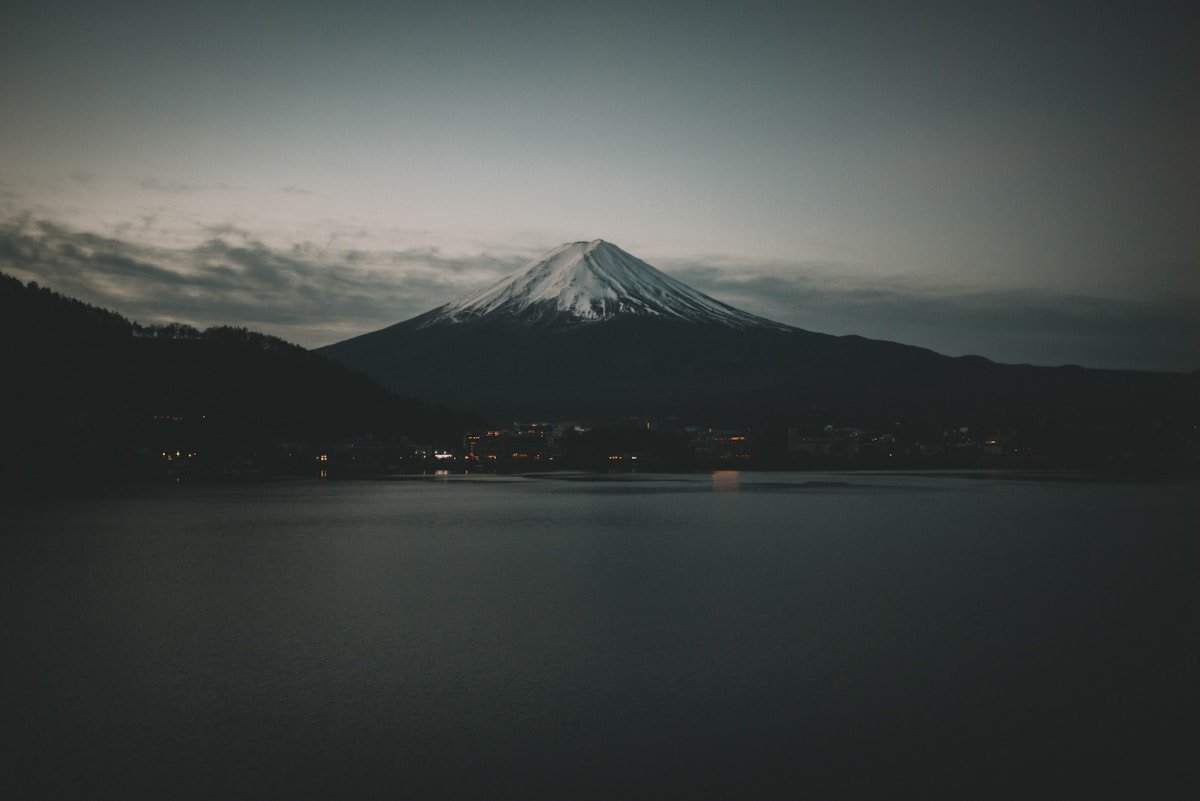
Japan and Taiwan are two of Asia’s most visitor-friendly countries with overlapping but distinct appeal. Both are safe, clean, have excellent public transport, and offer extraordinary food. The differences lie in scale, cost, atmosphere, and cultural emphasis. Japan is deeper, more expensive, and more formally structured. Taiwan is warmer, more casual, and delivers extraordinary value for money.
Is Taiwan cheaper than Japan? Yes - significantly. Taiwan costs approximately 30–40% less per day than Japan. A mid-range traveller spends roughly USD 55–90/day in Taiwan versus USD 100–160/day in Japan. Night market meals cost one-third the price of comparable Japanese casual dining; hostel beds run roughly half the Japan price.
Quick Verdict
| Category | Japan Wins | Taiwan Wins |
|---|---|---|
| Cultural depth and history | Yes | - |
| Value for money | - | Yes |
| Night markets | - | Yes (bigger, better) |
| Street food variety | - | Yes |
| Transport experience | Yes (shinkansen) | Yes (HSR, excellent metro) |
| Temples and shrines | Yes (volume) | Yes (different style) |
| Nature and scenery | Yes | Yes (different) |
| Hot springs (onsen) | Yes | Yes (Beitou) |
| City scale | Yes (Tokyo) | - |
| Ease of travel | Yes | Yes |
Japan wins for iconic experiences, cultural depth, and transport engineering. Taiwan wins for budget friendliness, night markets, and a more socially relaxed travel atmosphere.
Climate and When to Visit
Japan’s best seasons are spring (late March to May) for cherry blossoms and autumn (October–November) for maple foliage. Both seasons see peak pricing and crowds. Summer is hot and humid; winter is cold but manageable. The cherry blossom season - late March to early April - is one of Asia’s most spectacular travel events.
Taiwan has a subtropical climate with no true winter. The best time to visit is October to March - comfortable temperatures of 18–25°C, lower humidity, and the main travel season. April to September brings heat (30–35°C), humidity, and typhoon risk from July onwards. Taiwan’s typhoon season peaks August–September. The north (Taipei) is rainier than the south (Tainan, Kaohsiung) in winter, while the south is better in January–February.
For year-round warmth and minimal weather disruption: Taiwan (November–February) outperforms Japan’s equivalent window.
Weather by Month
| Month | Japan (Tokyo) | Taiwan (Taipei) | Better For |
|---|---|---|---|
| Jan | 3–10°C, dry and cold | 14–19°C, cool and rainy | Taiwan (warmer) |
| Feb | 4–12°C, dry | 15–20°C, rainy | Taiwan |
| Mar | 8–17°C, cherry blossom builds | 17–22°C, mild | Japan (late March) |
| Apr | 14–22°C, peak cherry blossom | 20–26°C, warm | Japan |
| May | 19–26°C, pleasant | 24–29°C, humid | Japan |
| Jun | 22–29°C, rainy season begins | 27–32°C, typhoon risk starts | Neither |
| Jul | 25–31°C, hot and humid | 29–34°C, typhoon season | Neither |
| Aug | 26–32°C, hottest, typhoon risk | 29–34°C, peak typhoons | Neither |
| Sep | 22–28°C, typhoon risk | 27–32°C, typhoons continue | Neither |
| Oct | 17–23°C, autumn foliage begins | 23–28°C, pleasant | Japan |
| Nov | 11–18°C, peak autumn foliage | 20–25°C, good season | Japan (foliage) |
| Dec | 6–12°C, cold | 16–20°C, cool | Taiwan (warmth) |
Key takeaway: April–May and October–November are Japan’s sweet spots. October–March (avoiding Jun–Sep typhoon season) is Taiwan’s strongest window. Both countries share a dead zone of June–September - hot, humid, and typhoon-prone - when neither is at its best.
Cost Comparison
| Expense | Japan | Taiwan |
|---|---|---|
| Hostel dorm | USD 23–40 | USD 10–22 |
| Budget hotel | USD 65–120 | USD 35–70 |
| Mid-range hotel | USD 120–235 | USD 70–130 |
| Night market snack | USD 3–7 | USD 1.50–4 |
| Sit-down dinner | USD 17–45 | USD 8–25 |
| Metro ride | USD 1.30–2 | USD 0.80–1.50 |
| HSR/shinkansen (100km) | USD 25–40 | USD 15–25 |
| Daily budget (mid-range) | USD 100–160 | USD 55–90 |
Taiwan’s affordability is most dramatic at the street food and accommodation level. Night market meals cost effectively a third of comparable Japanese casual dining, and hostel accommodation in Taipei is among Asia’s cheapest for the quality.
Top Experiences
Japan
Tokyo is the entry point for most Japan trips - the world’s largest metropolis with Shibuya Crossing, Tsukiji market, Akihabara, and the world’s most Michelin-starred restaurant count. Kyoto is the cultural counterweight - Fushimi Inari’s 10,000 torii gates, Kinkaku-ji (Golden Pavilion), Arashiyama’s bamboo grove, and Gion’s geisha district. Hiroshima and Miyajima Island make one of the world’s most moving day trips. The shinkansen connecting all of these runs at 285km/h with never-late punctuality - an engineering achievement as much as a transport system.
Unique to Japan: ryokan stays (traditional inns with tatami rooms, in-room kaiseki dinner, and communal or private onsen), the onsen culture of Hakone and Beppu, and the world’s most refined food culture from ¥1,000 ramen to ¥50,000 kaiseki. Osaka is Japan’s food capital - takoyaki, okonomiyaki, and the Dotonbori neon strip add a rawer, more exuberant energy to the Japan trip. Nara makes a compact half-day from Kyoto and Osaka, with free-roaming deer and the Great Buddha at Todai-ji (entry approximately JPY 600 as of 2026). See our Japan visa guide before planning. For two-week itinerary ideas, our two weeks Japan itinerary covers the essential circuit.
Taiwan
Taipei is an underrated world city. The Taipei 101 Observatory (entry approximately TWD 600 as of 2026) has panoramic views over the entire basin. The National Palace Museum (entry approximately TWD 350) holds one of the world’s great collections of Chinese imperial art and artifacts, many removed to Taiwan from the mainland in 1949. Longshan Temple in the Wanhua district (free entry) is one of Taiwan’s oldest and most active Buddhist-Taoist temples - a riot of incense, colour, and devotion at any hour.
Jiufen - the former gold-mining village in the mountains above Keelung - is a 50-minute bus ride from Taipei and offers the atmospheric lantern-lit teahouse lanes that inspired Miyazaki’s Spirited Away (though Miyazaki has never confirmed this connection). The hillside views over the Pacific coast are extraordinary.
Taroko Gorge (3 hours by train from Taipei to Hualien) is Taiwan’s most dramatic natural landscape - a marble gorge carved by the Liwu River through the Central Mountain Range, accessible via 19km of tunnels and suspension bridges. Entry to Taroko National Park is free; the Shakadang Trail (4km, easy) is the best introduction. The Qingshui Cliffs on the Pacific coast south of Hualien are among Asia’s most dramatic coastal scenery - 800-metre cliffs dropping directly into the sea.
Tainan is Taiwan’s oldest city and its most interesting for temple culture. The 17th-century Chihkan Towers (entry approximately TWD 50) and adjacent Tainan Confucius Temple (Taiwan’s oldest Confucian temple, free entry) represent different strands of Taiwan’s layered history: Dutch colonial, Zheng dynasty, and Qing imperial. Tainan’s street food is widely considered the best in Taiwan - spring rolls, coffin bread (toast bread deep-fried and filled with stew), and shrimp rolls from stalls concentrated in the Guohua Street area from approximately TWD 30–80 per item.
Tours and Activities
Booking guided tours adds structure to Japan’s most-visited sites and unlocks early access or smaller-group experiences unavailable to independent travellers.
Japan Tours
Tokyo:
- Tsukiji outer market food tour: the outer market (free entry independently) is best experienced on a guided tour for context on the auction process and access to the best inner stalls. 3-hour tours from approximately ¥6,000 per person. The market opens from approximately 5am; the freshest products are gone by 9am.
- teamLab Borderless at Azabudai Hills: digital art experience requiring advance tickets. Adults ¥3,200 as of 2026; sells out weeks ahead - book directly on the teamLab website. Our teamLab Borderless guide covers the Azabudai location in full.
- Senso-ji and Asakusa guided walking tour: half-day tours of Tokyo’s oldest temple district from approximately ¥3,500 per person, with an English-speaking guide covering the Nakamise shopping street, the five-storey pagoda, and local craft vendors.
Kyoto:
- Fushimi Inari early-morning guided hike: 2–3 hour guided ascent through 10,000 torii gates before crowds arrive (departing 6–7am) from approximately ¥4,000–¥5,000 per person. Operators including Kyoto Urban Adventures and Gourmet Adventures run small-group departures.
- Arashiyama bamboo grove jinrikisha (rickshaw) tour: hand-pulled rickshaw rides through the bamboo grove and along the Oi River embankment from approximately ¥6,000 for 30 minutes for two people. Operators line up at the grove entrance from Saga-Arashiyama Station.
- Tea ceremony in Gion: formal 1-hour ceremony at Camellia Tea Experience or En Tea Ceremony near the geisha district from approximately ¥3,000–¥3,800 per person, including matcha whisking instruction.
Browse Japan tours and multi-day experiences - including sake tasting in Fushimi, private bullet-train itineraries, and ryokan packages with kaiseki dinner included.
Taiwan Tours
- Jiufen and northeast coast day tour: van tours from Taipei covering Jiufen village, Yeliu Geopark, and the northeast coastal highway, from approximately TWD 1,200–1,800 (approximately USD 37–55) per person.
- Taroko Gorge full-day guided tour from Hualien: includes the Shakadang Trail, Swallow Grotto, and Eternal Spring Shrine from approximately TWD 1,500–2,500 per person. Self-guided entry to Taroko National Park is free; a guide adds value in the narrower inner gorge sections that require organised transport.
- Taipei night market food tour: evening guided walks through Shilin or Raohe markets with an English-speaking guide and included tastings from approximately TWD 800–1,200 per person.
Food and Drink
Japan’s food is defined by depth, precision, and regional variation that rewards weeks of exploration. Ramen (eight distinct regional styles), sushi (the craft of the itamae behind a hinoki counter), yakitori (every part of the chicken treated as a distinct dish), kaiseki (the highest expression of seasonal Japanese cooking) - each is a subject worthy of dedicated study. Our Japanese food guide introduces the major food categories.
Taiwan’s food reflects its unique position at the intersection of Chinese, Japanese, Southeast Asian, and indigenous Formosan culinary traditions. Beef noodle soup (hong shao niu rou mian) is the national dish - braised beef in spiced soy broth, with thick wheat noodles, from approximately TWD 150–200 at specialist shops. Xiaolongbao (soup dumplings) at Din Tai Fung (international chain, originated in Taipei; from approximately TWD 210 for 10 pieces) is Taiwan’s most famous food export. Stinky tofu (chou doufu) - fermented, deep-fried, served with pickled cabbage and chilli sauce - is the essential challenging eat from night market stalls at approximately TWD 60. Bubble tea (pearl milk tea) was invented in Taiwan in the 1980s; the original shop in Taichung (Chun Shui Tang, open since 1983) charges approximately TWD 80–130.
Taiwan’s night market culture is unmatched in Asia for accessibility and variety. Taipei’s Shilin Night Market (open from approximately 4pm, most stalls from 6pm) has 500+ stalls across the main market building and surrounding streets. Raohe Night Market is smaller and less touristy - a better experience for solo diners and serious eaters. In Tainan, the Flower Night Market (Thursday and Saturday evenings, near Shuixian Temple) is the city’s most atmospheric.
Cultural Differences
Japan and Taiwan share deep historical ties - Japan ruled Taiwan from 1895 to 1945, and the colonial period left a lasting imprint on Taiwan’s rail infrastructure, hot spring culture, and food traditions. But the two countries feel very different to travel through.
Formality and social pace. Japan runs on visible social codes: shoes off at ryokan entrances, no eating while walking, no phone calls on the train, cash still preferred in many places. The formality is not unfriendly - it is deeply courteous - but it requires adjustment. Taiwan is noticeably more relaxed. Eating on the metro is permitted outside peak hours in Taipei. Noise levels in night markets and restaurants are higher. Interactions with locals tend to be warmer and more spontaneous. The phrase commonly used by travellers who have done both: Japan is polished; Taiwan is welcoming.
Tipping. Neither country has a tipping culture. In Japan, leaving cash on the table can cause genuine confusion or embarrassment. In Taiwan, tipping is similarly uncommon, though less actively discouraged in tourist-heavy restaurants. In both countries, the price on the menu is the price - no tip expected, no service charge added.
Religion and temples. Japan’s religious life is divided between Shinto (shrines - jinja) and Buddhism (temples - tera). A Shinto shrine has a torii gate at the entrance; a Buddhist temple has a sanmon gate and usually an incense burner. Most Japanese practise elements of both without contradiction. Taiwan’s religious landscape is syncretic in a different way - the majority religion is a blend of Taoism, Buddhism, and folk religion, practiced simultaneously. The smell of incense, the sound of firecrackers, and the colour of temple decoration in Taiwan are more intense and exuberant than the typically serene atmosphere of Japanese Buddhist temples.
Language. Japanese uses three scripts (hiragana, katakana, and kanji); reading a Japanese menu or sign without Japanese is genuinely difficult outside of tourist infrastructure. Taiwan uses Traditional Chinese characters - difficult to read but more visually interpretable for travellers who recognise some kanji from Japan. In both countries, Google Translate’s camera mode is effective. English proficiency is generally higher in Taipei’s urban areas than in smaller Japanese cities and towns.
LGBT+ travel. Taiwan legalised same-sex marriage in 2019 - the first country in Asia to do so. Taipei’s LGBT+ scene is well-established, particularly around the Xinyi district. Japan has no national recognition of same-sex partnerships, though Tokyo, Kyoto, Osaka, and other major cities offer de facto partnership recognition at the local level and have active LGBT+ communities. For LGBT+ travellers, Taiwan is meaningfully more progressive in legal protections.
Currency. Japan uses the Japanese Yen (JPY); Taiwan uses the New Taiwan Dollar (TWD). Both countries have widespread ATMs. Japan is more cash-dependent than Taiwan - many traditional restaurants, ryokans, and smaller izakayas accept cash only. Taiwan’s IC Easy Card works on Taipei’s MRT, buses, and convenience store payments; credit cards are widely accepted at hotels and department stores.
Where to Stay
Japan
Tokyo accommodation spans a wider price range than almost any city in the world. Budget: APA Hotel chains (found across Shinjuku, Asakusa, and elsewhere) offer compact, clean rooms from approximately USD 65–90 as of 2026. Mid-range: Shinjuku Granbell Hotel and Shibuya Excel Hotel Tokyu typically start from approximately USD 130–180. Luxury: Park Hyatt Tokyo (the Lost in Translation hotel, Shinjuku) starts from approximately USD 500; the Four Seasons Marunouchi and Mandarin Oriental Tokyo are in the same tier. Ryokan experience (Hakone): Gora Kadan and Fujiya Hotel in Hakone offer the traditional tatami-room, kaiseki-dinner, outdoor onsen experience from approximately USD 350–600 per person including dinner, breakfast, and onsen access.
Kyoto skews toward boutique hotels and ryokans. Mid-range: Cross Hotel Kyoto and Hotel Monterey Kyoto from approximately USD 110–140. Ryokan in central Kyoto: Hiiragiya Ryokan (open since 1818, near Kawaramachi) from approximately USD 400 per person including meals - one of Japan’s most historically significant inn experiences.
Taiwan
Taipei offers dramatically better value at every tier. Budget: Star Hostel Taipei Main Station and The Loft Hostel (Ximending area) offer well-reviewed dorm beds from approximately USD 12–18. Mid-range: Just Sleep Ximending and Cosmos Hotel Taipei from approximately USD 60–85, often including breakfast. Luxury: Regent Taipei and Grand Hyatt Taipei from approximately USD 200–280 - equivalent service to a USD 500+ Tokyo luxury hotel. Hot spring hotel: Beitou Hot Spring Resort (30 minutes from Taipei by metro) starts from approximately USD 150 and includes in-room or shared onsen access - a Japanese-inspired experience at a fraction of the Japan cost.
Taiwan’s mid-range accommodation pricing is perhaps the single biggest tangible daily-budget difference between the two countries. A USD 80 Taipei hotel night competes directly with a USD 180 Tokyo hotel night.
Getting Around
Japan’s transport is covered in detail in our getting around Japan guide and Japan Rail Pass guide. The key: a 14-day JR Pass (approximately USD 400 as of 2026) makes multi-city Japan travel economically viable for itineraries covering Tokyo, Kyoto, Osaka, and beyond.
Taiwan’s Taiwan High Speed Rail (HSR) connects Taipei to Kaohsiung (345km) in 1 hour 36 minutes (approximately TWD 1,490 standard class one way, approximately USD 45). Taipei’s metro (MRT) is clean, frequent, and cheap - single rides from TWD 20 (USD 0.60). The EasyCard IC card covers MRT, bus, and YouBike cycle rental. For cross-island routes (to Hualien, Taitung), the Puyuma and Taroko express trains are fast and scenic.
eSIM and Connectivity
Both countries have near-universal mobile coverage, but visitor data costs and setup differ.
Japan: Visitor eSIMs for Japan typically run USD 8–15 for 5–10GB valid for 7–30 days. Major carriers (IIJmio, b-mobile) sell physical SIM cards at vending machines in Narita, Haneda, Kansai, and Chubu airports - useful if your phone doesn’t support eSIM. Free Wi-Fi is available at 7-Eleven, FamilyMart, and Lawson convenience stores nationwide with a simple email registration, and at most train stations. Coverage in rural areas and mountain resorts (Hakone, Nikko) is generally good but can drop in gorge sections.
Taiwan: Chunghwa Telecom and FarEasTone visitor SIMs are sold at counters in the arrival hall at Taoyuan International Airport from approximately TWD 300–500 (USD 9–15) for unlimited data valid for 5–30 days. Coverage is strong across the island including in Taroko Gorge (outdoor sections); some tunnel sections have no signal. Taipei’s MRT stations and major tourist sites all have free Wi-Fi.
Get an eSIM for Japan before you land - Airalo covers both Japan and Taiwan, so a single purchase can cover your whole trip without queuing at arrivals.
Visa Requirements
Japan offers 90-day visa-free entry to citizens of approximately 70 countries, including the US, UK, EU member states, Canada, Australia, and New Zealand. Citizens of China, India, and many Southeast Asian countries require a visa in advance. Japan’s eVisa system (for eligible nationalities) processes online, typically within a few business days. See our Japan visa guide for country-specific requirements and the application process.
Taiwan offers visa-free access to a slightly broader list of countries. US, UK, EU, Canadian, Australian, and New Zealand citizens receive 90 days visa-free. Notably, several Southeast Asian nationalities (Philippines, Indonesia, Vietnam) receive 14–30 days visa-free entry to Taiwan that require a full visa for Japan - making Taiwan the more accessible first destination for travellers from those countries. Taiwan’s Bureau of Consular Affairs publishes an updated eligibility list annually.
| Japan | Taiwan | |
|---|---|---|
| Visa-free countries | ~70 | ~85 |
| Visa-free duration | 90 days | 90 days (most nationalities) |
| SE Asia access | Requires visa for most nationalities | 14–30 days visa-free for several nationalities |
| Application method | eVisa (eligible nationalities) or consulate | Automatic on arrival for visa-free nationalities |
If your nationality requires a visa for Japan but not Taiwan, the practical upshot is clear: start with Taiwan and apply for Japan’s visa with time to spare.
Ready to book? Compare flights to Japan - prices and routes vary significantly depending on your departure city. Tours and activities across Japan cover both destinations covered in this comparison. Travel insurance for Japan is worth arranging before you commit to bookings.
Who Should Visit Each?
Choose Japan if you:
- Have at least 12–14 days and a reasonable budget
- Want iconic experiences (bullet train, cherry blossoms, onsen, Kyoto temples)
- Value food refinement and extraordinary cultural depth
- Are interested in traditional arts, architecture, and Japanese aesthetics
Choose Taiwan if you:
- Are working with a tighter budget
- Love night market culture and street food
- Want warm weather year-round
- Are combining with a Hong Kong or Southeast Asia circuit
Visit both if:
- You’re doing a 2–3 week Asia trip
- You want to experience the contrast between Japan’s formality and Taiwan’s warmth
- You want to see how Japanese colonial influence shaped Taiwan’s food, architecture, and infrastructure (the HSR, many of Taiwan’s best ramen shops, and the hot spring culture at Beitou all carry direct Japanese heritage)
See also: Japan vs South Korea · Japan vs Thailand · Two weeks in Japan itinerary · Japan Golden Route · Tokyo travel guide · Kyoto travel guide · Best time to visit Japan
Frequently Asked Questions
Is Taiwan cheaper than Japan?
Yes, significantly. Taiwan runs approximately 30–40% cheaper than Japan across accommodation, food, and transport. A comfortable mid-range Taiwan trip costs approximately USD 50–80 per day; Japan’s equivalent is USD 100–160 per day. The gap is most dramatic at the street food level: night market meals in Taiwan cost USD 1.50–4 per dish. Japan’s food is excellent value for quality, but the absolute cost is still substantially higher.
Can I visit both Japan and Taiwan on one trip?
Yes - and the combination works exceptionally well. Direct flights between Tokyo (Narita or Haneda) and Taipei (Taoyuan) take approximately 3–3.5 hours with multiple daily departures from Japan Airlines, ANA, EVA Air, and China Airlines. Budget carriers including Peach and Tigerair Taiwan often have fares from approximately USD 80–150 one way when booked in advance. A practical combined itinerary: Tokyo (4–5 nights), Kyoto (3 nights), Taipei (3–4 nights) fits comfortably into under two weeks.
Which country is better for street food and night markets?
Taiwan wins on night market culture. Taipei’s Shilin Night Market - open from around 6pm, with 500+ stalls across the main building and surrounding streets - is one of Asia’s most visited, with dishes from TWD 50–150 (USD 1.50–4.50). Japan’s street food is outstanding but tied to festivals and specific regional settings rather than permanent year-round markets. For daily access to cheap, varied, excellent food eaten standing up at a stall: Taiwan.
Is Japan or Taiwan better for a first-time Asia visit?
Taiwan is generally the stronger choice for first-timers. It is more affordable, the geography is compact enough to cover the highlights in 5–7 days, and it has a socially relaxed atmosphere that is forgiving for inexperienced travellers. Japan is deeply rewarding but demands more time, more budget, and more logistical planning to do justice to the Tokyo–Kyoto–Osaka circuit. The common advice holds: Taiwan first, Japan on the return.
How many days do you need in Japan vs Taiwan?
Taiwan can be done thoroughly in 5–8 days: 4 nights in Taipei with a Jiufen or Yehliu day trip, plus a 2–3 night south circuit covering Taroko Gorge and Tainan. Japan needs a minimum of 10–14 days to cover Tokyo, Hakone (or Nikko), Kyoto, and Osaka without feeling rushed. A 7-day Japan trip forces hard cuts. If your total trip is under 10 days: Taiwan gives you a more complete experience.
Is Japan or Taiwan easier to travel without speaking the language?
Both countries are among Asia’s most accessible for English-speaking visitors. Taiwan’s metro system (MRT), major tourist sites, and night market areas all have comprehensive English signage. Japan’s transport signage is excellent on the shinkansen network and in major cities; English fluency varies more among service staff in smaller towns and ryokans. Translation apps (Google Translate camera mode) work well in both countries. Neither presents a significant barrier for standard tourist routes.
What are the visa requirements for Japan and Taiwan?
Both countries offer 90-day visa-free entry to citizens of approximately 70–85 countries. The key difference: Taiwan’s visa-free list is slightly broader, and several Southeast Asian nationalities (including Philippines, Indonesia, and Vietnam) receive 14–30 days visa-free in Taiwan that require a full visa for Japan. US, UK, EU, Canadian, Australian, and New Zealand passport holders get 90 days visa-free in both countries, with no advance registration required. Check current eligibility on both countries’ immigration websites before booking - lists update annually.
Plan Your Trip
- Flights - Find the best fares to Japan
- Hotels Japan - Search hotels in Japan on Booking.com
- Hotels Taiwan - Search hotels in Taiwan on Booking.com
- Travel Insurance - Get covered before you go
- eSIM - Stay connected from landing
- Car Rental - Compare prices across providers
- Tours and activities - Browse experiences on GetYourGuide