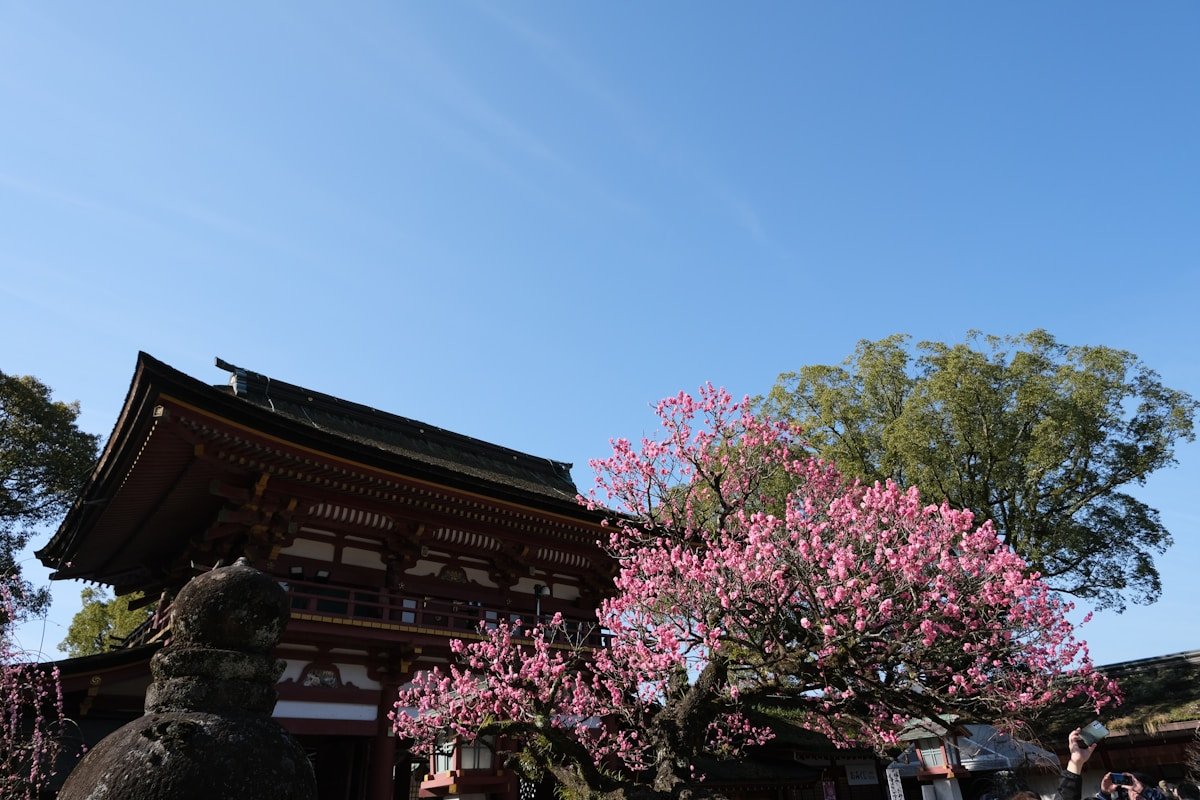
March is when Japan transitions from winter quiet into its most famous season. The cherry blossom front begins its northward journey, transforming the country city by city. Early March is still winter in much of Japan, but by month’s end, the first blossoms have opened in Tokyo and Kyoto, and the anticipation is palpable.
The Spring Thaw: March Weather South to North
Tokyo warms gradually from 5–12°C in early March to 8–16°C by late March. Rain is infrequent but possible. The sun feels noticeably stronger than winter, though mornings and evenings remain cold.
Kyoto and Osaka follow a similar pattern, reaching 7–15°C by month’s end. Kyoto’s mountain-ringed geography makes it slightly colder than Osaka on clear nights.
Hokkaido is still in winter: Sapporo averages −3 to 4°C, with snow on the ground into April. Ski resorts remain open and conditions are good - March in Hokkaido offers spring skiing with longer daylight hours.
Okinawa is pleasant at 16–22°C. Swimming season has not yet begun, but outdoor activities are comfortable. Okinawa’s cherry blossom season is already finished by March.
The Cherry Blossom Front (Sakura Zensen)
Japan’s cherry blossom season follows a predictable geographic progression. The Japan Meteorological Corporation publishes official forecasts from early January, and the media tracks the front intensely.
In a typical year, the progression through March looks like this:
- Mid-March: First blooms in Kyushu - Fukuoka, Kumamoto, and Nagasaki see their earliest flowers around March 18–22.
- Late March: The front reaches Hiroshima, Osaka, and western Honshu. Tokyo’s official bloom date (based on a reference tree at Yasukuni Shrine) typically falls between March 20–28.
- Very late March: Kyoto’s blossoms open, usually 2–5 days after Tokyo. Full bloom (mankai) follows about 5–7 days after first bloom.
Cherry blossom timing shifts by up to two weeks depending on winter temperatures. Warm winters bring early blooms; cold winters push everything later. Flexibility is the key to successful sakura viewing.
Early Sakura Spots in March
If visiting in mid-to-late March before the main front arrives in Tokyo and Kyoto, several earlier-blooming locations are worth considering:
- Fukuoka - Maizuru Park and Nishi Park, with blossoms often opening around March 20.
- Hiroshima - Shukkeien Garden and the Peace Memorial Park, typically blooming in the last week of March.
- Shizuoka - Kawazu, on the Izu Peninsula, has a unique early-blooming cherry variety (Kawazu-zakura) that actually peaks in February to early March - one of Japan’s earliest mainland blooms.
Chasing the First Blossoms: Where to Be in March
- Late March in Tokyo - if timing aligns, hanami (flower viewing) at Shinjuku Gyoen, Ueno Park, and Chidorigafuchi moat. These sites fill rapidly once blooms are announced; weekday visits are significantly better.
- Kyoto - temple visits without cherry blossom crowds in early March, transitioning to early sakura at Maruyama Park and Philosopher’s Path by month’s end.
- Hokkaido - spring skiing with fewer crowds and warmer temperatures. Niseko, Furano, and Rusutsu remain open through March, and off-piste conditions can be excellent.
- Hiroshima and Miyajima - the famous torii gate with early blossoms in the background is one of Japan’s most photographed spring scenes.
Low Season to High Season: March Booking Strategy
March marks the transition from low season to high season. Early March retains winter pricing - hotels in Tokyo and Kyoto are reasonable and available. By late March, cherry blossom season pricing kicks in: hotel rates in central Kyoto can double, and popular ryokan sell out entirely. The price shift is dramatic and immediate once the blossom forecasts confirm dates.
Book accommodation for late March at least 3–4 months ahead. If travelling during the last week of March, treat it as peak season in terms of planning.
JR Pass Strategy for March
A 14-day JR Pass is particularly effective in March for following the cherry blossom front northward. A possible route: arrive in Fukuoka (early blooms), take the Shinkansen to Hiroshima, then on to Osaka, Kyoto, and Tokyo as the front progresses. This approach maximises your chances of seeing full bloom somewhere on your trip, even if weather shifts the timing.
Planning a trip this month? Flights to Japan prices vary significantly by season - compare fares early for the best value. Travel insurance for Japan covers delays, medical costs, and the unexpected. Pick up an Airalo eSIM for Japan to have mobile data from the moment you land - no queueing at the airport for a physical SIM.
Sakura Forecast Apps and Spring Layering
- Pack layers. Temperatures swing 10°C between morning and afternoon. A light down jacket with a waterproof outer layer covers most conditions.
- Cherry blossom forecasts: Check the Japan Meteorological Corporation’s sakura forecast (updated weekly from January). Tenki.jp and Japan-guide.com also track the front.
- Cash: Carry yen. Major tourist sites accept cards, but smaller cherry blossom festival vendors, food stalls, and neighbourhood restaurants are cash-only.
For a broader perspective on how seasons shape your Japan trip, see our Japan by season guide.
See also: Best time to visit Japan · Japan in February · Japan in April · Japan cherry blossom guide · Cherry blossom itinerary · Kyoto travel guide · Tokyo travel guide · Hiroshima travel guide · Osaka travel guide · Japan Rail Pass guide · Japan where to stay
Search hotels in Japan on Booking.com
Plan Your Trip
Late March prices spike the moment sakura forecasts confirm dates - treat any stay from around March 20 onward as peak season. The smart approach is to follow the blossom front: start in Fukuoka or Hiroshima, move to Osaka and Kyoto, then Tokyo. A 14-day JR Pass is ideal for this south-to-north route.
- Hotels in Hiroshima - Start of the blossom front, late March
- Hotels in Kyoto - Book 3–4 months ahead for late March
- Cherry blossom tours in Kyoto - Browse guided hanami experiences
- Hiroshima tours - Guided Peace Memorial and Miyajima walks
- Flights - Compare early for late March fares
- eSIM - Stay connected from landing
- Travel Insurance - Get covered before you go