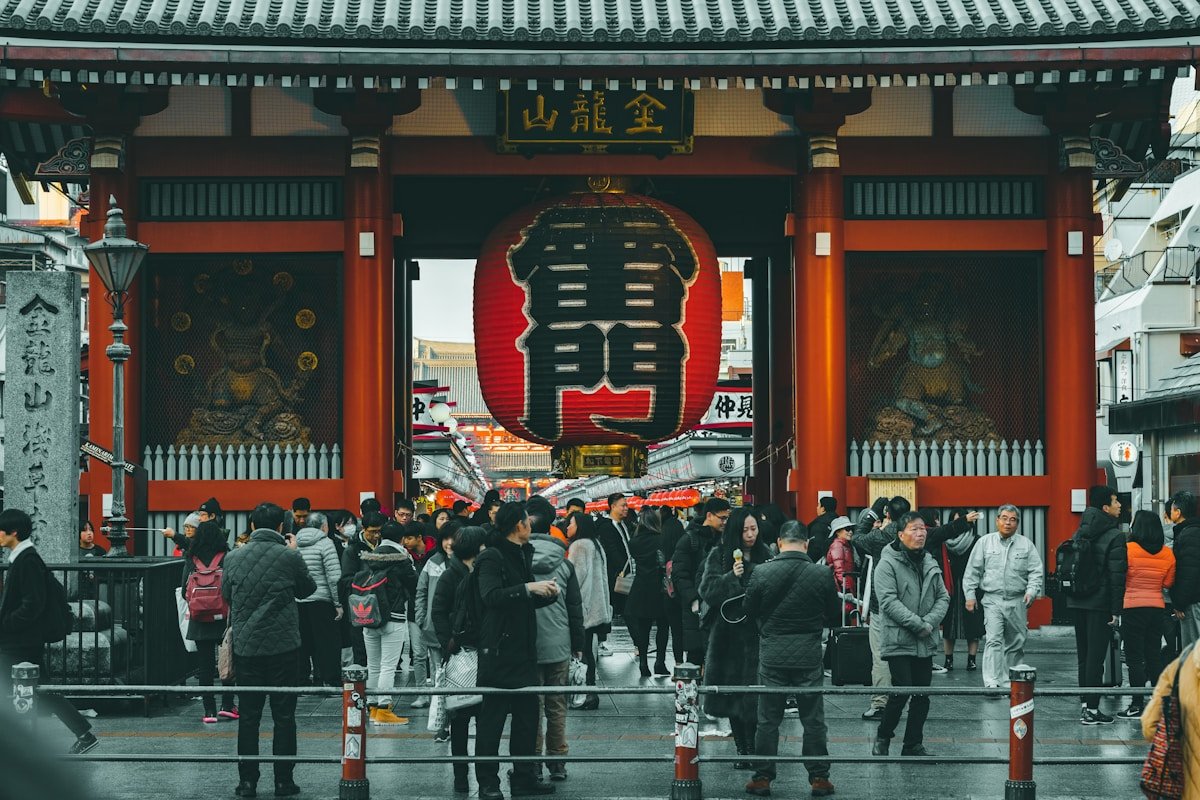
Japan’s reputation for expense is out of date. A decade of yen weakness has made it one of the better-value developed-country destinations for travellers from the US, UK, Europe, and Australia. A ramen bowl costs ¥800–1,000. A bullet train bento box is ¥1,000. A night in a business hotel in Osaka starts at ¥7,000. If you know what you are doing, Japan on ¥10,000 per day is genuinely comfortable - not a backpacker grind.
Here is an honest, current breakdown of what Japan actually costs across three styles of travel, as of 2026.
The Short Answer: Daily Budgets
Want numbers for your own dates and travel style? Try our Japan trip cost calculator.
| Travel Style | Daily Budget (per person) |
|---|---|
| Budget | approx ¥8,000–12,000 |
| Mid-range | approx ¥15,000–25,000 |
| Comfort | approx ¥30,000–60,000+ |
These figures assume you have already paid for your flight. They include accommodation, food, local transport, and a reasonable number of paid attractions. They do not include the shinkansen or the JR Pass (covered separately below) - add those on top if you are travelling between cities.
Accommodation Costs in Japan
Budget: approx ¥3,000–6,000/night per person
Japan’s budget accommodation scene is outstanding. Hostels in Tokyo, Osaka, and Kyoto offer clean dorm beds in well-designed spaces for ¥3,000–4,500/night. Private capsule rooms - the next step up - run ¥4,500–6,500 at well-reviewed places like The Millennials Shibuya (Tokyo, from approximately ¥4,500/night as of 2026) or Namba Hana Hostel (Osaka, from approximately ¥3,500/night as of 2026).
Business hotels - Japan’s equivalent of a mid-budget chain hotel, with tiny but immaculate private rooms - start from approximately ¥6,000 for a single room at chains like Toyoko Inn (found in nearly every city) or APA Hotel (Tokyo and Osaka). These are not hostels - you get a private room with an en-suite bathroom.
Mid-range: approx ¥10,000–18,000/night
The Japanese business hotel sweet spot. Dormy Inn locations across Japan offer private rooms, often with small onsen on the top floor, for ¥9,000–14,000 per room. Cross Hotel Osaka and Hotel Gracery Shinjuku (Tokyo) are representative at approximately ¥12,000–16,000 per room. At this price point you get a comfortable private room, good breakfast options, and central location.
Ryokan (traditional Japanese inns) at this budget tier are possible outside peak season - smaller ryokan in Nikko, Kinosaki Onsen, or rural Kyushu can be found for ¥10,000–15,000 per person including breakfast and dinner.
Comfort: approx ¥25,000–80,000+/night
International luxury hotels - Park Hyatt Tokyo (of Lost in Translation fame, from approximately ¥50,000/night as of 2026), Aman Tokyo (from approximately ¥80,000+/night), The Ritz-Carlton Kyoto (from approximately ¥60,000/night) - sit at the top of the range. Mid-luxury options like Hotel The Celestine Kyoto Gion or Granvia Kyoto offer polished experience from approximately ¥25,000–35,000 per room.
A high-end ryokan with kaiseki dinner and breakfast included (the classic way to splurge in Japan) runs ¥40,000–80,000 per person at renowned properties in Hakone, Kinosaki, or the Izu Peninsula.
Search hotels in Japan on Booking.com
Food Costs in Japan
Food in Japan is where the budget traveller wins hardest.
Budget: approx ¥1,500–2,500/day
Convenience store meals (7-Eleven, FamilyMart, Lawson) are genuinely good and cost ¥150–350 per item. A full onigiri-plus-onibi breakfast runs under ¥400. Gyudon (beef rice bowl) at Yoshinoya or Matsuya - fast food chains found everywhere - costs approximately ¥400–550 as of 2026. A bowl of ramen at a local shop (not a tourist-facing place) costs approximately ¥700–900.
Lunch sets at restaurants - called teishoku - are particularly good value. A restaurant that charges ¥2,000 for dinner will often offer the same meal at lunch for ¥900–1,200.
Mid-range: approx ¥3,000–6,000/day
At mid-range you can sit down for every meal. Breakfast at a coffee shop or hotel: ¥600–1,200. Lunch at a proper restaurant: ¥1,000–1,800. Dinner with a drink at an izakaya (Japanese pub-restaurant): ¥2,000–3,500.
Specific examples: Ichiran Ramen (one booth, customisable broth, approx ¥980/bowl as of 2026), Sushiro conveyor-belt sushi (approx ¥100–200 per plate as of 2026), Gyukaku yakiniku (Japanese BBQ, approx ¥2,000–3,000 set menus as of 2026).
Comfort: approx ¥8,000–20,000+/day
At the top end, Japan’s food is world-class. A kaiseki lunch at a Kyoto temple restaurant like Shoraian near Arashiyama costs approximately ¥5,000–10,000 per person as of 2026. A sushi omakase at a non-Michelin counter in Tokyo runs approximately ¥8,000–20,000. Add drinks (sake, beer, whisky highball) and a dinner out can comfortably reach ¥15,000+ per person.
Transport Costs in Japan
This is the biggest variable in any Japan travel budget.
IC Cards (Suica / ICOCA)
The smartest transport tool in Japan. An IC card (Suica in Tokyo, ICOCA in Osaka/Kyoto, or either across most of the country) is a rechargeable card you tap on every train, subway, and bus gate. It also works at convenience stores and some vending machines.
Cost: ¥2,000 to set up (¥500 refundable deposit + ¥1,500 starting credit). Reload as needed at station machines.
Daily city travel: Osaka Metro day pass costs approximately ¥800 (weekdays) or ¥600 (weekends) as of 2026. Tokyo subway day pass costs approximately ¥600–1,000 depending on zone as of 2026. If you are staying within one city and using the metro daily, a day pass pays for itself after 3–4 journeys.
For travellers spending most of their trip in one or two cities, IC card travel costs approximately ¥500–1,500/day depending on how much ground you cover.
JR Pass vs Paying Per Journey
The JR Pass gives unlimited travel on JR trains (including shinkansen, except the Nozomi and Mizuho) for 7, 14, or 21 consecutive days. Prices as of 2026:
| Duration | Ordinary Class |
|---|---|
| 7 days | approx ¥50,000 |
| 14 days | approx ¥80,000 |
| 21 days | approx ¥100,000 |
Is it worth it? Only if you travel a lot between cities. The break-even calculation: a Tokyo–Osaka shinkansen return costs approximately ¥28,000 as of 2026. A Tokyo–Osaka–Hiroshima–Kyoto–Tokyo loop adds up to approximately ¥45,000+ in individual tickets. If your itinerary involves 3+ intercity shinkansen journeys, the 7-day pass typically breaks even.
If you are staying in one region (Tokyo only, or Kansai only): skip the JR Pass and buy point-to-point tickets or use IC cards. Paying per journey on a focused itinerary is almost always cheaper.
For a detailed breakdown, see our JR Pass guide.
Taxis
Japanese taxis are metered and reliable but expensive. Flag fall in Tokyo is approximately ¥500 for the first 1 km as of 2026, then approximately ¥100 every 300 m. A typical city centre taxi ride (3–5 km) costs ¥1,000–2,500. Use trains where possible; taxis for late-night returns when trains stop running (around midnight in most cities).
Attractions and Entrance Fees
Japan’s major temple and shrine precinct entries are typically modest:
| Attraction | Approx Entry Fee (as of 2026) |
|---|---|
| Osaka Castle tower museum | ¥600 |
| Fushimi Inari Shrine (Kyoto) | Free |
| Kinkaku-ji (Golden Pavilion, Kyoto) | ¥500 |
| Todai-ji Temple (Nara) | ¥800 |
| teamLab Borderless (Tokyo) | ¥3,200 |
| DisneySea (Tokyo) | ¥9,400–10,900 |
| Universal Studios Japan (Osaka) | ¥8,600–10,600 |
| Hiroshima Peace Museum | ¥200 |
| Shinjuku Gyoen National Garden | ¥500 |
Budgeting approximately ¥1,000–2,000/day for paid attractions covers most sightseeing comfortably. Tokyo DisneySea and Universal Studios Japan are the outliers - budget a separate day’s entry fee if you visit either.
What Does Japan Actually Cost Per Day? - Worked Examples
Budget Traveller (approx ¥9,000/day)
- Hostel dorm in Osaka: ¥3,500
- 7-Eleven breakfast (onigiri + coffee): ¥380
- Ramen lunch at local shop: ¥850
- Convenience store dinner + snacks: ¥700
- Metro day pass: ¥800
- Osaka Castle entry: ¥600
- Drinks, snacks, incidentals: ¥500
- Daily total: approx ¥7,330 - comfortably within the ¥8,000–10,000 target
Mid-Range Traveller (approx ¥20,000/day)
- Business hotel private room (Dormy Inn Kyoto): ¥12,000
- Teishoku lunch at restaurant: ¥1,200
- Izakaya dinner (food + 2 drinks): ¥3,200
- Coffee shop breakfast: ¥900
- IC card travel: ¥1,200
- Kinkaku-ji + temple entry: ¥1,000
- Incidentals: ¥800
- Daily total: approx ¥20,300
Comfort Traveller (approx ¥45,000/day)
- Hotel Gracery Shinjuku deluxe room: ¥22,000
- Kaiseki lunch at Kyoto restaurant: ¥8,000
- Sushi omakase dinner: ¥15,000
- IC card + occasional taxi: ¥2,500
- Shinjuku Gyoen + museum: ¥1,500
- Daily total: approx ¥49,000
Japan Daily Costs by City: Tokyo, Kyoto, Osaka and Rural Japan
The national ranges above hide real differences between places. These per-person daily figures cover a bed, three meals, local transport and one or two paid sights, but not intercity trains. All prices are approximate, as of 2026.
| Place | Budget | Mid-range | Comfort |
|---|---|---|---|
| Tokyo | approx ¥9,000-12,000 | approx ¥18,000-28,000 | approx ¥40,000+ |
| Kyoto | approx ¥8,500-11,000 | approx ¥17,000-26,000 | approx ¥38,000+ |
| Osaka | approx ¥7,500-10,000 | approx ¥15,000-22,000 | approx ¥32,000+ |
| Rural Japan | approx ¥6,000-9,000 | approx ¥14,000-20,000 | approx ¥30,000+ |
Tokyo
Tokyo is the most expensive city mainly because of beds. A dorm bed or capsule runs approximately ¥3,500-5,000, and a central business hotel room approximately ¥10,000-16,000 as of 2026. Food stays cheap: teishoku set lunches and standing soba cost approximately ¥700-1,200. Subway rides are approximately ¥180-330 each, so a day of hopping between districts costs approximately ¥800-1,200. Use our Tokyo where to stay guide to compare areas, and book a guided Tokyo tour for the paid highlights.
Kyoto
Kyoto looks cheaper than Tokyo on food and transport, but hotel prices spike hard in cherry blossom season and November foliage, when mid-range rooms can reach approximately ¥25,000-40,000 per night as of 2026. Many temples charge approximately ¥500-1,000 each, and a kaiseki dinner starts at approximately ¥8,000 per person. A bus day pass is no longer sold, so budget approximately ¥230 per bus ride or use the subway and walk. See where to stay in Kyoto and consider a Kyoto guided tour to cover several temples efficiently.
Osaka
Osaka is the value pick. Hostels and capsules start at approximately ¥3,000, business hotels at approximately ¥7,000, and street food such as takoyaki (approximately ¥600 for eight) and okonomiyaki (approximately ¥1,000-1,500) makes eating well very cheap. The main extra is Universal Studios Japan at approximately ¥8,600-10,600 per ticket as of 2026. Our Osaka where to stay guide covers Namba and Umeda, and an Osaka tour is a good way to cover Dotonbori and the castle.
Rural Japan
Outside the big three, rooms cost less and food is cheaper, but you spend more on regional trains, buses and rental cars, and card acceptance drops. Business hotels in regional cities run approximately ¥5,500-8,000. The big rural splurge is a ryokan with dinner and breakfast, typically approximately ¥15,000-30,000 per person as of 2026, which replaces your food budget for the day. Local buses can be approximately ¥300-1,000 per leg, and a rental car with fuel and tolls is approximately ¥8,000-12,000 per day. Bring plenty of cash. For a base such as Takayama, browse Takayama tours.
Common Extra Costs to Budget For
SIM card / eSIM: An eSIM with unlimited data for 30 days costs approximately ¥2,500–4,500 from providers like Airalo as of 2026. A physical tourist SIM is available at airports for similar prices.
Luggage forwarding (takkyubin): Sending a bag between cities costs approximately ¥2,000–3,000 as of 2026. See our full takkyubin guide.
Souvenirs and shopping: Japan has exceptional shopping - ceramics, kitchenware, stationery, whisky, cosmetics. Build a cushion into your budget here. Tax-free shopping is available at most department stores and electronics retailers (Yodobashi, BicCamera) for purchases over ¥5,000; show your passport at the tax counter.
Tipping: None. Tipping is not practised in Japan. The service is consistently excellent without it.
Plan Your Trip
- Flights - Find the best fares to Japan
- Hotels - Search hotels in Japan on Booking.com
- Travel Insurance - Get covered before you go
- eSIM - Stay connected from landing
- Car Rental - Compare prices across providers
- Tours and activities - Browse experiences on GetYourGuide
Frequently Asked Questions
Is Japan expensive for tourists in 2026? Less so than its reputation suggests. The yen has remained weak relative to historical levels, making Japan significantly more affordable for travellers from the US, UK, Europe, and Australia than it was a decade ago. Budget travellers can travel comfortably on ¥10,000–12,000/day; mid-range travellers on ¥18,000–25,000/day.
How much spending money do I need per day in Japan? Allow approximately ¥5,000–8,000/day in spending money if your accommodation is pre-paid. This covers all meals, local transport, daily attractions, and incidentals without feeling pinched.
Is cash or card better in Japan? Both. Japan remains heavily cash-based - especially at smaller restaurants, temples, and markets. Carry at least ¥10,000–20,000 in cash at all times. 7-Eleven ATMs (and Japan Post ATMs) accept international cards without issues. Card payments are now accepted at most large shops, convenience stores, and hotels.
What is the cheapest way to travel between cities in Japan? Highway buses are the cheapest intercity option - a Tokyo to Osaka overnight bus costs approximately ¥3,500–5,000 as of 2026 versus ¥13,000+ for a shinkansen ticket. The trade-off is 8–9 hours versus 2.5 hours. For one or two intercity legs, budget travellers often take the bus and pay for shinkansen tickets individually rather than buying the JR Pass.
Is the JR Pass worth buying in 2026? It depends entirely on your itinerary. For a classic Tokyo–Kyoto–Hiroshima–Tokyo route over 7 days, the pass typically breaks even or saves money. For a trip focused on one region, individual tickets or IC cards are cheaper. Run the numbers against your specific planned journeys before buying.
How much does a week in Japan cost? For budget travel (including flights from Europe or the US): approximately ¥56,000–84,000 in-country spending for the week. Mid-range: approximately ¥105,000–175,000. Add shinkansen travel costs on top - a 7-day JR Pass is approximately ¥50,000 if you need it.