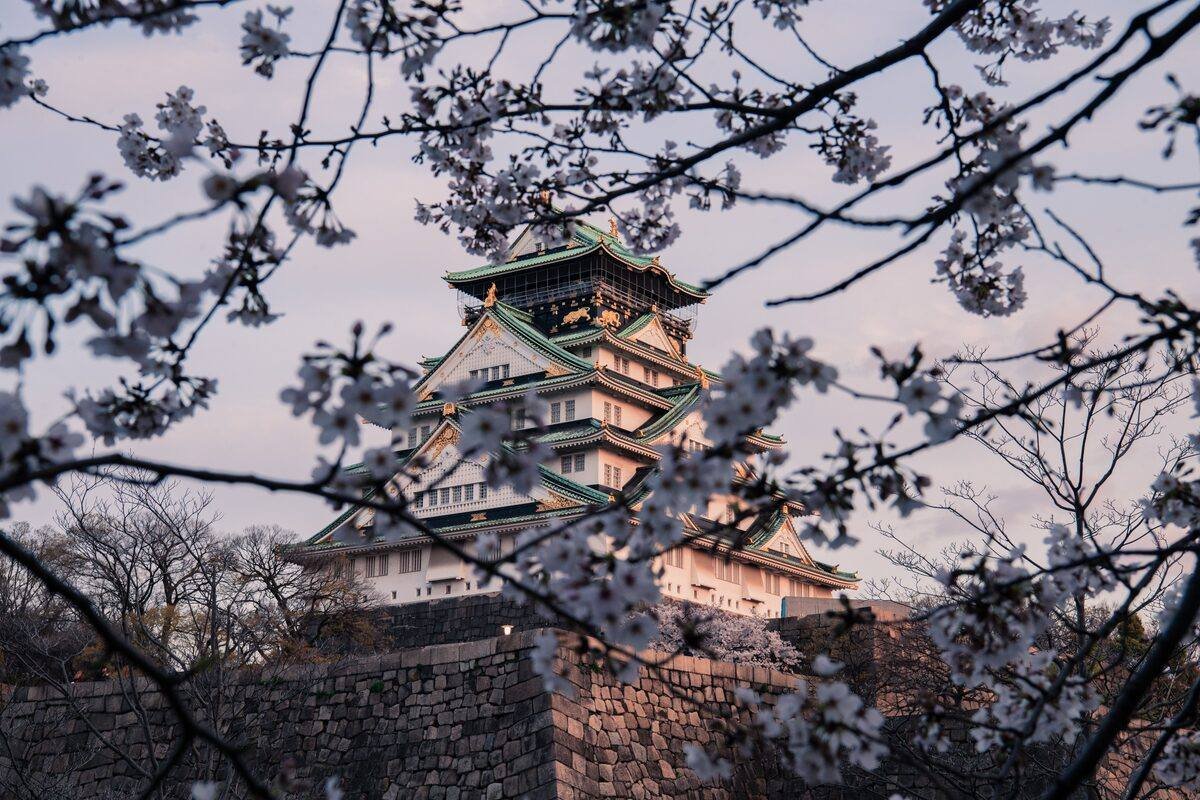
Japan’s sakura season doesn’t arrive all at once - it moves. The cherry blossom front (sakura-zensen) advances northward from Kyushu through Kansai to Kanto over roughly three to four weeks, which means a well-timed south-to-north route lets you catch the bloom at multiple cities in sequence rather than gambling on a single location. This 10-day itinerary starts in Fukuoka - where Kyushu’s trees flower earliest - and ends in Tokyo, following the advancing front through Hiroshima, Osaka, Kyoto, and Nara along the way.
The route is structured so each stop has a distinct blossom personality: Fukuoka is casual and local, Hiroshima adds historical weight, Osaka is pure spectacle around the castle, Kyoto is the sacred heartland, and Tokyo is scale and variety. The same flowers, five entirely different contexts.
How the Sakura Front Works
The sakura-zensen is tracked by meteorologists and updated weekly from January onwards. It runs south-to-north and low-to-high altitude: coastal Kyushu blooms first, Hokkaido blooms last, and mountain locations bloom weeks after nearby cities. The gradient within the Golden Route is less dramatic than often assumed - Fukuoka and Tokyo can peak within 4–5 days of each other - but Kyoto blooms reliably 5–7 days after Osaka, giving this itinerary its timing structure.
No forecast is reliable more than two weeks ahead. Use the figures below for planning; confirm with Tenki.jp and NHK’s annual sakura map from February 2027 onwards.
2027 Bloom Date Estimates
| City | First Bloom (kaika) | Peak Bloom (mankai) | Notes |
|---|---|---|---|
| Fukuoka | ~23 March | ~28 March | Earliest major city bloom in Japan |
| Hiroshima | ~26 March | ~1 April | Miyajima blooms at same time |
| Osaka | ~26 March | ~31 March | Castle Park peaks late March |
| Kyoto | ~29 March | ~4–5 April | Philosopher’s Path peaks slightly later |
| Yoshino (Nara) | early April | Mid-April zones staggered | Four altitude zones bloom over 2–3 weeks |
| Tokyo | ~25 March | ~30 March | Late varieties at Shinjuku Gyoen extend to mid-April |
Estimates based on historical averages and early modelling. Official forecasts from the Japan Meteorological Corporation publish January 2027.
Note on Tokyo: Tokyo technically peaks before Kyoto despite being further north - Pacific coastal climate keeps its temperatures mild. This means you’ll arrive in Tokyo near the end of peak bloom. This is not a problem: petal-fall (hanafubuki) at Chidorigafuchi moat is one of the most celebrated sights of the season, and Shinjuku Gyoen’s late-blooming varieties extend the window past the date most visitors think the season ends.
Overview
| Days | Base | Sakura Personality |
|---|---|---|
| 1–2 | Fukuoka | Opening bloom, low crowds, local hanami culture |
| 3–4 | Hiroshima | Peak bloom + Miyajima shrine island |
| 5 | Osaka | Castle-and-blossom spectacle |
| 6–7 | Kyoto | Philosopher’s Path and temple gardens |
| 8 | Yoshino, Nara | 30,000 mountain cherry trees |
| 9–10 | Tokyo | Scale, late varieties, petal-fall canal scenes |
Suggested start date for 2027: 24 March (catches Fukuoka at early bloom, arrives in Kyoto as peak builds).
Days 1–2: Fukuoka
Fukuoka is the first major Japanese city to bloom each spring and one of the least crowded for international visitors. The city’s two main sakura sites are genuinely excellent and entirely free to enter.
Maizuru Park is a 10-minute walk from Ohori Park station on the Kūkō subway line. The park surrounds the remains of Fukuoka Castle and has around 1,000 cherry trees, with rows of yoshino cherry lining the moat and embankment. During the Fukuoka Sakura Festival (dates vary by year, typically last week of March), food stalls and lighting at night run until around 10pm. Arrive before 9am on weekdays; weekends fill quickly once the festival starts.
Nishi Park (Nishi Koen) sits on a low hill in Chuo Ward with 1,300 cherry trees spread across the hillside and a view over Hakata Bay. The trees here are a mix of varieties, which extends the bloom window by a few days compared to single-variety parks. Quieter than Maizuru on weekdays. Free to enter, open around the clock.
Dazaifu day trip: The plum blossom shrine at Dazaifu Tenman-gū also has cherry trees that peak slightly after the plums. Worth a half-day excursion if your timing falls right - it’s 25 minutes from Fukuoka’s Tenjin station by Nishitetsu Line (¥420).
Tours and experiences in Fukuoka - including Fukuoka castle walks, food and blossom tours - run through peak season. Search Fukuoka hotels on Booking.com - mid-range options in Hakata and Tenjin from approximately ¥10,000.
Days 3–4: Hiroshima
The Shinkansen from Hakata to Hiroshima takes 1h10min (approximately ¥9,000 reserved, covered by JR Pass). Hiroshima peaks around 1 April 2027 - if you’ve started in Fukuoka on 24 March, arriving here on 26–27 March means you’ll be in the city as the trees open.
Peace Memorial Park has cherry trees planted throughout the grounds. Viewing sakura in a park built around the memory of the atomic bombing creates an atmosphere unlike any other hanami experience in Japan. The contrast between the renewal of spring and the weight of history on this ground is worth sitting with quietly. The Atomic Bomb Dome with blossoms in the foreground is among the most affecting spring photographs in the country.
Hijiyama Park is Hiroshima’s other major blossom site: a hilltop park with approximately 1,200 cherry trees and panoramic views over the city. Less visited than the Peace Park, and better for photography in the morning.
Miyajima Island day trip: The ferry crossing from Hiroshima Ujina port (covered by JR Pass) takes 10 minutes to Miyajima. The cherry trees near Itsukushima Shrine peak around the same time as central Hiroshima. The shrine’s vermilion torii gate rising from the sea with blossom-covered hillsides behind it is one of the defining sakura images of Japan. Arrive on the first ferry (around 6:30am) for the lightest crowds and best light.
Tours in Hiroshima and Miyajima include guided Peace Park walks and ferry crossings. Search Hiroshima hotels on Booking.com - business hotels near Hiroshima Station from ¥8,000.
Day 5: Osaka
The Shinkansen from Hiroshima to Shin-Osaka takes 50 minutes (approximately ¥10,000, JR Pass covers). Osaka peaks around 31 March 2027.
Osaka Castle Park is the single best cherry blossom spot in western Japan by volume: approximately 600 sakura trees surrounding one of Japan’s most recognisable castles. The outer park is free; castle interior costs ¥600. Arrive before 8am for the castle without the crowds - by 10am it fills with tour groups and hanami parties. The contrast of the gold-roof castle against white blossom clusters on a clear morning is the photograph most people travel to Japan for.
Expo Commemoration Park (Suita, 20 minutes north by Osaka Monorail) has 5,500 cherry trees across multiple varieties with one of the longest effective bloom windows in the region. Significantly less crowded than the castle park. Entry ¥260.
Dotonbori at night: Walk through Namba in the evening - some riverside areas have illuminated blossom trees and the combination of neon reflections and sakura is specific to Osaka.
Tours and activities in Osaka include night food tours and castle morning walks. Search Osaka hotels on Booking.com - from ¥8,000 for central options in Namba and Shinsaibashi.
Days 6–7: Kyoto
From Osaka to Kyoto takes 14 minutes by Shinkansen (approximately ¥3,000, JR Pass covers) or 28 minutes by the cheaper Hankyu or Keihan lines (¥400). Kyoto peaks around 4–5 April 2027 - arriving on 30–31 March puts you there as the trees approach peak.
Philosopher’s Path (Tetsugaku-no-michi) is a 2-kilometre canal-side footpath in Higashiyama, lined with around 450 yoshino cherry trees that form a tunnel overhead at full bloom. Walk from the Ginkaku-ji end southward for the most photographed stretch. Weekday mornings before 8am are the calmest; weekend afternoons are dense. Free.
Maruyama Park is Kyoto’s central hanami gathering point. The large weeping cherry at its heart is illuminated until midnight during peak season - this yozakura (night blossom) is one of the most dramatic evening scenes in Japan. Arrive at 6am for dawn light on empty paths; arrive at 10pm for the lantern-lit weeping cherry with fewer visitors than mid-evening. Open 24 hours, free.
Kiyomizudera (entry ¥500, open from 6am) has hillside gardens with city views through blossom-covered branches. The terrace overlooks Kyoto with sakura in the foreground on clear days.
Arashiyama: Trees along the Oi River embankment peak slightly before central Kyoto. Half-day trip by Sagano Line from Kyoto Station (30 minutes, ¥250). The combination of the Togetsu-kyo Bridge, river reflections, and mountain-backed blossoms is distinctively calm compared to the eastern district sites.
Tours in Kyoto - early morning Philosopher’s Path walks and Arashiyama cycling tours - book out 3–4 weeks ahead during peak season. Search Kyoto hotels on Booking.com - ryokan in Higashiyama from ¥25,000; business hotels from ¥12,000.
Day 8: Yoshino, Nara
Yoshino is Japan’s most ancient sakura site. The mountain holds approximately 30,000 cherry trees planted across four altitude zones (Shimo, Naka, Kami, and Oku Senbon), which bloom progressively from the valley to the ridge over 2–3 weeks. This gives Yoshino the longest effective viewing window of any major site.
Getting there: From Kyoto, take the Kintetsu Kyoto Line to Yamato-Yagi (50 minutes, ¥1,140), then the Kintetsu Yoshino Line to Yoshino (50 minutes, ¥820). Total about 1h40min from Kyoto. JR Pass does not cover Kintetsu lines - buy separate tickets.
What to see: Walk from Yoshino Station through the lower zones. Zao-do Hall (¥500, open April only) is the largest wooden structure in Japan after Nara’s Great Buddha Hall, with ancient trees in its grounds. The views from the upper zones across valley after valley of blooming cherry trees are something city parks cannot replicate. Allow 5–6 hours for a comfortable day visit; stay overnight at one of the mountain ryokan to see the trees at dusk and dawn, when the light on the valley of blossoms is extraordinary.
Search Nara hotels on Booking.com if spending a night near Yoshino.
Days 9–10: Tokyo
The Shinkansen from Kyoto to Tokyo (Nozomi, JR Pass covers Hikari/Kodama; Nozomi requires an additional ¥1,000 surcharge) takes 2h15–2h40min (approximately ¥13,600 reserved without Pass). Tokyo peaks around 30 March 2027 - arriving in early April puts you at petal-fall for the main yoshino variety, but Shinjuku Gyoen’s 75+ varieties extend the season by 1–2 weeks.
Shinjuku Gyoen (¥500, open 9am–18pm) is the best late-season cherry blossom park in Japan. Over 1,500 trees across French, English, and Japanese garden sections include double-flowered varieties (shidarezakura, ichiyo, fugenzo) that peak 2–3 weeks after the standard yoshino. Alcohol prohibited - calmer than any public park. The most reliable place to find excellent blossom in the second week of April.
Chidorigafuchi Moat is famous for its petal-fall scene: when the weeping cherry trees drop their flowers into the moat, the water fills with pink-white petals that drift in the current. Rowing boats (¥800/30 minutes) become even more atmospheric during hanafubuki than at peak bloom. Evening illuminations run until 21:30.
Meguro River (Nakameguro): 4 kilometres of canal-side blossoms between Nakameguro and Meguro stations. The daytime canal walk is pleasant; the evening illuminations along the lantern-lit water make this the best yozakura spot in Tokyo. Late-blooming varieties along the upper stretches hold colour into early April.
Ueno Park (free) has 1,200 yoshino trees along the central avenue. By early April the main trees are past peak, but the hanami party atmosphere - food stalls, blue tarpaulins, loud celebration - is an experience in its own right regardless of where the blossom stands.
Tours in Tokyo - dawn sakura boat tours on the Meguro River and Shinjuku Gyoen morning walks - book out weeks ahead. Search Tokyo hotels on Booking.com - from ¥12,000 for mid-range in Shinjuku; budget hostels from ¥4,000.
Transport: Getting Between Cities
A 14-day JR Pass (approximately ¥50,000 as of 2026) covers all Shinkansen legs on this route: Hakata → Hiroshima → Osaka → Kyoto → Tokyo on the Hikari/Kodama services. It does not cover:
- Kintetsu lines to Yoshino (buy separately: approximately ¥3,920 round-trip from Kyoto)
- Fuji Excursion train (if extending to Kawaguchiko)
- Local trains within cities (use IC card - Suica or ICOCA)
Point-to-point costs without a JR Pass (2026 rates, reserved seats):
- Fukuoka (Hakata) → Hiroshima: ¥9,790
- Hiroshima → Shin-Osaka: ¥10,200
- Osaka → Kyoto: ¥3,060 (or ¥400 by Hankyu/Keihan)
- Kyoto → Tokyo: ¥13,980
- Total: approximately ¥37,030 - the 14-day Pass pays for itself on this route, and also covers local JR trains within cities.
Buying the JR Pass: Purchase in advance online before arriving in Japan (available via Klook and other authorised resellers). Prices rose sharply in 2023; compare current rates before buying.
Booking Priorities for 2027
Peak bloom accommodation on this route books fast. Order of urgency:
- Kyoto ryokan (Higashiyama/Gion) - book by October 2026 for late March–early April dates
- Yoshino mountain ryokan - book by November 2026; only around 30 properties exist and they sell out for peak weekends months ahead
- Tokyo mid-range hotels - book by December 2026
- Fukuoka and Hiroshima - book by January 2027; less pressure than Kyoto/Tokyo but still moves
For Kyoto specifically: if your preferred property is full, stay in Osaka and commute (28 minutes by Shinkansen). Osaka hotels are cheaper, easier to book, and the Shinkansen runs early enough to reach Kyoto by 7am.
Practical Notes
JR Pass and bullet trains: The 14-day JR Pass is the most practical option for this route. Activate on arrival day in Fukuoka.
eSIM: An Airalo eSIM for Japan gives you mobile data from the moment you land - useful for live sakura forecast apps and navigation. Japan’s domestic SIM cards are available at airports but take longer to set up.
Travel insurance: Cherry blossom season in Japan involves heavy rain risk (spring showers accelerate petal fall). Travel insurance for Japan that covers delays and cancellations is worth having - particularly for flexible bookings that you might move if bloom dates shift.
Flights: Compare flights to Japan and book well ahead for late March - it’s consistently one of the most competitive fare periods of the year.
See also: Japan cherry blossom guide - detailed 2027 forecast, hanami tradition, and photography tips · Japan in March · Japan in April · Cherry blossom itinerary (Tokyo-first) · Kyoto travel guide · Hiroshima travel guide · Fukuoka travel guide
Book Your Trip
Flights - Compare fares to Japan JR Pass - Buy the Japan Rail Pass eSIM - Airalo Japan eSIM Travel insurance - VisitorsCoverage travel insurance Tours - GetYourGuide Japan