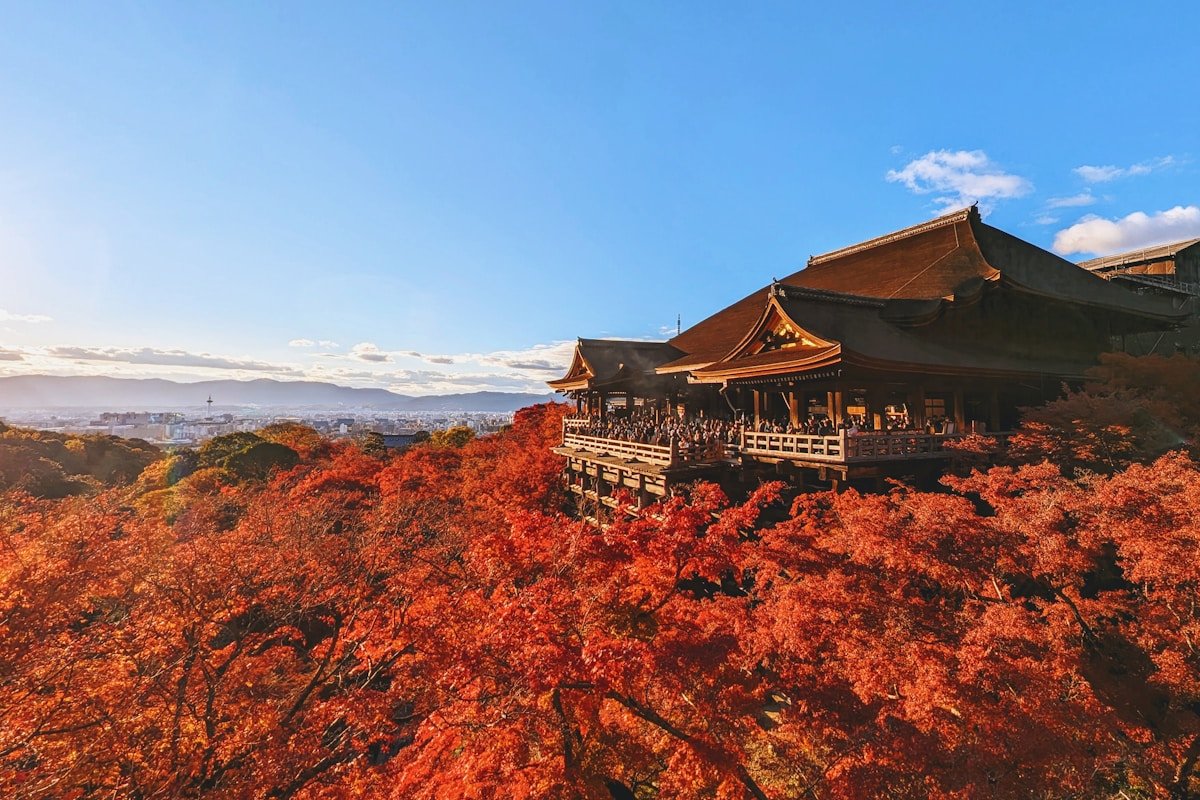
Autumn in Japan is taken seriously. The Japan Meteorological Corporation (JMC) publishes a daily koyo (紅葉) forecast from early October, train operators add capacity on key lines, and hotels in Nikko and Kyoto sell out two to three months in advance. If you want to see the best colours, you need to move with the season - not against it.
This 9-day route follows the koyo front as it travels south and down in elevation. Nikko peaks in mid-October, Kyoto and Nara hit their best in mid-to-late November, Koyasan follows closely, and Miyajima wraps the trip with a dramatic Inland Sea backdrop. The timing works because you are chasing autumn as it spreads down the archipelago - not trying to hit everywhere simultaneously.
Best overall travel window: Mid-October to late November. The exact peak shifts by one to two weeks year to year depending on the summer heat, but mid-November is consistently the safest bet for Kyoto and points south. Guided autumn foliage tours in Kyoto - lantern-lit Eikando evening tours and early-morning Tofukuji walks - book out weeks ahead during peak koyo season.
Itinerary Overview
| Days | Location | Why |
|---|---|---|
| 1–2 | Nikko | Japan’s most ornate shrine complex framed by maples - peaks mid-October |
| 3 | Hakone | Fuji views through turning foliage on the Hakone Ropeway |
| 4–6 | Kyoto | Arashiyama, Tofukuji, Eikando - the heart of the koyo season |
| 7 | Nara | Deer park in autumn colour, Yoshino if timing allows |
| 8 | Koyasan | Mountain temple town wrapped in cedar and maple |
| 9 | Miyajima | Floating torii gate against red hillside foliage |
Day 1–2: Nikko
Nikko sits in the mountains of Tochigi Prefecture, about 2 hours north of Tokyo by Tobu Nikko Line express (fare approximately ¥1,400 one way from Asakusa). The JR Shinkansen + local train option via Utsunomiya is faster but costs more (approximately ¥5,000). Peak colour here runs from mid to late October - notably earlier than Kyoto.
The main draw is Toshogu Shrine, but the surrounding Okunikko plateau - particularly Lake Chuzenji and Ryuzu Waterfall - is equally spectacular. Walk the waterfall trail in the morning before tour buses arrive.
Transport in Nikko: The World Heritage Area around Toshogu is walkable from Nikko Station. For Okunikko and Lake Chuzenji, take the Tobu bus from Nikko Station (approximately ¥1,100 to Chuzenji Onsen, 50 minutes).
Where to Stay in Nikko
Budget (¥8,000–¥14,000/night): Nikko Guesthouse Sumica is a popular traveller’s hostel near Tobu Nikko Station with private rooms and a communal kitchen. Tobu Hotel Kirifuri is a mid-budget option on the main road with good access to the shrines. Search hotels in Japan on Booking.com
Mid-range (¥15,000–¥30,000/night): Nikko Park Lodge is a Western-style hotel close to Toshogu with clean rooms and a decent buffet breakfast. Turtle Inn Nikko has long been popular with international visitors for its friendly atmosphere and value.
Luxury (¥40,000+/night): Kanaya Hotel Nikko, open since 1873, is the historic choice - rooms retain period character and the main building is a heritage property. Rates vary seasonally; expect to pay from approximately ¥45,000 per room during peak koyo weekends.
Where to Eat in Nikko
Meiji no Yakata near the shrine complex is the classic lunch stop - housed in a Meiji-era Western building with views of the cedars. Their beef stew and omelette rice are the go-to orders. Budget approximately ¥2,000–¥3,000 per person at lunch.
Gyoshintei serves kaiseki-style shojin ryori (Buddhist vegetarian cuisine) in a traditional setting - atmospheric in autumn. Dinner runs approximately ¥6,000–¥10,000 per person.
For quick lunches, the shotengai (shopping street) near Nikko Station has yuba (tofu skin) speciality shops; Nikko yuba is the local product and worth trying.
Day 3: Hakone (Transit Day)
Hakone is not the primary autumn destination on this itinerary, but a half-day stopover on the way to Kyoto makes sense if you are travelling in the first two weeks of November - the Hakone Ropeway views of Mount Fuji framed by turning larch and maple on the Owakudani slope are genuinely excellent.
Getting there from Nikko: The efficient route is Nikko → Tokyo (Tobu Line to Asakusa, ~2 hours, ¥1,400) → Odawara by Shinkansen (40 minutes, approximately ¥4,100) → Hakone-Yumoto by Odakyu Romancecar or Hakone Tozan Railway.
Alternatively: overnight in Nikko for a second night, then head directly from Tokyo to Kyoto by Shinkansen (2 hours 15 minutes, approximately ¥13,850 Nozomi Hikari non-reserved).
In Hakone: Take the Hakone Ropeway from Sounzan to Togendai (¥1,500 one way). If Fuji is clear, the section above Owakudani is the best - get there before 10am. The lake boat from Togendai to Hakone-machi completes the scenic loop (¥1,200).
Where to stay: Yama no Chaya Lakeside Hotel (mid-range, from approximately ¥18,000 per person including dinner and breakfast) overlooks Lake Ashi. For a quick overnight without the full ryokan package, Hakone Tent (budget guesthouse, from approximately ¥6,000/person) near Hakone-Yumoto Station is a good base.
Days 4–6: Kyoto
Three days in Kyoto barely scratches the autumn viewing surface, but it covers the three sites that matter most: Arashiyama, Tofukuji, and Eikando. Allow at least two full days, with the third for Nishiki Market, Gion, and Philosopher’s Path.
Getting to Kyoto from Hakone: Odawara → Kyoto by Hikari Shinkansen (approximately 2 hours 30 minutes, ¥7,590). Or from Tokyo Station: Nozomi (2 hours 15 minutes, ¥13,850).
Day 4: Arashiyama and Sagano
Arashiyama peaks in mid-to-late November. The key sites are Tenryuji temple garden (entry ¥500 for garden, ¥800 for garden + buildings), Jojakko-ji temple (¥500) - a quieter option with exceptional maple coverage - and the Sagano Romantic Train (¥880 one way, book in advance during koyo season) along the Hozu gorge.
Beat the crowds at Tenryuji by queuing before 8:30am. By 10am the bamboo grove and main approach are heaving.
Lunch near Arashiyama: Shigetsu inside Tenryuji offers shojin ryori from approximately ¥5,500 per person - the setting makes it worth it. Budget option: yudofu (tofu hot pot) at one of the restaurants along the Oi River facing the red hills.
Day 5: Tofukuji and Fushimi Inari
Tofukuji (entry ¥600) is widely considered the best single koyo spot in Kyoto. The Tsutenkyo bridge viewpoint overlooking 2,000 maple trees is iconic - and photographed to death. Go at 7am on a weekday when it opens. A Tsutenkyo entry fee of ¥1,000 (separate from the main precincts) applies during the peak period.
The afternoon in Fushimi Inari is a different kind of beauty - the torii gate tunnels turning orange-gold in late afternoon against the wooded mountain are atmospheric even without full foliage. Free to enter; the full mountain circuit takes 2–3 hours.
Evening in Gion: Izuju on Shijo-dori (near Yasaka Shrine) is a 70-year-old sushi restaurant specialising in mackerel sushi (battera) - casual, not expensive, excellent. Budget approximately ¥2,000–¥3,500 per person.
Day 6: Eikando and Philosopher’s Path
Eikando Zenrinji (¥600 daytime; ¥1,000 for evening illumination) is the third unmissable koyo site in Kyoto. The multi-storey pagoda rising above the maple canopy is one of Japan’s most-photographed autumn images. Illumination events typically run from mid to late November (check the temple’s official schedule for the year you are visiting).
Walk the Philosopher’s Path from Eikando north to Ginkakuji (Silver Pavilion, ¥500) in the afternoon - the canal is lined with cherry trees that also colour in autumn.
Dinner near Kyoto Station: Yoshikawa (close to Nijo Castle) serves tempura in a traditional townhouse setting - expect to pay from approximately ¥5,500 at lunch, ¥9,000+ at dinner. For something more casual, Izakaya Kazu near Kawaramachi is a reliable neighbourhood spot with yakitori and natural sake from approximately ¥3,000–¥4,000 per person.
Where to Stay in Kyoto
Budget (¥6,000–¥12,000/night): Piece Hostel Sanjo and Noku Kyoto (design hostel) both have well-priced private rooms close to central Kyoto. Guest House Kiyomizu sits closer to Higashiyama if you want to be near the shrines.
Mid-range (¥18,000–¥40,000/night): Kyoto Hotel Okura on the Kamo River has a strong autumn location and reliable service. Mitsui Garden Hotel Kyoto Sanjo has stylish, well-equipped rooms at mid-range prices during most of November.
Luxury (¥60,000+/night): The Ritz-Carlton Kyoto on the Kamogawa river is the established high-end choice. Hoshinoya Kyoto (boat-access only, up the Oi River from Arashiyama) is exceptional for atmosphere - book six months in advance for autumn weekends. Prices start from approximately ¥80,000 per night per person including meals.
Day 7: Nara
Nara is 45 minutes from Kyoto by Kintetsu Express (approximately ¥760) or 35 minutes by JR Miyakoji Rapid (¥740 with JR Pass). It works as a long day trip from Kyoto if you keep two nights in the city.
The deer in Nara Park against the russet maples in Kasugayama Primeval Forest are the autumn image. Kasuga Grand Shrine (main precinct free; inner sanctuary ¥500) is at its best in mid-November. Todaiji (¥800 to enter the Daibutsuden) is the other unmissable stop.
For a half-day addition, Yoshino - accessible by Kintetsu from Kashiharajingu-mae - is famous for cherry blossom but also dramatic for autumn foliage on the mountain. The round trip adds approximately 3 hours travel.
Lunch in Nara: Mizuya Chaya inside Isuien Garden serves a seasonal set lunch from approximately ¥2,500. Hakusui-en is a restaurant with a garden setting where you can eat while deer wander past the fence (from approximately ¥3,500).
Day 8: Koyasan
Koyasan (Mount Koya) is reached from Osaka-Namba by Nankai Koya Line Limited Express (approximately 1 hour 20 minutes, ¥920) plus the Koyasan Cable Car (¥830 return). From Kyoto, the fastest option adds a transfer at Shin-Imamiya or Namba - total journey approximately 2 hours, ¥2,500 by combined Kintetsu/Nankai routing.
The appeal here is less about single spectacular viewing spots and more about atmosphere. Koyasan is a living monastic town - over 100 temples and sub-temples covering the forested plateau. Okunoin Cemetery, the largest graveyard in Japan, with its 200,000 moss-covered stone markers under towering cedar trees, is eerie and beautiful year-round. In autumn, the maples in the cemetery light up in red and gold. If you are routing through Osaka between Koyasan and Miyajima, guided autumn tours in Osaka - including evening illumination walks - make good use of a transit evening.
Where to Stay in Koyasan: The shukubo (temple lodging) experience is the reason to overnight here rather than day-tripping. Ekoin Temple offers rooms from approximately ¥12,000 per person including Buddhist vegetarian dinner and breakfast. Kongo Sanmai-in (¥13,000–¥18,000 per person) has well-maintained rooms and excellent food.
Getting to Miyajima next morning: The most efficient route is Koyasan → Osaka by Nankai Express → Shin-Osaka by subway → Hiroshima by Shinkansen Nozomi (45 minutes, approximately ¥9,840) → Miyajimaguchi by JR (3 minutes) → ferry to Miyajima (10 minutes, ¥210).
Day 9: Miyajima
Miyajima island (Itsukushima) is the final stop. The floating torii gate of Itsukushima Shrine (¥300 to enter the shrine precincts) is at its most dramatic at high tide with the red hillside behind it. Check tide times before you go - local apps and the Miyajima tourist board website publish them.
The maple-lined path behind the shrine rising toward Mount Misen (cable car ¥1,000 one way) holds its colour into late November. The summit at 535m offers views across the Seto Inland Sea.
Where to stay on Miyajima: Staying the night is worth it for the quiet after day-trippers leave. Iwaso Ryokan (from approximately ¥25,000 per person with meals) sits in a wooded valley behind the main shrine area with its own maple garden. Guest House Kikugawa (from approximately ¥9,000 per person) is the best budget choice.
Miyajima food: Anago meshi (conger eel rice) is the island speciality - Ueno Shokudo near the ferry terminal is the long-established spot, from approximately ¥2,800. Momiji manju (maple-leaf-shaped cakes) are unavoidable and worth trying fresh from the street shops.
Getting home: Miyajimaguchi → Hiroshima by JR (28 minutes) → Shin-Osaka or Tokyo by Shinkansen (Hiroshima to Tokyo approximately 4 hours, ¥18,040 unreserved Hikari).
Budget by Tier
| Tier | Daily Estimate | Notes |
|---|---|---|
| Budget | ¥10,000–¥15,000/person | Hostels, convenience store meals, day-trip mode for Nara and Miyajima |
| Mid-range | ¥20,000–¥40,000/person | Business hotels, restaurant lunch and dinner, temple entries included |
| Luxury | ¥60,000–¥100,000+/person | Ryokan stays, kaiseki dinners, reserved Shinkansen, private transport |
The JR Pass (7-day, approximately ¥50,000 as of 2026) covers the Shinkansen legs between Tokyo/Nikko and Kyoto, plus Kyoto to Hiroshima/Miyajima. Calculate whether the total JR fare on this route exceeds the pass cost before purchasing - for this specific routing it typically breaks even or saves a small amount.
Practical Tips
Book early: Kyoto hotels during peak koyo (mid-November) sell out 3–4 months in advance. Koyasan temple lodging, especially Ekoin, goes faster - book as soon as dates are confirmed.
Crowd strategy: Tofukuji and Eikando both enforce timed entry or charge premium admission during peak periods. Going on a Tuesday or Wednesday typically reduces crowds by 30–40% vs weekends.
Weather: Mid-November in Kyoto averages 12–17°C during the day, dropping to 5–7°C at night. Koyasan is colder (8–12°C days). Pack layers - light down jacket plus waterproof shell is the practical combination.
Transport passes: The Kyoto City Bus Day Pass (¥700) covers all of the main Kyoto sites on this itinerary. For Nara, buy a ICOCA or Suica card rather than individual tickets. The Nankai KANKU-NAMBA ticket bundles the airport and Koyasan leg if you are routing through Kansai Airport.
See also: Japan autumn foliage guide · Japan in November · Japan in October · 3 days in Kyoto · Kyoto travel guide · Nikko travel guide · Getting around Japan
Book Your Trip
Flights — search and compare on Aviasales eSIM — stay connected with Airalo Travel insurance — get covered with EKTA Airport transfers — book with Kiwitaxi Car rental — compare with GetRentaCar Tours and activities — browse GetYourGuide