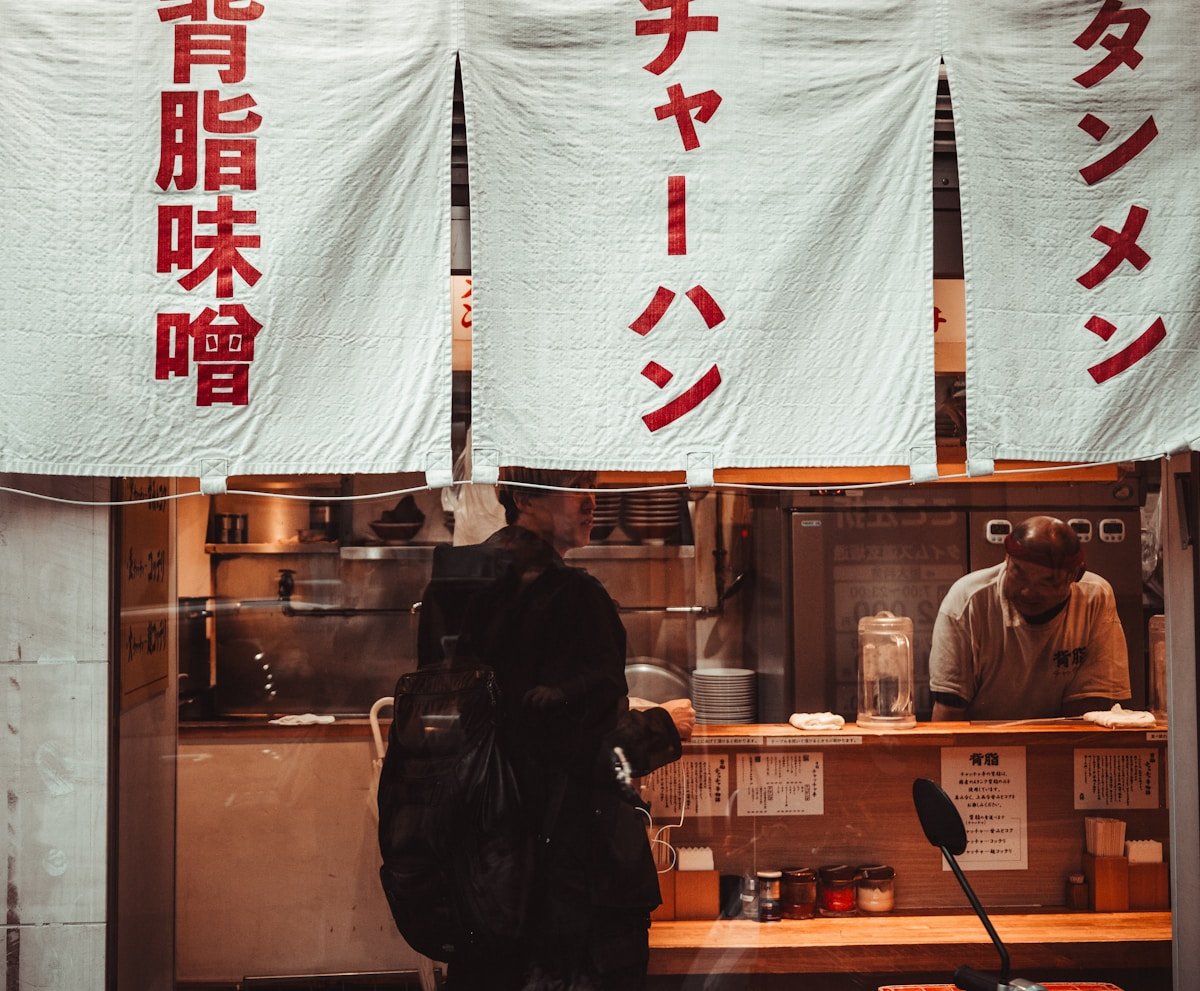
Japan’s restaurant scene looks unwelcoming to plant-based eaters on the surface - but that surface hides a centuries-old tradition of meat-free Buddhist cooking, a thriving urban vegan movement, and city neighbourhoods where you can eat entirely without animal products for days. The challenge is knowing where to look, and understanding one crucial word before you start: dashi.
The Dashi Problem - and How to Ask Around It
Most Japanese cooking is built on dashi, a stock made from kombu kelp and bonito fish flakes (katsuobushi). It is invisible in the finished dish. A plate of braised vegetables looks vegetarian; the liquid they cooked in may not be. Miso soup, noodle broths, simmered tofu, noodle dipping sauces - all commonly contain bonito-based dashi.
Two things help. First, learn the phrase “dashi nashi de onegaishimasu” (だしなしでお願いします) - “please without dashi.” Second, ask specifically about katsuodashi (かつおだし), the bonito version, since kombu-only dashi is vegan. A full vegan diet card in Japanese is more reliable still - see our Japan vegan navigation guide for printable phrases and key vocabulary.
Dishes where dashi is almost always present:
- Miso soup (味噌汁) - standard bonito dashi
- Zaru soba dipping sauce (つゆ) - nearly always katsuodashi
- Agedashi tofu sauce - usually bonito
- Chawanmushi (egg custard) - bonito dashi base
Dishes more likely to be safe:
- Inari sushi (sweet tofu pockets) - often kombu-sweetened, check the label
- Yuba (tofu skin) in Kyoto - often served in kombu broth
- Onigiri with umeboshi (pickled plum) from konbini
Tokyo: Where to Eat
Tokyo has the most developed vegan dining scene in Japan, concentrated in a handful of neighbourhoods.
Dedicated Vegan and Vegetarian Restaurants
T’s TanTan (T’s たんたん) The standard-bearer for plant-based ramen in Japan. All broths are made without meat or fish - the signature sesame tan-tan ramen is rich, deeply savoury, and surprisingly close to its pork-based counterpart. Located inside Tokyo Station on both the Keiyo concourse and near the Yaesuguchi gate, which makes it genuinely convenient for travellers arriving or departing. Bowls approximately ¥1,000–¥1,400.
Ain Soph (アインソフ) A vegan restaurant group with four Tokyo locations - Shinjuku, Ginza, Ikebukuro, and Kabukicho. The menu is broad enough for groups with mixed diets: Japanese curry, pasta, vegan burgers, thick-stack pancakes. The Shinjuku branch is easiest to reach. Lunch sets approximately ¥1,500–¥2,200; dinner from ¥2,500 per person.
Vegans Café and Restaurant (Shimokitazawa) The Shimokitazawa location suits anyone who wants a neighbourhood feel rather than a tourist-facing experience. Fully vegan, Japanese-influenced menu. À la carte from around ¥800; course dinners from approximately ¥3,500. The surrounding streets in Shimokitazawa also have independent cafés with vegan options worth exploring.
Nataraj (ナタラジ) - Shibuya, Shinjuku, Ginza Indian vegetarian restaurant with three central Tokyo branches. Fully vegetarian (ask about ghee for vegan), and reliable when you need a guaranteed no-meat meal in a busy area. Lunch thali approximately ¥1,200–¥1,600.
Tokyo Neighbourhoods to Focus On
Shimokitazawa has the highest density of independent vegan and plant-friendly cafés in the city. Nakameguro follows closely. Both reward an afternoon of wandering without a fixed reservation. Shinjuku and Shibuya are better for chain vegan options and Indian vegetarian restaurants. For full city dining context, see our Tokyo food guide.
Kyoto: Temple Cuisine and Plant-Based Specialists
Kyoto is the natural home of plant-based eating in Japan. Buddhist temple culture shaped the city’s food traditions for over a millennium, and shojin ryori (精進料理) - the formal cuisine of that tradition - is still served at several accessible restaurants.
Shojin Ryori in Kyoto
Shigetsu (篩月) at Tenryuji temple in Arashiyama serves shojin ryori lunch courses in a formal tatami dining room overlooking a Unesco-listed garden. Courses start at approximately ¥3,500 and rise to ¥8,000 for the most elaborate set. Reservations are strongly recommended; weekends book out weeks in advance.
Izusen (泉仙) near Daitokuji temple (a large Zen complex in north Kyoto) is slightly less formal and more accessible for first-timers. Courses start at approximately ¥2,500 as of 2026. Both Shigetsu and Izusen exclude the five pungent roots traditional to Buddhist cooking - no onion, garlic, leek, chives, or shallots - so the flavour profiles are delicate rather than bold.
For the full shojin ryori experience including overnight stays, Koyasan (Wakayama Prefecture, accessible by train from Osaka) offers temple lodgings with dinner and breakfast included, typically ¥15,000–¥25,000 per person.
Everyday Plant-Based Kyoto
Mumokuteki Café (むもくてき) near Nishiki Market serves organic vegan Japanese and fusion cooking to a mostly-local crowd. The lunch set (approximately ¥1,400) is the best value: rice, kombu-dashi miso soup, two vegetable side dishes, small dessert. Arrive before noon - the queue forms early.
Yuba (tofu skin) is a Kyoto specialty worth seeking out. Shops around Nishiki Market and near Fushimi Inari sell fresh nama yuba by the sheet for ¥500–¥1,000. It is naturally vegan, silky in texture, and unlike anything available outside Japan. The Kyoto food guide has more on finding the city’s best ingredients.
Osaka: Finding Plant-Based Food in a Meat-Forward City
Osaka is harder territory for vegans - this is the city that invented takoyaki (octopus balls) and kushikatsu (battered and deep-fried skewers of meat). That said, the city is large enough to support dedicated plant-based spots, and some of the best are hidden away in residential neighbourhoods.
Paprika Shokudo Vegan (パプリカ食堂 vegan) in the Shinsaibashi area serves Japanese-style vegan set meals - rice, miso soup (kombu dashi), pickles, and rotating side dishes. Lunch sets from approximately ¥1,000. Cash only; small space, arrive early or expect a wait.
Veggie Garden (ベジーガーデン) in Namba specialises in Chinese-style plant-based cooking - mapo tofu made with silken tofu and fermented black bean paste (no minced pork), stir-fried greens, steamed dumplings with vegetable filling. Lunch approximately ¥1,200–¥1,800. Useful if you want something more substantial than a Japanese set meal.
Kushi Hana (くし花) offers vegetarian kushikatsu - the same Osaka classic, but skewered with vegetables, mushrooms, and tofu rather than pork. Located near Tennoji. Skewers from approximately ¥180 each; plan on 8–12 for a full meal.
For broader Osaka dining context including the best areas of Dotonbori and Shinsekai, see our Osaka food guide.
Konbini Vegan Options
Japan’s convenience stores are not ideal, but they are reliable for quick plant-based snacks when restaurants are closed or time is short.
Safest picks:
- Onigiri with umeboshi (pickled plum) filling - the most reliably vegan option across all chains
- Onigiri with kombu (kelp) filling - nearly always vegan; check for bonito in the seasoning
- Inari sushi (sweet rice in tofu pockets) - usually vegan; verify the sweetening liquid
- Edamame (chilled section or snack aisle)
- Plain steamed rice packs
- Soy milk (豆乳, tōnyū) - stocked in most 7-Elevens, FamilyMarts, and Lawsons
- Salted nuts, dried fruit
Watch for: Pre-made sandwiches (almost always egg or mayo), any item with だし listed in ingredients, and natto sauce packets that sometimes contain bonito extract.
In tourist-heavy areas - Asakusa, Shinjuku, Kyoto Station vicinity - some 7-Eleven and FamilyMart stores stock onigiri labelled “vegan” in English.
Apps for Finding Vegan Restaurants
HappyCow is the most comprehensive directory of vegan and vegetarian restaurants in Japan. Coverage in Tokyo, Kyoto, and Osaka is strong, with user reviews that flag specific issues like hidden dashi or chain-specific adaptations. Download and save restaurants to offline maps before arrival - phone data in transit terminals can be unreliable.
Vegewel is a Japan-specific app with more nuanced filtering than HappyCow, including options for macrobiotic, organic, and Buddhist vegetarian (which excludes pungent roots). Particularly useful for finding shojin ryori restaurants outside the main tourist areas.
Useful Japanese Phrases
| Phrase | Japanese | Meaning |
|---|---|---|
| Watashi wa bejitarian desu | 私はベジタリアンです | I am vegetarian |
| Watashi wa vīgan desu | 私はヴィーガンです | I am vegan |
| Niku to sakana nashi de | 肉と魚なしで | Without meat or fish |
| Dashi nashi de onegaishimasu | だしなしでお願いします | Please without dashi |
| Katsuodashi wa haitte imasu ka? | かつおだしは入っていますか? | Does this contain bonito dashi? |
For a full set of phrases, menu vocabulary, and a printable allergy card, see our complete vegan travel guide to Japan.
Plan Your Meals
Browse food and cooking experiences in Japan to find guided vegan food walks, tofu-making classes, and temple cooking experiences in Tokyo and Kyoto - a good guide pre-vets kitchens and handles communication, which saves significant time in restaurants where English is limited.
Book a Vegan-Friendly Food Tour
Japan’s vegan food landscape is less accessible than it looks - dashi (the fundamental stock in most Japanese cooking) is made from bonito fish flakes, and even dishes that appear plant-based often contain it. A guided vegan or plant-based food tour in Tokyo or Kyoto navigates this complexity: finding the temple restaurants serving authentic shojin ryori (Buddhist vegan cuisine), the Kyoto tofu specialists who use konbu-only dashi, and the Tokyo neighbourhood restaurants that have adapted traditional recipes for plant-based diets. Tour operators who specialise in vegan Japan have pre-vetted menus and can communicate dietary requirements clearly - removing the most significant friction in eating vegan here.
Guided food tours in Japan take you beyond tourist-obvious spots - local guides know which stall has the freshest tofu, where to find the best shojin ryori, and how to navigate an all-Japanese menu.
Plan Your Trip
- Flights - Find the best fares to Japan
- Travel Insurance - Get covered before you go
- eSIM - Stay connected from landing
- Food Tours - Browse guided food experiences across Japan
- Hotels - Browse hotels in Japan - find vegan-friendly accommodation in Tokyo, Kyoto, and Osaka to support your plant-based itinerary.