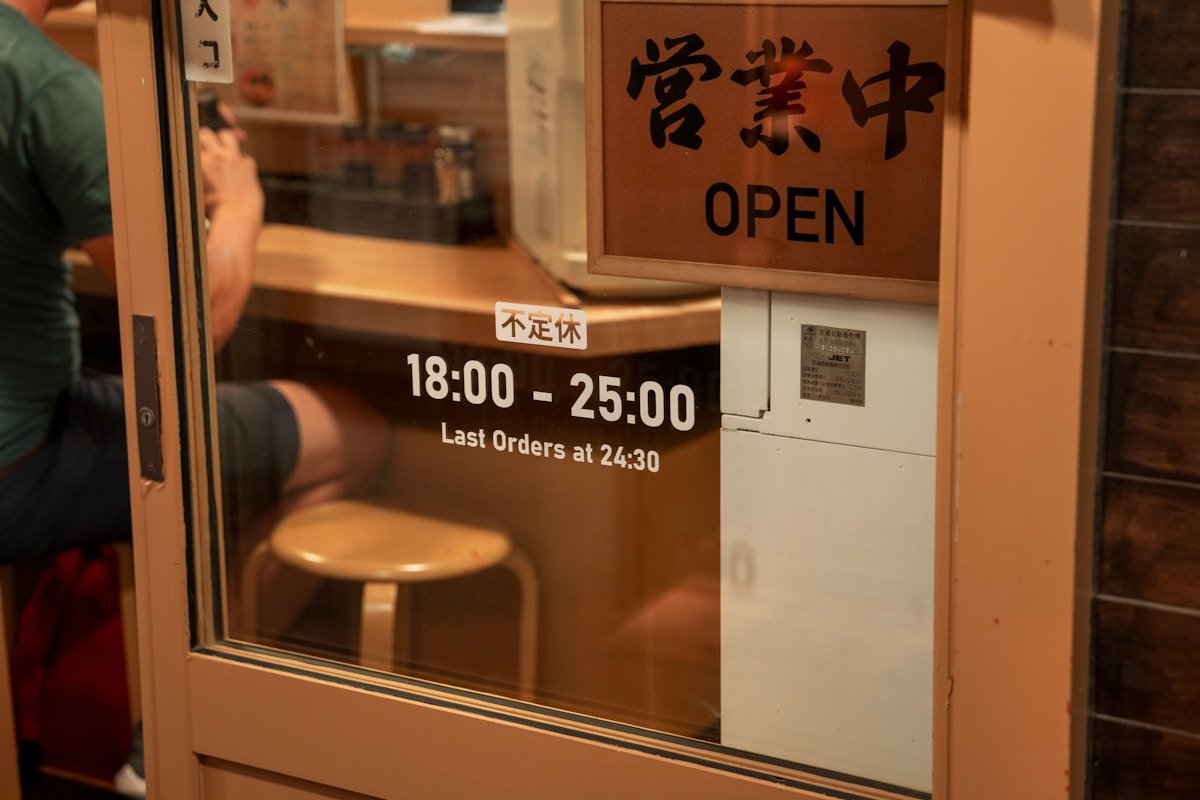
Sapporo’s food identity is built on three foundations: Hokkaido’s exceptional dairy and seafood produce, the miso ramen tradition developed in the harsh northern winters, and a beer culture that dates to the Meiji-era brewery that still anchors the east side of the city. The result is a dining scene that regularly surprises visitors expecting a provincial Japanese city: the seafood quality rivals Tsukiji, the ramen is among the most complex in Japan, and the beer gardens are as good as any in the country.
This guide covers where to eat by category, with named restaurants and current price ranges.
Miso Ramen
Sapporo miso ramen differs fundamentally from the tonkotsu of Fukuoka or the shoyu of Tokyo. The base is miso - typically red miso (akamiso) or a blend - blended into a pork or chicken broth and typically enriched with lard. Toppings include corn, a pat of butter that melts into the broth at the table, ground pork, bamboo shoots, and bean sprouts. The bowl is substantially richer and more filling than southern ramen styles.
Ramen Republic, Sapporo Station (Esta 10F) - Eight carefully selected ramen shops grouped on the 10th floor of Esta shopping complex above Sapporo Station. Each represents a different regional or stylistic approach: some serve classic Sapporo miso, others Asahikawa soy-sauce style, others spicy variants. Open from 11:00 daily. Bowls average ¥900–¥1,200.
Sapporo Ramen Yokocho (Ramen Alley), Susukino - A narrow alley off Susukino’s main street, lined with tiny shops seating 8–12 people apiece, most focused on miso ramen. The alley has operated since the 1950s and retains a slightly theatrical intimacy. Bowls from approximately ¥850–¥1,100. Best after 20:00 when the atmosphere peaks.
Shirogane, Chuo ward - A quieter, neighbourhood-restaurant approach to Sapporo miso ramen with a noticeably cleaner finish than the richest alley shops. Popular with local office workers at lunch. Bowl approximately ¥950.
Ajino Sanpei, Tanuki-koji - Widely credited as one of the originators of Sapporo miso ramen, operating since 1964. The shop is small and the queue is common at weekday lunch. Miso ramen from ¥900.
Genghis Khan (Jingisukan)
Jingisukan is Hokkaido’s distinctive barbecue format: thin slices of lamb and mutton - typically shoulder, loin, and offal - cooked on a convex iron grill shaped like a Mongol warrior’s helmet, over charcoal or gas. Vegetables (onion, cabbage, peppers) cook in the drippings around the meat. The fat and juice from the meat season the vegetables. A sweet-savoury tare dipping sauce is served on the side.
Daruma, Susukino - One of Sapporo’s most established and recommended jingisukan restaurants, operating since 1954. The five-seat-per-counter intimate format means queues are common. Lamb from approximately ¥300–¥500 per serving; a full dinner with drinks costs approximately ¥3,000–¥4,500 per person.
Sapporo Beer Garden, Higashi ward - The large garden-party format: long tables, a continuous supply of draft Sapporo Beer, and all-you-can-eat jingisukan sets for approximately ¥3,800–¥4,500 per person for a 100-minute session. Seasonal (approximately April to October). Best for groups; make reservations in advance during summer.
Tonden, Susukino - A reliable mid-range option for jingisukan without the queues of Daruma. Hokkaido-raised lamb from approximately ¥500 per portion; full dinner ¥3,000–¥4,000 per person with drinks.
Seafood
Hokkaido produces roughly 30% of Japan’s marine catch, and Sapporo’s markets and restaurants are the best access point for the island’s premium products: hairy crab (kegani), king crab (tarabagani), snow crab (zuwaigani), sea urchin (uni), salmon roe (ikura), scallops, and Pacific saury.
Nijo Market (Ninijō Ichiba) - A working seafood and produce market two blocks from Odori Park, open from approximately 06:00. Stalls sell live crab, fresh uni, and whole salmon. Several restaurants within the market serve donburi rice bowls with fresh toppings: kani-ikura (crab and roe) approximately ¥2,500–¥4,000, uni-don ¥2,500–¥4,500.
Curb Street (around Tanuki-koji) - Several sushi restaurants on and near Tanuki-koji covered arcade offer lunch specials focusing on Hokkaido seafood: 10-piece sets with seasonal nigiri from ¥1,500–¥2,500. Evening omakase from ¥5,000–¥8,000.
Seafood izakaya, Susukino - A dozen izakaya in the Susukino entertainment district open from 17:00–18:00 serve fresh Hokkaido seafood alongside Sapporo beer and Hokkaido sake. Budget ¥4,000–¥6,000 per person for a full evening with drinks.
Soup Curry
Soup curry is a Sapporo-specific invention from the 1970s: a thin, spiced broth (not the thick paste of standard Japanese curry) with a whole chicken drumstick, roasted vegetables (potato, carrot, aubergine, corn on the cob), and rice served on the side. Spice level is usually adjustable (numbered 0–30 or by name). Bowls cost approximately ¥1,100–¥1,600.
Garaku, Minami 2-jo - Among the most consistently praised soup curry restaurants in Sapporo. Chicken leg curry from approximately ¥1,300. Queues are common at lunch; the restaurant opens at 11:30.
Picante, Chuo ward - A second long-established soup curry specialist. Large portion sizes; lamb and chicken options. Approximately ¥1,300–¥1,500.
Dairy and Sweets
Hokkaido dairy is the finest in Japan - richer cream, higher fat content, and stronger flavour than mainland products - and Sapporo’s cafes and pastry shops exploit this seriously.
Rokkatei - A Hokkaido confectionery brand with flagship shops in Sapporo. The marron butter cookie sandwich (Marusei Butter Sand, approximately ¥1,200 for a box of 6) is the brand’s signature product and one of the most carried home as a souvenir.
Donan Milk, Nijo Market area - Fresh Hokkaido dairy products: glass-bottled milk, soft cream, and cheese. The soft cream (soft ice cream) made from Hokkaido milk at ¥400–¥500 is markedly richer than standard convenience store varieties.
Hokkaido University Campus - The university’s in-campus milk stand serves soft cream using Hokkaido dairy from the university farm at approximately ¥330. Popular with local students; the campus grounds are open to visitors.
See Sapporo through its food: Food and cultural tours in Sapporo often include market visits, tastings, and dishes you’d never find independently.
Price Overview
| Category | Venue | Price Range | Notes |
|---|---|---|---|
| Miso ramen | Ramen Republic | ¥900–¥1,200 | 8 shops, Sapporo Station |
| Miso ramen | Ramen Yokocho | ¥850–¥1,100 | Susukino alley, best after 20:00 |
| Jingisukan | Daruma | ¥3,000–¥4,500/person | With drinks; queues common |
| Jingisukan | Sapporo Beer Garden | ¥3,800–¥4,500 | All-you-can-eat, 100 min |
| Seafood donburi | Nijo Market | ¥2,500–¥4,500 | Crab/uni/roe bowls |
| Soup curry | Garaku | ¥1,300–¥1,500 | Queues at lunch |
| Sweets | Rokkatei | From ¥1,200 (box) | Best Hokkaido confectionery souvenir |
Prices as of 2026. For tips on getting around between these areas, see our Sapporo things to do guide.
Take a Guided Food Tour of Sapporo
Sapporo claims several Japanese food institutions: miso ramen (invented here in the 1950s by Morimoto Morihiko at Aji no Sanpei), jingisukan (Mongolian-style lamb barbecue cooked on a dome-shaped grill), and Hokkaido’s legendary dairy - the butter, soft-serve ice cream, and fresh cheese that make Hokkaido a pilgrimage destination for food tourists from across Japan. The Nijo Market downtown and the Curb Market beyond it deal in fresh king crab, scallops, and uni (sea urchin) at prices lower than anywhere else in Japan. A guided food tour connects the ramen history, the market seafood, and the dairy culture into a coherent picture of why Sapporo’s food scene punches so far above the city’s size.
Guided food tours in Sapporo take you beyond tourist-obvious spots - local guides know which stall has the freshest uni, where to find the best miso ramen, and how to navigate an all-Japanese menu.
See also: Sapporo travel guide · Food to try in Sapporo · Things to do in Sapporo · Day trips from Sapporo · Where to stay in Sapporo · Hokkaido region guide · Hokkaido vs Okinawa
Search hotels in Sapporo: browse stays in Sapporo