Sapporo’s food culture is shaped by geography as much as tradition. Hokkaido - the northernmost and least densely populated of Japan’s main islands - has the country’s largest agricultural land area, produces approximately 50 percent of Japan’s dairy products, and has coastline that delivers some of Japan’s richest seafood. The city of Sapporo, Hokkaido’s capital and largest city with around 2 million people, sits at the intersection of these resources: exceptional ramen developed from the cold winters and the need for a warming, filling broth; the country’s finest crab from the surrounding seas; dairy products that have no equivalent elsewhere in Japan; and a soup curry tradition that emerged from Sapporo specifically and spread from here.
For context on what to see and do in Sapporo beyond eating, see our Sapporo travel guide.
Sapporo Miso Ramen
Sapporo is the birthplace of miso ramen - the style was developed in the city in the late 1950s when a ramen chef began stirring miso paste into his pork broth. The resulting style is richer, more robust, and more intensely flavoured than Tokyo’s shoyu ramen or the tonkotsu of Fukuoka: a thick, opaque, ochre-coloured broth made from blended miso (often a mix of red and white), pork or chicken stock, and stir-fried aromatics.
The standard toppings in Sapporo style are corn, a pat of butter, bean sprouts, and chashu pork. The corn-and-butter combination is distinctive to Hokkaido and slightly polarising for visitors used to the minimalism of Tokyo ramen - it is, however, genuinely good.
Ramen Republic (Ramen Kyowakoku) - Located on the 10th floor of the ESTA shopping complex connected to Sapporo Station. Eight specialist ramen shops under one roof, each serving a different regional or house style. From ¥900 per bowl. The easiest starting point for first-time visitors who want to compare styles without hunting for shops across the city.
Sumire, Susukino - One of the most respected independent miso ramen shops in Sapporo. The broth is made daily from a pork bone and miso base and has a depth that chains cannot replicate. From ¥950. Queues form at peak hours (noon–13:30, 19:00–20:30); arrive slightly off-peak.
Ganso Sapporo Ramen Yokocho (Ramen Alley), Susukino - A narrow laneway in the Susukino entertainment district containing 17 small ramen shops, most seating 10–15 people at a counter. The alley has been operating since 1951. Each shop has its own house style; miso ramen is the most common. Best visited after 19:00 when the lanterns are lit and the alley is at its most atmospheric. From ¥850–¥1,000.
Genghis Khan (Jingisukan)
Jingisukan is a Hokkaido specialty: thin-sliced mutton or lamb, cooked on a domed cast-iron grill with vegetables - onion, bean sprouts, cabbage - in a seasoned tare sauce. The name derives (inaccurately) from Genghis Khan, though the dish has no Mongolian origin. It became the default outdoor barbecue food of Hokkaido in the postwar period and remains strongly associated with the island.
The flavour of Hokkaido lamb is notably less gamey than the lamb available in most of Japan - the animals are grass-fed on Hokkaido pasture and slaughtered young. Cooked quickly over the dome grill, the result is a sweet, lightly smoky meat that absorbs the tare sauce well.
Daruma, Susukino - Sapporo’s most famous jingisukan restaurant, in operation since 1954. Lamb and mutton from ¥1,500; a full meal with beer and vegetables is approximately ¥2,500–¥3,500 per person. Multiple locations in Susukino; the original on Nishi 4-jo has the most character but the longest queues. No reservations accepted - arrive by 18:00 or expect to wait.
Beer Garden (summer season) - Sapporo’s parks and the area around the Sapporo Beer Museum host outdoor jingisukan beer gardens from mid-June to mid-August. All-you-can-eat-and-drink packages (lamb + Sapporo beer, 100 minutes) run approximately ¥4,000–¥4,500 per person. The format is boisterous and excellent.
Hokkaido King Crab (Kani)
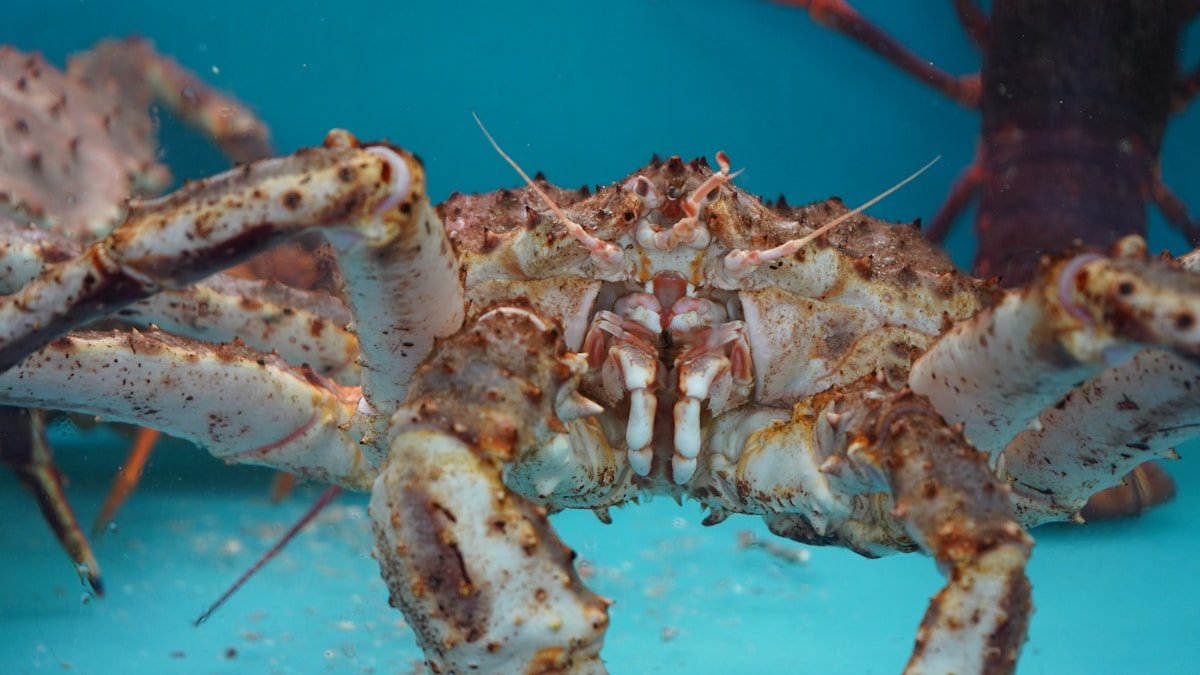
Hokkaido’s cold waters produce some of Japan’s finest crab: king crab (taraba-gani), snow crab (zuwaigani), and hairy crab (kegani, available primarily in spring and early summer). The size and quality of Hokkaido crab - particularly the taraba king crab - is exceptional by any international standard.
Nijo Market - Sapporo’s most accessible fresh seafood market, a 10-minute walk from Sapporo Station. Several restaurants within the market complex serve king crab courses: boiled, grilled, sashimi, and in crab miso soup. Set courses including multiple preparations start from approximately ¥8,000 per person. The market itself is open from approximately 07:00 and begins to thin out by 15:00.
Grilled king crab legs at Nijo Market stalls cost approximately ¥2,000–¥5,000 per leg depending on size and preparation. Snow crab (smaller, sweeter) is typically ¥4,000–¥7,000 for a whole crab at a sit-down restaurant.
Hokkaido Dairy
Hokkaido produces approximately half of Japan’s dairy output - milk, butter, cheese, cream, and soft-serve ice cream are all significantly better here than in the rest of the country. The milk has higher fat content and a cleaner, richer flavour attributed to the grass-fed diet of Hokkaido dairy cattle.
Soft-serve ice cream (sofuto kuriimu) - Hokkaido milk soft serve is a regional obsession. Available at convenience stores (¥200–¥350), food halls, and specialist parlours throughout Sapporo. The soft-serve at Nijo Market and the basement food halls of the Tanukikoji shopping arcade is consistently good.
Hokkaido butter and cheese - Available in the depachika (department store basement food halls) of Sapporo’s major stores. JRA Dairy and Meiji Hokkaido ranges are the accessible versions; premium farmhouse butter from small Hokkaido producers is available at Maruyama shopping district specialty food shops.
Dairy products as souvenirs - Shiroi Koibito (white chocolate sandwich cookies made with Hokkaido butter) is Sapporo’s most exported souvenir food. The Shiroi Koibito Park factory complex (¥600 entry, tours and tasting available) is near Hassamu Station.
Hokkaido Sweet Corn
Hokkaido produces the majority of Japan’s sweet corn, and the summer-harvest variety available from July to September - sold roasted on the cob at summer festivals, train station kiosks, and street stalls - is noticeably sweeter and more flavourful than standard Japanese corn. Roasted corn on the cob costs approximately ¥400 at summer festival stalls.
Outside the festival season, corn-flavoured products are available year-round: corn soup in a can from vending machines (¥120–¥180 hot), corn-topped ramen, and corn butter crepes at Sapporo’s many crepe stands (¥400–¥600).
Soup Curry
Soup curry is a Sapporo invention, distinct from Japanese standard curry (kare raisu) in both texture and presentation. Where standard Japanese curry is thick, starchy, and scooped over rice, soup curry is a thin, spice-complex broth containing large pieces of fried or roasted chicken on the bone, whole vegetables (half an eggplant, whole peppers, a large potato, mushrooms), with rice served separately on the side for dipping or eating alongside.
The broth contains 10–30 spices depending on the restaurant, producing a warm, aromatic depth unlike anything in standard Japanese cooking. The dish was developed in Sapporo in the 1970s and has since spread to specialist soup curry restaurants throughout Japan, but Sapporo has the highest concentration and quality.
Soup Curry Garaku - One of Sapporo’s most popular soup curry restaurants, with a focus on house-made spice blends and Hokkaido-sourced vegetables. Chicken soup curry from approximately ¥1,400; seafood options from ¥1,700. Multiple locations; the Chuo-ku branch near Odori Park is the most accessible. Queues at lunch - arrive before 11:30 or after 13:30.
Rojiura Curry Samurai - Known for a particularly deep, long-simmered broth. From ¥1,500. The pork rib soup curry is a signature dish.
Seafood Bowl (Kaisendon)
Kaisendon - a bowl of steamed rice topped with freshly sliced raw seafood - is available throughout Japan, but the quality at Sapporo’s markets reflects the proximity to Hokkaido’s fishing ports.
Nijo Market - The most accessible location for kaisendon in Sapporo. Bowls at the market’s sit-down restaurants typically include combinations of uni (sea urchin), ikura (salmon roe), crab, salmon, and scallop (hotate). Prices run approximately ¥2,500–¥4,000 depending on the combination and portion size.
Seasonal recommendations:
- Sea urchin (uni): peak season July–August for Hokkaido murasaki uni; bafun uni is richer and available year-round
- Hairy crab (kegani): May–June
- Snow crab (zuwaigani): November–March
- Scallop (hotate): available year-round; Hokkaido scallops are large and sweet
Sapporo Beer
Sapporo Brewery is Japan’s oldest beer brand, founded in 1876. The original brewery site in Sapporo is now the Sapporo Beer Museum - a free exhibition covering the history of Japanese brewing, with paid tasting available (¥1,000 for a tasting set of three varieties including the Black Label lager and Classic, a Hokkaido-only draft version not sold elsewhere in Japan).
The adjacent Sapporo Beer Garden is one of the city’s most popular summer venues, with jingisukan beer garden packages from approximately ¥4,500 per person (all-you-can-eat lamb and beer, 100 minutes). The garden operates from mid-June to mid-August. Inside the old brick brewery building year-round, the Sapporo Beer Garden restaurant serves beer-paired food without the seasonal format.
See Sapporo through its food: Food and cultural tours in Sapporo often include market visits, tastings, and dishes you’d never find independently.
Food by Season
| Season | Recommended | Notes |
|---|---|---|
| Spring (Apr–May) | Hairy crab, bamboo shoots, Hokkaido asparagus | Hairy crab peak May–June |
| Summer (Jun–Aug) | Corn, sea urchin, jingisukan beer garden | Outdoor festivals; fresh corn from July |
| Autumn (Sep–Nov) | Salmon, matsutake mushroom, potatoes | Ishikari salmon from nearby rivers |
| Winter (Dec–Mar) | Snow crab, hot miso ramen, soup curry | Cold weather pulls all indoor eating up in quality |
Where to stay: Search hotels in Sapporo on Booking.com
See also: Sapporo travel guide · Best restaurants in Sapporo · Things to do in Sapporo · Hokkaido region guide