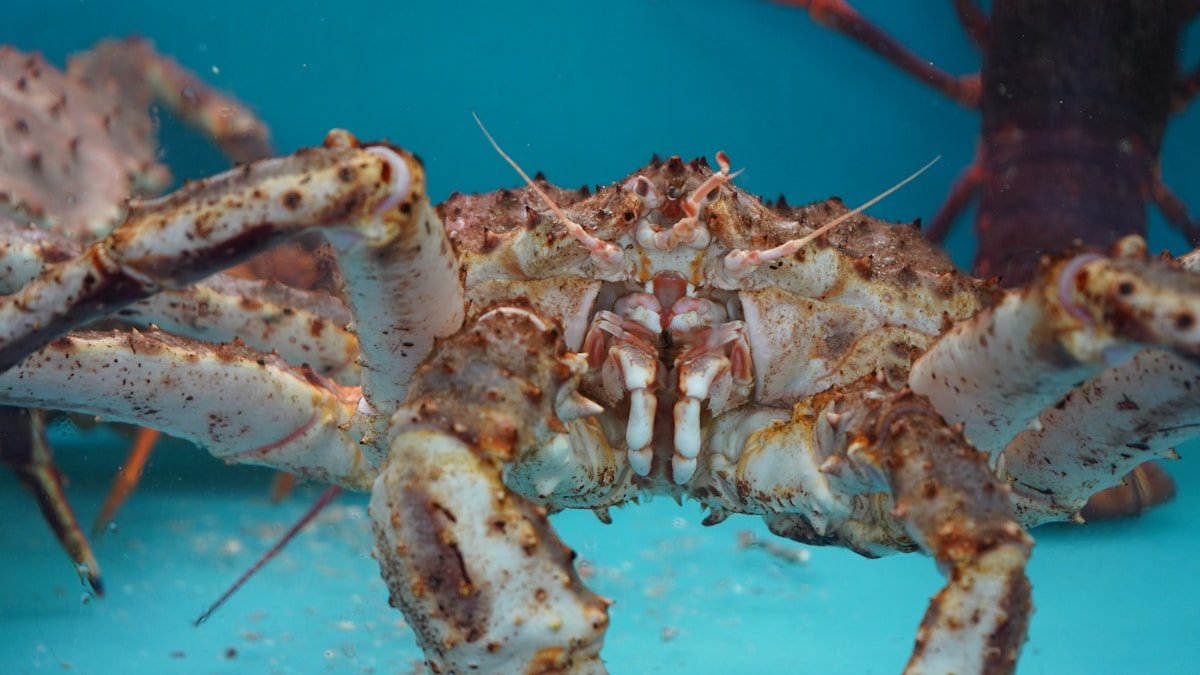
Sapporo’s food identity is distinct from any other Japanese city. As the capital of Hokkaido — Japan’s northernmost main island and the source of most of the country’s dairy, lamb, potatoes, and cold-water seafood — Sapporo eats with ingredients that simply aren’t available at the same quality elsewhere. Butter goes in the ramen. The crab was swimming in the Sea of Okhotsk last week. The soup curry was invented here and refined over 40 years.
For individual restaurant recommendations and dish histories, see our Sapporo best restaurants guide and the what to eat in Sapporo overview. For city logistics including the Sapporo Snow Festival, transport, and getting around Hokkaido, see our Sapporo travel guide.
Soup Curry: Sapporo’s Original Contribution
Soup curry originated in Sapporo in the 1970s from a single restaurant experimenting with South Asian spice blends. It has since become the city’s signature dish with hundreds of dedicated restaurants. The format: a thin, spiced broth served in a deep bowl, filled with large slow-fried vegetables (potato, pumpkin, eggplant, bell pepper, carrot) and a protein — almost always a bone-in chicken drumstick or thick-cut pork. A bowl of rice comes alongside; the proper approach is to dip spoonfuls of rice into the soup rather than pouring the curry over the rice.
Picante is the most visible chain and a reliable starting point, with branches near Sapporo Station and Susukino. A standard chicken and vegetable bowl runs ¥1,200–¥1,600; spice level is chosen on arrival from mild to intensely hot. Shingen near Susukino is smaller and busier, with a slightly more complex spice base; same price range. Garaku, a well-regarded independent in the Tanuki-Koji area, uses a chicken-based stock and offers an extensive vegetable set — approximately ¥1,400–¥1,800 per person.
Budget for soup curry: ¥1,200–¥2,000 per person.
Sapporo Ramen
Sapporo’s ramen style is miso — a thick, fermented soybean paste broth with a richness suited to Hokkaido’s cold winters. Standard toppings include corn, a pat of butter, and bean sprouts; the butter melts into the broth over the first few minutes. This is distinct from Tokyo’s light shoyu ramen and very different from Fukuoka’s pork-bone tonkotsu.
Sapporo Ramen Yokocho (Ramen Alley) in Susukino is the concentrated option: 17 small stalls packed into a narrow covered alley, most open from around 5pm until late. The alley is atmospheric and genuinely popular with locals, not just tourists. A bowl of miso ramen with standard toppings costs ¥900–¥1,200 across most stalls.
Sumire, one of the restaurants credited with defining modern Sapporo miso ramen in the 1960s, has a branch near Sapporo Station. Prices are ¥1,000–¥1,300 per bowl; the broth is richer and more time-consuming than most Ramen Alley versions. Keyaki in Susukino is another long-established option with a more intensely savoury house miso blend — also in the ¥1,000–¥1,300 range.
Hokkaido Seafood and Crab
Hokkaido waters produce three species of crab worth knowing: hairy crab (kegani, summer season), king crab (taraba-gani, autumn–winter), and snow crab (zuwaigani, autumn–winter). The Nijo Morning Market, five minutes’ walk from Odori Park, has fresh seafood vendors and several small restaurants where crab sets are sold from around ¥3,000–¥5,000 per person at lunch.
For a more complete crab course, Sapporo Kani Honke near Sapporo Station offers crab kaiseki at ¥8,000–¥15,000 per person. Crabhome in Tanuki-Koji arcade is a mid-range option with crab sets from ¥4,000. The quality difference between market stalls and dedicated crab restaurants is primarily freshness and preparation — both are worth the cost if crab is a priority.
Beyond crab, Hokkaido sea urchin (uni) from Rishiri Island is considered among Japan’s best. Hokkaido Uni Murakami near Sapporo Station specialises in uni bowls (uni-don) from approximately ¥3,500–¥6,000 depending on grade.
Jingisukan: Lamb Barbecue
Jingisukan is Hokkaido’s own lamb barbecue tradition. Thinly sliced lamb or mutton cooks on a domed iron grill at the table, with onions and vegetables catching the drippings around the rim. Daruma in Susukino, open since 1956, is the city’s most cited jingisukan restaurant — a small counter-only space that opens at 5pm and fills within an hour. Price: approximately ¥2,000–¥3,000 per person with drinks. Sapporo Beer Garden in the eastern part of the city offers a larger, more tourist-oriented jingisukan experience with all-you-can-eat sets at approximately ¥4,000 per person.
Where to Eat: Sapporo Neighbourhoods
Susukino: Sapporo’s entertainment district, south of Odori Park. Ramen Alley, Daruma, izakaya, and late-night eating. Most restaurants here open around 5–6pm and serve until 1–2am.
Tanuki-Koji: A covered arcade running east–west through the city centre. Mix of casual restaurants, soup curry spots, and ramen shops. Practical for lunch between sightseeing.
Odori / Sapporo Station area: More formal restaurants, department store food halls with Hokkaido produce and bentō, and the Nijo Market for morning seafood.
Best Time to Eat Out in Sapporo
The Sapporo Snow Festival in early February brings the largest crowds and the longest waits at popular restaurants. Outside festival season, Sapporo restaurants are generally manageable even on weekends. Ramen Alley is busiest between 7–9pm; arriving at 5pm or after 9pm reduces wait times considerably. The crab season (October–March) is when dedicated crab restaurants operate at peak volume; reservations are advisable for dinner at Kani Honke or equivalents.
Summer (June–August) brings the Yosakoi Soran Festival and the Hokkaido Jingu Matsuri; the city is busy but restaurants do not reach the same saturation as Snow Festival weekend.