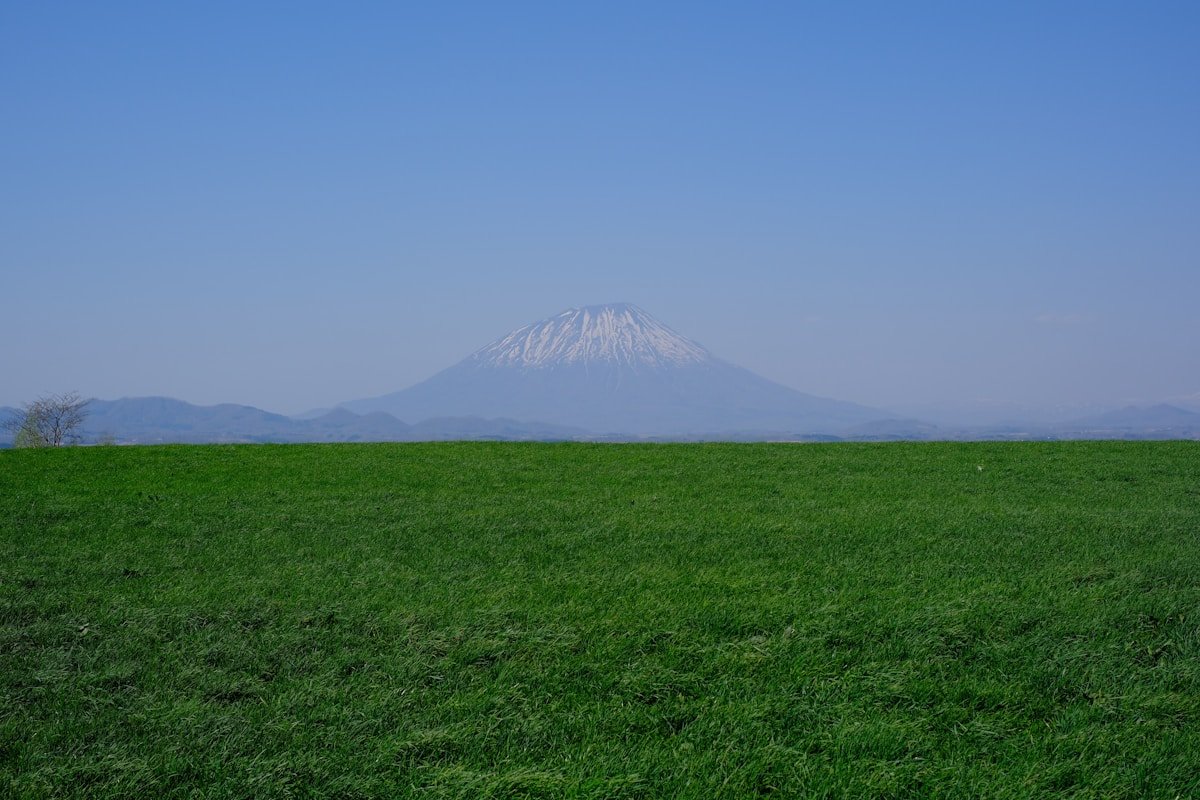
Sapporo’s position in central Hokkaido puts it within striking distance of some of the island’s most visited natural attractions, as well as the historic canal town of Otaru and the spa complex at Noboribetsu. The island’s relatively uncrowded roads and extensive rail network make day trips straightforward, though a rental car in Japan unlocks the Furano/Biei area far more effectively than trains alone.
Here are the best day trips from Sapporo, organised by distance and ease of access.
1. Otaru - Canals, Sushi, and Glass
Travel time: 35–40 minutes from Sapporo (JR Hakodate Main Line to Otaru, ¥750) Best for: Canal atmosphere, fresh sushi, traditional crafts Recommended time: Half day to full day
Otaru was a prosperous herring and trade port in the late 19th and early 20th centuries, and the stone canal warehouses from that era survive intact. The Otaru Canal - 1.3 kilometres lined with gas lamps and historic storehouses now converted into restaurants, galleries, and craft shops - is the city’s centrepiece.
Sushi Street (Sushi-ya Dori) - About 15 Otaru sushi restaurants line the Hanazono shopping area, all serving the premium Hokkaido seafood that makes Otaru sushi better than almost anywhere else in Japan. Ingredients include ikura (salmon roe), uni (sea urchin), crab legs, and locally caught flatfish. Lunch sets start at approximately ¥1,500–¥2,500; omakase courses run ¥4,000–¥8,000.
Kitaichi Glass (free to browse) - A complex of 17 former herring warehouses converted into glass shops. The glass-blowing tradition here began in the early 20th century using techniques from the herring fishing industry. Products range from ¥500 souvenirs to ¥30,000+ art pieces.
Otaru Music Box Museum (free to browse) - Three floors of music boxes from basic ¥500 items to elaborate Swiss movements costing over ¥100,000. More interesting than it sounds - the upper floors contain historical pieces from Europe.
The canal area is 15 minutes’ walk from Otaru Station, or one stop further to Minami-Otaru Station which is slightly closer to Sushi Street.
2. Noboribetsu - Japan’s Most Accessible Hot Spring Resort
Travel time: 1 hour 30 minutes from Sapporo (JR Super Hokuto Limited Express to Noboribetsu, approximately ¥2,980; then bus 15 minutes to the onsen area) Best for: Onsen bathing, volcanic scenery, Jigokudani “hell valley” Recommended time: Half day minimum; full day for multiple baths
Noboribetsu is Hokkaido’s premier hot spring resort and one of the most dramatic onsen landscapes in Japan. The Jigokudani (“Hell Valley”) - a volcanic depression releasing steam constantly from sulphurous vents - is immediately accessible from the town, and is free to enter and walk through.
Jigokudani (free) - A 450-metre trail loops through the steaming valley past boiling pools of varying colours (grey-blue, rusty orange, pale white) and vents releasing mineral gases. The view from the Oyunuma observation point over the broad grey lake is the most striking.
Oyunuma River Natural Footbath (free) - A 20-minute walk from Jigokudani, the naturally heated stream maintains a constant temperature suitable for foot soaking. Bring a small towel.
Onsen day passes - Most of Noboribetsu’s hotel onsen are open to day visitors. Dai-ichi Takimotokan (¥2,500–¥3,000) operates a large bathing complex with 35 different baths fed by multiple spring types. Noboribetsu Grand Hotel (¥1,500 weekdays) offers a smaller but excellent multi-spring experience.
Water types at Noboribetsu include sodium chloride, sulphur, iron, and carbon dioxide springs - the diversity of mineral content in a single town is unusual even within Hokkaido.
3. Jozankei Onsen - Mountain Hot Springs Close to Sapporo
Travel time: 60–70 minutes from Sapporo (Hokkaido Chuo Bus from Sapporo Station, approximately ¥800; buses run hourly) Best for: Onsen near Sapporo, autumn foliage, accessible nature Recommended time: Half day; combine with lunch
Jozankei is a small onsen town in the mountains south of Sapporo, significantly closer than Noboribetsu but with a quieter atmosphere and smaller baths. The Toyohira River runs through the town, and the surrounding valley produces one of Hokkaido’s best autumn foliage displays (typically late September to mid-October).
Day bath options: Daiichi Hotel Jozankei (¥1,000, large outdoor and indoor baths, views over the river), Hoheikyo Dambath (¥900, smaller complex near the dam, popular with locals). Most hotels offer 11:00–15:00 day bathing.
Hoheikyo Dam (free) - 30 minutes by bus from the town centre, the dam observation point overlooks a reservoir that fills with vivid autumn colour in late September. The autumn illumination event (typically two weekends in early October) is popular with Sapporo residents.
4. Furano and Biei - Lavender Fields and the Blue Pond
Travel time: 2 hours from Sapporo by JR (Limited Express Lavender or Furano Line, approximately ¥2,970 to Furano); Biei is a separate stop on the Furano Line (¥2,640 from Sapporo) Best for: Lavender in July, patchwork hills, the Biei Blue Pond Recommended time: Full day; renting a car strongly recommended
The Furano basin, three to four valleys south of Sapporo, is Japan’s primary lavender-growing region. Farm Tomita, the oldest and most photographed lavender farm (free entry), covers a hillside with parallel rows of purple lavender backed by mountain peaks. The peak bloom is typically July 10–30, varying by year.
Farm Tomita (free) - Lavender, poppy, and mixed flower fields open daily. The lavender soft cream (¥400) is excellent. Arrive before 10:00 in peak season to avoid severe crowds.
Biei Blue Pond (Aoike) - A turquoise-blue artificial pond near Biei created by an eruption mitigation dam, now fed by naturally aluminium-rich water that produces the distinctive colour. The pond has become one of Hokkaido’s most photographed images. Free entry; parking ¥500 per vehicle. Access is significantly easier by car.
Biei Patchwork Hills - The undulating fields north of Biei Station, planted in alternating crops (potatoes, wheat, lavender, sunflowers), produce a quilt-like pattern across the hills. Best photographed from the Ken and Mary Tree (Patchwork Road area). Walking the area is possible from the station but a bicycle rental (¥500–¥1,000/hour, available near Biei Station) or car is more practical.
By train: a day tripper can visit Farm Tomita and the station area on foot, but the Blue Pond and Patchwork Hills require a bus (limited frequency) or car. The Furano-Biei Noro-ko bus operates in summer (July to September) linking the main sights at ¥500–¥1,500 per section.
5. Shikotsu Lake - Volcanic Caldera and Transparent Water
Travel time: 60–80 minutes from Sapporo (Hokkaido Chuo Bus from Sapporo Station, approximately ¥1,400; two to three buses daily) Best for: Transparent volcanic lake, kayaking, summer swimming Recommended time: Full day
Lake Shikotsu is a caldera lake with some of the most transparent water in Japan - visibility in summer reaches 15–20 metres. No rivers carry sediment into the lake, which sits within Shikotsu-Toya National Park and has never frozen despite severe Hokkaido winters.
Kayak rental - Multiple operators near Shikotsu Kohan (the small resort village on the lake’s northeast shore) offer single and double kayak rental from approximately ¥1,500 per hour. The caldera walls reflected in the clear water are the defining experience of the lake.
Shikotsu Ice Festival - In late January to mid-February, large ice sculptures and illuminated ice tunnels are constructed on the lake shoreline. The festival runs from approximately 10:00 to 21:00 and admission is free. A special direct bus runs from Sapporo Station during the festival period.
Make the most of your time around Sapporo: Guided day trips from Sapporo handle the logistics - transport, guide, and timing - so you can focus on the experience. For airport arrivals and departures, Kiwitaxi offers fixed-price airport transfers with no meter surprises.
Day Trip Transport Summary
| Destination | Travel Time | Cost (one way) | Peak Season |
|---|---|---|---|
| Otaru | 35–40 min | ¥750 (JR) | Year-round; winter canal illuminations |
| Noboribetsu | 1h 30m | ¥2,980 (JR) + bus | Year-round; best in winter or autumn |
| Jozankei | 60–70 min | ¥800 (bus) | Late Sept–Oct for foliage |
| Furano (lavender) | 2 hours | ¥2,970 (JR) | July 10–30 |
| Biei (Blue Pond) | 2h 15m | ¥2,640 (JR) | July–August; car recommended |
| Shikotsu Lake | 60–80 min | ¥1,400 (bus) | July–August; January–February ice festival |
All fares as of 2026; subject to seasonal variation. JR Pass covers Limited Express trains to Noboribetsu, Furano, and Biei. Buses require separate payment.
Where to stay: Search hotels in Sapporo on Booking.com
See also: Sapporo travel guide · Things to do in Sapporo · Where to stay in Sapporo · Hokkaido itinerary · Hokkaido region guide