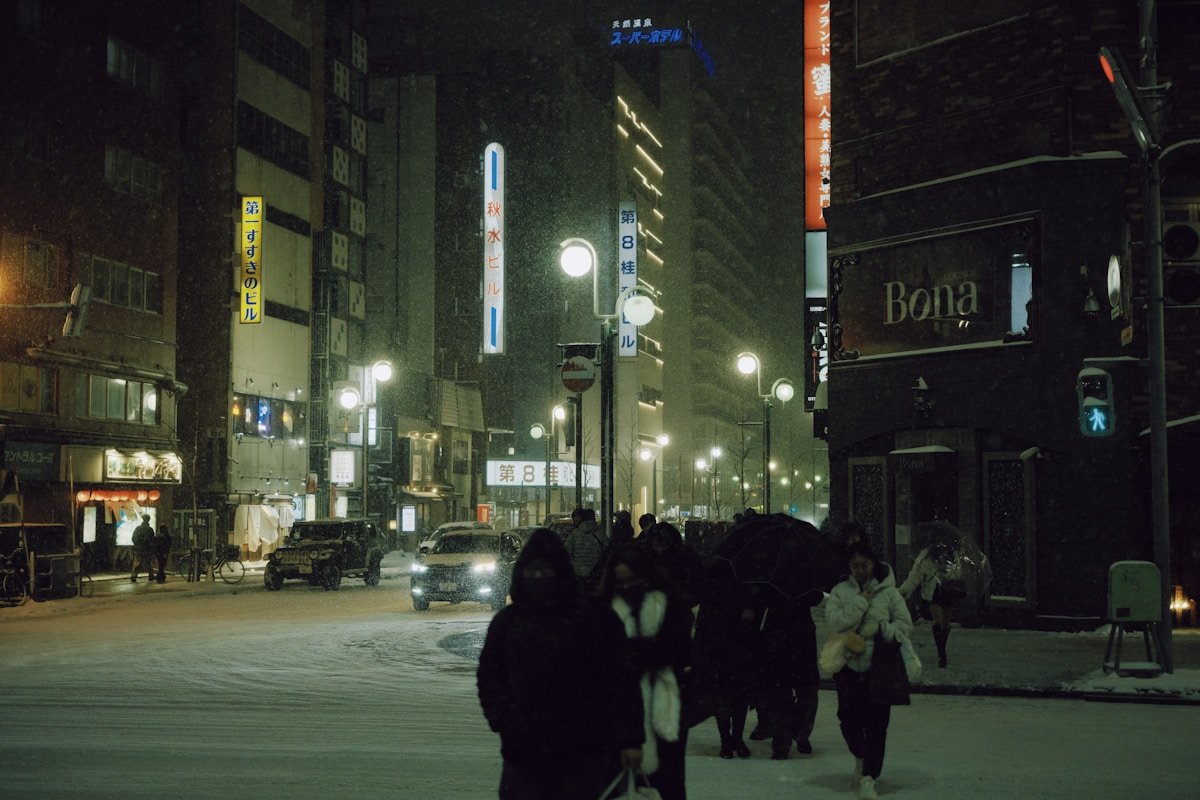
Hokkaido and Okinawa are Japan at its two extremes. Hokkaido is the cold north - Japan’s frontier, a land of powder snow, ramen in blizzards, brown bears, and lavender fields in summer. Okinawa is the subtropical south - turquoise water, coral reefs, a distinct Ryukyuan culture, and a history apart from mainland Japan. Both are exceptional destinations. Neither is interchangeable.
Quick Verdict
| Category | Hokkaido Wins | Okinawa Wins |
|---|---|---|
| Skiing and snowboarding | Yes (world-class powder) | - |
| Beaches and diving | - | Yes |
| Summer temperatures | Yes (cool escape) | - |
| Tropical culture | - | Yes |
| Ramen and dairy food | Yes | - |
| Seafood | Both outstanding | - |
| Nature and wildlife | Yes (bears, cranes) | Yes (sea turtles, rays) |
| Lavender and flowers | Yes (Furano, June–August) | - |
| Unique cultural identity | Yes (Ainu culture) | Yes (Ryukyuan culture) |
| Winter travel | Yes | Yes (mild alternative) |
Hokkaido wins for northern nature, world-class ski resorts, and summer cool-weather travel. Okinawa wins for beaches, diving, subtropical culture, and warm-weather escapes.
Climate and Best Time to Visit
The seasonal logic for these two regions is almost exactly inverted.
Hokkaido receives some of the world’s lightest, driest powder snow at its ski resorts. Niseko (northwest Hokkaido) averages 15 metres of snowfall per season and has attracted international skiers - particularly Australian and Southeast Asian - since the early 2000s. Ski season runs December through March; lift passes at Niseko United run approximately ¥8,000–10,000 per day (as of 2026). Asahidake is higher, wilder, and less commercialised - a better choice for advanced skiers wanting fewer lift queues.
Summer in Hokkaido (June–August) means cool temperatures (20–25°C in July when the rest of Japan swelters at 33°C+), lavender fields in full bloom around Furano from mid-July to early August, and long daylight hours. The Furano-Biei area - rolling hills of lavender, sunflowers, and poppies visible from the Flower Land and Farm Tomita - is one of Japan’s most photographed landscapes.
Okinawa’s beach season runs May through October. June brings the rainy season but also the start of swimming season - the water is warm and coral visibility is excellent. July and August are hot and humid (30–33°C) but reliably sunny after the rains clear. Typhoon risk is highest September–October. The outer Okinawan islands - Miyako-jima and Ishigaki - have some of Japan’s best diving conditions: visibility up to 30 metres, manta rays at Miyako’s Yabiji reef from March–May, and whale sharks off Ishigaki from June–August.
For a mild-weather escape, Okinawa in winter (December–February) offers 15–20°C temperatures, minimal tourists, and full cultural access to castles and villages.
Top Experiences
Hokkaido
Sapporo is Hokkaido’s capital and the base for most international visitors. The Sapporo Beer Museum (free admission, tasting fee approximately ¥500 as of 2026) is the city’s most visited attraction - Sapporo Brewery produces one of Japan’s three major beer brands here. Odori Park stretches through the city centre and hosts the famous Sapporo Snow Festival (Yuki Matsuri) each February - 300+ snow and ice sculptures, many over 10 metres tall, attracting 2 million visitors.
Outside Sapporo: Jigokudani Hell Valley near Noboribetsu Onsen (40 minutes south of Sapporo by express) features active volcanic vents, sulphur steam, and hot spring pools - entry free, onsen access from ¥1,000. Lake Toya (Shikotsu-Toya National Park, 2 hours from Sapporo) is a caldera lake of remarkable clarity surrounded by forested mountains. Shiretoko Peninsula in eastern Hokkaido is one of Japan’s most remote UNESCO World Heritage wilderness areas - accessible only by car or tour from Abashiri (5 hours from Sapporo by train), with brown bear sightings from river boat tours (approximately ¥3,000).
See our Hokkaido itinerary for routing options across the island.
Okinawa
The main island of Okinawa is a 100km strip of land north of the Naha capital. Naha’s Kokusai-dori (International Street) is the tourist spine - 1.6km of restaurants, souvenir shops, and Ryukyuan craft stores. Shuri Castle (Shuri-jo) dominates the hillside above Naha - a UNESCO World Heritage Site rebuilt after wartime destruction and partially under repair following the 2019 fire (main hall reopening scheduled for 2026; entry fees approximately ¥400–820 as of 2026). The Okinawa Prefectural Peace Memorial Museum at Mabuni Hill (entry ¥300) covers the Battle of Okinawa (1945) with particular attention to civilian testimony.
The Kerama Islands - 40 minutes by high-speed ferry from Naha - offer Okinawa’s best snorkelling without booking an outer island trip. Tokashiki Island’s Aharen Beach is a 15-minute bus ride from the ferry terminal and consistently ranks among Japan’s most beautiful beaches. Day trips cost approximately ¥3,000 round trip ferry; full-day snorkelling tours from approximately ¥6,000.
The Nakijin Gusuku Castle ruins in northern Okinawa (entry ¥600) are another UNESCO World Heritage Site from the Ryukyu Kingdom period - less visited than Shuri Castle and arguably more atmospheric.
Food
Hokkaido’s food identity is built on the island’s extraordinary produce. Sapporo miso ramen - a rich, butter-topped, corn-garnished bowl - is the island’s signature dish; ¥1,000–1,400 at specialist shops in Sapporo’s Susukino district. Seafood: Hokkaido produces Japan’s best sea urchin (uni) - from Rishiri Island in the north - and king crab, snow crab, and scallops from Okhotsk. The Sapporo Curb Market (Nijo Ichiba) sells live seafood for immediate cooking from approximately ¥2,000–5,000 for a seafood bowl. Hokkaido dairy is Japan’s best - the soft-serve ice cream at Furano’s farm shops (from ¥400) is a genuine highlight.
Okinawa’s food is distinct from mainland Japanese cuisine. Goya champuru (bitter melon stir-fry with tofu, egg, and pork) is the signature dish, a reflection of subtropical Ryukyuan cooking - found at any local eatery for approximately ¥800–1,200. Soki soba is Okinawan noodle soup: thick wheat noodles (unlike mainland buckwheat soba) with braised pork ribs in a light pork bone broth, available everywhere for ¥800–1,100. Awamori - a distilled spirit made from Indica rice, unique to Okinawa - is the local drink; distilleries in northern Okinawa offer tastings.
Accommodation
Hokkaido accommodation is concentrated in Sapporo, Niseko, and around the national parks. In Sapporo: JR Tower Hotel Nikko Sapporo (from approximately ¥25,000) has panoramic city views; budget travellers do well at Sapporo International Youth Hostel (from ¥3,500). In Niseko: Hilton Niseko Village (from approximately ¥40,000 in ski season) is the established ski-in/ski-out option; Pension Mushroom is a popular mid-range option from approximately ¥18,000 per person with dinner.
Okinawa accommodation concentrates around the beach resort districts. Busena Terrace Beach Resort near Nago (from approximately ¥40,000) is Okinawa’s classic luxury option with its own peninsula. Hotel Monterey Okinawa Spa & Resort (from approximately ¥22,000) is a good mid-range choice. Budget: Yui Guesthouse in Naha (from ¥3,000 dorm) is well-run and close to Kokusai-dori.
Getting There
Both regions require a flight from Tokyo, Osaka, or Nagoya. From Tokyo (Haneda):
- Hokkaido (Sapporo Chitose): 90 minutes, from approximately ¥7,000 one way on Peach or Jetstar when booked in advance
- Okinawa (Naha): 2.5 hours, from approximately ¥6,000 one way on Peach or Vanilla Air in advance
Neither Hokkaido nor Okinawa is covered by the standard Japan Rail Pass for the flight; some rail+bus routes to Hokkaido are partially covered for the land portions.
Ready to book? Compare flights to Japan - prices and routes vary significantly depending on your departure city. Tours and activities across Japan cover both destinations covered in this comparison. Travel insurance for Japan is worth arranging before you commit to bookings.
Who Should Visit Each?
Choose Hokkaido if you:
- Ski or snowboard and want Japan’s best powder
- Prefer cooler summer temperatures
- Want to see Japan’s wilderness and Ainu cultural heritage
- Love ramen, dairy, and cold-water seafood
Choose Okinawa if you:
- Dive or snorkel and want coral reef conditions
- Want tropical beach culture within Japan
- Are interested in Ryukyuan history distinct from mainland Japan
- Prefer warm temperatures year-round
Both regions reward multiple visits - Japan’s geographic extremes are far more diverse than most visitors expect.
See also: Sapporo travel guide · Hakodate travel guide · Hokkaido region guide · Okinawa travel guide · Okinawa region guide · Hokkaido itinerary · Best time to visit Japan
Plan Your Trip
Book your flights to Japan Get travel insurance Stay connected with an eSIM Rent a car