Kyoto’s cuisine is the most precisely calibrated in Japan. Where Osaka’s food culture is built on generosity and enthusiasm, and Osaka’s street food scene rewards spontaneity, Kyoto’s is built on restraint, seasonality, and a thousand-year tradition of cooking for an imperial court with very specific aesthetic standards. The result is food that is less immediately punchy than the food of southern Japan, but more textured, more seasonal, and more aware of its own history.
Kyo-ryori - traditional Kyoto cooking - is characterised by dashi-forward broths (the lightest in Japan, made from the highest quality kombu kelp and dried bonito), an emphasis on vegetable and tofu preparations over meat, and a commitment to seasonal ingredients expressed through presentation as much as flavour. Colour, texture, vessel choice, and the visual suggestion of the current season all carry meaning in a Kyoto kaiseki that would be invisible in a casual restaurant elsewhere.
For a broader look at where to eat in Kyoto by neighbourhood, see our Kyoto restaurants guide.
Kaiseki
Kaiseki is Japan’s most refined multi-course dining format, and Kyoto is its birthplace. The full kaiseki sequence - derived from the tea ceremony tradition - typically runs 8–12 courses, with each dish calibrated to the season, the weather, and the hour. A spring kaiseki will look and taste completely different from an autumn one, even at the same restaurant.
The sequence usually moves through: sakizuke (amuse-bouche), hassun (the course establishing the seasonal theme), mukozuke (sashimi), takiawase (simmered vegetables and protein), yakimono (grilled course), mushimono (steamed), sunomono (vinegared), and rice with pickles and miso soup. Individual restaurants vary the structure and add courses.
Kikunoi, Higashiyama - One of Kyoto’s most prominent kaiseki restaurants, with three Michelin stars and a version of kaiseki that is both traditional and legible to international visitors. Dinner from approximately ¥15,000 per person; lunch sets from ¥8,000. Booking essential, typically two to four weeks ahead for lunch, longer for dinner. English reservations accepted online.
Nakamura-ro, Yasaka Shrine - One of the oldest restaurants in Japan, operating within the Yasaka Shrine complex since 1716. Kaiseki sets from ¥6,000 at lunch. The setting - a traditional wooden building inside a working shrine - is as much the experience as the food.
Kyo-Ryori: Traditional Kyoto Cooking
Kyo-ryori refers to the broader tradition of Kyoto cooking, of which kaiseki is the formal expression. The hallmarks are:
- Dashi made from premium ingredients - Kyoto’s water (soft, low in minerals) produces a particularly clear dashi, and the city’s chefs source kombu from Hokkaido and katsuobushi from Kagoshima with unusual specificity.
- Minimal meat, maximum tofu and vegetables - Buddhist temple cooking (shojin ryori) has influenced Kyoto cuisine since the Zen temples arrived in the 13th century. Even non-Buddhist restaurants tend to use less meat than equivalent restaurants in Tokyo or Osaka.
- Seasonal precision - Dishes appear and disappear with the seasons to a degree unusual even in Japan. Kamo eggplant in August, matsutake mushroom in October, nanohana (rapeseed flower) in February.
Yudofu: Simmered Tofu
Yudofu is one of Kyoto’s signature dishes - a simple preparation in which blocks of firm tofu are simmered in a light dashi or konbu broth and eaten with dipping sauces of ponzu, grated ginger, and green onion. The quality of the tofu determines the quality of the dish; Kyoto’s soft water produces tofu with an unusually delicate, smooth texture.
The Nanzenji temple area in eastern Kyoto has a cluster of traditional yudofu restaurants that have operated alongside the temple for generations.
Okutan, Nanzenji - One of the oldest yudofu restaurants in Japan, open since 1635. Set menus including yudofu, sesame tofu, pickles, and rice run approximately ¥3,000–¥4,500 per person. The garden setting is exceptional in autumn. Open 11:00–16:30; closed Thursdays.
Junsei, Nanzenji - A slightly more affordable alternative to Okutan, with yudofu sets from approximately ¥1,500 per person. Large tatami rooms and garden views. English menu available.
Matcha
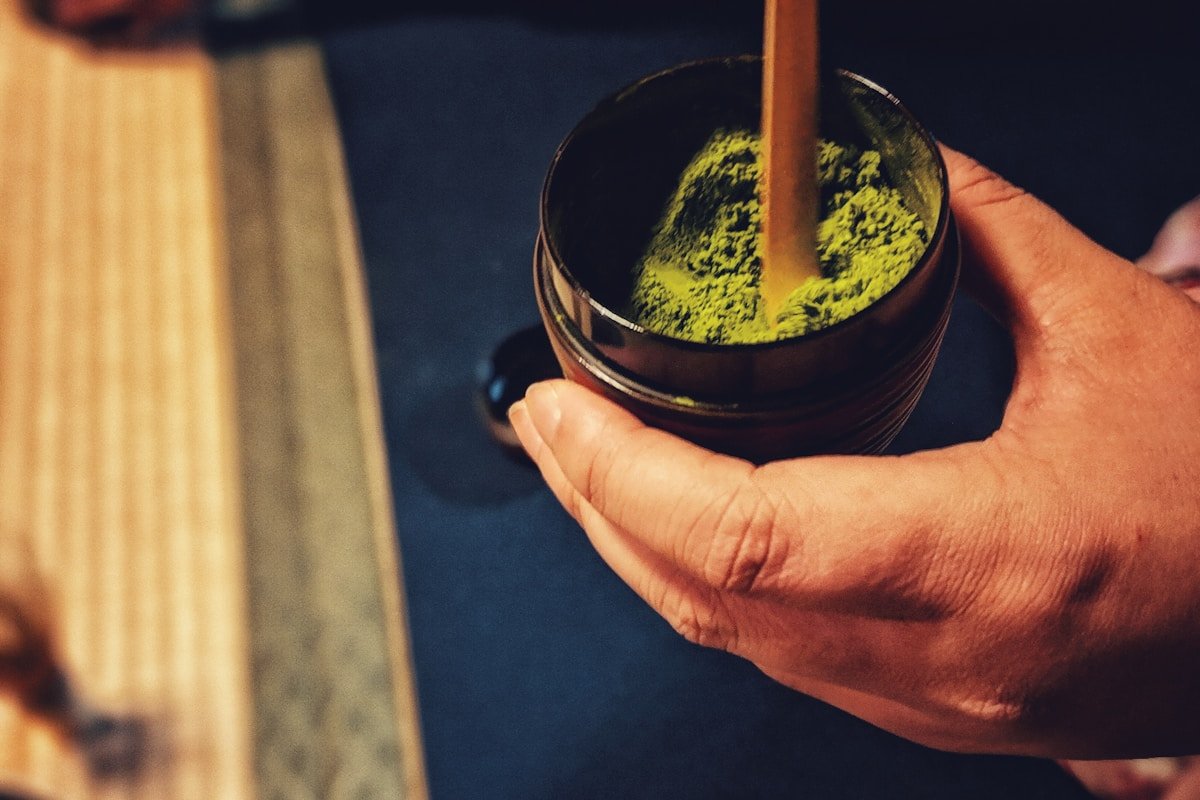
Kyoto’s matcha culture centres on the city of Uji, approximately 20km south of central Kyoto - a 17-minute JR ride from Kyoto Station (¥240). Uji has produced premium tencha (the ground tea leaf used to make matcha) for over 800 years and has a higher concentration of serious tea merchants, tea ceremony rooms, and matcha-specific cafes than anywhere else in Japan.
In central Kyoto, Nishiki Market and the streets around the Gion district have the highest concentration of matcha food products:
- Matcha soft serve ice cream: ¥400–¥600 at stalls along Nishiki-dori and near Kinkaku-ji
- Matcha mochi: ¥150–¥250 per piece at confectionery shops
- Matcha parfait: ¥900–¥1,500 at sit-down cafes in Gion
- Matcha tea ceremony experience: ¥1,500–¥3,000 at Urasenke or specialist venues near Daitoku-ji
En tea house in Arashiyama and % Arabica at the corner of Omotesando-dori in Gion offer matcha lattes from ¥600 in a more contemporary cafe format.
Nishiki-Dori: Kyoto’s Kitchen
Nishiki Market - a 130-vendor covered arcade running parallel to Shijo-dori in central Kyoto - is among the finest food markets in Japan for browsing and tasting on the move. Many stalls sell in small portions designed for tasting:
- Tsukemono (pickles): Kyoto is Japan’s pickle capital. Miso-pickled eggplant (nasu no misozuke), salted kombu kelp, and the famous Kyoto shibazuke (purple pickles made from shiso and cucumber) are available for tasting and purchase. Bags of mixed pickles sell for ¥800–¥2,500.
- Yuba (tofu skin): A Kyoto specialty - the skin that forms on heating soy milk, served fresh with soy sauce, or dried in various preparations. Fresh yuba from ¥400 per serving.
- Tamagoyaki (rolled omelette): The Kyoto version is typically sweeter and more delicate than Tokyo style. Pieces from ¥200–¥400.
- Dengaku (miso-glazed skewers): Tofu or konnyaku grilled with sweet miso. ¥200–¥350 per skewer.
- Matcha sweets: Multiple stalls sell matcha daifuku, wagashi, and soft serve.
Nishiki is most useful between 10:00 and 14:00; stalls start closing from 17:00 and the market is fully shut by 18:00. It is best visited on weekdays - weekend crowds are significant.
Ochazuke: Tea over Rice
Ochazuke is a simple comfort dish: a bowl of cooked rice with toppings (pickled plum, salmon, sea bream, wasabi, nori), over which hot green tea or dashi is poured. It is eaten at the end of a kaiseki meal, as a light late-night option, or as a breakfast dish. Most traditional Kyoto restaurants serve ochazuke in some form, typically ¥600–¥1,000.
Soba vs Udon in Kyoto
Kyoto has both, but the preference locally leans toward Kyoto-style udon - white, thick udon noodles in a light, clear dashi broth. The broth is noticeably more delicate than Osaka udon, with a focus on kombu and a lighter soy touch. Kitsune udon (topped with sweetened fried tofu) is a Kyoto and Osaka classic.
For soba, the city has a handful of serious buckwheat noodle shops (sobaya), particularly in the Higashiyama and northern Kyoto districts. The soba here tends toward thinner, more refined cuts than the rustic Nagano-style versions.
Fushimi Sake
The Fushimi district in southern Kyoto - a 15-minute subway ride from central Kyoto (¥280) - is Japan’s second-most important sake brewing area after Nada in Kobe. Fushimi’s sake benefits from the soft water of the Fushimi underground spring system, which produces a round, smooth style distinct from the drier sake of Nada.
Several breweries offer tastings and tours:
- Gekkeikan Okura Sake Museum - the Gekkeikan brewery has a museum tracing 380 years of sake production in Fushimi. Entry ¥600 including one sake tasting cup. Open 09:30–16:30.
- Kizakura Kappa Country - a restaurant and brewery complex in Fushimi with an attached sake museum. Tasting flights from ¥500 for three varieties.
- Walking through the Fushimi riverside area (near Fushimi Inari Taisha) takes you past sake warehouse buildings (sakagura) with whitewashed walls - the aesthetic is worth the visit independent of the tasting.
Tsukemono: Kyoto Pickles
Kyoto pickles are considered the finest in Japan and are the standard souvenir food from the city. The range is wide: salted, miso-pickled, vinegared, and long-cured varieties using vegetables that are specific to the Kyoto region - Kamo eggplant, Shogoin turnip, and Mibuna greens are Kyoto-specific cultivars grown for centuries for their pickling qualities.
The main shopping areas for tsukemono are Nishiki Market, the Higashiyama tourist lane shops, and dedicated pickle shops (tsukemonoya) on the streets around Nijo Castle. Prices for packaged tsukemono run approximately ¥800–¥2,500 per bag or box, depending on variety and quantity.
Murakami-ju, Fuyacho-dori - One of the city’s longest-established tsukemono shops, in operation since 1900. The miso pickles and salted kombu are particularly good.
Budget Eating in Kyoto
Kyoto has a reputation for expensive food - earned in the kaiseki and high-end ryokan category - but budget options exist throughout the city.
Teishoku sets at neighbourhood restaurants in the areas around Kyoto Station, Karasuma-Oike, and Fushimi typically cost ¥900–¥1,200 for a full lunch: grilled fish or pork main, rice, miso soup, and pickles. The same restaurant serving ¥3,000 dinners often runs ¥1,000 lunch sets.
Gyukatsu Motomura, near Kyoto Station - A gyukatsu (breaded beef cutlet, eaten slightly rare) chain with a Kyoto location. Sets from approximately ¥1,500 - a mid-range price for a filling lunch that is considerably more interesting than a convenience store meal.
Ichiran and Fuunji-style ramen shops are also available in Kyoto (look around Karasuma-Oike and Shijo-Karasuma), with bowls from ¥850–¥1,100.
See Kyoto through its food: Food and cultural tours in Kyoto often include market visits, tastings, and dishes you’d never find independently.
Food Price Overview
| Dish / Venue | Price Range | Notes |
|---|---|---|
| Matcha soft serve (Nishiki / Uji) | ¥400–¥600 | Widespread along tourist areas |
| Nishiki Market snacks (per item) | ¥100–¥500 | Browse and taste; most stalls do small portions |
| Tsukemono (packaged) | ¥800–¥2,500 | Best from Murakami-ju or Nishiki |
| Teishoku lunch | ¥900–¥1,200 | Neighbourhood restaurants away from Gion |
| Yudofu set (Junsei) | From ¥1,500 | Nanzenji area; garden setting |
| Yudofu set (Okutan) | ¥3,000–¥4,500 | More formal; book ahead |
| Fushimi sake tasting | From ¥500 | Gekkeikan or Kizakura |
| Kaiseki lunch (Nakamura-ro) | From ¥6,000 | Inside Yasaka Shrine |
| Kaiseki lunch (Kikunoi) | From ¥8,000 | Three Michelin stars; book ahead |
| Kaiseki dinner | ¥15,000–¥40,000 | Depends on restaurant and course length |
See also: Kyoto travel guide · Best restaurants in Kyoto · Kyoto food guide · Kyoto food tours · Japanese food guide