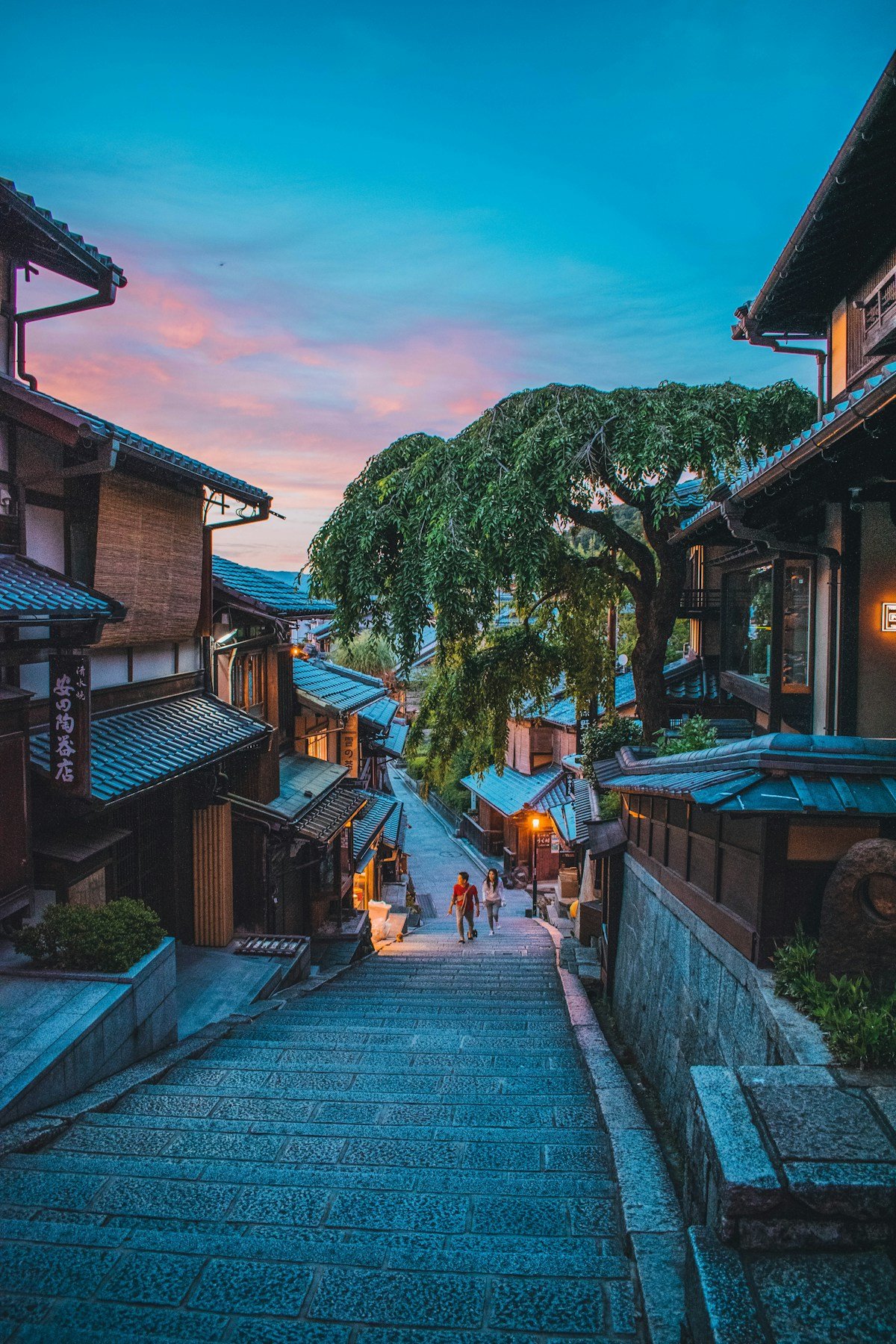
Higashiyama is the part of Kyoto that matches the mental image most visitors carry before they arrive. Cobblestone lanes, wooden machiya townhouses converted into craft shops, tea rooms framed by maple trees, and the grand silhouette of Kiyomizudera temple above it all. It is one of Japan’s most intact historic streetscapes and, for that reason, also one of the busiest. Knowing when to go and what to prioritise makes a significant difference.
Top Tours at a Glance
Here’s a quick comparison of top-rated Higashiyama tours on GetYourGuide:
| Tour | Duration | Price (from) | Highlights |
|---|---|---|---|
| Kyoto: Higashiyama Walking Tour — Kiyomizudera & Old Lanes | 3 hrs | from ¥6,000 | Sannen-zaka, Ninen-zaka, Kiyomizudera, English guide |
| Kyoto: Gion Geisha District & Higashiyama Hidden Gems | 3 hrs | from ¥6,000 | Gion + Higashiyama combined, small group, evening option |
| Kyoto Full-Day Tour: Highlights & Hidden Gems | Full day | from ¥10,500 | Kiyomizudera, Fushimi Inari, Arashiyama, English guide |
| Kyoto: Kiyomizudera Night Illumination Guided Walk | 2 hrs | from ¥7,500 | Temple illumination season, lantern-lit stone lanes, small group |
Browse all Higashiyama and Kyoto tours → GetYourGuide
The Sannen-zaka and Ninen-zaka Streets
The two stone-paved lanes known as Sannen-zaka (三年坂) and Ninen-zaka (二年坂) form the spine of a Higashiyama walk. Both date to the early Heian period and are lined with low wooden buildings housing ceramics vendors, matcha sweet shops, textile galleries, and souvenir stalls. Despite the tourist density, the architecture is largely authentic - many buildings are registered Important Cultural Properties.
Sannen-zaka runs from just below Kiyomizudera down towards Ninen-zaka. The slope is gentle but the stone steps can be slippery in rain. Local legend says that anyone who trips on Sannen-zaka will suffer three years of bad luck - a story the tea houses have cheerfully exploited for centuries.
Named stops along the lanes:
- Kagizen Yoshifusa - one of Kyoto’s oldest confectionery houses, with a rest stop serving kuzukiri (kudzu noodles in cold sweet broth) for approximately ¥1,300. Open daily 09:00–18:00.
- Kasagi-ya - a tiny, standing-room tea house at the base of Ninen-zaka. Served azuki anmitsu and matcha for well over 100 years. Expect to pay around ¥850 for a bowl of oshiruko (sweet red bean soup with mochi). Closed Tuesdays.
- Ippodo Chaho Higashiyama - a branch of Kyoto’s most respected tea merchant. A cup of gyokuro served at the counter costs from ¥600.
The best time to walk both lanes is either before 09:00 (when the shops haven’t opened but the light is beautiful and the lanes are empty) or after 17:00 (when tour groups have left for dinner and the lanterns begin to glow).
Kiyomizudera Temple
Kiyomizudera is the anchor of the whole neighbourhood. The main hall dates to 1633 and was built without a single nail, projecting out over a hillside valley on a frame of 139 wooden pillars. The “stage” - the broad wooden veranda cantilevered over the trees - offers one of the best views in Kyoto, particularly during cherry blossom season in late March and during the autumn foliage of November.
Practical details:
- Entry fee: ¥500 per adult, ¥200 for children (as of 2026)
- Opening hours: 06:00–18:00 most of the year; extended to 21:30 during special illumination periods in March, August, and November
- The three streams below the main hall - Otowa waterfall - are said to grant longevity, academic success, or fortunate love depending on which you drink from. Choose only one; drinking from all three is considered greedy
- Night illuminations sell out - book through the official Kiyomizudera website at least a week in advance
Allow 45–60 minutes inside the grounds. The walk up the approach (Chawan-zaka) from the bus stop adds another 10 minutes.
Walking the Full Route
A comfortable Higashiyama circuit runs roughly 3 km and takes 2.5–3 hours with stops:
- Start at Yasaka Shrine (Gion end) - free entry, open 24 hours
- Walk south along Hanamikoji then east up Maruyama Park
- Continue south through Chion-in temple gate (the largest wooden gate in Japan; free to enter the outer grounds)
- Follow the stone lanes: Ninen-zaka → Sannen-zaka → Kiyomizudera
- Descend via Chawan-zaka (Teapot Lane) back to the Gojo-zaka bus stops
For a shorter loop, start at Kiyomizudera and walk north through the lanes to finish at Yasaka Shrine.
Restaurants in Higashiyama
Budget (under ¥1,000):
- Nishiki no Yado Ninen-zaka - yuba (tofu skin) rice bowls from ¥850, right on the lane
- Various yakitori stalls and mitarashi dango (rice flour dumplings in soy glaze) for ¥300–500 from street vendors along Sannen-zaka
Mid-range (¥1,500–3,500 per person):
- Junsei - tofu kaiseki near Nanzenji at the north end of the district. Set lunches from ¥1,980. Reservations recommended on weekends.
- Omen Kodai-ji - handmade udon served with a tray of toppings; a popular lunch spot just south of Kodai-ji temple. Lunch from ¥1,300.
Higher end (¥5,000+):
- Kikunoi Honten - one of Kyoto’s most celebrated kaiseki restaurants, with a set lunch starting at approximately ¥6,000. Dinner courses run ¥15,000–22,000. Book well in advance.
Getting There
Higashiyama sits on the eastern edge of Kyoto and is not served directly by the subway. The most straightforward options:
- Bus: Kyoto City Bus routes 100, 206, and 207 serve stops along Higashiyama-dori. From Kyoto Station, the 100 and 206 reach Gojo-zaka or Kiyomizumichi in about 20 minutes (¥230 per ride; day pass ¥700).
- Taxi: From Kyoto Station, a taxi to the Sannen-zaka area takes 10–15 minutes and costs approximately ¥1,200–1,600.
- On foot from Gion: If you are already in the Gion district, the walk south through Maruyama Park to Kiyomizudera takes around 25 minutes.
The Higashiyama subway station on the Tozai Line is closer to the northern end of the district (near Chion-in) than to Kiyomizudera. It is useful if you are combining Higashiyama with Nanzenji.
When to Visit
Higashiyama is worth visiting any season. Spring brings cherry blossoms to Maruyama Park (late March to early April). Summer mornings are warm and humid but the lanes are quieter before 09:00. Autumn - mid-November - is the most crowded but genuinely spectacular, with maple trees along the Sannen-zaka lanes turning deep orange. Winter is the least visited season and arguably the most atmospheric, particularly after an overnight snowfall.
Avoid Saturday and Sunday afternoons year-round. Weekday mornings from 08:00–10:00 offer the quietest experience.