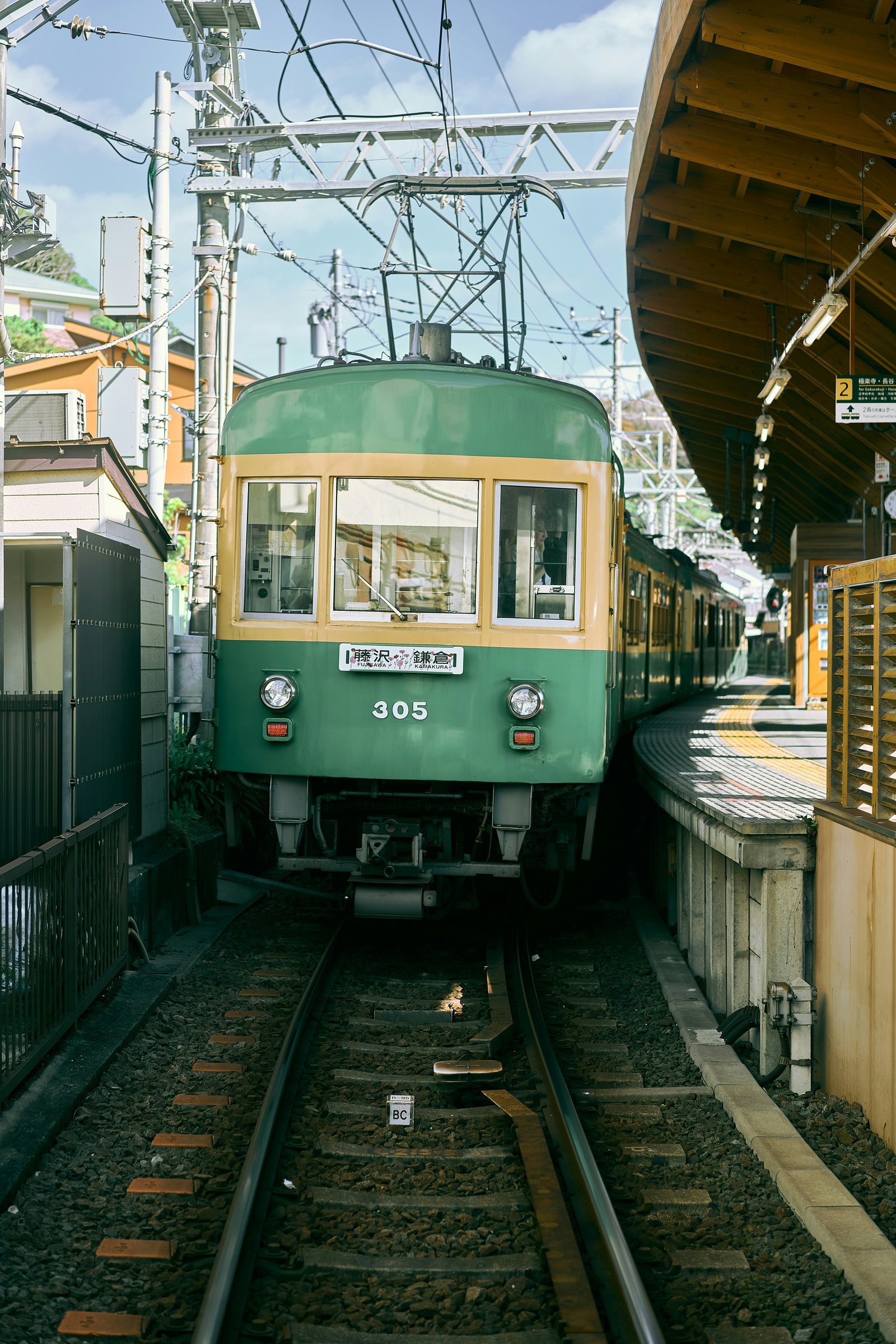
Kamakura is compact enough that walking handles most of the central sights, but the Enoshima Electric Railway - universally known as the Enoden - makes the coastal temples and Enoshima Island accessible without a car. The JR Yokosuka Line brings you here from Tokyo in under an hour.
Getting to Kamakura from Tokyo
The standard approach from central Tokyo is the JR Yokosuka Line, which runs directly from Tokyo Station to Kamakura without changing trains.
| Departure | Journey Time | Fare (2026 approx) |
|---|---|---|
| Tokyo Station (JR Yokosuka Line) | 55–60 min | ¥940 |
| Shinjuku (JR Shonan-Shinjuku Line) | 55 min | ¥970 |
| Shinagawa (JR Yokosuka Line) | 45 min | ¥780 |
| Yokohama (JR Yokosuka Line) | 25 min | ¥360 |
JR Pass holders: The Yokosuka Line is covered by the JR Pass - Kamakura is an easy JR Pass day trip from Tokyo at no extra cost.
Trains run every 10–15 minutes at peak times, less frequently in the evenings. The last return to Tokyo on weeknights departs Kamakura around 23:30 - confirm the last train time on the day if you’re staying late.
For transfers from Narita or Haneda airports directly to Kamakura hotels, Kiwitaxi offers flat-rate private transfers - practical if you’re starting or ending your Japan trip in Kamakura rather than Tokyo.
The Enoden (Enoshima Electric Railway)
The Enoden is the transport backbone of Kamakura’s western sights. It runs 10km from Kamakura Station to Fujisawa along the Shonan coast, passing through narrow residential streets (barely wider than the train in some sections) and right beside the beach at Yuigahama and Inamuragasaki.
Key stops for visitors:
- Hase (鎌倉高校前 / 長谷) - The Great Buddha (Kotoku-in), 2 minutes’ walk. Hase-dera temple, 5 minutes’ walk.
- Inamuragasaki - Quiet coastal headland with clear views toward Enoshima on good days.
- Enoshima (江ノ島) - For Enoshima Island, the Sea Candle lighthouse, and the cave temples. Walk from the station across the bridge to the island.
- Kamakurakōkōmae (鎌倉高校前) - The level crossing made famous by the anime Slam Dunk opening sequence. One of Japan’s most photographed train crossings.
Fares and IC cards:
Single fares: ¥200–¥320 depending on the number of stops. Suica and Pasmo are accepted at the Enoden gates. The Enoden platform at Kamakura is on the west side of the station - follow signs for 江ノ電.
Frequency: Trains run every 10–12 minutes during the day, every 15–20 minutes in the evenings.
Crowding: On weekends and during the autumn foliage and sakura seasons, queues at Kamakura station Enoden platform can reach 30–60 minutes. Arriving before 9:30 or after 15:30 significantly reduces waits.
Enoden Day Pass (Noriori-kun)
| Pass | Price | Break-even rides |
|---|---|---|
| Enoden 1-day pass (Noriori-kun) | ¥800 | 4 single fares |
| Kamakura-Enoshima Pass (Enoden + Shonan Monorail) | ¥700 | 3–4 Enoden rides |
The Noriori-kun pass (¥800) covers unlimited Enoden rides for one day. Available at the Enoden ticket machines at Kamakura and Fujisawa stations. Worth buying if you plan to ride four or more times - for example, Kamakura → Hase → Enoshima → back to Kamakura.
JR Trains Within the Area
The JR Yokosuka Line stops at Kita-Kamakura (North Kamakura) one stop before Kamakura - this is the access point for Engaku-ji, Kencho-ji, and the hillside Zen temples on the eastern side of the ridge. The walk from Kita-Kamakura to these temples is 5–15 minutes.
The JR Shonan-Shinjuku Line and Tokaido Line connect Ofuna (two stops south of Kamakura on the Yokosuka Line) to Enoshima via the Shonan Monorail. If visiting Enoshima from Tokyo, you can also take the Odakyu Line from Shinjuku to Katase-Enoshima Station directly (approximately 65 minutes, ¥650).
Buses
The Keikyu Bus and JR Bus networks fill in the hillside temple areas not served by the Enoden or JR.
Useful bus routes:
- Kamakura Station West Exit → Daibutsu / Zeniarai Benzaiten: Buses run roughly every 15–20 minutes (¥200–¥230). Useful for reaching the hillside Daibutsu Hiking Course trailhead at Juniso Shrine.
- Kamakura Station East Exit → Sugimoto-dera / Zuisen-ji: Buses serve the Kamakura Cemetery and eastern temple corridor (¥200–¥250).
- Kamakura Station → Zushi / Hayama: Connections for the Miura Peninsula coast.
IC cards are accepted on all local buses. Flat fares apply within the Kamakura urban area.
Cycling
Kamakura is one of the better Japanese cities for cycling, particularly the coastal Enoden route between Kamakura and Enoshima along Route 134. The road runs directly beside the Shonan Beach and offers uninterrupted sea views.
Rental options:
- Shops near Kamakura Station East Exit offer city bikes from approximately ¥500 per hour or ¥1,500–¥2,000 per day.
- E-bikes are available from some rental shops (approximately ¥3,000–¥4,000 per day) - useful for the hillside approach roads.
- Riding on the Enoden single-track corridor is prohibited; use the parallel road or beach path.
Flat routes: Yuigahama beach → Enoshima (8km, coastal, flat). Hase to Inamuragasaki via the coastal road.
Hillside temples: Kencho-ji, Engaku-ji, and the Daibutsu Hiking Course involve significant climbing and unpaved paths - not suitable for standard city bikes.
Walking Routes
Kamakura’s temple trails are genuinely the best way to see the hillside shrines. Two established hiking trails connect the main clusters:
- Daibutsu Hiking Course (approximately 2.5km, 1–1.5 hours): Runs between Juniso Shrine near the Great Buddha and Kita-Kamakura, passing through cedar forest.
- Tenen Hiking Course (approximately 3km, 1.5 hours): Links Kencho-ji to Zuisen-ji via the ridge east of central Kamakura. Offers views of the sea.
Both trails require normal walking shoes with grip - not flip-flops. They close during and after heavy rain when landslide risk increases.
Transport essentials for Kamakura: The Japan Rail Pass covers the JR Yokosuka Line from Tokyo to Kamakura and the Kita-Kamakura stop - useful if you’re already holding a pass. The Enoden pass requires separate purchase. For a private transfer from Tokyo or Haneda, Kiwitaxi offers flat-rate bookings with no taxi-meter anxiety.
Plan Your Trip
- Flights - Find the best fares to Japan
- Hotels - Search hotels in Kamakura on Booking.com
- Travel Insurance - Get covered before you go
- eSIM - Stay connected from landing
- Car Rental - Compare prices across providers
See also: Kamakura travel guide · Things to do in Kamakura · Where to stay in Kamakura · Getting around Japan · Japan Rail Pass guide