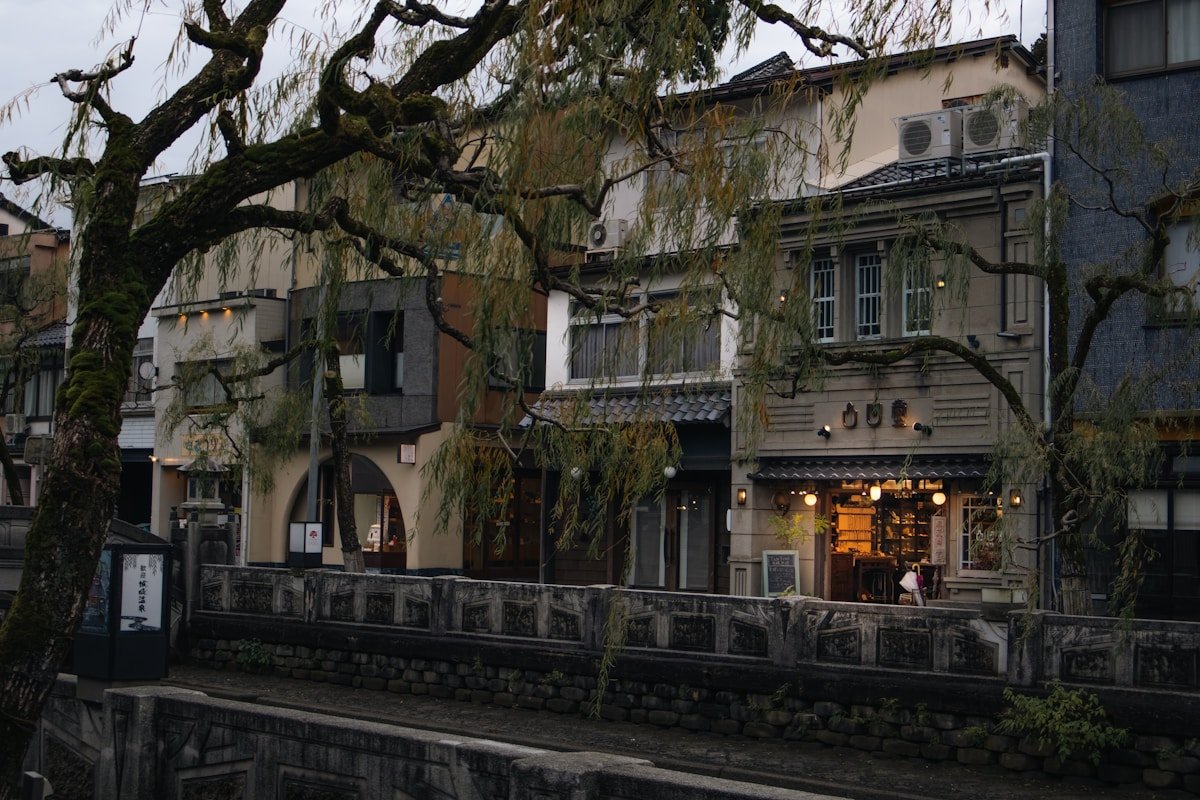
Kamakura’s food scene punches above the weight of a day-trip destination. The coastal location provides fresh shirasu from Sagami Bay, the temple tradition drives an unusually developed vegetarian cuisine, and the city’s proximity to the Shonan coast brings year-round fresh seafood. The compact Komachi-dori shopping street and its side alleys concentrate most of the central dining options within walking distance of each other.
Shirasu-Don - Kamakura’s Defining Bowl
Fresh raw shirasu (nama shirasu) is a whitebait dish unique to the Kamakura-Shonan coastline. Young sardine and anchovy larvae, barely a centimetre long, are harvested from Sagami Bay by local boats and served on rice within hours of landing. The raw version - translucent, with a delicate sea flavour and soft texture - deteriorates so quickly it cannot reach Tokyo fresh. Eating nama shirasu is therefore one of the genuine reasons to make the journey to Kamakura specifically.
The best shirasu restaurants are concentrated along the coast near Yuigahama beach and Hase. A bowl of nama shirasu-don (raw whitebait on rice) costs approximately ¥1,200–¥1,500 as of 2026. When raw shirasu is unavailable (boats don’t fish in certain weather or during closed seasons), the blanched version (kama-iri shirasu, whitened after brief boiling) is offered instead. Look for the “nama shirasu” sign on boards outside - some restaurants indicate daily availability.
Cafe Vivement Dimanche
A well-known kissaten (old-style coffee house) on the Komachi-dori side streets, Vivement Dimanche has been operating for several decades and represents the Kamakura cafe culture of independent, long-running spaces with character. The menu is simple - coffee, curry, sandwiches, cakes - but the quality of the coffee (approximately ¥600–¥700 as of 2026) and the atmosphere of the low-ceilinged interior make it a useful rest stop between temples. Open from 10:00am; popular with local returnees from morning walks.
Raitei
One of Kamakura’s most celebrated traditional restaurants, Raitei serves kaiseki-style Japanese cuisine in a garden setting on the hillside above the central area, near Kakuonji temple. The lunch kaiseki course (approximately ¥6,000–¥10,000 as of 2026) changes monthly and uses seasonal Kamakura vegetables - the city’s local produce culture is unusually developed for a coastal town, with farmers growing varieties of burdock, taro, lotus root, and greens specifically supplied to local restaurants. The garden can be walked before the meal for a small fee. Reservations required.
Miyoshi-an
A traditional soba restaurant on the Komachi-dori arcade, Miyoshi-an makes buckwheat noodles in-house and serves them in two styles: zaru soba (cold, with dipping broth, ¥950 as of 2026) and kake soba (warm, in broth, ¥850). The ten-zaru (tempura and soba, ¥1,800) is the most complete order. The restaurant occupies a traditional building with low seating and is at its best for a quiet lunch before noon or mid-afternoon when the Komachi street queues subside.
Shojin Ryori at Kenchoji or Engakuji
The Zen temples of the Kamakura region have a tradition of shojin ryori - Buddhist vegetarian cuisine using tofu, sesame, seasonal vegetables, and mountain plants, cooked without meat, fish, or alliums. Several temple restaurants offer formal shojin ryori lunch courses, typically requiring reservation made weeks in advance. A full course costs approximately ¥4,000–¥8,000 as of 2026. The experience is as much about the setting and ritual as the food itself - eating in a traditional temple room with a garden view is part of what is being offered.
For a more accessible version, Hase-dera temple has a garden café (Kajiya-no-Mise) serving lighter shojin-influenced bites at moderate prices.
Nakamura-an
A reliable soba and kaiseki option slightly away from the main tourist crowds, in the residential streets west of Komachi-dori. Nakamura-an serves handmade soba and a rotating kaiseki set featuring seasonal Kamakura produce. Lunch sets run approximately ¥1,500–¥2,800 as of 2026. The smaller size and quieter location make it a better option than the more centrally located restaurants on busy weekends.
Seafood at Hase and Yuigahama
The coastal strip around Hase and Yuigahama beach has the highest concentration of shirasu restaurants and fresh seafood places in Kamakura. Most are casual, aimed at beach visitors, and serve at outdoor tables or simple indoor counters. Beyond shirasu-don, the menus typically include grilled fish sets, sashimi plates, and fried seafood. A grilled fish set lunch (two pieces of fish, rice, miso soup, pickles) costs approximately ¥1,100–¥1,600 as of 2026.
Kamakura Sweets and Confectionery
Komachi-dori has numerous specialty sweet shops catering to day visitors. Warabi-mochi (bracken starch cakes in kinako, with black sugar syrup) is the most traditional local sweet and is sold at shops along the arcade for approximately ¥200–¥400 per serving. Monaka (wafer shells filled with sweetened bean paste) and dorayaki are also widely available. Kinokuniya and Koeido are two long-established shops selling traditional Kamakura sweets suitable as gifts.
See Kamakura through its food: Food and cultural tours in Kamakura often include market visits, tastings, and dishes you’d never find independently.
Budget Eating
The Komachi-dori arcade has several quick-service restaurants serving curry, soba, and rice bowls for ¥700–¥1,000. The area around the east exit of Kamakura Station has more everyday lunch restaurants used by office workers - lower prices and less tourist focus. Shirasu sold in small packets at the morning fish market near the port can be eaten on a rice bowl self-assembled from a nearby convenience store for approximately ¥700–¥900 total.
See things to do in Kamakura for the temples and hiking trails, and where to stay in Kamakura for accommodation near the dining areas.
Take a Guided Food Tour of Kamakura
Kamakura’s signature food is shirasu - tiny whitebait harvested fresh each morning from Sagami Bay and served over rice as shirasu-don, either raw (nama shirasu) or blanched (kama shirasu). The raw version is only available when the bay fishing isn’t suspended for weather, making it a seasonal treat rather than a guarantee. A guided food walk through Komachi-dori, the Yuigahama harbour area, and the quieter streets beyond the temples covers both the shirasu scene and the wagashi (traditional sweets) shops that cluster near Tsurugaoka Hachimangu - an underappreciated side of eating in Kamakura.
Guided food tours in Kamakura take you beyond tourist-obvious spots - local guides know which stall has the freshest shirasu, where to find the best wagashi, and how to navigate an all-Japanese menu.
See also: Kamakura travel guide · Food to try in Kamakura · Things to do in Kamakura · Day trips from Kamakura · Where to stay in Kamakura · Nara vs Kamakura · Kanto region guide
Search hotels in Kamakura: browse stays in Kamakura