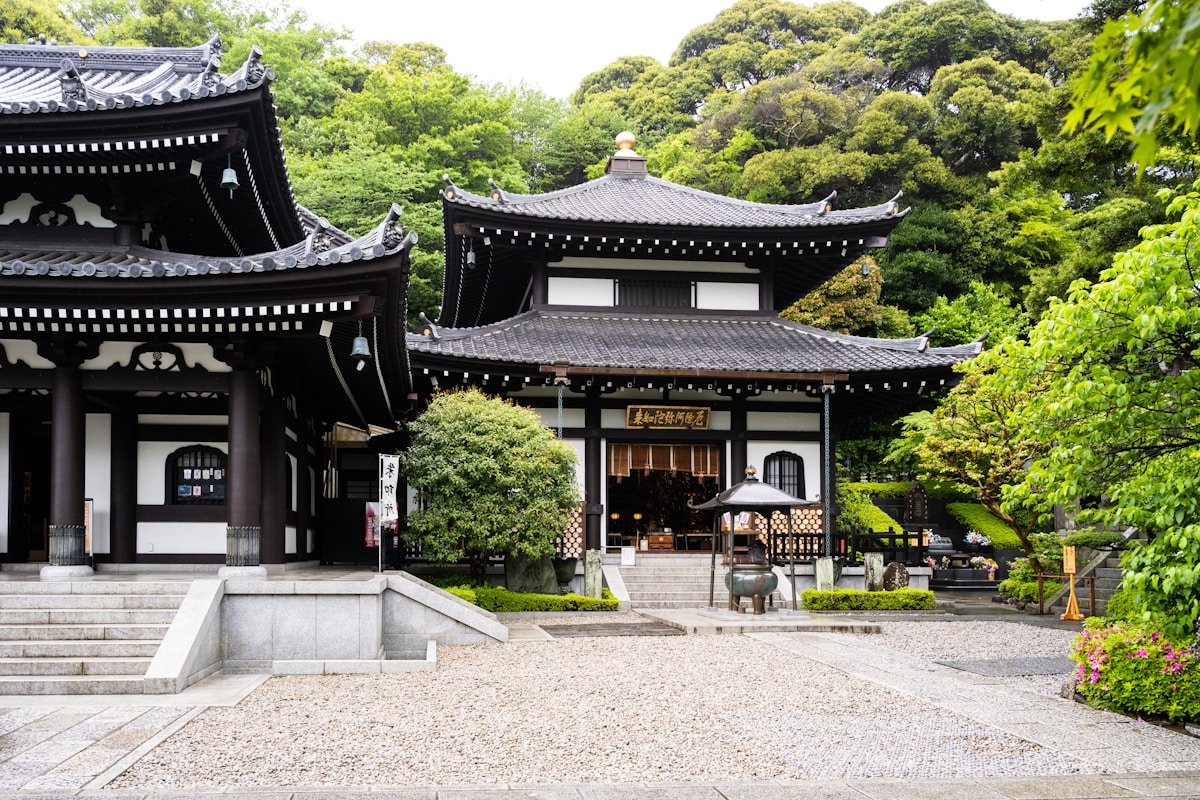
Kamakura’s food culture is shaped by three things: a working fishing coast that supplies some of Japan’s most interesting whitebait; a deep Buddhist temple tradition that has kept shojin ryori (vegetarian cuisine) genuinely alive; and a community of residents who demand good, locally sourced food year-round rather than just in tourist season. The result is a food scene more thoughtful than a town of this size typically produces.
Nama Shirasu (Raw Whitebait)
The definitive Kamakura food. Shirasu - Japanese whitebait, young sardines and anchovies at larval stage - are harvested from Sagami Bay by a fleet of small boats that fish close to the Kamakura-Shonan coastline. The raw version (nama shirasu) is available only when boats have been out and the fish are brought in fresh, because raw shirasu spoil within hours and cannot reach Tokyo while still raw. This hyper-localisation is genuinely rare in modern food supply chains.
Nama shirasu is served on warm rice in a bowl (shirasu-don), sometimes with grated ginger, green onion, and a small amount of soy or ponzu on the side. The texture is soft and yielding; the flavour is clean and oceanic without fishiness. A full bowl costs approximately ¥1,200–¥1,500 as of 2026 at coastal restaurants around Hase and Yuigahama beach. When raw shirasu is unavailable, restaurants offer kama-iri shirasu (briefly blanched whitebait) as an alternative - good but clearly different.
Shojin Ryori - Buddhist Vegetarian Cuisine
Kamakura was the seat of Zen Buddhism in Japan from the 13th century, and the culinary tradition that developed in the temples - shojin ryori - has been maintained more intact here than in most other cities. Shojin ryori excludes meat, fish, and the five alliums (onion, garlic, scallion, leek, shallot), relying on tofu, sesame, seasonal vegetables, seaweeds, and preserved mountain plants to build complete meals.
A formal temple shojin ryori lunch at Kenchoji or Engakuji (booked in advance, typically ¥4,000–¥8,000 as of 2026) provides a sequence of small dishes demonstrating the tradition’s range: dashi broth made from kombu and shiitake rather than fish, sesame tofu, pickled vegetables, seasoned rice with mountain greens, and sweet bean confections. The experience is deliberately calm and is as much a meditation practice as a meal.
Warabi-Mochi
Kamakura’s most widely sold traditional sweet. Warabi-mochi is made from bracken-root starch rather than the glutinous rice flour of regular mochi - the result has a different texture, almost gel-like and transparent when unmixed, pale and wobbly after shaping. Served chilled and dusted in kinako (roasted soybean flour), with kuromitsu (black sugar syrup) on the side, it is a very light confection: just sweet enough, cooling in warm weather, and entirely unlike any equivalent sweet from other parts of Japan.
Shops along Komachi-dori sell it fresh by the serving (approximately ¥200–¥400 as of 2026) or boxed as a gift. The best shops make it in small batches through the day rather than in the morning only - buying from a shop where production is visible is the best indicator of freshness.
Kamakura Yasai (Local Vegetables)
The hills behind Kamakura and the Miura Peninsula south of the city are farmed by a small number of local producers who supply both a weekly farmers’ market and a set of restaurants committed to using local produce. The range of vegetables grown locally includes varieties uncommon elsewhere in Kanagawa: purple sweet potato, various daikon (white radish), burdock, lotus root in several sizes, and seasonal greens not widely distributed nationally.
Several restaurants on the quieter back streets of Kamakura list the farm of origin for their vegetables on the menu. The weekly market (typically at Tsurugaoka Hachimangu on Wednesday mornings) sells direct from the farmers for approximately ¥100–¥400 per item. This is practical only if you have cooking facilities; otherwise, the vegetables are most accessible as ingredients in restaurant meals.
Soba - Buckwheat Noodles
Kamakura has a solid soba tradition linked to the Zen temple culture - temples have historically ground their own buckwheat and served simple noodle meals to monks and pilgrims. Today, several traditional soba restaurants around the Komachi-dori and Tsurugaoka Hachimangu area serve handmade buckwheat noodles. A cold zaru soba (noodles served on a bamboo mat with dipping broth) costs approximately ¥900–¥1,100 as of 2026. Buckwheat-based sweets and crackers are also sold at sweet shops as Kamakura-specific gifts.
Matcha Sweets and Tea Ceremony Experience
Kamakura’s tea ceremony tradition produces a range of matcha-flavoured sweets at accessible prices: matcha soft-serve ice cream (approximately ¥400–¥550 along Komachi-dori), matcha financier cakes (approximately ¥300–¥500 per piece), and matcha mochi. Several cafes near Hase-dera offer a simplified tea ceremony experience (approximately ¥800–¥1,200 including a matcha bowl and sweet). This is a good introduction to the tradition without the formality or cost of a full tea school ceremony.
Craft Coffee and Independent Cafes
Kamakura has an unusually well-developed independent cafe culture relative to its size - partly driven by the creative professionals who live here and commute to Tokyo, and partly by the high number of day visitors from the city who bring metropolitan expectations. Several cafes in the Komachi back streets and near the beach specialise in single-origin filter coffee (approximately ¥600–¥750 as of 2026). Cafe Vivement Dimanche and several newer third-wave coffee shops are the main options.
See Kamakura through its food: Food and cultural tours in Kamakura often include market visits, tastings, and dishes you’d never find independently.
Kamakura Craft Beer
A small brewery scene has emerged in Kamakura in recent years, with one or two local breweries selling taproom access and bottled beer. The styles tend toward session ales and wheat beers suited to the seaside location. A pint at a local taproom costs approximately ¥700–¥900 as of 2026. This is a smaller part of the food scene than in Yokohama or Shonan beach towns but worth noting for those interested in Japanese craft beer.
For restaurants serving these foods, see best restaurants in Kamakura. For the full temple circuit and hiking trails, see things to do in Kamakura.
Where to stay: Search hotels in Kamakura on Booking.com
See also: Kamakura travel guide · Best restaurants in Kamakura · Things to do in Kamakura · Day trips from Kamakura · Japanese food guide · Nara vs Kamakura