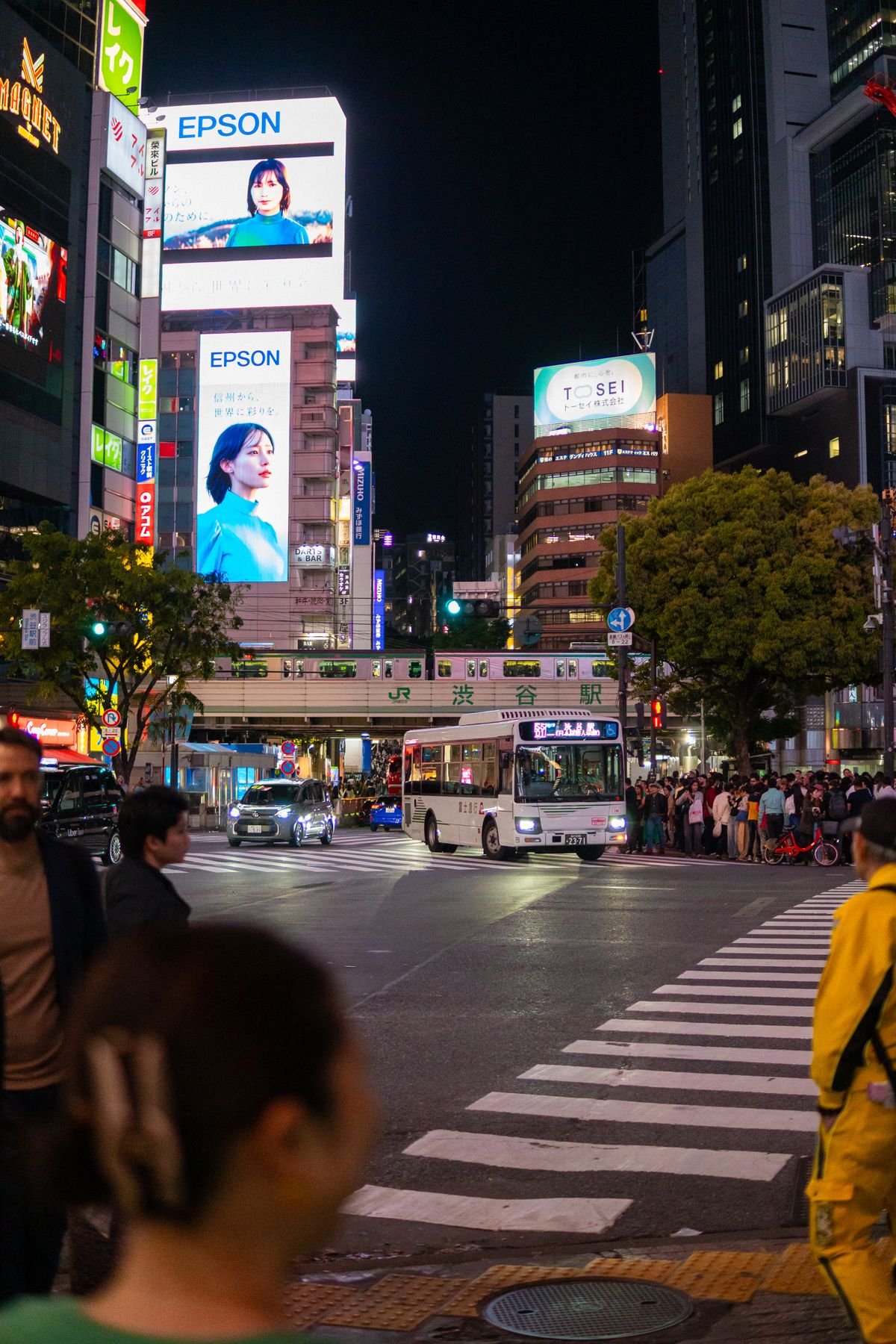
Street go-kart tours, widely searched as “Mario Kart Tokyo”, put you in a small open kart in a costume and lead a convoy of karts along public roads past Tokyo Tower, Rainbow Bridge and the neon of Shibuya or Akihabara. It is one of the most booked novelty activities in the city, and one of the few with a hard entry requirement: you must hold a valid licence for Japan.
Prices and rules are approximate as of 2026. Operators change routes, costume policies and licence checks often, so confirm details on the booking page.
Licence requirements (read this first)
Karts are registered as road vehicles, so a normal driving licence is required. For visitors that means:
- A Japanese licence, or
- Your home licence plus an International Driving Permit (IDP) issued under the 1949 Geneva Convention. The US, UK, Australia, Canada and many other countries issue this version.
- Licences from some countries (Germany, Switzerland, France, Belgium, Monaco and Taiwan) are not covered by a 1949 IDP, so those drivers carry the physical home licence plus an official Japanese translation instead. Check the full list with the Tokyo Metropolitan Police, which also confirms that only 1949 Geneva permits are recognised.
A 1968 Vienna Convention IDP is not valid in Japan, and digital copies are not accepted. Bring the original documents and your passport, not photocopies. Drivers must be 18 or older, and some operators also set weight and height limits (one Akihabara listing states under 100 kg and 150 to 185 cm), so read the listing. Operators turn people away at the meeting point if papers are missing, usually without a refund.
If you cannot drive in Japan, a Tokyo tour on GetYourGuide or a night walk in Shinjuku gives a comparable evening out without a licence.
Operators and what to expect
Several companies run daily departures. The best known are Street Kart (the company formerly branded MariCar, which dropped the Mario costumes and rebranded after the court case), Akiba Kart and smaller operators such as Yah Kart, which runs an Akihabara and Asakusa route. They all follow a similar format:
- A short safety briefing, helmet, and costume selection (30 minutes before departure).
- A guided drive of 1 to 2 hours behind a lead guide, with a following vehicle on some routes.
- Karts that seat one adult with a low ride height, speed held to road limits and the pace of the lead guide.
- Photo stops at landmarks, and a GoPro or phone mount on some tours.
Wear closed shoes and trousers, since you sit very low and exhaust fumes and wind are real. Phones must be mounted or left behind. Tours run in light rain and are cancelled in heavy rain or typhoons.
Routes
- Akihabara and Asakusa: passes Electric Town, Sumida River bridges and the Tokyo Skytree skyline. Good for anime fans, and it pairs naturally with our Akihabara anime tour.
- Shinagawa and Odaiba: the Rainbow Bridge and bay views, usually the best-photographed route. It is quieter after 6pm.
- Shibuya, Roppongi and Tokyo Tower: the classic central loop with Tokyo Tower, Roppongi Hills and the Shibuya area. Traffic is heaviest here.
Evening departures give you neon and bridge lights, but you drive in low light and in colder air from November to March.
Costs and booking
Expect approximately ¥7,000 to ¥15,000 per person as of 2026. One-hour Akihabara and Shibuya departures start near ¥7,000 to ¥8,000, and two-hour routes run around ¥13,000 or more. The kart, helmet and costume are normally included. Add a deposit or insurance excess only if listed.
Book the Akihabara street go-kart tour on Klook or compare similar departures on GetYourGuide. Book at least a few days ahead for weekends and cherry blossom season, and read the cancellation terms because weather cancellations differ by operator.
Tips
- Check the IDP version before you fly, and apply at home, because you cannot get one in Japan.
- Karts drive on the left. Staying close to the lead kart matters more than speed.
- Eat before the tour; stops are short.
- Combine with a food stop in nearby Akihabara or a morning at the Toyosu fish market if you start from Shinagawa or the bay side.
Back to things to do in Tokyo.