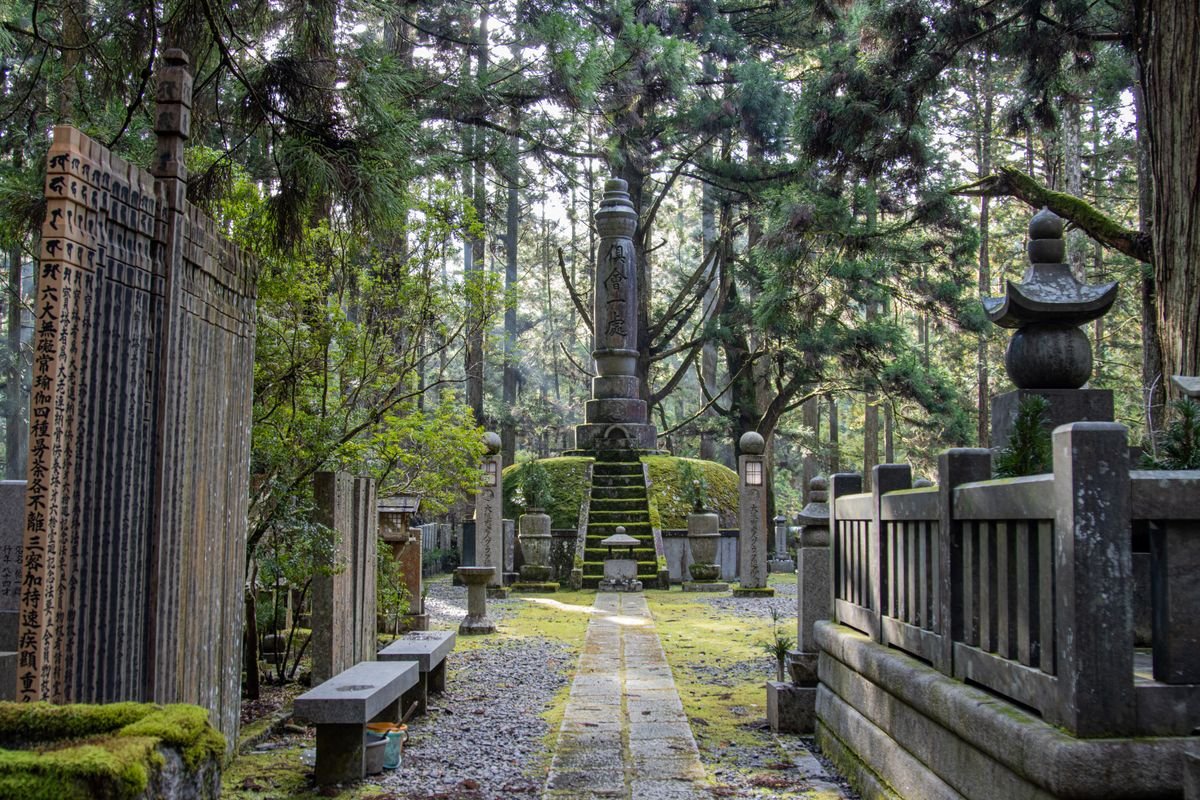
Koyasan (Mount Koya) is the headquarters of Shingon Buddhism, founded by the monk Kukai in 816 on a forested plateau about 867 metres above sea level. More than 100 temples cluster in a small town, and approximately 55 of them take overnight guests as shukubo (temple lodging). It is one of the few places in Japan where you sleep on tatami, eat monastic food and join dawn chanting, inside a UNESCO World Heritage landscape that is part of the Sacred Sites and Pilgrimage Routes in the Kii Mountain Range.
Most visitors treat it as a day trip from Osaka, and that is fine for the main sights. The overnight stay is what makes Koyasan different from every other temple town, and it is the reason this page exists.
How a Shukubo Stay Works
You arrive between 3:00 and 5:00 pm (confirm with your temple), are shown to a tatami room with sliding paper doors, and are given a yukata. Dinner is shojin ryori, the vegetarian Buddhist cuisine built around tofu, sesame, seasonal vegetables and mountain greens, served in your room or a shared hall. There is no meat, fish or garlic, and alcohol is usually available only on request or not at all. Lights out is early.
At roughly 6:00 am monks begin the morning service in the main hall. Guests can sit in, hear the sutras chanted and, at some temples, watch the goma fire ritual. Breakfast follows, also vegetarian. Check-out is typically around 10:00 am.
Costs (approximate, as of 2026): about 15,000 to 30,000 yen per person per night including dinner and breakfast. Rates vary by room type, season and whether you share a bathroom. Autumn foliage in late October and November is the busiest period, so book two to three months ahead. Cancellation terms are strict at many temples.
Which Temples Are Bookable
Three well-known shukubo are listed on Booking.com and have strong guest ratings: Ekoin, close to the Okunoin entrance; Rengejoin (listed as Koyasan Sanadabo Rengejoin); and Shojo Shin-in, also near the cemetery. Ekoin’s own plan pricing starts near 12,500 yen per person, while Rengejoin runs higher. Compare current rates and availability on hotels in Koyasan, since temple-direct booking and online platforms can differ.
Choose by location first. Temples within a 10-minute walk of Okunoin make the evening walk easy; those near Kongobu-ji suit the central temple circuit. Few rooms have en-suite bathrooms, and shared baths follow temple hours.
Okunoin: The Night Walk
Okunoin is a 2-kilometre path through a cemetery of more than 200,000 monuments under cedars that are up to 1,000 years old. It ends at the Torodo Lantern Hall and the mausoleum of Kukai, who Shingon followers believe remains in eternal meditation. Thousands of lanterns burn inside the hall.
The cemetery is open 24 hours. Many shukubo, including those near the Okunoin entrance, can arrange or recommend a priest-led night walk that starts around 7:00 pm; confirm times with your temple. Without a guide, go at dusk with a torch. Stay on the paved path, bow at the Gobyobashi bridge, and do not photograph inside the Torodo hall. A guided Okunoin tour from Osaka covers the history if you prefer commentary over silence.
Other Sights Worth Your Time
- Kongobu-ji (about 1,000 yen): head temple of Shingon, with painted screens and Japan’s largest rock garden. Allow 45 minutes.
- Danjo Garan (about 500 yen for the Konpon Daito pagoda): the vermilion pagoda precinct at the centre of the mountain.
- Reihokan Museum: a small treasure hall of Buddhist art with a combined discount for ticket holders.
Together with Okunoin these take four to five hours. Pack layers: the plateau is 5 to 8 degrees cooler than Osaka, and snow is possible from December to March.
Getting to Koyasan
The standard route is the Nankai Koya Line from Namba (or Shin-Imamiya) to Gokurakubashi, then the Koyasan Cable Car up the mountain, then a local bus to the temple town. Total time is about 1 hour 45 minutes to 2 hours. The limited express “Koya” is faster and has reserved seats for a supplement.
The Koyasan World Heritage Ticket bundles return travel, the cable car and unlimited mountain buses over two days. As of 2026 it costs approximately 3,980 yen as a digital ticket from Namba (about 4,210 yen on paper, which adds a small Kongobu-ji discount), with a limited-express version at about 4,910 yen. Buy it before boarding; it cannot be bought on the train. Check current fares on the Nankai Koyasan page and the official Koyasan tourism site.
From Kyoto, allow about three hours with a change at Osaka. If you are pairing Koyasan with the pilgrim trails to the south, see our Kumano Kodo tours guide, and for wider routing use the Kansai region guide.
Practical Tips
- Carry cash: many temples and small shops do not take cards.
- Arrive early afternoon so you can see Okunoin before dark.
- Wear socks and slip-off shoes; you will remove footwear often.
- Tell the temple about allergies at booking; shojin ryori uses sesame and soy heavily.
- Rooms have no TV, and Wi-Fi may be limited to common areas.
- Last buses and the cable car run into the evening, so day-trippers must plan the return.
Is It Worth Staying Overnight?
Yes, if you have one spare night in the Kansai area. The mountain empties after 5:00 pm, the cedar forest goes quiet and the morning chanting is something no day trip can replicate. If time is tight, do the day trip and spend the saved night in Kyoto. Either way, book a guided tour from Osaka or reserve a shukubo through the link above early, since the best temples fill first.