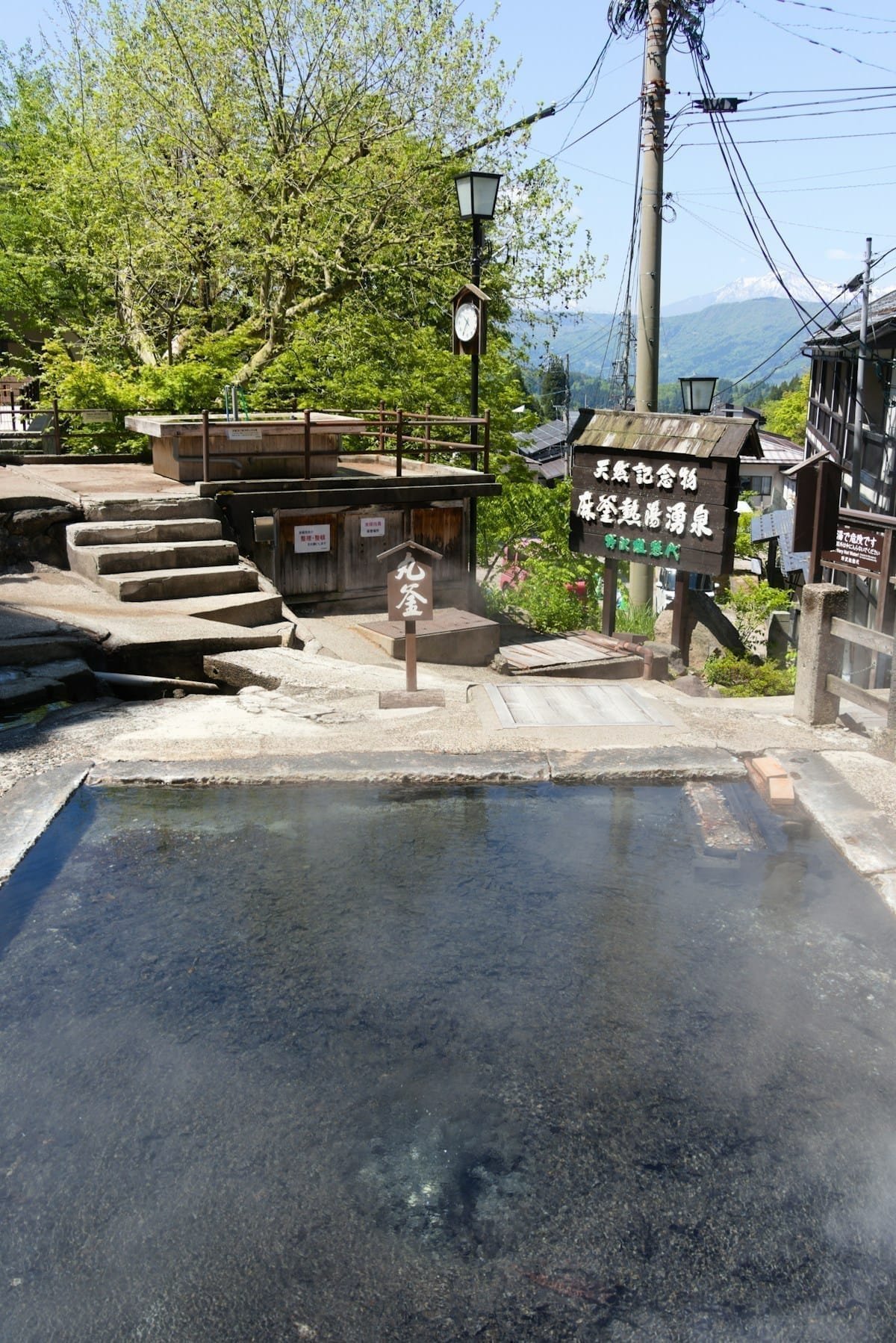
Soaking in a natural hot spring is one of the most restorative things you can do in Japan. The problem, if you have visible tattoos, is that the country’s onsen culture comes with a well-known complication: most public baths prohibit them. But the situation is more nuanced than a flat ban, and with the right knowledge you can still access some of the finest hot spring bathing Japan has to offer.
This guide covers why the ban exists, which regions and specific facilities are most accommodating, and how to use private baths as a near-universal workaround wherever you travel.
Why Do Onsen Ban Tattoos?
The restriction traces back several decades. In Japan, full-body tattooing became strongly associated with the yakuza, the country’s organised crime syndicates, who used elaborate tattoo designs as markers of affiliation. Public bathhouses, which operate on an ethos of communal trust and shared space, began refusing entry to tattooed patrons to avoid trouble and to make other bathers feel safe.
That cultural link has weakened considerably. Tattoos are now mainstream among younger Japanese people, and the tourism industry has increasingly recognised that millions of international visitors arrive with ink that has nothing to do with organised crime. Several high-profile onsen towns have begun relaxing policies, and the government has encouraged a more welcoming approach ahead of major international events.
But change is slow. As of 2026, the majority of large public sento and onsen facilities in Japan still ban visible tattoos. Some accept small tattoos when covered with waterproof patches. A growing minority explicitly welcome all guests regardless of tattoos. Understanding which is which before you travel saves embarrassment and wasted entry fees.
The Universal Solution: Kashikiriburo (Private Baths)
Before going region by region, it helps to understand why kashikiriburo (貸切風呂) is the answer almost everywhere. A kashikiriburo is a private bath room reserved exclusively for your group for a set time, typically 45 to 60 minutes. Because you are the only people in the water, the communal tatoo rules simply do not apply.
Private baths exist across the entire country, from budget guesthouses to five-star ryokan. Prices range from approximately 1,500 yen for a basic indoor rock bath to 8,000 yen or more for a premium outdoor rotenburo with garden views. Most ryokan include kashikiriburo as an add-on to room bookings; standalone onsen facilities often offer them on a walk-in or advance-reservation basis.
When booking accommodation in Japan, search specifically for “kashikiriburo” (貸切風呂) in the room amenities or check whether the ryokan lists a private bath among its facilities. Jalan (jalan.net) and Rakuten Travel both filter by this feature in Japanese, while Booking.com listings sometimes note private bath access in the property descriptions.
Tattoo-Friendly Onsen by Region
Tokyo
Tokyo does not have its own hot spring geology, but several facilities pump geothermal water from underground sources and a handful of day-spa onsen have adopted tattoo-inclusive policies.
Thermae-yu (Shinjuku) is the most prominent. This multi-floor onsen complex in the heart of Shinjuku explicitly accepts guests with tattoos in its rooftop outdoor bath and several indoor pools, provided you shower before entering. Day admission runs approximately 2,900 yen on weekdays and 3,400 yen on weekends (as of 2026). It is open until 11 pm on weekdays and midnight on weekends, making it a realistic evening stop.
Spa LaQua (Bunkyo, near Tokyo Dome) has a more nuanced policy: tattoos must be covered with patches provided at the front desk, and uncovered tattoos are not permitted in the main pools. It does, however, have a small number of private bathing rooms available for an additional 1,500 to 2,500 yen per session for two people. Book private rooms on arrival as they fill quickly on weekends.
For a more traditional setting, Maenohara Onsen Sayano Yudokoro (Itabashi) is a full-scale onsen complex drawing natural hot spring water. It does not publicly advertise a tattoo welcome policy for the main pools, but its rotenburo private rooms at around 2,000 yen per 45-minute session are available to all.
How to book: Thermae-yu accepts walk-ins. Spa LaQua private rooms are first-come, first-served. Sayano Yudokoro private baths can be reserved by calling the facility directly or asking at the front desk.
Kyoto
Kyoto is more conservative than Tokyo when it comes to tattoo policies, and most of the city’s landmark sento and onsen facilities maintain strict no-tattoo rules. Your best strategy here is to book accommodation that includes a private bath.
Mizuki Kyoto (Arashiyama area) is a boutique ryokan on the Oi River with in-room open-air tubs fed by hot spring water. Rooms with private rotenburo start from approximately 50,000 yen per night for two people, but this includes a kaiseki dinner and breakfast. The private nature of the bathing means tattoos are a non-issue.
Onyado Nono Kyoto Hachijoguchi (near Kyoto Station) is a mid-range option with kashikiriburo bookable on top of standard room rates. Private bath sessions run approximately 1,500 to 2,000 yen for 45 minutes and are available to guests on a reservation basis at the front desk.
For day visitors, Funaoka Onsen (Kita ward) is a historic public bath with striking architecture that does not officially permit tattoos in its main pools. It is worth visiting for its Meiji-era tile work and wooden interior, but tattooed visitors should note the policy.
How to book: Ryokan with private baths in Kyoto are best booked through Booking.com or Jalan several weeks in advance during peak periods (cherry blossom, autumn foliage, Golden Week).
Hakone
Hakone is the closest major onsen destination to Tokyo and arguably the most varied. The Hakone area has dozens of ryokan, many of which include private outdoor baths as a standard or optional feature of their accommodation.
Ryuguden (Lake Ashi area) is a traditional full-service ryokan that offers private kashikiriburo overlooking the lake for guests. These can be booked as add-ons to room reservations for around 3,000 to 4,000 yen per session and are available in 50-minute slots from morning until evening.
Yama no Chaya (Sengokuhara) is a mid-range ryokan where private outdoor baths come included with certain room types. Rates for a room with private rotenburo start from approximately 25,000 yen per person including dinner and breakfast. The outdoor forest setting is exceptional in autumn.
For day visitors, Tenzan Tohji-kyo (Yumoto area) is one of the few Hakone public facilities with a more relaxed policy. It officially welcomes tattooed guests in its outdoor river-fed baths and runs an explicit tattoo-OK policy on its website. Day entry is approximately 1,500 yen per person. Private rental baths are also available at around 2,000 to 2,800 yen per session. Reservations for private baths can be made by phone, though the facility accepts walk-ins subject to availability.
How to book: Hakone ryokan book up fast on weekends and throughout Golden Week (late April to early May) and autumn peak. Book at least one month ahead during these periods via Booking.com or directly with the property.
Nikko
Nikko is known primarily for its Toshogu shrine complex, but the surrounding area, particularly Kinugawa Onsen and Yunishigawa Onsen, has strong hot spring culture and accessible private bath options.
Yunishigawa Onsen is a small, traditional onsen village about 90 minutes from Nikko by bus and train. Several of the village’s small ryokan offer kashikiriburo for guests and a handful accept non-staying visitors in their private baths during specified daytime hours. Rates at ryokan like Ryokan Kinosawa run approximately 2,000 yen for a 45-minute private session. Call ahead to confirm availability and any current policies.
Kinugawa Grand Hotel Yukari in Kinugawa Onsen has private family baths available for hotel guests at around 1,500 to 2,500 yen per 50-minute session. This is the most straightforward and accessible option for day visitors arriving from Nikko or Tokyo.
Neither Yunishigawa nor Kinugawa has a blanket tattoo-welcome policy across communal baths, so the private bath route remains the most reliable approach for this region.
How to book: Yunishigawa ryokan can be booked through Jalan or direct phone reservation. Kinugawa Onsen hotels are widely available on Booking.com.
Beppu
Beppu, on the northeastern coast of Kyushu, is Japan’s hot spring capital by volume, producing more geothermal water than almost anywhere else in the country. It is also the region where tattoo-inclusive policies have progressed fastest, partly because Beppu’s tourism board has actively promoted tattoo-friendly bathing.
Hyotan Onsen is a landmark facility that began welcoming tattooed bathers in its communal pools following a policy change around 2019. The setting is spectacular: waterfalls, sand baths, open-air pools, and steam rooms spread across a hillside site. Entry costs approximately 800 yen for adults. Hyotan explicitly lists its tattoo policy as open on its website and at the entrance. No reservation needed for general entry.
Takegawara Onsen (Beppu central) is a historic bathhouse from 1879 with a famous sand bath. It maintains a no-tattoo rule in its indoor pools but is worth knowing about for the sand bath experience, where tattooed visitors can join after discussing the policy with staff at the front desk. Sand bath entry costs approximately 1,500 yen as of 2026.
Yufuin (about 40 minutes from Beppu by train) is a charming onsen resort town with a concentration of small ryokan almost all of which offer in-room or private baths. Sanso Murata is widely considered one of the finest, with private rotenburo attached to traditional wooden rooms from around 60,000 yen per person per night including meals. For more accessible budgets, Yufuin Floral Village area has several ryokan with private bath options from approximately 20,000 yen per person including dinner.
Beppu also has dozens of standalone kashikiriburo facilities dotted throughout the city, many charging as little as 1,500 yen per 45-minute session. Beppu Ryochiku (竜竹) is one frequently recommended by locals, with basic rock pool private baths at around 1,800 yen per session.
How to book: Hyotan Onsen is walk-in only for day visitors. Yufuin ryokan should be booked at least two months in advance for busy periods. Booking.com and Jalan both list the main Yufuin properties with private bath filters.
How to Find Private Baths When Booking Accommodation
The single most useful thing you can do before any trip to an onsen region is to look for the kanji 貸切風呂 when searching Japanese booking platforms. On Jalan (jalan.net), use the facility filter to show ryokan with kashikiriburo. Rakuten Travel has a similar filter under “bath type.”
On English-language platforms, search the property description for “private bath,” “in-room onsen,” or “private rotenburo.” If a listing says “outdoor bath in room” or “open-air bath attached to room,” this is almost always a private arrangement.
When booking direct or calling ahead, the phrase “kashikiriburo wa arimasu ka” (貸切風呂はありますか) means “do you have a private bath?” Most ryokan staff will understand this even without fluent Japanese.
Price Ranges at a Glance
| Type | Approximate cost | Notes |
|---|---|---|
| Public onsen (tattoo-friendly) | 500 to 1,500 yen per person | Beppu has the most options |
| Kashikiriburo (standalone facility) | 1,500 to 3,500 yen per session | Usually 45 to 60 min for 2 to 4 people |
| Ryokan add-on private bath | 2,000 to 5,000 yen per session | Best booked when reserving the room |
| In-room private rotenburo (ryokan) | Included in room rate | Rates from 20,000 yen per person |
| Luxury ryokan private bath | Included, rooms from 60,000 yen per person | Sanso Murata, Ryuguden-class |
All prices are approximate as of 2026. Confirm directly with facilities before visiting.
Best Season for Onsen Bathing
Every season has an argument in its favour, but winter is the classic choice. Soaking in steaming water while snow falls is one of the signature images of Japanese travel for good reason. Facilities in mountain areas like Hakone, Nikko, and Nagano are at their most atmospheric from late December through February.
Autumn (October to November) is the runner-up: the foliage is exceptional around most onsen towns and the temperatures are cool enough for bathing to feel genuinely refreshing rather than exhausting.
Spring can be busy, particularly around cherry blossom season (late March to mid-April), but the combination of flowers and steam is hard to beat. Summer bathing outdoors works best at high-altitude facilities where the air is cooler, such as Nozawa Onsen in Nagano or the higher Hakone properties.
Practical Tips for Tattooed Onsen Visitors
Call ahead. Policy can change and staff have discretion. Even if a facility is listed as tattoo-friendly, a quick phone call or email confirms the current situation. This takes two minutes and prevents wasted trips.
Bring waterproof patches. For small tattoos on wrists, ankles, or other easy-to-cover areas, some facilities will allow entry with opaque waterproof patches or bandages. Ask at the front desk. Waterproof wound dressings (available at any Japanese pharmacy) work well.
Go early. Communal facilities that do accept tattooed visitors tend to be busier and the social dynamic is easier when the baths are quieter. Arriving when the facility opens means fewer other bathers and staff who have time to discuss any questions.
Respect the culture. Even at tattoo-friendly onsen, the basic rules apply: wash thoroughly at the shower stations before entering any bath, keep hair tied up and out of the water, no swimming strokes, and no phones.
Consider ryokan over day facilities. Staying at a ryokan with a private bath eliminates the uncertainty entirely and gives you access to bathing any time of day or night. Prices feel high by hostel standards but the full experience, including kaiseki meals and private bathing in a traditional setting, is one of the most memorable things you can do in Japan.
Check the Onsen Tattoo Friendly website. A community-maintained resource lists facilities with verified tattoo policies. Entries are added and updated by visitors, so treat individual entries with some scepticism, but the site gives useful starting points for researching specific towns. Search hotels in Japan on Booking.com
Plan Your Trip
Hakone and Beppu are the strongest destinations to base around onsen as a tattooed visitor - both city guides include accommodation options with private bath access. If you’re planning a broader onsen-focused trip, our onsen guide covers the main regions, etiquette, and what to expect at different types of facility across Japan.
Plan Your Trip
- Flights - Find the best fares to Japan
- Hotels - Search hotels in Japan on Booking.com
- Travel Insurance - Get covered before you go
- eSIM - Stay connected from landing
- Car Rental - Compare prices across providers
- Tours and activities - Browse experiences on GetYourGuide
See also: Onsen guide Japan · Kyoto city guide · Hakone city guide · Beppu city guide