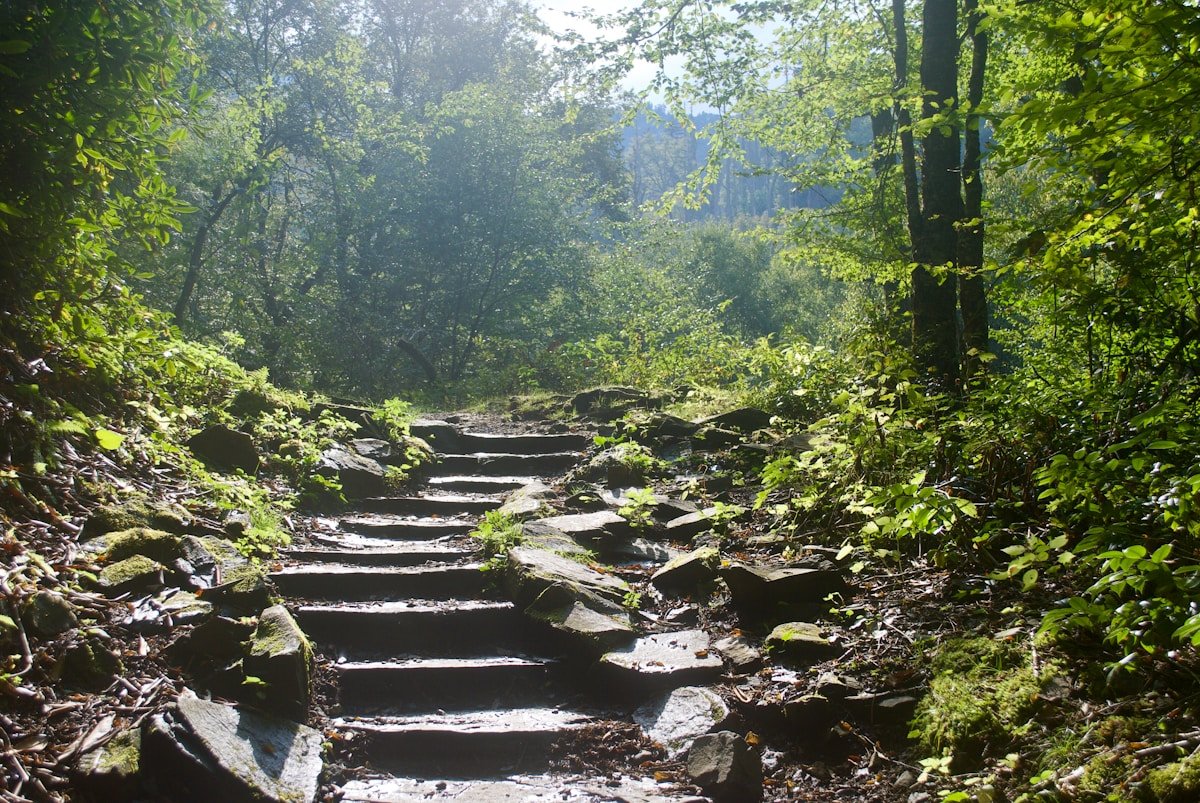
September is a transitional month in Japan - summer’s grip loosens, typhoon activity peaks, and by the final week the first hints of autumn colour appear in Hokkaido and the highest mountains. Crowds thin after Obon, prices drop, and the country shifts toward what many consider its finest season. The trade-off is weather unpredictability.
Summer’s Last Grip, Typhoons, and Autumn’s First Hints
Tokyo is still warm: 21–29°C in the first half, cooling to 18–26°C by month’s end. Humidity remains high through mid-September but drops noticeably in the final week. Rain is frequent - September averages more rainy days than any month except June.
Kyoto follows a similar pattern: 20–30°C early, cooling to 17–26°C late. The basin still traps heat in early September, but by late September evenings become genuinely pleasant.
Hokkaido cools rapidly: Sapporo drops to 14–22°C. The Daisetsuzan mountain range - Japan’s largest national park - sees its first autumn colour as early as mid-September, making it the earliest koyo destination in the country.
Okinawa remains hot at 26–31°C and carries the highest typhoon risk of any Japanese region in September.
September Typhoons: What Travellers Need to Know
September is statistically Japan’s worst month for typhoons. On average, 2–3 typhoons approach or make landfall during the month, primarily affecting Okinawa, Kyushu, and the Pacific coast of Honshu.
The practical impact for travellers:
- Flights are cancelled or delayed, particularly to Okinawa and Kyushu. Domestic carriers offer rebooking without charge for typhoon disruption.
- Shinkansen services may be suspended for 12–24 hours during a direct hit. JR refunds reserved tickets.
- Island ferries (Okinawa island-hopping, Seto Inland Sea) are cancelled at lower wind thresholds than other transport.
We recommend building 1–2 buffer days into any September itinerary and carrying travel insurance that covers weather-related delays. Monitor the Japan Meteorological Agency’s typhoon tracking page - forecasts are accurate 3–5 days out.
Early Autumn Colour in Hokkaido
Japan’s koyo (autumn foliage) season begins in Hokkaido and moves south over the following two months:
- Mid-September: Daisetsuzan’s highest peaks (Asahidake, Kurodake) turn red and gold - the earliest autumn colour in Japan.
- Late September: Colour descends to the mid-elevations of Daisetsuzan. Sounkyo Gorge begins its transformation.
- Early October: Hokkaido’s lowlands and Sapporo’s parks reach peak colour.
This northward-first, mountaintop-first progression means September visitors to Hokkaido can experience autumn foliage that will not reach Tokyo or Kyoto for another 6–8 weeks.
September Sumo Tournament
The Grand Sumo Tournament (Aki Basho) takes place at Ryogoku Kokugikan in Tokyo for 15 days in September, typically starting on the second Sunday of the month. Tickets for the lower-tier seats sell out on the first day of sale, but upper-level unreserved seats (jiyuseki) are available on the day - arrive by 7am to queue.
Sumo is one of Japan’s most compelling spectator experiences. The ritual, atmosphere, and sheer physicality of the sport are worth experiencing at least once.
Higanbana, Moon Viewing, and Post-Typhoon Tokyo
- Higanbana (red spider lilies): These striking flowers bloom across rice paddies and riverbanks in late September. Kinchakuda in Saitama (near Tokyo) has over 5 million flowers - Japan’s largest cluster.
- Tsukimi (moon viewing): The autumn moon-viewing tradition takes place around the harvest moon in September. Temples and parks hold tsukimi events with dango (rice dumplings) and susuki (pampas grass).
- Tokyo city sightseeing: Late September’s cooler temperatures make walking Tokyo’s neighbourhoods comfortable again after the summer break.
Post-Obon Value: September Shoulder Season
September is one of Japan’s better-value months. The Obon surge is over, school holidays end in early September, and domestic tourism drops. Hotel rates return to shoulder-season levels across most of the country. The exception is Hokkaido, where autumn foliage drives moderate demand from late September onward.
Late September through early October represents a sweet spot: reasonable prices, thinning crowds, improving weather, and the start of koyo season.
Planning a trip this month? Flights to Japan prices vary significantly by season - compare fares early for the best value. Travel insurance for Japan covers delays, medical costs, and the unexpected. Pick up an Airalo eSIM for Japan to have mobile data from the moment you land - no queueing at the airport for a physical SIM. Search hotels in Japan on Booking.com
Typhoon-Ready: Flexible Booking and Rain Layers
- Umbrella and rain layers are essential. September rain can be heavy and prolonged, not just brief showers.
- Flexible booking: Choose refundable accommodation and avoid pre-purchasing transport for specific days where possible.
- Lighter clothing with layers: Early September is warm enough for summer clothes; late September evenings need a light jacket.
- Cash: As always in Japan, carry yen. 7-Eleven ATMs accept international cards reliably.
For a broader perspective on how seasons shape your Japan trip, see our Japan by season guide.
See also: Best time to visit Japan · Japan in August · Japan in October · Okinawa travel guide · Tokyo travel guide · Hokkaido region guide · Budget travel guide Japan · Onsen guide Japan · Ryokan guide Japan · Japan itineraries · Japan where to stay
Plan Your Trip
The September sweet spot is late in the month: typhoon activity decreases, temperatures drop, and Hokkaido’s Daisetsuzan massif is already turning red and gold - 6–8 weeks ahead of Kyoto. Build one or two buffer days into any September itinerary for potential typhoon disruption, and keep accommodation bookings refundable.
- Hotels in Sapporo - Gateway to Daisetsuzan early autumn colour
- Hotels in Tokyo - September Grand Sumo Tournament at Ryogoku Kokugikan
- Sapporo and Hokkaido tours - Autumn hikes and nature experiences
- Flights - Compare September fares
- Travel Insurance - Typhoon delays are a real risk this month - don’t skip it
- eSIM - Stay connected from landing
- Car Rental - Useful for Hokkaido’s national parks