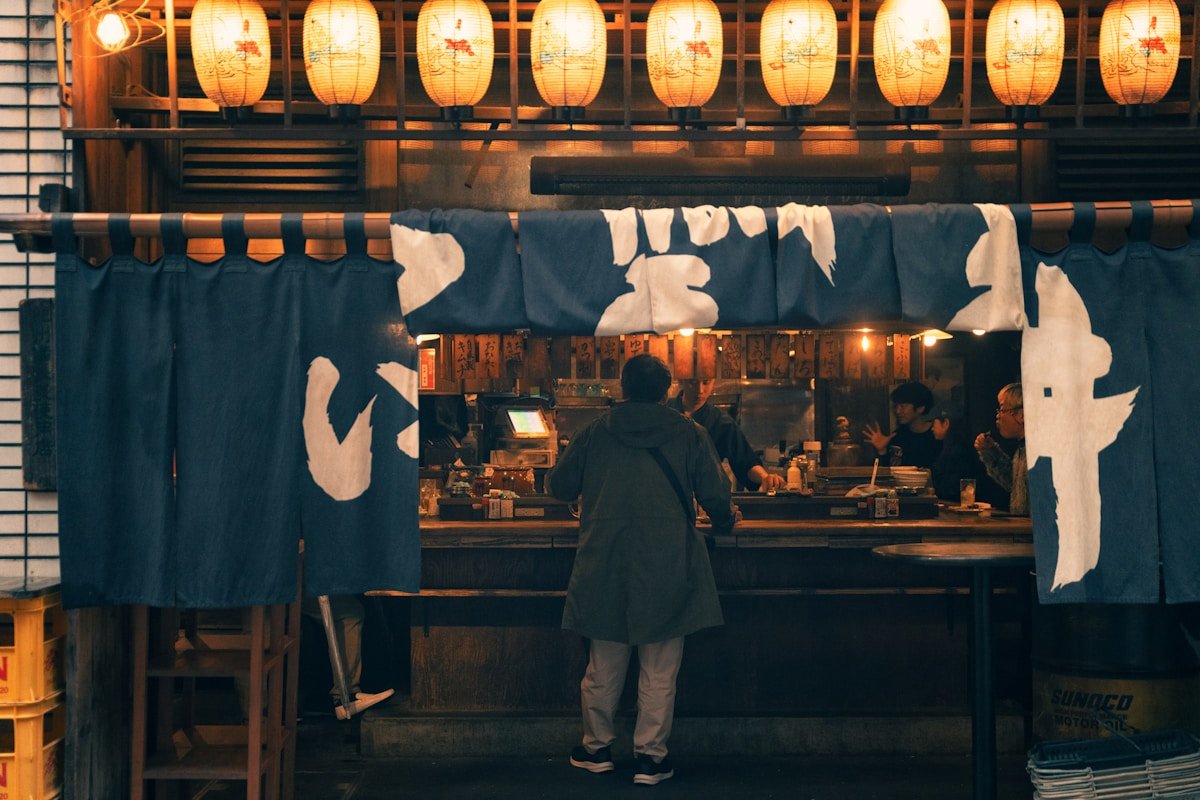
Takayama’s restaurants reflect the city’s setting and history: mountain-altitude cattle, sake brewed in Edo-period cellars, soba made from local buckwheat, and mountain vegetables foraged from the surrounding Hida range. The food is not intricate in the way that Kyoto’s cuisine is intricate, but it is distinctive and tied to place in a way that is unusual for a small city.
Where to Eat in Takayama: The Two Zones
The historic Sanmachi Suji street grid has the highest concentration of restaurants and is the obvious starting point for visitors. Restaurants here cater significantly to tourism - menus often have English or picture menus, and prices are slightly above average. The side streets parallel to Sanmachi Suji, and the area around the Miyagawa River morning market, have more local-facing options at lower prices. Reservations are practical for dinner in peak season; for lunch at most mid-range places, walk-in works.
Hida Beef: What to Know Before You Order
Hida beef is wagyu from cattle raised in the Hida mountain region of Gifu Prefecture, reaching grade A4 and A5 classification with distinctive fine marbling. It is different from Kobe or Matsusaka beef - the mountain altitude, cold temperatures, and feed produce a leaner marbling pattern than the most intensely fatty Kobe cuts, which some eaters prefer.
The easiest and least expensive introduction is the Hida beef kushiage sold from street stalls near Sanmachi Suji: a single skewer of charcoal-grilled beef, from approximately ¥500. This is enough to understand the quality. Several stalls operate from mid-morning; look for the queues near the Jinya intersection.
Le Midi (Kamimachi district, lunch from ¥1,500, dinner from ¥5,000) combines French bistro technique with Hida beef - beef bourguignon made with local wagyu, gratin, and seasonal mountain vegetables. The crossover approach works well. Reservations recommended for dinner.
Kakusho (near Higashiyama temple district, dinner from ¥12,000 per person) is the prestige option - a traditional kaiseki restaurant that has been serving Hida mountain cuisine since the Edo period. The multi-course menus use Hida beef alongside tofu, preserved vegetables, freshwater fish, and seasonal forage. The setting - a 300-year-old town house - and the food quality justify the price. Book at least one week ahead for dinner; lunch sets (from ¥4,500) are easier to secure.
Migakel (Sanmachi Suji, from ¥3,000 for beef steak sets) is the practical mid-range choice on the main tourist street - reliably prepared, good English menu, and consistent quality without the kaiseki price point.
For the most celebratory Hida beef meal, the shabu-shabu and sukiyaki format at restaurants like Sabo Cafe Ren (Miyagawa area, shabu-shabu set from ¥4,500) lets you cook thin-sliced wagyu at the table in either a clear dashi broth (shabu-shabu) or a sweet soy-sauce base (sukiyaki). Both work well with A5 Hida beef.
Sake Tasting on Sanmachi Suji
Sanmachi Suji is home to several functioning sake breweries, recognisable by the sugidama - spherical cedar bough balls hung at the entrance when new sake is ready. Walk-in tasting is standard at Hirase, Funasaka, and Watanabe breweries. Portions are small (30–50ml), and tasting three or four styles costs ¥300–¥800 in total.
Funasaka has the most visitor-friendly tasting room layout. Staff speak basic English and can explain the difference between futsushu (standard), junmai (pure rice), and daiginjo (premium) grades. A premium 720ml bottle to take home costs ¥2,000–¥4,500 depending on grade.
The sake culture here is distinct from the polished brewery experiences in Kyoto or Niigata. The Takayama breweries are small-batch operations in historic buildings, and the informality is part of their appeal.
Soba and Ramen
Mountain buckwheat - grown at altitude with a short growing season - produces soba with a more intense nutty flavour than the lowland varieties common in Tokyo restaurants. Takayama’s soba restaurants make noodles in-house and serve them cold (zaru soba) or hot in a simple dashi broth.
Soba restaurant Koto (near Jinya, zaru soba from ¥950) is a well-regarded local option with handmade noodles and a small dining room. Lunch only; arrives at opening (11:30am) or expect a queue.
Yamataka (Kamisannomachi, tempura soba from ¥1,200) pairs mountain vegetable tempura - fiddlehead fern, shiso, mushroom - with their cold soba. The combination works better than plain toppings for a full lunch.
For ramen, Takayama has its own local style: clear chicken or beef broth (not the tonkotsu base of Kyushu ramen), with thin straight noodles and simple toppings. Masutani ramen (near the station, from ¥850) is the most traditional version - unadorned, clean-tasting, and the kind of bowl locals eat for breakfast.
Morning Market Food
Both the Jinya Mae and Miyagawa morning markets (6am–noon) sell foods worth eating on the spot. Roasted chestnuts in autumn (from ¥300), mitarashi dango (grilled rice dumplings with soy sauce glaze, ¥200 for three), and fresh miso (sold by the ladle from ceramic vats, ¥600 per 500g) are all worth stopping for. The markets are small enough that a single slow walk covers everything without missing anything.
See Takayama through its food: Food and cultural tours in Takayama often include market visits, tastings, and dishes you’d never find independently.
Budget Options and Convenience
The street near Takayama Station has several standard chain restaurants and convenience stores for budget eating. For a quick and locally-rooted meal, the soba shops and ramen counters in the immediate station area charge ¥800–¥1,200. The station itself has a small ekiben (train station bento) counter where bento boxes featuring Hida beef or mountain vegetables are available from approximately ¥1,200.
See the Takayama travel guide for general city orientation, food to try in Takayama for local specialties explained, and day trips from Takayama for Shirakawa-go and Hida Folk Village.
Where to stay: Search hotels in Takayama on Booking.com
See also: Takayama travel guide · Food to try in Takayama · Things to do in Takayama · Day trips from Takayama · Where to stay in Takayama · Chubu region guide · Kanazawa travel guide