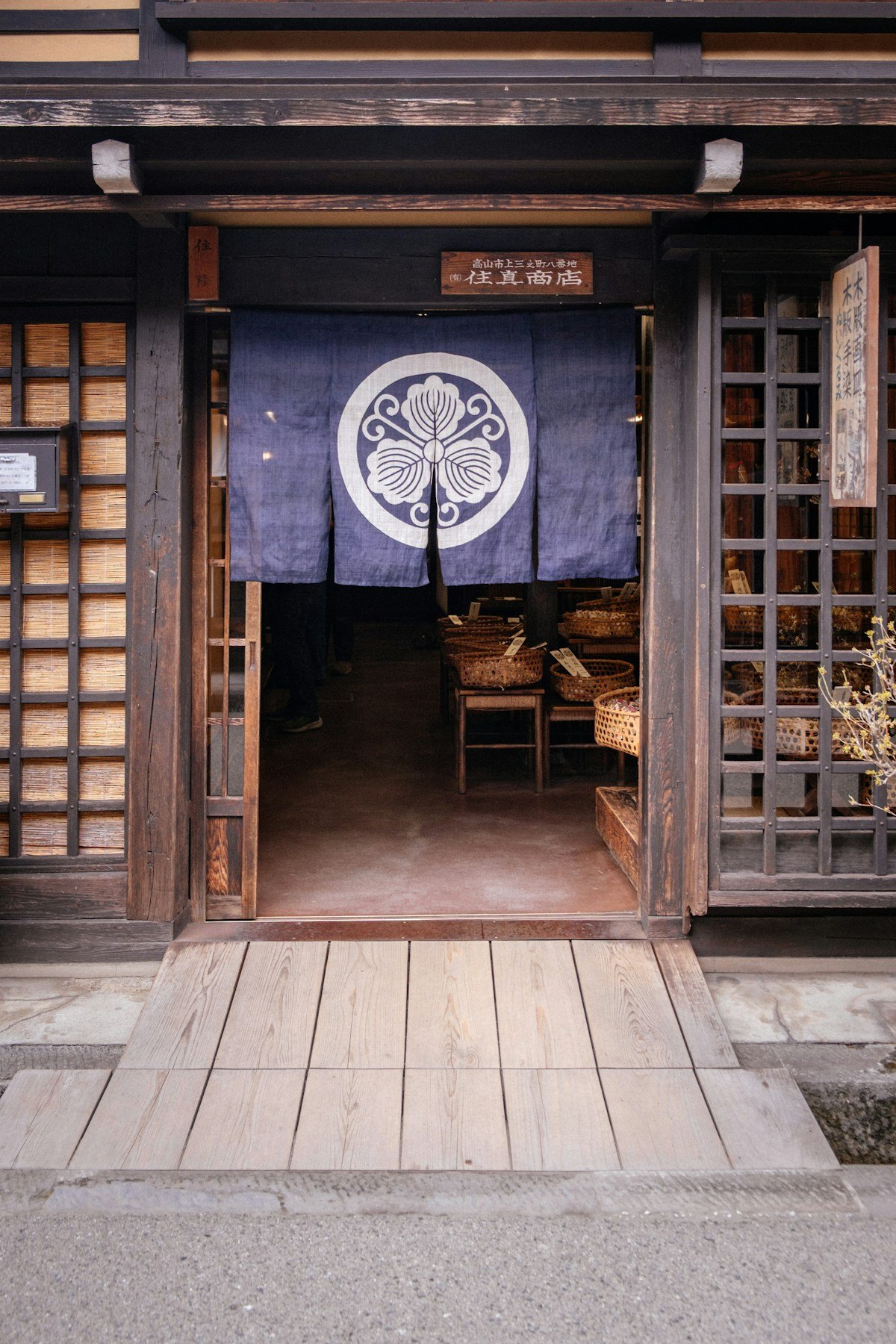
Staying overnight in Takayama rather than visiting as a day trip from Nagoya or Kyoto unlocks the city’s most appealing hours. The morning markets open at 6am - arriving early enough to see genuine commerce rather than tourist browsing requires sleeping here. Sanmachi Suji in the evening, when the day-trip coach buses have departed and the lanterns cast warm light on the empty lanes, is completely different from the same streets at midday. Two nights is the minimum to experience Takayama properly. Search hotels in Takayama on Booking.com
The Case for Two Nights
Day-trip visitors from Nagoya (2h30m by train) typically arrive around 10am and leave by 5pm. During those hours, Sanmachi Suji is populated by crowds moving between sake tastings and souvenir shops. The morning markets at their best - running from 6am with local shoppers rather than visitors - require being in town the night before. The evening atmosphere after 5pm, and the possibility of a Shirakawa-go day trip, also require at least two nights.
For festival visitors (April 14–15 or October 9–10), three nights is preferable - the festival runs across two full days, and the preceding evening procession that opens the autumn festival is among the most atmospheric events on the calendar.
Sanmachi Suji and Higashiyama Area
Staying within the historic district means walking to Sanmachi Suji in under 5 minutes and waking to the sound of the market setting up. The accommodation here consists primarily of machiya ryokan - traditional Japanese wooden townhouses converted into small inns, typically with 5 to 15 rooms, tatami floors, futon bedding, and communal bathing facilities.
Price range: ¥15,000–¥40,000 per person (typically including dinner and breakfast).
Best for: Those prioritising atmosphere, photographers, couples on a first visit to a Japanese ryokan.
Ryokan Seiryu (from ¥18,000 per person with meals): A traditional machiya ryokan beside the Miyagawa River in the historic district. The building dates from the late Edo period with subsequent renovation. Tatami rooms, futon bedding, and a communal bath fed by local water. The river location means you can hear the water from the room. Japanese breakfast (grilled fish, miso soup, pickles, rice) is excellent.
The Higashiyama temple walk begins directly behind properties in this area - leaving at dawn for the 3.5-kilometre temple circuit and returning for breakfast is a reasonable option.
Station Area
The area around Takayama Station has a small cluster of business hotels and mid-range accommodation. The station is 15 to 20 minutes’ walk from Sanmachi Suji, which is manageable but removes the atmospheric advantage of the historic district.
Price range: ¥8,000–¥18,000 per night (typically room-only).
Best for: Budget-conscious travellers, those arriving late by train from Nagoya, business visitors.
Hida Hotel Plaza (from ¥12,000): The largest hotel in Takayama with standard Western-style rooms, a small onsen bath facility, and multiple dining options. Reliable and comfortable with less character than the machiya ryokan. Useful for travellers who prefer standard hotel facilities.
Budget Guesthouses
Zenshoji Guesthouse (from ¥3,500 dormitory, private rooms from ¥7,000): Located directly adjacent to a small Buddhist temple in the Higashiyama area, within walking distance of the main sightseeing areas. The property has been operating as a budget guesthouse for many years and maintains a consistently good reputation among independent travellers. English is spoken by staff. Breakfast is not typically included but can be arranged.
K’s House Takayama (from ¥3,200 dormitory, private rooms from ¥6,500): Part of a reliable Japanese backpacker guesthouse chain. The Takayama branch is well located, has a communal kitchen and lounge, and draws a mix of Japanese and international travellers. Staff can assist with Shirakawa-go bus bookings and onsen recommendations. This is the most social option in the city and works particularly well for solo travellers.
Festival Period Booking
For Takayama Festival dates - April 14 to 15 (Sanno Festival) and October 9 to 10 (Hachiman Festival) - normal booking timelines do not apply. The town has limited accommodation capacity, the festival is listed on UNESCO’s Intangible Cultural Heritage register, and domestic tourism for these dates is intense. Properties often fill on the same day they open bookings for the following year’s festival.
If attending the festival is a priority, monitor accommodation availability from January onward for spring dates, and from the previous summer onward for autumn dates. Prices during festival period rise 50 to 100 percent. Consider staying in a nearby town (Gero Onsen, 1 hour by train, has larger accommodation capacity) and taking the train into Takayama for the festival days if the city itself is fully booked.
Shirakawa-go Overnight Stay
Staying overnight in Shirakawa-go’s Ogimachi village is a distinct experience from Takayama accommodation and worth considering if you have the flexibility. After the last buses depart from the village (typically 5pm to 6pm), the tourist trade stops completely. The lanes are empty, the mountains are quiet, and the gassho-zukuri farmhouses glow in the dusk with smoke rising from the thatched roof vents.
A handful of farmhouses offer overnight accommodation with dinner and breakfast (from ¥14,000 per person). Rooms are tatami, futon bedding, and communal facilities - the farmhouses are not luxurious. The experience of sleeping in a 200-year-old thatched farmhouse while snow accumulates outside in January is its own category of travel.
Bookings for Shirakawa-go overnight accommodation should be made several months in advance, particularly for the winter illumination season (late January to February designated Saturdays). Available through the Shirakawa-go tourism association website, though the booking interface is primarily Japanese.
Getting to Takayama? Compare flights to Japan to find the best international connection. Travel insurance for Japan covers delays, cancellations, and medical costs - worth sorting before you finalise accommodation bookings. An Airalo eSIM for Japan means you have mobile data and maps from the moment you land.
Takayama Accommodation Comparison
| Property | Type | Location | Price Range | Meals |
|---|---|---|---|---|
| Ryokan Seiryu | Machiya ryokan | Higashiyama | ¥18,000–¥30,000/person | Dinner + breakfast |
| Hida Hotel Plaza | Business hotel | Station area | ¥12,000–¥20,000/room | Room only (breakfast optional) |
| Zenshoji Guesthouse | Budget guesthouse | Higashiyama | ¥3,500 dorm / ¥7,000+ private | None |
| K’s House Takayama | Backpacker hostel | Central | ¥3,200 dorm / ¥6,500+ private | None |
| Shirakawa-go farmhouse | Gassho-zukuri ryokan | Shirakawa-go | ¥14,000+/person | Dinner + breakfast |
See also: Takayama travel guide · Things to do in Takayama · Best restaurants in Takayama · Ryokan guide Japan · Chubu region guide