Nikko’s food tradition is unusual in Japan: a mountain town whose centuries as a Buddhist pilgrimage site created a cuisine almost entirely plant-based, developed in the kitchens of temple monks working under religious dietary restrictions. Today that heritage survives in the yuba industry, the vegetable-forward local cooking, and the handmade soba noodle culture of the surrounding Tochigi valleys.
Yuba (Tofu Skin)
Yuba is produced by heating soy milk until a skin forms on the surface, then lifting that skin in sheets with a flat tool. The sheets can be eaten fresh (the most delicate version), partially dried and rolled, or fully dried for use as a wrapper or garnish.
Why Nikko? The Rinno-ji monks adopted yuba in the Edo period as a protein-rich substitute for meat and fish under Buddhist dietary rules. The soy milk used at the time was drawn from high-quality soybeans and the local mountain water, both of which affected the delicacy of the result. The tradition was maintained even after dietary restrictions relaxed, because the product was good.
Fresh yuba: A pale, cream-coloured sheet with a gentle soy flavour, silky and tender. Best eaten dipped in light soy sauce with a little freshly grated wasabi. The flavour is subtle - easily overwhelmed by strong seasonings, which is why good fresh yuba is served plainly.
Rolled yuba (maki-yuba): Fresh yuba sheets rolled around fillings (often seasoned mountain vegetables or tofu) and simmered in dashi. The exterior softens further in the broth; the filling inside stays distinct.
Yuba in broth: Yuba simmered in light dashi with mushrooms and seasonal vegetables is the most common way yuba appears in restaurant set meals. The broth infuses the yuba, which absorbs flavour readily.
Where to find it: Masudaya shop on the main approach road to the shrines produces yuba daily and serves it in simple preparations in their café. For a full yuba meal, Gyoshintei’s shojin ryori course is the benchmark.
Soba (Buckwheat Noodles)
The mountain regions of Tochigi Prefecture - particularly the hills around Nikko - produce good buckwheat, and hand-cut soba is a local tradition. The best Nikko soba uses stone-ground buckwheat flour processed on the same day, giving noodles with a pronounced nutty flavour and slightly rough texture.
Mori soba (cold soba): The most common form in summer. Noodles served on a bamboo tray with a separate dipping broth of dashi, soy, and mirin. The noodles are dipped briefly, not soaked, and eaten in several bites. Cold water is poured into the remaining dipping broth at the end to make a light finishing drink (soba-yu).
Kake soba (hot soba in broth): Noodles served in a hot dashi broth, typically with tempura, kakiage vegetable fritters, or yuba as a topping.
Yuba soba: A Nikko combination: cold or hot soba topped with a sheet of fresh yuba and a small amount of ground sesame or dashi jelly. The yuba adds a textural contrast and a richer soy note.
Good soba at Hippari Dako restaurant (near the shrine district) costs approximately ¥900–¥1,400. Freshness and hand-cut texture distinguishes good Nikko soba from machine-made versions.
Sansai (Mountain Vegetables)
The forests around Nikko produce a range of wild edible plants that appear on seasonal menus:
Warabi (bracken fern shoots): Available April–May. Usually prepared as ohitashi (blanched and dressed with soy and dashi) or as a pickled condiment. Slightly sticky texture.
Taranome (angelica tree shoots): The season’s first shoot from the angelica tree. Best as tempura, where the bitterness of the young leaf contrasts the crisp batter. Available early May.
Matsutake mushrooms (autumn): The most prized wild mushroom in Japan - woody, pine-scented, expensive. Found in the pine forests of the Nikko highlands in October. When available, appears in restaurant special menus at approximately ¥3,000–¥8,000 per dish depending on quantity.
Nameko mushrooms: Small, amber-coloured mushrooms with a sticky coating, common in Tochigi mountain mushroom growing areas. Appear in miso soup and as a ramen topping.
Lake Trout (Masu)
Lake Chuzenji’s trout - both native yamame and rainbow trout - are a local food specific to the mountain lake environment. The fish are caught in the clean, cold water of the caldera lake and have a mild, clean flavour. They are typically prepared:
- Shio-yaki (salt-grilled over charcoal): The most common preparation, preserving the natural flavour. Served whole at lakeside restaurants for approximately ¥1,200–¥1,800.
- Sashimi: Available at higher-end lakeside restaurants; the flesh is pale pink and delicate.
The Chuzenji Kanaya Hotel restaurant serves grilled trout from the lake with a lakefront view - the context adds to the experience.
See Nikko through its food: Food and cultural tours in Nikko often include market visits, tastings, and dishes you’d never find independently.
Wagashi (Traditional Sweets)
Nikko’s historic role as a pilgrimage destination means traditional confections associated with temple visits are well-established here:
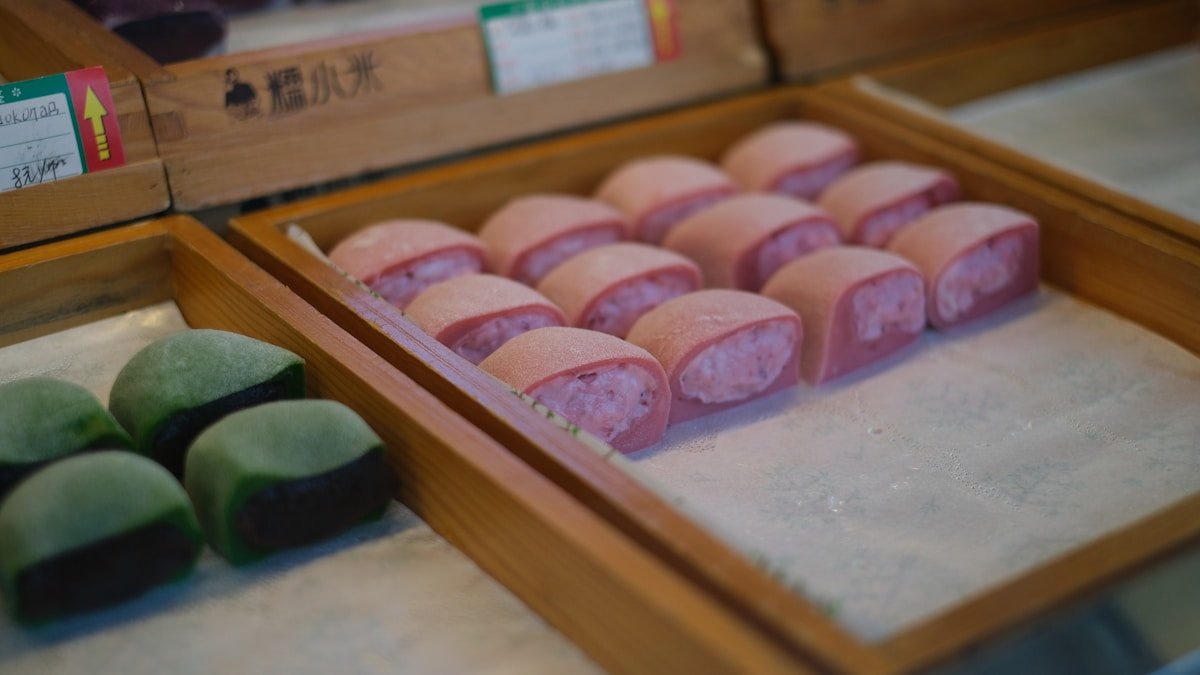
Nikko yuba manju: A steamed bun filled with red bean paste and incorporating yuba powder in the bun wrapper - a local variation on the standard manju. Slightly chewy, delicately flavoured. Sold from confectionery shops on the shrine approach road for approximately ¥150–¥200 each.
Karinto manju: A deep-fried manju coated in sugar - crisp exterior, sweet bean filling. Sold warm from several stalls. Approximately ¥120–¥150 each.
Nikko castella: Soft sponge cake in small portions, available in plain and matcha varieties. The local brands use eggs from Tochigi farms and have a denser crumb than Tokyo versions. Good as a gift.
For restaurants, see our best restaurants in Nikko guide. For sightseeing and day trips, see the Nikko travel guide.
Where to stay: Search hotels in Nikko on Booking.com
See also: Things to do in Nikko · Where to stay in Nikko · Day trips from Nikko · Hakone vs Nikko · Kanto region guide