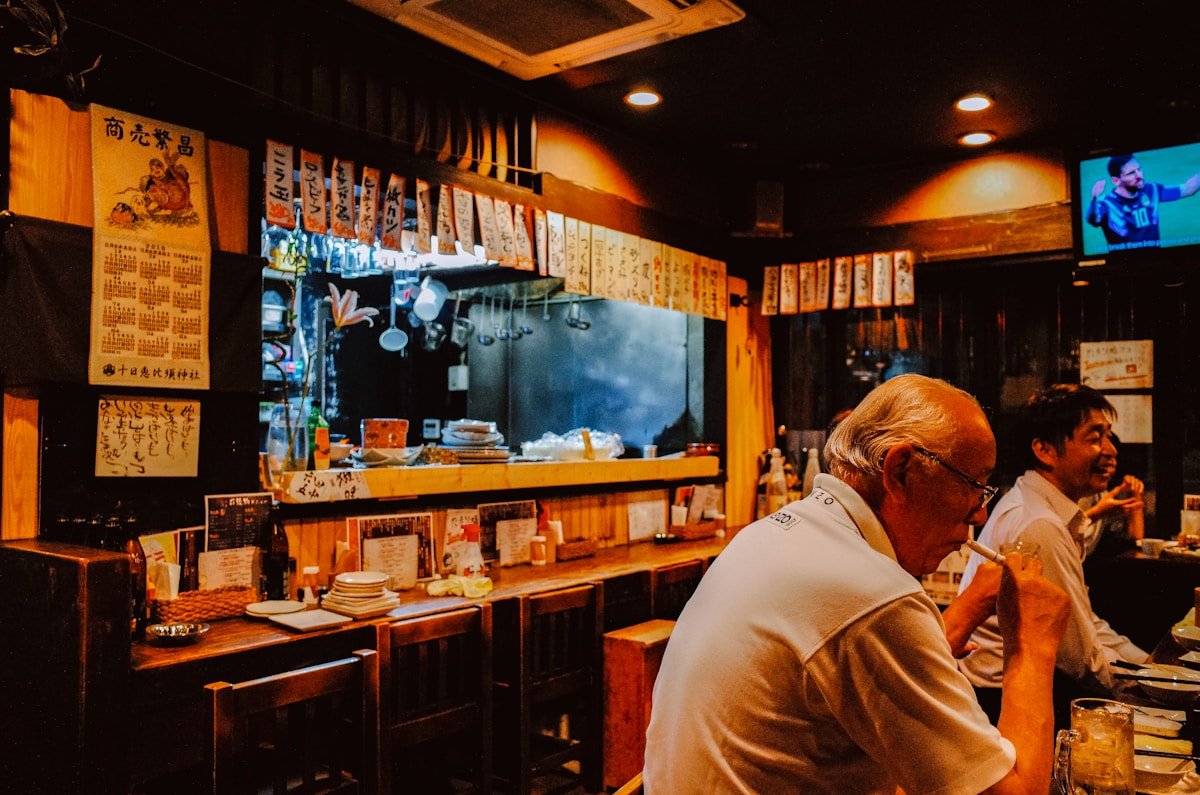
Nikko’s culinary identity is shaped by the mountain environment and the town’s long history as a Buddhist temple complex. The Rinno-ji monks’ tradition of vegetarian cooking, sustained through centuries of religious dietary restrictions, produced a local cuisine based on mountain vegetables, river fish, tofu, and yuba (tofu skin). The result is a distinctive food culture - lighter and more vegetable-forward than urban Japanese cooking - suited to the mountain setting.
1. Gyoshintei (yuba kaiseki)
Price: From approximately ¥3,000 for lunch; ¥5,000–¥8,000 for dinner | Hours: 11:30am–2pm, 5:30pm–8pm | Location: Near Nikko Tosho-gu, in the temple district
Gyoshintei is the most celebrated yuba specialist in Nikko, serving shojin ryori - Buddhist vegetarian cuisine - with yuba as the centrepiece. A lunch course includes yuba in multiple preparations: fresh yuba rolled around filling, yuba simmered in dashi, yuba-topped rice, and yuba soup. The cooking is refined and the ingredients high quality, with seasonal mountain vegetables complementing the tofu skin dishes.
The traditional tatami room setting requires removing shoes; private rooms are available for group bookings. A mid-range lunch course costs approximately ¥3,500–¥4,500 with tea. Reservations recommended.
2. Hippari Dako (soba)
Price: Approximately ¥900–¥1,400 | Hours: 11am–4pm (or sell-out; closed irregular days) | Location: Short walk from Nikko Station toward the shrine
A small, well-regarded soba shop using hand-cut buckwheat noodles prepared daily. The standard offering is mori soba (cold, served on a bamboo tray with dipping broth) or kake soba (hot, in broth). A yuba topping (approximately ¥200 extra) adds the local speciality to the bowl. The noodles have a distinct buckwheat flavour - properly nutty and slightly rough-textured - characteristic of good handmade soba.
The restaurant seats around 15 people; queues are common at lunch on weekends. Arrive before noon or after 2pm for the shortest wait.
3. Meiji no Yakata
Price: From approximately ¥1,500 for lunch; ¥4,000–¥8,000 for dinner | Hours: 11:30am–3pm, 5pm–8pm | Location: Near the Futarasan Shrine, within the shrine precinct
Meiji no Yakata occupies a 19th-century Western-style building that served as a villa for American diplomat Lewis Bush during the Meiji era. The restaurant serves a fusion of Western and Japanese cooking that reflects Nikko’s Meiji-period reputation as a summer resort for foreign diplomats.
The lunch menu includes a beef stew (approximately ¥1,800), trout in wine sauce, and a yuba and mountain vegetable platter. The historic building and garden setting are as much the appeal as the food itself - the interior is original dark wood panelling with views of the cedar forest. Dinner is more elaborate and significantly more expensive.
4. Masudaya (yuba tofu shop and café)
Price: Approximately ¥1,200–¥2,000 for a yuba set | Hours: 10am–5pm | Location: Main shopping street approaching the shrines
Masudaya is a combined yuba producer, shop, and casual restaurant. The yuba is made fresh each morning and sold both as a food product (packaged for travel) and served in simple preparations in the attached café: yuba donburi (yuba over rice with dashi, approximately ¥1,200), yuba soba, and yuba miso soup sets.
It is the most accessible introduction to yuba for visitors who want to try the ingredient without committing to a full yuba kaiseki course. The café seating is simple, and the yuba quality is reliable - the fresh yuba here has a clean soy flavour and silky texture that packaged or restaurant versions rarely match.
5. Niku no Mansei (grilled meat and mountain food)
Price: Approximately ¥1,500–¥3,000 | Hours: 11am–8pm | Location: Central Nikko town, 10 minutes from station
A more casual option serving grilled meats, tofu steak, and mountain vegetables alongside standard teishoku (set meal) options. The deer (shika) burger (approximately ¥1,200) uses venison from the surrounding Nikko National Park mountains - lean, with a mild gamey flavour. Not a vegetarian restaurant, but the mountain vegetables and mushroom dishes alongside the meat are good.
A reliable fallback for visitors who find the yuba specialist restaurants too expensive or too formal.
6. Lake Chuzenji Restaurants
At the top of the Iroha-zaka switchback road, the Chuzenji-onsen lakefront has several restaurants:
Chuzenji Kanaya Hotel Restaurant (from approximately ¥2,000 for lunch): The historic hotel opened in 1893 and retains a Meiji-era charm. The lake trout (yamame) or rainbow trout (nijimasu) grilled over charcoal are the best option - the fish are sourced directly from the lake and served simply. The lakefront veranda is worth the price premium for the view.
Ryuzu Falls Café (near Ryuzu Falls on the lake’s north shore): A simple café near the waterfall serving hot drinks and light snacks. No full meals. Good for a coffee break between the falls and the Senjogahara marshland walk.
See Nikko through its food: Food and cultural tours in Nikko often include market visits, tastings, and dishes you’d never find independently.
Take a Guided Food Tour of Nikko
Nikko’s food identity centres on yuba - the delicate skin that forms when soy milk is heated, peeled in thin sheets, and served fresh or dried in a dozen preparations. Nikko produces Japan’s finest yuba, and every serious restaurant in the town offers it as sashimi, simmered in dashi, or in a multi-course set meal. The mountain setting also means excellent soba from locally grown buckwheat, matsutake mushrooms in autumn, and river fish including iwana (char) and yamame (trout) caught from the streams of Nikko National Park. A guided food walk covers the yuba tradition, the soba culture, and the forested setting that makes Nikko’s ingredients distinct from anything you’d find in a city.
Guided food tours in Nikko take you beyond tourist-obvious spots - local guides know which stall has the freshest yuba, where to find the best soba, and how to navigate an all-Japanese menu.
Practical Notes
- The area immediately outside Nikko Station has a cluster of convenience stores (7-Eleven, Lawson) useful for early breakfasts or late arrivals - the shrine-area restaurants typically open no earlier than 10:30am.
- The covered shopping arcade between the station and the shrine (Honmachi street) has several souvenir-oriented restaurants that are less authentic but practical for quick lunches.
For sightseeing in Nikko, see our Nikko travel guide. For day trips from Nikko, see our day trips from Nikko guide.
See also: Food to try in Nikko · Things to do in Nikko · Where to stay in Nikko · Hakone vs Nikko · Kanto region guide
Search hotels in Nikko: browse stays in Nikko