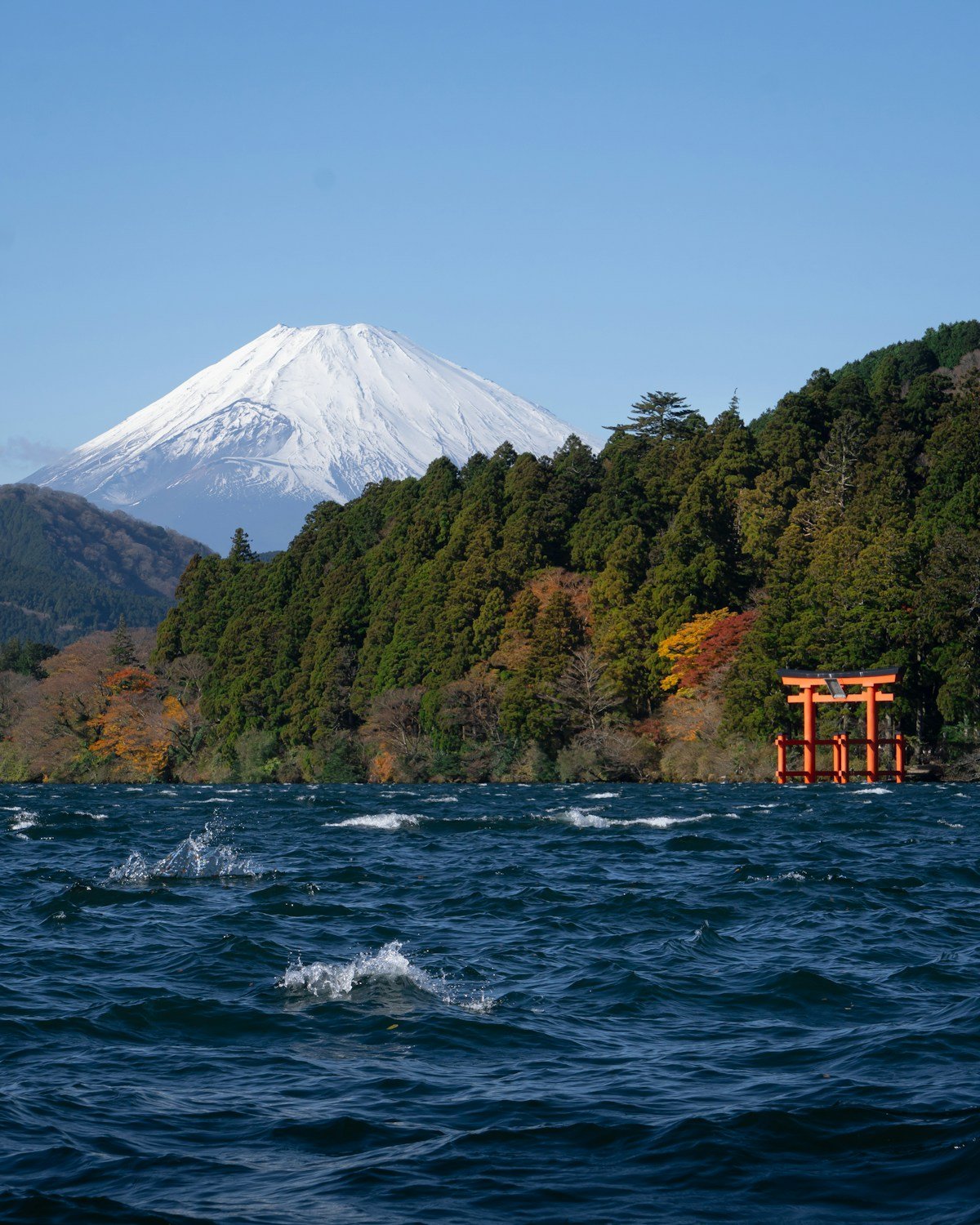
Hakone and Nikko are Tokyo’s two most popular day trips and both are within 2 hours by direct train. Hakone is about Mount Fuji, hot springs, and volcanic landscapes. Nikko is about Tosho-gu - the most elaborate Edo-era shrine complex in Japan, a world of gilded carvings, lacquered gates, and cedars. Both are extraordinary. Here’s how to choose.
Quick Verdict
| Category | Hakone Wins | Nikko Wins |
|---|---|---|
| Mount Fuji views | Yes | - |
| Onsen and hot springs | Yes | - |
| Shrine architecture | - | Yes |
| Volcanic landscapes | Yes | - |
| Waterfalls | - | Yes (Kegon Falls) |
| Ryokan stays | Yes | - |
| Buddhist temples | - | Yes |
| Ease of day trip | Yes (Free Pass) | Yes (World Heritage Pass) |
| Autumn foliage | Both excellent | - |
| UNESCO World Heritage | - | Yes |
Hakone wins for natural scenery, onsen culture, and Mount Fuji views. Nikko wins for shrine architecture, UNESCO heritage, and elaborate Edo-era craftsmanship.
Getting There from Tokyo
Hakone from Shinjuku: Romancecar limited express (Odakyu Line) takes 85 minutes to Hakone-Yumoto station (approximately ¥2,470 for the reserved seat supplement, plus base fare). Regular express takes 95 minutes for approximately ¥870. The Hakone Free Pass (approximately ¥6,100 from Shinjuku, ¥5,000 from Odawara as of 2026) is the essential purchase - it covers return transport plus the Hakone Ropeway, Hakone Tozan Cable Car, Hakone Tozan Bus, and Hakone Lake Cruise. Buy the Hakone Free Pass on Klook to secure it before arriving. Non-JR Pass holders: Odakyu’s package is the best value. JR Pass holders: take the shinkansen to Odawara (35 minutes from Tokyo, ¥3,970 - or free with JR Pass) then local services to Hakone.
Nikko from Asakusa/Shinjuku: Tobu Limited Express “Spacia” takes 1 hour 50 minutes from Asakusa station (approximately ¥2,700 for the reserved seat fee plus base fare). The Nikko World Heritage Pass (approximately ¥2,600 from Asakusa as of 2026) covers return transport from Asakusa plus unlimited Tobu bus use within Nikko. JR Pass holders: take the JR Tohoku Shinkansen to Utsunomiya (50 minutes from Tokyo Station, covered by Pass) then the JR Nikko Line (45 minutes, approximately ¥760).
Hakone: What to Expect
Hakone occupies a volcanic caldera southwest of Tokyo in Kanagawa Prefecture. The area’s geology creates the hot springs that feed dozens of ryokan and onsen facilities - and occasionally closes the central Owakudani area (the active volcanic valley) when sulphur levels are elevated.
The classic Hakone circuit moves in a loop: cable car up from Hakone-Yumoto, ropeway over Owakudani’s volcanic vents (where black eggs cooked in the sulphur springs are sold for ¥500 for five - each egg supposedly adds seven years to your life), then down to Lake Ashi for the cruise to Moto-Hakone or Hakone-machi.
Lake Ashi (Ashinoko) is the centrepiece of Hakone’s scenery. The pirate ship cruise (covered by Hakone Free Pass) crosses the lake in 30 minutes; Fuji rises beyond the far shore on clear days. At Moto-Hakone pier, a torii gate (shrine gate) standing in the lake replicates the floating gate effect of Miyajima.
Owakudani (Great Boiling Valley) is the most dramatic volcanic landscape in Hakone - a scarred hillside of steam vents, sulphur deposits, and boiling pools. Entry to the Owakudani area is free (covered by Hakone Free Pass for the ropeway access); the black egg stall at the cable car station top is the main food stop.
Onsen options: the most accessible without staying overnight are the public bathhouses. Tenzan Tohji-kyo in Hakone-Yumoto is a mid-range public onsen facility (entry approximately ¥1,300 as of 2026) with a range of indoor and outdoor baths. No tattoos policy (as with most onsen). Towel rental approximately ¥300.
The Hakone Open Air Museum (entry approximately ¥1,600 as of 2026) near Chokoku-no-Mori station holds Japan’s best outdoor sculpture collection - 120 works including a dedicated Picasso pavilion. Allow 2 hours.
Nikko: What to Expect
Nikko sits 2 hours north of Tokyo in the mountains of Tochigi Prefecture. The town itself is modest; the concentration of shrines and temples - a UNESCO World Heritage Site since 1999 - is anything but.
Tosho-gu is the mausoleum of Tokugawa Ieyasu, the shogun who unified Japan in 1603. The complex was constructed between 1634–1636 during the reign of the third shogun, Iemitsu, who ordered its elaboration as a posthumous tribute. The result is one of Japan’s most ornate structures: a 5-storey pagoda, Yomei-mon gate (covered with 508 individual carvings), the famous “see no evil, hear no evil, speak no evil” monkey carving above the sacred horse stable, and the sleeping cat (Nemuri-neko) carving at the entrance to the inner precincts.
Entry to the Tosho-gu outer precinct costs ¥1,300; the inner precincts (Naishaden and Ieyasu’s tomb) cost an additional ¥520. The combined Nikko World Heritage Site ticket (covering Tosho-gu, Rinno-ji temple, and Futarasan shrine) costs approximately ¥2,750 and is better value for a thorough visit.
Rinno-ji (Sanbutsudo hall, approximately 200 metres from Tosho-gu) houses three 8-metre gilt Buddhist statues - the most impressive Buddhist interior in Nikko. Entry ¥400 (additional to the combined ticket).
Kegon Falls is a 97-metre waterfall a 5-minute bus ride from the Nikko shrine area (Tobu Nikko Bus to Chuzenji Onsen, approximately 45 minutes from central Nikko; bus stop at Kegon Falls). The falls view platform is free; the elevator to the lower viewing platform costs ¥570. In autumn (mid-October to early November), the surrounding maple foliage is spectacular.
Shinkyo Bridge - the red lacquered sacred bridge at the entrance to Nikko from the station - marks the start of the World Heritage approach. Walking across it costs ¥300; the view from the road bridge alongside is free.
Food
Hakone’s eating options are built around the ryokan dinner culture - multi-course kaiseki meals are included in most overnight stays. For day-trippers, Hakone-Yumoto has the best concentration of casual options near the station: soba restaurants serve warm buckwheat noodles (¥900–1,400), and the black egg stall at Owakudani is the essential snack. The Prince Hotel at Lake Ashi has a restaurant with Fuji views; lunch sets run approximately ¥1,800–3,000.
Nikko’s speciality is yuba - the delicate skin that forms on simmering tofu milk, a by-product of tofu production that Nikko’s Buddhist temple cuisine elevated into a delicacy. Yuba dishes are available throughout the town: yuba sashimi (raw, dipped in soy), yuba dengaku (grilled with miso), and yuba ramen (¥1,100–1,500). Meiji-no-Yakata (a 1902 Western-style building near Tosho-gu) serves French-Japanese fusion in a historic setting; lunch from approximately ¥2,500.
Accommodation
Hakone has the best ryokan selection within day-trip range of Tokyo.
- Gora Kadan: the prestige option, a converted imperial villa, from approximately ¥80,000 per person including dinner - advance booking essential
- Fujiya Hotel: Japan’s oldest Western-style resort hotel (1878), from approximately ¥35,000; the property itself is a historical artefact
- Kowakien Tenyu: mid-range, good indoor/outdoor onsen, from approximately ¥30,000 per person with dinner
- Hakone Tent: design-forward boutique guesthouse, from approximately ¥18,000 per person
Nikko ryokan:
- Nikko Kanaya Hotel: a 1873 heritage hotel that hosted multiple US presidents, from approximately ¥30,000 per room
- Turtle Inn Nikko: budget guesthouse, well-located, from approximately ¥8,000 per room
Ready to book? Compare flights to Japan - prices and routes vary significantly depending on your departure city. Tours and activities across Japan cover both destinations covered in this comparison. Travel insurance for Japan is worth arranging before you commit to bookings.
The Verdict
Choose Hakone if:
- Mount Fuji views are a priority
- You want an onsen/ryokan experience within easy reach of Tokyo
- You prefer natural scenery over historic architecture
- You’re staying overnight to escape city heat
Choose Nikko if:
- Elaborate shrine and temple architecture is the draw
- You want Japan’s finest example of Edo-era decorative craft
- You’re doing a focused historical day trip
- Autumn foliage in a mountain temple setting is the goal
Both work extremely well as combined overnight trips from Tokyo - Hakone on one night, Nikko on another - within a standard two-week Japan itinerary. See our two weeks Japan itinerary for how to structure both.
See also: Hakone travel guide · Things to do in Hakone · Where to stay in Hakone · Nikko travel guide · Things to do in Nikko · Kanto region guide · Mount Fuji climb guide · Best tours in Hakone · Nara vs Kamakura · Tokyo vs Osaka
Plan Your Trip
- Flights - Find the best fares to Japan
- Hotels - Hotels in Hakone · Hotels in Nikko
- Travel Insurance - Get covered before you go
- eSIM - Stay connected from landing
- Car Rental - Compare prices across providers
- Tours and activities - Browse experiences on GetYourGuide