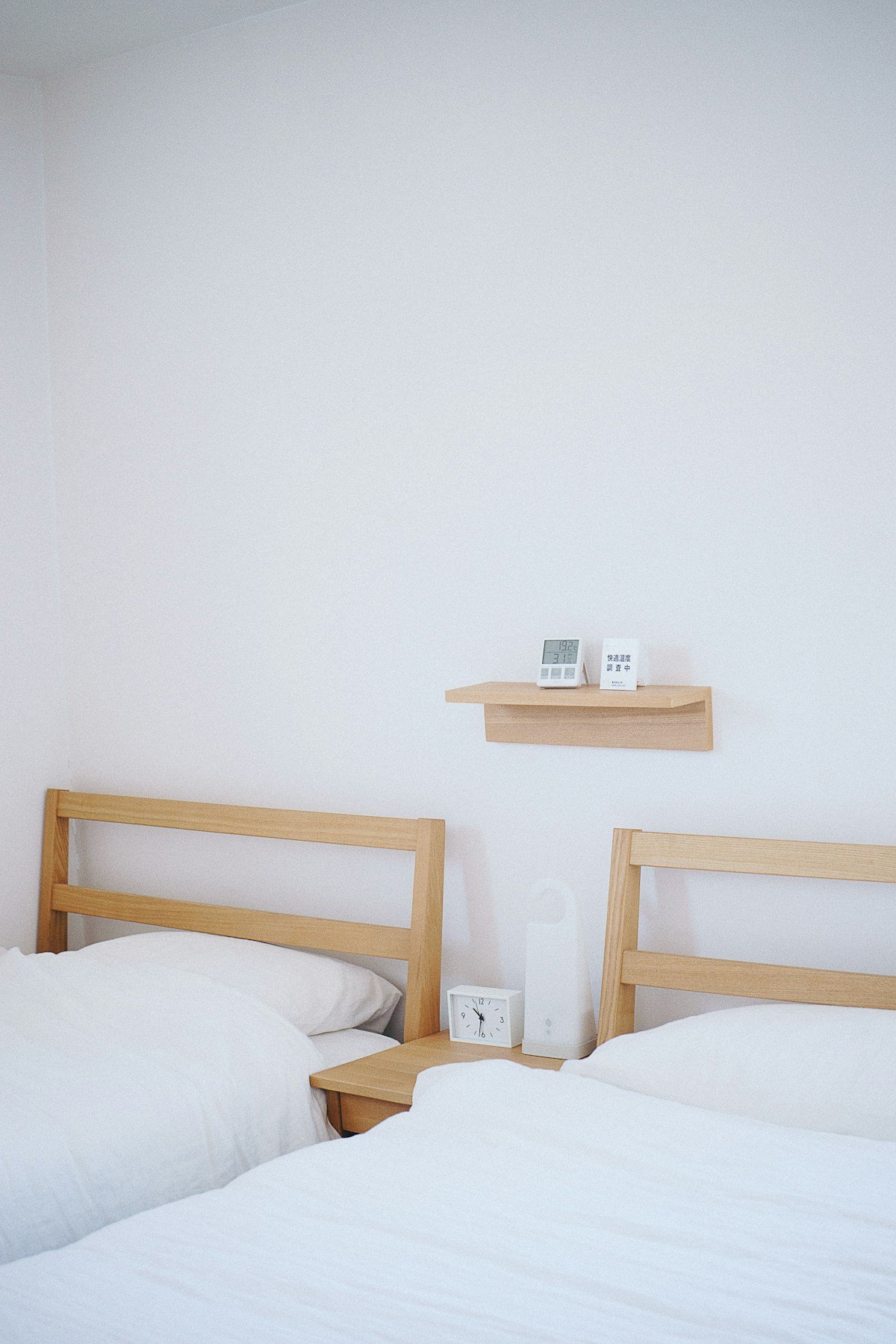
Nagoya is Japan’s fourth-largest city by population and the industrial and commercial centre of the Chubu region. It is also, for most international travellers, underrated - Nagoya Castle, one of Japan’s most impressive, is undergoing substantial restoration; the Meiji Mura open-air museum and Inuyama Castle are within day-trip range; and the city’s local food culture is genuinely distinctive. The accommodation market divides primarily between the Nagoya Station zone in the west and the Sakae entertainment district 2 kilometres to the east. Search hotels in Nagoya on Booking.com
Neighbourhood Guide
Nagoya Station Area - Transport Hub
The precinct around Nagoya’s main station is dominated by two towers - the JR Towers (which include the Marriott Associa Nagoya high above the station) and the adjacent Mode Gakuen Spiral Tower. The station connects to the Shinkansen (Tokyo 85 minutes, Osaka 50 minutes), the Meitetsu Airport Line, and the city’s subway network. Business hotels cluster within a 10-minute walk in every direction.
Who it suits: Business travellers; those making day trips by Shinkansen; visitors connecting through Centrair Airport; Shinkansen arrivals who want a straightforward transfer.
Accommodation:
- Budget business hotels: approximately ¥7,000–¥11,000 (~$47–$73) - Toyoko Inn Nagoya Eki Shinkansenguchi, APA Hotel Nagoya Eki Mae
- Mid-range: approximately ¥13,000–¥22,000 (~$87–$147) - Dormy Inn Nagoya, Daiwa Roynet Hotel Nagoya Ekimae
- Luxury: approximately ¥30,000–¥60,000+ (~$200–$400+) - JW Marriott Hotel Nagoya (from approx ¥45,000), Nagoya Marriott Associa Hotel
Sakae - Nightlife and Shopping
Sakae is the commercial heart of modern Nagoya - Nagoya TV Tower, Oasis 21 (the futuristic glass canopy public space), Hisaya Odori Park, and the city’s densest concentration of department stores, restaurants, and bars are all centred here. The Higashiyama and Meijo subway lines intersect at Sakae Station, providing direct access to Nagoya Castle and Nagoya University.
Who it suits: Leisure travellers prioritising nightlife and restaurants; those interested in Nagoya’s modern urban culture; shoppers.
Accommodation:
- Budget: approximately ¥7,000–¥11,000 (~$47–$73) - Comfort Hotel Nagoya Sakae, Super Hotel Nagoya-Sakae
- Mid-range: approximately ¥13,000–¥23,000 (~$87–$153) - Mercure Hotel Nagoya, Remm Nagoya
- Luxury: approximately ¥28,000–¥50,000+ (~$187–$333+) - Hilton Nagoya (from approx ¥28,000), Westin Nagoya Castle (from approx ¥32,000)
Fushimi - Quieter Central Option
Fushimi Station sits on the Higashiyama subway line between Nagoya Station and Sakae - roughly equidistant from both. The immediate neighbourhood is a mix of office towers and quieter streets, and accommodation here tends to be slightly less busy than the two main hubs while maintaining good connectivity. Nagoya Castle is about 10 minutes north by subway.
Who it suits: Travellers who want a quieter central base; those who don’t want to commit to either the station or Sakae density.
Accommodation:
- Mid-range: approximately ¥12,000–¥22,000 (~$80–$147) - Nagoya Kanko Hotel (historic property, refined aesthetic), Hotel Monterey Nagoya
- Luxury: approximately ¥30,000–¥45,000+ (~$200–$300+) - Westin Nagoya Castle (near castle area)
Area Comparison Table
| Area | Best for | Budget (¥/night) | Mid-range (¥/night) | Luxury (¥/night) |
|---|---|---|---|---|
| Nagoya Station | Transport, business, convenience | ¥7,000–¥11,000 | ¥13,000–¥22,000 | ¥30,000+ |
| Sakae | Nightlife, shopping, dining | ¥7,000–¥11,000 | ¥13,000–¥23,000 | ¥28,000+ |
| Fushimi | Quiet centre, castle access | Not recommended | ¥12,000–¥22,000 | ¥30,000+ |
Accommodation Types
Budget Business Hotels (¥7,000–¥11,000 / ~$47–$73)
Nagoya’s budget hotel market is competitive. Toyoko Inn operates multiple properties near Nagoya Station with clean, compact rooms from approximately ¥7,500 as of 2026. APA Hotel Nagoya Eki Mae is consistently well-rated for the Shinkansen-exit location and has rooms from approximately ¥8,000. In Sakae, Super Hotel Nagoya-Sakae provides natural hot spring baths and free breakfast - good value at around ¥8,500 for a double.
Mid-Range Hotels (¥12,000–¥23,000 / ~$80–$153)
Dormy Inn Nagoya near the station is one of the city’s best-value mid-range options - the chain’s signature communal natural hot spring bath is open late, and the included breakfast buffet features local Nagoya dishes including miso soup and local pickles. Rooms from approximately ¥13,000 as of 2026. Mercure Hotel Nagoya in Sakae provides a reliable international standard at approximately ¥14,000–¥22,000. Nagoya Kanko Hotel in Fushimi has operated since 1936 and maintains a more traditional atmosphere than the business hotel chains, with rooms from approximately ¥15,000.
Luxury Hotels (¥28,000–¥60,000+ / ~$187–$400+)
JW Marriott Hotel Nagoya opened in 2020 in the Meieki area and is currently the most polished luxury property in the city, with rooms from approximately ¥45,000 as of 2026. The Nagoya Marriott Associa - occupying floors 14–52 of the JR Central Towers directly above the station - has rooms from approximately ¥30,000 with city views from most floors. Hilton Nagoya in Sakae is the best-known luxury property in the entertainment district, operating since 1989, with rooms from approximately ¥28,000.
Getting to Nagoya? Compare flights to Japan to find the best international connection. Travel insurance for Japan covers delays, cancellations, and medical costs - worth sorting before you finalise accommodation bookings. An Airalo eSIM for Japan means you have mobile data and maps from the moment you land.
Booking Tips
Atsuta Festival (June 5): Held at Atsuta Shrine - one of the most important Shinto shrines in Japan - this festival draws large crowds and fills accommodation across the city on that date. Book well in advance if your travel coincides.
Toyota Museum and Meiji Mura day trips: Both are best reached by private line from Nagoya Station (Meitetsu for Inuyama; bus for Meiji Mura from Inuyama Station). Staying near Nagoya Station is slightly more efficient for these excursions.
Cherry blossom at Nagoya Castle (late March to early April): The moat around the castle is lined with cherry trees and is one of the more scenic blossom spots in central Japan. Book two to three months ahead if your dates fall in this window.
Business travel demand: Nagoya is a manufacturing and automotive industry hub. Business hotels near Nagoya Station fill quickly on weekdays, with rates that can be 15–25 percent higher Monday through Thursday than on weekends. Leisure travellers staying at weekends often find better rates than the equivalent Tokyo or Osaka properties.
See also: Nagoya travel guide · Things to do in Nagoya · Best restaurants in Nagoya · Chubu region guide · Nagoya long-stay guide