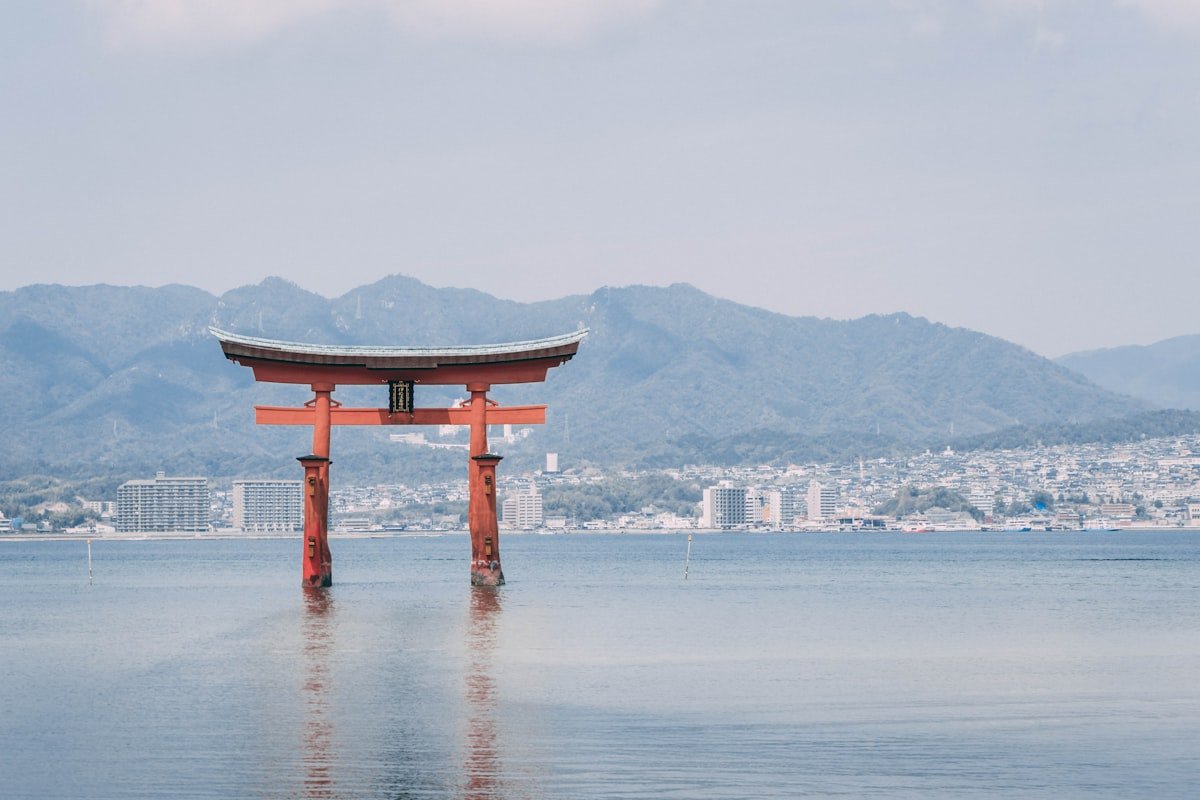
Miyajima (formally Itsukushima) is a 30 sq km island in Hiroshima Bay and one of Japan’s most photographed places - the cinnabar torii gate of Itsukushima Shrine appears to float in the sea at high tide. The island is traffic-free; private vehicles are not permitted. Transport is by ferry, on foot, or (to reach Mount Misen) by ropeway.
Getting to Miyajima from Hiroshima
Route 1: JR Train + JR Ferry (recommended, especially for JR Pass holders)
The fastest, most economical route from Hiroshima.
| Leg | Service | Journey Time | Fare (approx, 2026) |
|---|---|---|---|
| Hiroshima → Miyajimaguchi | JR San-yo Line (local) | 26 min | ¥410 |
| Miyajimaguchi Pier → Miyajima Pier | JR Miyajima Ferry | 10 min | ¥200 |
| Total | ~40 min | ¥610 |
JR Pass: Covers both the JR train and the JR Miyajima Ferry (the JR-operated service). Show your pass at the ferry gate to board without a ticket.
At Miyajimaguchi: Exit Miyajimaguchi Station and walk 5 minutes straight ahead to the ferry pier. Two operators run the 10-minute crossing - the JR Ferry and the Matsudai Ferry. Both charge approximately ¥200; only the JR Ferry is covered by the JR Pass.
Route 2: Hiroshima Electric Railway (Hiroden Tram) + Ferry
The scenic alternative, passing through Hiroshima’s city tram network.
- Hiroshima city centre (Hiroshima Station tram stop) → Miyajimaguchi-eki-mae: approximately 70 minutes, ¥450 as of 2026 (Route 2)
- Walk 5 minutes to the ferry pier
- Ferry crossing: approximately ¥200 (Matsudai Ferry - NOT JR Ferry, so JR Pass not applicable)
Slower but requires no transfers and offers a view of Hiroshima’s rebuilt streets. Hiroden trams are not covered by the JR Pass.
For private transfers from Hiroshima hotels or Hiroshima Airport directly to the Miyajimaguchi ferry pier, Kiwitaxi offers flat-rate bookings.
On the Island: Getting Around
Miyajima is entirely car-free. Transport options are limited to:
1. Walking
Walking is the primary mode of transport and the most rewarding. The main corridor from the ferry pier to the shrine complex is approximately 600m - a flat, pleasant approach lined with maple trees (spectacular in autumn), souvenir shops, and roaming deer.
Key walking distances from the ferry pier:
| Sight | Walking Time |
|---|---|
| Itsukushima Shrine entrance | 10 min |
| Torii Gate (from shrine) | 5 min |
| Senjokaku Pavilion | 10 min |
| Daisho-in Temple | 15 min |
| Momijidani Park (ropeway base) | 20 min |
| Mount Misen summit (via ropeway) | 45 min total (ropeway + walk) |
| Mount Misen summit (all walking) | 2 hr each way |
2. Miyajima Ropeway
The ropeway ascends from Momijidani Park to near the summit of Mount Misen in two linked sections.
- Lower station: Momijidani-koen (Momijidani Park) - 20 minutes on foot from the ferry pier
- Upper station: Shishiiwa (獅子岩) - panoramic platform with views of Seto Inland Sea
- Journey time: Approximately 15 minutes per section (transfer at Kayatani midpoint)
- Operating hours: 09:00–17:00 (last ascent 16:15; reduced in winter)
- Fare (approx, 2026): ¥2,000 adult return / ¥1,100 one-way
- Summit walk: From Shishiiwa upper station to the Misen summit (530m) is approximately 30 minutes on foot, with several stone Buddhist halls and Misen’s sacred eternal flame along the route.
The ropeway can have queues exceeding 45 minutes during peak periods (October autumn foliage; spring cherry blossom). Arrive early or after 14:00 to avoid the longest waits.
3. Deer
While not a transport mode, Miyajima’s deer population (approximately 500 animals) is unavoidable and intrinsic to the island experience. They concentrate near the shrine approach, the shopping street, and the ferry terminal. They are bold, unafraid of people, and will investigate bags and pockets with determination. Keeping food sealed and bags closed is the primary practical precaution.
The Torii Gate: Tide Timing
Itsukushima Shrine’s iconic torii gate (rebuilt 1875; the current structure is the 8th on this site) stands approximately 200m offshore in the bay. Its experience changes dramatically with the tide:
High tide: The gate appears to float, shrine corridors extend over water, and the reflection shot is possible. Best for photography, especially at sunset. Low tide: The bay recedes to mud flats; you can walk out to the gate base and touch it. Visitors queue to walk beneath the torii at low tide.
Tide tables: Available at the Hiroshima Tourism & Convention Bureau (hiroshima-navi.or.jp) and printed at tourist information desks at both Hiroshima Station and Miyajimaguchi Station. Plan your visit arrival time around the tide if the photo opportunity matters.
Day Trip vs Overnight
Day trip: Most visitors arrive from Hiroshima on a day trip. Allow a minimum of 4 hours on the island to comfortably cover the shrine, torii gate, Daisho-in Temple, and the ropeway.
Overnight: Staying on Miyajima allows experiencing the shrine in early morning (before day-trippers arrive) and after 17:00 (when the ferry crowds thin dramatically). Sunset over the torii from the island’s waterfront is one of Japan’s finest views. Several ryokan operate on the island, mostly in the mid-to-high price range (from approximately ¥25,000 per person with dinner and breakfast as of 2026).
Facilities at the Ferry Pier
The Miyajima ferry pier has coin lockers for storing luggage while you explore (approximately ¥300–¥600 per day as of 2026). This is strongly recommended - the island’s stone paths and slopes are easier to navigate without heavy bags.
Staying Near Miyajima (Mainland Side)
If budget concerns make island accommodation impractical, hotels in the Miyajimaguchi area or in Hiroshima city are both practical bases. Miyajimaguchi has several business hotels within 10 minutes of the ferry pier.
Practical Notes
- Entry fee: As of 2024, Miyajima island charges a visitor fee of ¥300 per person collected at the ferry. Confirm current status at the ferry counter.
- No cars: No private vehicles. The island has no taxis or buses.
- Oyster season: Miyajima’s oysters (grilled, fried, in rice) are at peak quality October–April. The grilled oyster stalls near the shopping street are an unmissable lunch stop.
- Maple leaf momiji manju: The island’s signature sweet - a maple-leaf-shaped cake filled with red bean paste. Buy hot from bakery windows on the main approach street.
Transport essentials for Miyajima: The Japan Rail Pass covers the JR train from Hiroshima and the JR Miyajima Ferry - this is one of the most cost-effective pass uses in Japan given Miyajima’s universal inclusion in Japan itineraries. For private transfer from Hiroshima hotels directly to the Miyajimaguchi ferry pier, Kiwitaxi provides a convenient alternative to trains.
Plan Your Trip
- Flights - Find the best fares to Japan
- Hotels - Search hotels in Miyajima on Booking.com
- Travel Insurance - Get covered before you go
- eSIM - Stay connected from landing
- Car Rental - Compare prices across providers
See also: Miyajima travel guide · Things to do in Miyajima · Hiroshima travel guide · Getting around Japan · Japan Rail Pass guide