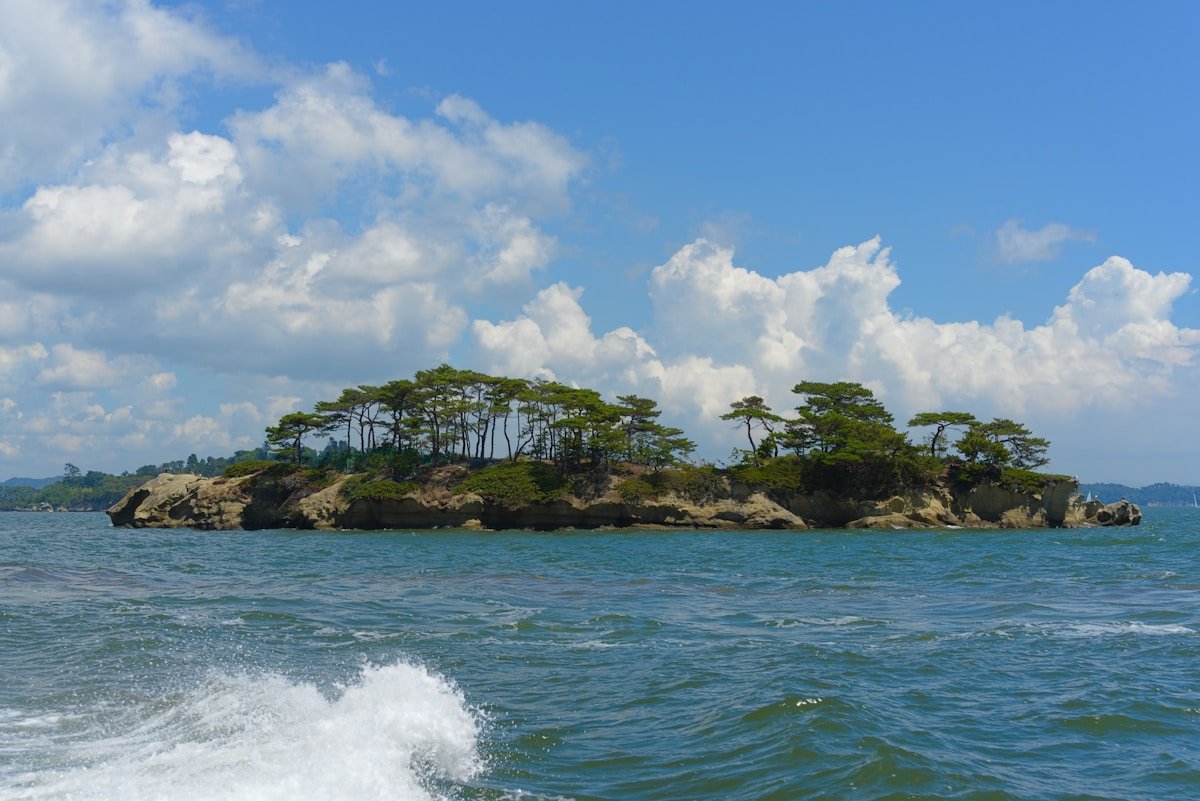
Matsushima is primarily a day-trip destination, and the eating scene reflects this: the harbour strip is built around oysters, seafood sets, and quick-service lunch options aimed at the large volume of visitors who arrive in the morning and leave in the afternoon. But within that framework, the quality of the raw ingredients - Matsushima Bay oysters, Pacific seafood from nearby Ishinomaki, and Tohoku mountain vegetables - gives the best restaurants something genuine to work with.
Harbourfront Oyster Stalls
The most accessible and authentic way to eat in Matsushima is at the charcoal stalls along the harbourfront between Godaido Hall and the ferry pier. Half a dozen vendors operate small grilling setups where oysters (kaki) from the bay are opened and cooked over charcoal in the shell, then served with a squeeze of lemon and soy dipping sauce.
A single grilled oyster costs approximately ¥300–¥500 as of 2026; most visitors eat three to five pieces as a snack. The oysters from Matsushima Bay are small to medium in size compared with some Pacific varieties, with a concentrated, briny sweetness and a firm texture. They are at their absolute best between November and February, when cold water temperatures slow growth and concentrate flavour. The stalls are informal and require no advance planning - walk up, point, pay, and eat.
Saikanso
One of Matsushima’s landmark ryokan, Saikanso occupies a prime bayfront position and has a dining room that accepts reservations from non-staying guests for kaiseki lunch courses. The cuisine is rooted in Date clan culinary traditions - dishes shaped by the taste preferences of Date Masamune, the powerful Sendai domain lord who controlled this region in the early 1600s and was known as an enthusiastic patron of food culture.
The kaiseki course (approximately ¥6,000–¥12,000 per person as of 2026, advance reservation required) typically includes sashimi of bay flatfish and sea bream, seasonal Tohoku mountain vegetables, a seafood hot pot, and a dessert course using local rice and seasonal fruit. The dining room faces the bay and the pine islands, and the view at lunch is part of what the price includes. Saikanso’s location and standing make it the most reliable destination for a formal meal in Matsushima.
Matsukawa
A well-regarded seafood restaurant with a straightforward harbourside setup, Matsukawa serves lunch sets built around the day’s catch from Ishinomaki port and the surrounding Miyagi coast. The standard kaki-don (oyster rice bowl, approximately ¥1,600 as of 2026) comes with a miso soup and pickles; the larger kaki-furai set (three battered and fried oysters, rice, miso soup, salad, approximately ¥1,800) is popular at lunch. The restaurant is a compact, no-frills space with plastic seats and direct views of the pier - the kind of place where the quality of the food rather than the decor is the point.
Open approximately 10:00am–3:00pm daily; waits develop on weekends between 11:30am and 1:30pm.
Mangoku
A family-run restaurant on the main street running parallel to the harbourfront, Mangoku specialises in Miyagi seafood and Tohoku comfort food alongside the expected oyster dishes. The menu includes kaisen-don (mixed seafood rice bowl, approximately ¥2,200 as of 2026), grilled mackerel (saba teishoku, approximately ¥1,300), and a warming kaki nabe (oyster hot pot for two, approximately ¥3,800) in season. The hot pot is particularly worth ordering in winter - a cast iron pot of clear dashi, filled with Matsushima oysters, tofu, green onions, and shiitake mushrooms, served with a bowl of rice on the side.
Zuiganji Temple Restaurant (Hojuen)
The restaurant adjacent to Zuiganji temple serves shojin ryori - the Buddhist vegetarian cuisine associated with Zen temple tradition. Dishes are made without meat, fish, or alliums, using seasonal vegetables, tofu, sesame, and mountain plants. A shojin ryori lunch set (approximately ¥2,500–¥4,500 as of 2026) might include sesame tofu, simmered lotus root and burdock, pickled greens, miso soup, and rice. This is the right choice for visitors who want a meal connected to the temple context rather than the harbour oyster scene. Advance booking is recommended; the restaurant is not always open to walk-ins and hours vary by season.
Sasakamaboko Shops
Matsushima and the broader Miyagi region are known for sasakamaboko - fish paste moulded into the shape of a bamboo leaf (sasa) and grilled until lightly browned. Several small producers and shops along the main street sell sasakamaboko warm from the grill for approximately ¥150–¥300 per piece as of 2026. It is a snack rather than a meal - dense, mildly smoky, with a springy texture - but one of the most distinctively local things to eat while walking the town. Matsunaga Sasakamaboko near the station is well regarded; the pieces are cooked fresh throughout the day.
Harbour Teahouses
Two or three small teahouses near Kanrantei offer matcha and traditional sweets with bay views. A bowl of matcha with wagashi (traditional sweet) costs approximately ¥500–¥800 as of 2026. The most atmospheric of these is the teahouse within the Kanrantei pavilion grounds itself, which charges a small entry fee for the pavilion but includes matcha and a sweet in the price. The view across the pine islands from the terrace in the afternoon light is one of the finer places to sit with tea in Tohoku.
See Matsushima through its food: Food and cultural tours in Matsushima often include market visits, tastings, and dishes you’d never find independently.
Take a Guided Food Tour of Matsushima
Matsushima is one of Japan’s three canonical scenic views, but the bay also produces some of the country’s finest oysters - the sheltered, nutrient-rich waters of Matsushima Bay create a slow-growing, deeply flavoured oyster quite different from the Hiroshima variety. The signature local dish is kaki-don (oyster rice bowl), and the best versions are served at small harbourfront spots that open and close with the oyster season. A guided food experience around the bay connects the oyster farming heritage with the history of the pine islands - one of the more unusual food-and-landscape combinations in Japan.
Guided food tours in Matsushima take you beyond tourist-obvious spots - local guides know which stall has the freshest oysters, where to find the best kaki-don, and how to navigate an all-Japanese menu.
Practical Notes
Most restaurants in Matsushima cluster within a five-minute walk of Matsushima-Kaigan station along the harbourfront and the parallel main street. The peak lunch rush (11:30am–1:30pm) on weekends and national holidays sees queues at most popular spots. Arriving before 11:00am or after 2:00pm avoids most waits. Credit cards are accepted at larger restaurants and ryokan; cash remains preferred at stalls and smaller establishments. English menus are available at most harbour restaurants aimed at tourists.
See things to do in Matsushima for the bay cruise and temple visits, and where to stay in Matsushima for ryokan options with included dinner.
See also: Matsushima travel guide · Food to try in Matsushima · Day trips from Matsushima · Sendai travel guide · Tohoku region guide
Search hotels in Matsushima: browse stays in Matsushima