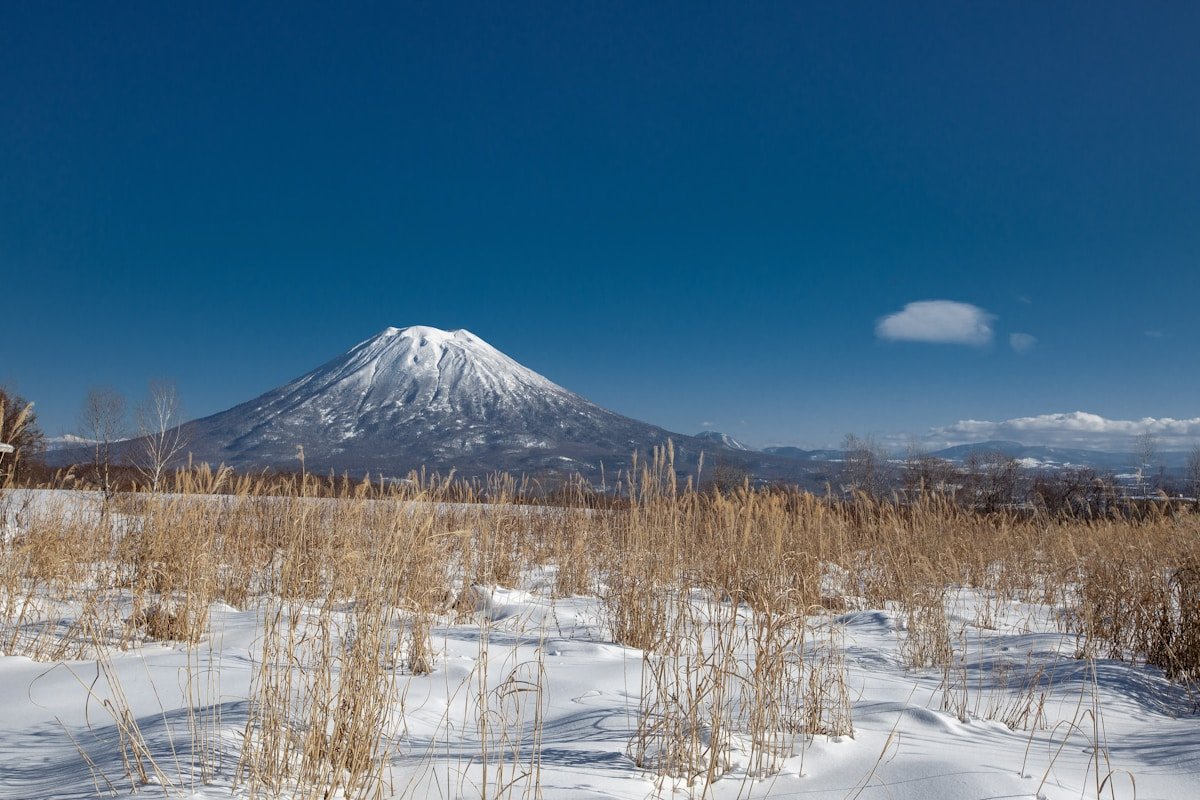
Tohoku occupies the northern third of Honshu and gets far fewer international visitors than Kansai or Kanto. This is partly geography - it sits north of Tokyo and requires a deliberate decision to go - and partly the 2011 earthquake and tsunami, which hit the Pacific coast region hard. The recovery has been largely complete for years, but perception lingered.
What Tohoku actually offers: dramatic landscape, genuine seasonal festivals, some of Japan’s most atmospheric hot spring towns, and the ability to move around without navigating crowds at every popular site. Sendai is the region’s transport hub and a reasonable base city.
Sendai
Sendai is Tohoku’s largest city - 1 million people, well-organised, unremarkable by Japan’s standards but practical. It is best used as a base rather than a destination in its own right, though Aoba Castle ruins give good views over the city and Zuihoden mausoleum (¥570/$3.80) is the ornate resting place of Date Masamune, the feudal lord who built the city in the 16th century.
Sendai is famous for gyutan - beef tongue grilled over charcoal, sliced thick, and served with oxtail soup and rice. The Kokubuncho district has numerous gyutan restaurants; prices run ¥2,500–4,500 ($17–30) for a set meal.
From Tokyo: 1h35min on the Shinkansen (¥11,090/$73; JR Pass valid). This is one of the clearest JR Pass savings - the pass pays for itself on this route alone within two return trips.
Matsushima
Matsushima sits 40 minutes from Sendai by train and holds one of Japan’s traditional three great scenic views: around 250 pine-covered islands scattered across a shallow bay. The view is best from the hillside pavilions above the town, and a 50-minute boat cruise through the islands costs ¥1,500 ($10).
Zuiganji is the main temple - a serious Zen institution with a long cedar approach and cave corridors carved into the cliffside. Entry ¥700 ($4.60). The bay’s oysters are eaten grilled (¥300–500/$2–3.30 each at harbour stalls) from October to March.
Yamadera, Yamagata
Yamadera - formally Risshakuji temple - is one of the most atmospheric sites in Tohoku. The temple complex climbs a cliff face: 1,015 stone steps lead from the valley floor to the main hall perched at the top, with views across the valley and mountains. It was founded in 860 CE and the route is lined with stone lanterns, moss-covered Jizo figures, and smaller sub-temples along the way.
From Sendai: 55 minutes on the JR Senzan Line (¥860/$5.70; JR Pass valid). Entry to the climb ¥300 ($2). Allow 2–3 hours on site. Combine with Yamagata city, 10 minutes further by train, for lunch.
Zao Onsen, Yamagata
Zao Onsen is a hot spring resort on the slopes of the Zao volcanic range, 40km south of Yamagata city. In winter (December to March) it is one of Japan’s best ski resorts - deep powder snow, wide runs, and the famous juhyo (“snow monsters”): trees coated in thick ice formations that make the mountain look like a landscape from another planet. The juhyo are viewable by ropeway (¥1,400/$9.30 one way) even without skiing.
In summer and autumn, Zao’s crater lake (Okama) is a vivid blue-green and accessible by road. The onsen town itself has communal baths (the water is a strong acidic sulphur type, bright yellow-green; ¥550/$3.70 for public baths) and a good range of accommodation.
From Yamagata: 40-minute bus from Yamagata station to Zao Onsen bus terminal (¥1,000/$6.60).
Aomori
Aomori city anchors the far north of Honshu. The primary reasons to visit are the Nebuta Festival in early August and the excellent prefectural museum (Sannai Maruyama) holding Jomon-period archaeological finds going back 5,500 years (free entry with general museum ticket ¥410/$2.70).
The Nebuta Festival (August 2–7) fills the streets with enormous illuminated paper floats of warriors and mythological figures, paraded at night to the sound of drums and flutes. It is one of Japan’s most visually impressive festivals and draws around 3 million visitors over six nights. Book accommodation months ahead.
Aomori is also a base for Hirosaki (30 minutes south) and the Oirase Gorge (1.5 hours east), a riverside walking trail through beech forest with waterfalls. Hirosaki has one of Japan’s best-preserved original castle keeps, and in late April its cherry blossoms are considered by many to be more beautiful than Tokyo’s - the 2,600 trees around the moat create a pink reflection in the water as petals fall.
From Sendai: 1h40min by Shinkansen (¥8,360/$55; JR Pass valid).
Akita
Akita Prefecture borders the Sea of Japan coast and has a different character from Aomori - flatter rice fields, sake breweries, and the Namahage tradition. Namahage are demon figures (men in straw capes and demon masks) who visit homes on New Year’s Eve to frighten children into good behaviour. The Oga Peninsula’s Namahage Museum demonstrates the tradition (¥550/$3.70 entry) and runs a live performance.
Akita’s sake culture is real and explorable: several breweries in the city allow tours and tastings (typically free to ¥500/$3.30). The local rice (Akita Komachi) is among Japan’s most respected.
From Sendai: 1h20min on the Komachi Shinkansen to Akita (¥7,460/$49; JR Pass valid).
Getting Around Tohoku
Sendai is the regional hub. The Tohoku Shinkansen runs from Tokyo through Sendai to Shin-Aomori, with branches to Akita (Komachi) and Yamagata (Tsubasa). JR Pass covers all Shinkansen and local JR lines in the region. Bus networks fill the gaps to onsen towns and scenic areas.
Key journey times from Sendai:
- Tokyo: 1h35min Shinkansen (JR Pass valid)
- Matsushima: 40min by local train (JR Pass valid)
- Yamadera: 55min by local train (JR Pass valid)
- Aomori: 1h40min Shinkansen (JR Pass valid)
- Akita: 1h20min Shinkansen (JR Pass valid) Search hotels in Tohoku on Booking.com
Best Season
Spring (late April to May) is the standout season - later than in Kanto and Kansai, with Hirosaki’s cherry blossoms peaking around late April to early May. Autumn (October–November) has dramatic foliage across the mountain areas. Winter (December–March) is cold and heavy with snow, excellent for skiing at Zao and for the juhyo ice trees. Summer brings the Nebuta Festival (Aomori, August) and Tanabata Festival (Sendai, August 6–8, one of Japan’s largest tanabata celebrations).
Plan your Tohoku visit: Tours and activities across Tohoku cover the region’s top experiences. Flights to Japan - compare early, especially for travel to regional airports outside Tokyo. Travel insurance for Japan and an Airalo eSIM are worth sorting before you fly.
City Guides for Tohoku
Detailed city guides: Sendai · Matsushima · Aomori
Related guides: Japan in August · Japan in October · Best time to visit Japan · Onsen guide Japan · Japan Rail Pass guide
See also: Sendai travel guide · Matsushima travel guide · Aomori travel guide · Things to do in Sendai · Japan in November · Hokkaido region guide · Aomori long-stay guide