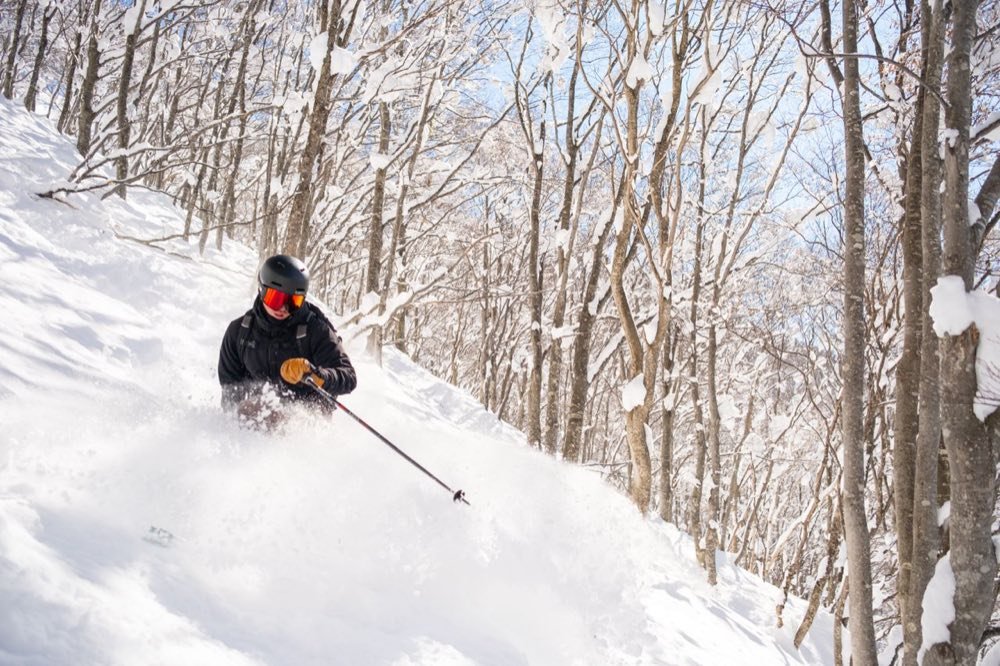
Hakuba was the site of the 1998 Winter Olympics ski events, and it still has the structure and terrain of a major alpine venue. Ten resorts share the valley, each with its own character, and the surrounding villages offer plenty to do beyond the lifts. This page covers lift passes, lessons, non-skiing activities and onsen, with advice on what to book ahead. For terrain specifics, read our Hakuba ski resort guide, and for the valley overview see the Hakuba travel guide.
Hakuba costs at a glance (2026-27 season, as of 2026):
| Item | Detail | Cost |
|---|---|---|
| Hakuba Valley All-Mountain Day Pass, adult | Ages 13 and over, valid across the valley’s ten resorts | ¥11,100 |
| Hakuba Valley All-Mountain Day Pass, child | Valid for the day of use | ¥6,400 |
| Day-use onsen | Bathhouses and lodge baths in the main villages | ¥700-¥1,000 |
Lift Passes
The Hakuba Valley All-Mountain Day Pass for the 2026-27 season is listed at ¥11,100 for adults aged 13 and over, and ¥6,400 for children, valid for the day of use across the valley’s ten resorts. That covers Happo-One, Goryu, Hakuba 47, Iwatake, Tsugaike, Cortina and the smaller areas, and includes the free valley shuttle bus on the days you ski. The previous season’s adult day pass was ¥10,400, so prices have risen. Check the official Hakuba Valley ticket page before you buy, as multi-day options and discounts change each season.
Which pass to buy:
- All-Mountain: best if you want to try several resorts. It pays off by day two.
- Single resort: consider this if you stay near Happo-One or Tsugaike and will not move around.
- Night skiing: available at selected resorts, with separate tickets.
Lessons and Guides
Hakuba has a deep pool of English-speaking schools and guides.
- Beginners: group lessons at Happo-One, Goryu or Tsugaike build confidence on gentle slopes. Book two or three days.
- Intermediates: a half-day powder lesson teaches the technique for soft snow.
- Advanced and off-piste: guided backcountry tours in the Northern Alps are among the best in Japan, but conditions are serious. Avalanche training, gear and a licensed guide are essential. Never use the gates without all three.
Prices vary widely by school, so compare a few operators. Hakuba tours and ski experiences on GetYourGuide are a useful way to see current availability and reviews, and peak weeks sell out early.
Snowshoeing and Winter Walks
Guided snowshoe tours take you through birch and larch forest on the valley floor, often with views of the Hakuba peaks. They are quiet, suit most fitness levels, and are a good rest-day option for skiers. Wear waterproof boots, gloves and warm layers. Some tours include a hot drink and local snacks.
Olympic Sites and Viewpoints
The Hakuba Ski Jumping Stadium, built for the 1998 Games, is open to visitors and offers views down the valley. The Happo-One gondola and upper lifts take you to higher viewpoints on clear days, where the northern Alps stretch out in a long white line. Check lift status before you go, as weather affects the top stations.
Onsen
Hakuba has day-use bathhouses and lodge baths in each of the main villages. Most charge ¥700 to ¥1,000 as of 2026, and some provide towels for a small fee. See our onsen guide for Japan for etiquette and the tattoo-friendly onsen guide for the policy rules. After a long day on the slopes, an outdoor bath in snowfall is hard to beat.
Food and Après
The village near Happo-One and the Echoland strip have the widest range of restaurants, from soba and ramen shops to Western bistros and izakaya. Nagano is known for soba noodles and oyaki dumplings, and the valley has good local produce. Dinner reservations are advisable in peak weeks, and many places close early on quiet nights. Echoland is the centre of late-night bars.
Summer and Shoulder Season
In summer, the valley switches to hiking, mountain biking and cycling, with the Happo-One gondola open for alpine walks. The scenery is excellent, accommodation is cheaper, and the crowds are minimal. It is a very different trip from winter.
Booking Checklist
- Lift passes, lessons and guides: reserve before you fly for peak weeks.
- Dinner in Happo-One and Echoland: book once your dates are fixed.
- Transfers and car hire: see our getting around Hakuba guide.
- Day trips: our Hakuba day trips page covers Nagano and the snow monkeys.
- Accommodation: search Hakuba stays on Booking.com or read where to stay in Hakuba.
Choosing between the two big resorts? Niseko vs Hakuba compares terrain, access and price, and the Niseko things to do page shows the Hokkaido side. Browse more Hakuba tours and activities when you are ready to book.